
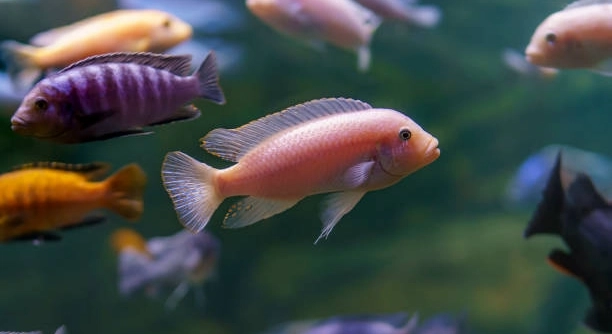
Convict cichlids are colorful, active fish that many aquarists enjoy keeping. Sometimes, these fish develop missing scales, which can worry owners and affect the overall appearance of their aquarium. Understanding why this happens is important.
Missing scales in convict cichlids are usually caused by a combination of environmental stress, poor water quality, aggressive tankmates, nutritional deficiencies, disease, parasites, or physical injury. Identifying and addressing these factors can prevent further scale loss and support recovery.
Learning what triggers scale loss helps maintain healthier fish. Recognizing these causes early ensures your convict cichlids remain vibrant and strong in their tank.
Stress and Its Effect on Scales
Stress in convict cichlids can come from many sources, including overcrowding, sudden changes in water conditions, or frequent handling. When fish are stressed, their immune system weakens, making them more prone to losing scales. Even small disturbances, like adding new decorations or moving their tank, can trigger stress. Fish that are constantly stressed may display unusual behavior, such as hiding, aggression, or refusal to eat. Over time, stress can slow healing if scales are lost and can make them more vulnerable to infections. It’s important to monitor their behavior daily and keep their environment stable. Maintaining consistent water temperature and quality, providing hiding spots, and avoiding sudden changes will reduce stress levels. Observing how your fish interact can also help you identify if tankmates are causing tension. Lowering stress not only protects scales but improves overall health and activity levels in convict cichlids, allowing them to thrive and show their natural colors.
Reducing stress is mainly about creating a stable, calm environment. Avoid overcrowding and keep conditions consistent.
Small adjustments in tank setup, like adding plants or rearranging decorations, can help fish feel safe. Proper care routines reduce stress, protect scales, and improve their immune system over time, ensuring convict cichlids stay healthy.
Poor Water Quality
Poor water quality is a major factor in scale loss for convict cichlids. High ammonia, nitrite, or nitrate levels can damage their skin and scales. Dirty tanks with leftover food, waste, or infrequent water changes increase the risk. Hard or very soft water can also affect scale health. Proper filtration and regular monitoring of water parameters are essential to prevent damage. Changes in pH or temperature that are too rapid can weaken fish, making them more susceptible to scale loss. Maintaining a balanced environment helps fish retain their scales and colors while reducing disease risks.
Keeping water clean is critical. Regular tests and water changes maintain safe conditions for your fish.
Consistent water maintenance involves monitoring ammonia, nitrites, and nitrates, performing partial water changes weekly, and keeping the tank free from decaying material. Using a reliable filter and checking pH and hardness ensures convict cichlids live in a safe environment. Clean water promotes healing if scales are lost and supports natural behavior, feeding, and coloration. Observing fish after water adjustments can also highlight hidden issues before scale loss occurs, making it easier to respond quickly. By prioritizing water quality, fish remain healthy, their scales intact, and their tank becomes a stable, low-stress habitat.
Aggression from Tankmates
Aggressive tankmates can nip at convict cichlids, causing missing scales. Even minor squabbles can leave marks. Keeping fish with compatible temperaments helps prevent injuries and stress-related scale loss.
Aggression often occurs when space is limited or hiding spots are scarce. Convict cichlids may fight over territory, especially during breeding. Fish that are constantly chased or bullied can develop torn fins and lost scales. Separating aggressive individuals or providing plenty of plants and decorations to break lines of sight reduces attacks. Observing interactions daily allows you to notice early signs of stress or injury before it worsens. Proper tank arrangement and balanced stocking can minimize conflicts and scale damage, keeping fish safer and more comfortable.
Monitoring for persistent bullying is essential. Injured fish should be isolated to heal properly. Providing adequate space and hiding areas ensures all fish coexist peacefully.
Nutritional Deficiencies
A poor diet can weaken convict cichlids’ scales and overall health. Lack of essential vitamins and minerals leads to brittle, easily damaged scales. Feeding a balanced diet with high-quality flakes, pellets, and occasional live or frozen food supports scale growth and immune strength.
Missing nutrients, such as vitamins C and D, and calcium, reduce the ability of scales to regenerate after injury. Fish on an unvaried diet may develop pale or thinning scales, making them more prone to infections. Supplementing their diet with vegetables, protein-rich foods, and occasional supplements promotes healthy skin and scale recovery. Proper nutrition also strengthens their immune system, helping them resist disease and heal faster when minor injuries occur. Feeding small, frequent meals ensures nutrients are absorbed efficiently and encourages active, healthy fish. Overfeeding, however, should be avoided as it can lead to water quality issues, indirectly affecting scale health.
Disease
Diseases like bacterial or fungal infections can cause convict cichlids to lose scales. Early signs include redness, white patches, or frayed fins. Prompt treatment helps prevent further damage and supports recovery.
Quarantining affected fish and maintaining clean water reduces the spread. Medications designed for freshwater fish can treat infections effectively when used as directed.
Parasites
Parasites, such as skin flukes or ich, attach to convict cichlids and damage scales. Infected fish may scratch against objects, resulting in missing scales. Regular observation and early treatment with appropriate antiparasitic medications help control infestations and protect fish from lasting harm.
Physical Injury
Physical injuries from rough handling or sharp decorations can tear scales. Avoid sudden movements during tank maintenance and ensure decorations have no sharp edges. Safe handling and careful tank design minimize accidents and allow fish to maintain healthy scales.
FAQ
Why are my convict cichlids losing scales even though the water looks clean?
Even if water appears clean, harmful substances like ammonia or nitrites may be present in small amounts. These chemicals stress fish and damage scales. Regular testing and partial water changes are necessary to maintain truly safe conditions. Filtration alone is not enough to ensure water quality.
Can aggressive tankmates cause permanent scale loss?
Repeated attacks from aggressive fish can create permanent scars where scales were lost. While new scales may grow back in minor injuries, severe nipping can leave lasting marks. Providing hiding spaces and rearranging decorations reduces conflicts and protects fish.
How quickly do scales grow back after an injury?
Scale regrowth depends on the fish’s overall health and environment. Healthy, well-fed convict cichlids in clean, low-stress conditions may begin regrowing scales within a few weeks. Poor nutrition or continued stress slows regeneration significantly.
Are certain diets better for preventing scale loss?
Yes, diets rich in vitamins C and D, calcium, and high-quality protein support strong scale growth. Including a mix of flakes, pellets, and occasional frozen or live foods ensures balanced nutrition. Overfeeding should be avoided as it can affect water quality.
Can water temperature affect scale health?
Sudden changes in temperature weaken the immune system and make scales more fragile. Maintaining stable, appropriate temperatures helps prevent stress-related scale loss. Avoid placing the tank near drafts, heaters, or sunlight that could cause fluctuations.
Do parasites always show visible signs before damaging scales?
Not always. Some parasites attach to the skin or gills without obvious early symptoms. Minor scratching or slight changes in behavior may be the only clue. Regular observation and preventive treatments help reduce the risk of scale damage from parasites.
Is stress alone enough to cause missing scales?
Yes, chronic stress weakens the immune system, making scales more susceptible to damage. Stress can come from overcrowding, frequent handling, or tank changes. Reducing stress through stable conditions, proper tankmates, and hiding spots helps maintain scale integrity.
Should I isolate fish that are losing scales?
Isolation can help injured fish heal and prevents further aggression from tankmates. Quarantine tanks also make treatment easier if disease or parasites are involved. Ensure the isolation tank has clean water, hiding spots, and proper nutrition for recovery.
Can decorations or tank layout affect scale loss?
Sharp or rough decorations can tear scales during normal swimming. Overcrowded tanks increase collisions between fish. Smooth decorations, adequate space, and plenty of hiding areas reduce accidental injuries and stress-induced scale loss.
Are missing scales a sign of serious illness?
Not always, but missing scales can indicate stress, aggression, or disease. Observing behavior, water conditions, and diet helps identify the cause. Early intervention prevents minor issues from becoming severe and keeps fish healthy.
How often should I monitor my fish for scale issues?
Daily observation is best. Look for changes in behavior, appearance, and signs of aggression or illness. Quick responses to missing scales or unusual activity protect overall health and prevent complications.
Can overcrowding increase scale loss?
Yes, overcrowding raises stress levels and encourages territorial fights. Each fish should have enough space to swim freely, with multiple hiding spots. Proper stocking density reduces aggression and supports scale maintenance.
Do certain species grow scales faster than others?
Convict cichlids regenerate scales at a moderate pace. Growth depends on diet, water quality, and stress levels. Healthier fish in optimal conditions regenerate faster, while poor conditions slow recovery.
Are there treatments to speed up scale regrowth?
Supporting fish with proper nutrition, clean water, and low-stress conditions helps scale regrowth. Some aquarists use mild antibacterial baths if scales are lost due to minor injuries, but preventive care is usually more effective than treatment.
How can I prevent future scale loss?
Maintaining clean water, providing a balanced diet, ensuring compatible tankmates, and reducing stress are key. Regular monitoring and careful handling help prevent injuries, disease, and aggression that lead to missing scales. Preventive measures protect fish health long-term.
This FAQ addresses the most common causes and concerns related to missing scales in convict cichlids, providing practical steps to reduce scale loss and support recovery.
Final Thoughts
Taking care of convict cichlids requires attention to both their environment and daily care. Missing scales are often a sign that something in their tank or routine needs adjustment. It is not always a sign of severe illness, but it should not be ignored. Even minor issues, like a sharp decoration or a brief water quality change, can lead to torn or lost scales. Observing your fish regularly allows you to catch problems early, whether it is stress, aggression, or poor nutrition. Small adjustments, like adding hiding spots or rearranging the tank layout, can make a big difference in preventing injuries and maintaining overall health. By keeping conditions consistent, you reduce the chances of scale loss and create a safe, comfortable environment for your cichlids to thrive.
Nutrition plays a key role in scale health. Convict cichlids need a balanced diet with vitamins, minerals, and protein to keep their scales strong. Feeding a variety of high-quality flakes or pellets, along with occasional live or frozen foods, helps ensure they receive the nutrients they need. Lack of essential nutrients can weaken scales, making them more prone to damage or infections. Providing small, frequent meals helps with digestion and nutrient absorption, which in turn supports immune function and scale regrowth if damage occurs. Overfeeding should be avoided, as leftover food can worsen water quality and indirectly harm scales. A thoughtful feeding routine combined with clean water and low stress can prevent many common causes of missing scales.
Finally, managing stress and aggression in the tank is crucial. Convict cichlids can be territorial, especially during breeding, and conflicts can lead to torn or missing scales. Ensuring each fish has enough space, hiding areas, and compatible tankmates reduces the risk of aggressive interactions. Water quality, temperature stability, and gentle handling also play an important role in lowering stress levels. If injuries or disease do occur, isolating affected fish and treating the issue promptly can prevent further damage. With consistent care, attention to water conditions, proper nutrition, and a safe tank environment, missing scales can be minimized and fish can heal effectively. Healthy convict cichlids will display vibrant colors, active behavior, and strong scales, making the effort invested in their care worthwhile.

Hello,
If you enjoy the content that we create, please consider saying a "Thank You!" by leaving a tip.
Every little bit helps us continue crafting quality advice that supports the health, happiness, and well-being of pets around the world, for pets of all shapes, sizes, and species.
We really appreciate the kindness and support that you show us!