
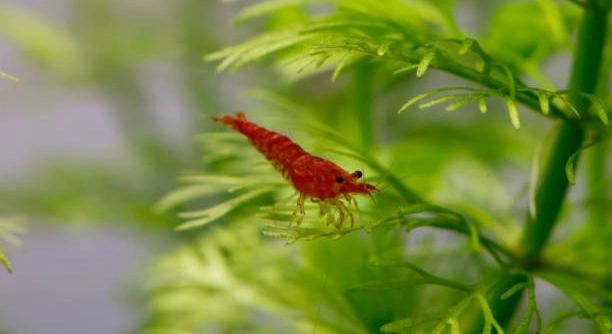
Have you ever noticed a tiny red shrimp gliding through your aquarium and wondered about its life cycle? Cherry shrimp are popular pets, and many aquarists enjoy learning how they reproduce and grow in their tanks.
Cherry shrimp reproduce by laying eggs, not giving birth. Females carry fertilized eggs under their tails until they hatch into tiny larvae. This process is typical of freshwater shrimp, and it allows the young to develop safely before entering the main tank.
Understanding the egg-laying habits of cherry shrimp can help you create the best environment for them and ensure their healthy growth.
How Cherry Shrimp Reproduce
Cherry shrimp reproduce by laying eggs, and the process begins when females reach maturity, usually around four to six months old. Males actively swim around the tank, searching for a receptive female. When a female molts, her new shell is soft, and this is when mating occurs. After fertilization, the female carries the eggs under her tail in a small pouch called a saddle. She constantly fans them with her swimmerets, keeping them clean and well-oxygenated. The eggs are tiny, greenish or yellowish, and are visible if you look closely. The incubation period usually lasts about two to three weeks, depending on water temperature and conditions. Warmer water speeds up development, while cooler water slows it down. During this time, it is important not to disturb the female too much, as stress can affect the eggs. Observing her carefully can reveal fascinating details of her care and dedication to the eggs.
Females can carry up to 30 eggs at a time, and each one has the potential to hatch successfully.
The hatching process is delicate. When ready, the eggs release tiny, fully formed shrimp. They are miniature versions of adults, already able to swim and find food. For the first few days, they stay near plants or decorations for safety. It is essential to maintain stable water conditions during this stage. Gentle filtration and regular feeding of fine foods like algae or powdered shrimp food help them thrive. Over time, these young shrimp grow quickly, molting their shells multiple times. Watching them develop into adults is rewarding, as you can see the color intensify and patterns emerge. By understanding their reproduction, you can support the health and expansion of your tank population effectively.
Caring for Eggs and Juveniles
Keeping the eggs safe is key to a successful hatch. Avoid sudden changes in temperature or water chemistry.
Providing a calm and stable environment ensures that the eggs develop properly. Use plants and mosses in the tank so the juveniles have places to hide once they hatch. It is important to feed the hatchlings small portions multiple times a day. Suitable foods include finely crushed shrimp pellets, powdered algae, and blanched vegetables. Overfeeding can pollute the water, so a careful balance is necessary. Gentle water flow is recommended because strong currents can sweep the tiny shrimp away. Watching them grow from eggs to vibrant adults can be very satisfying. Adjusting water parameters gradually helps prevent stress and ensures higher survival rates. Monitoring the shrimp daily lets you notice any problems early, such as fungus on eggs or signs of illness. By taking these measures, you support the health of both the eggs and the young shrimp, giving them the best chance to thrive.
Identifying Fertile Eggs
Fertile cherry shrimp eggs usually have a greenish or yellowish color and are slightly translucent. Infertile eggs may appear white or cloudy and are often abandoned by the female, who focuses on viable eggs.
Fertile eggs remain attached under the female’s tail throughout the incubation period. They slowly darken as they develop, and you may notice tiny movement inside as the embryos grow. The female constantly fans them to keep them oxygenated and free from debris. Infertile eggs, on the other hand, usually become opaque and may fall off or be eaten by the female. Maintaining clean water and stable temperatures increases the chance of eggs remaining fertile and healthy. Watching the development can be fascinating and helps predict when hatching will occur.
Monitoring the eggs daily helps you distinguish fertile from infertile ones. If you notice many eggs turning white, it may indicate stress or poor water conditions. Proper nutrition for the female also improves egg viability. Leaf litter, algae, and high-quality shrimp food provide the nutrients needed for healthy eggs. Removing dead eggs promptly prevents fungus from spreading to healthy ones. By paying attention to these details, you support a higher survival rate and ensure the young shrimp have a good start in life.
Tank Conditions for Breeding
Stable water parameters are essential for successful breeding. Temperature should remain between 72°F and 78°F, with gentle filtration and minimal disturbances.
A clean, well-planted tank encourages females to carry eggs and protects juveniles after hatching. Regular water changes prevent buildup of harmful chemicals and keep pH levels stable. Avoid overcrowding, as too many shrimp can stress adults and reduce egg survival. Soft substrates like sand or fine gravel allow shrimp to forage and hide. Providing live plants, mosses, and hiding spots creates a safer environment for eggs and baby shrimp. Careful feeding with a balanced diet ensures females have the energy to produce healthy eggs and support juvenile growth. Consistent monitoring of water quality helps maintain optimal conditions and reduces risks from sudden changes.
Temperature fluctuations or poor water quality can halt breeding or cause egg loss. Even small changes in ammonia or nitrate levels can stress shrimp. Using a sponge filter or gentle filter setup prevents eggs or juveniles from being sucked in. Leaf litter or Indian almond leaves release beneficial tannins that support health and provide extra hiding spots. Maintaining a routine schedule for feeding and cleaning reduces stress for the adults. Observing shrimp behavior gives clues about breeding success, including how females carry their eggs and how juveniles interact with the environment. Creating a stable, enriched habitat maximizes survival and encourages natural behaviors, making it easier to maintain a thriving colony.
Recognizing a Gravid Female
A gravid female cherry shrimp has a noticeable saddle behind her head, which holds developing eggs. The saddle becomes more pronounced as the eggs mature.
The abdomen may appear slightly swollen, and the female often moves more slowly. This stage lasts until she molts and the eggs are fertilized.
Caring for a Gravid Female
Ensure stable water conditions and provide plenty of hiding spots. High-quality food with sufficient protein and nutrients supports her health and egg development. Avoid sudden changes in temperature or water chemistry, as stress can cause her to drop the eggs prematurely.
Hatching Process
Eggs typically hatch in about two to three weeks, depending on water temperature. Warmer water speeds up development, while cooler water slows it down.
Feeding Juveniles
Offer finely crushed shrimp food, powdered algae, or blanched vegetables. Feed small portions multiple times a day to ensure the young shrimp receive adequate nutrition.
FAQ
How long do cherry shrimp eggs take to hatch?
Cherry shrimp eggs usually take about two to three weeks to hatch. The exact time depends on water temperature. Warmer water accelerates development, while cooler water slows it down. Monitoring the eggs daily allows you to anticipate when the tiny shrimp will emerge.
Can a female cherry shrimp carry eggs without mating?
No, females must mate with a male to fertilize the eggs. Without fertilization, the eggs will turn white or opaque and eventually be dropped or eaten. Ensuring you have at least one male in the tank increases the chances of successful breeding.
How many eggs can a female carry at one time?
A female cherry shrimp can carry anywhere from 20 to 30 eggs under her tail, depending on her size and health. Larger females tend to carry more eggs. Keeping the water clean and providing proper nutrition helps support healthy egg production.
Do cherry shrimp eat their own eggs?
Occasionally, stressed or weak females may eat their eggs, especially if the water quality is poor or they lack proper nutrition. Removing dead or infertile eggs promptly can prevent fungus and protect the remaining healthy eggs.
What are the signs of fertile eggs?
Fertile eggs are usually greenish or yellowish and slightly translucent. Over time, you may notice small movements inside as the embryos develop. Infertile eggs appear white or cloudy and are often abandoned by the female.
How can I tell when the eggs are about to hatch?
When the eggs are ready to hatch, they darken, and the tiny shrimp inside may become visible. You may also see subtle movements within the egg. This usually happens at the end of the two to three-week incubation period.
Do water conditions affect hatching success?
Yes, water conditions are critical. Stable temperatures, low ammonia and nitrate levels, and consistent pH are essential for eggs to develop properly. Sudden changes or poor water quality can cause eggs to fail or be dropped prematurely.
What should I feed baby shrimp after hatching?
Newly hatched shrimp need very small, easy-to-eat foods. Finely crushed shrimp food, powdered algae, and blanched vegetables are suitable. Feed small portions multiple times daily to ensure they get enough nutrition without polluting the water.
Can eggs survive without hiding places?
While eggs are attached to the female, having plants and moss in the tank helps protect them once the shrimp hatch. Hiding spots give juveniles safety from currents and potential disturbances, improving survival rates.
How often do cherry shrimp breed?
Cherry shrimp can breed continuously if water conditions, temperature, and nutrition are favorable. Females can carry new batches of eggs soon after releasing previous ones. Maintaining a healthy, stable tank encourages frequent reproduction.
Do I need to separate males and females for breeding?
No, males and females can live together naturally. Males actively search for molting females, and this interaction is necessary for reproduction. Overcrowding should be avoided, but separation is not required for successful breeding.
What is the best environment for hatching eggs?
A clean, well-planted tank with gentle filtration and stable water parameters provides the best environment. Leaf litter or moss can offer additional cover. Avoid strong currents or sudden disturbances, as these can stress the female or harm eggs.
Can temperature extremes affect egg development?
Yes, temperatures too low or too high can slow development or cause eggs to fail. Keeping water between 72°F and 78°F is ideal for healthy growth and timely hatching. Gradual adjustments are safer than sudden changes.
How long before juveniles reach maturity?
Juveniles grow quickly, molting several times over a few months. Most cherry shrimp reach maturity around four to six months, at which point females can carry eggs of their own if conditions are favorable.
Is it normal for some eggs not to hatch?
Yes, it is normal. Not all eggs survive, and some may be infertile or fall victim to stress or poor water quality. Removing dead eggs helps maintain a healthy environment for the remaining viable ones.
Can I speed up hatching by increasing temperature?
Slightly warmer water can accelerate development, but large temperature changes can stress the female or damage the eggs. Maintaining a stable, slightly warmer environment is safer than sudden temperature shifts.
Do cherry shrimp need special lighting for breeding?
Normal aquarium lighting is sufficient. While plants benefit from light, breeding success depends more on water quality, nutrition, and stable temperature than on light intensity or schedule.
How do I prevent fungus on eggs?
Good water quality, stable parameters, and removing dead eggs promptly help prevent fungus. Stress reduction for the female also reduces the likelihood of fungal growth on the eggs.
Can juvenile shrimp survive without adults?
Yes, juveniles can survive independently if the tank has hiding spots, clean water, and appropriate food. Adults may provide indirect protection, but juveniles are fully capable of feeding and growing on their own.
Are there signs of stress in a female carrying eggs?
A stressed female may move less, hide excessively, or eat her eggs. Stress can result from poor water quality, overcrowding, sudden changes, or insufficient food. Maintaining a calm, stable tank helps prevent stress-related issues.
Final Thoughts
Cherry shrimp are fascinating little creatures, and understanding their reproduction can make keeping them more rewarding. Females lay eggs rather than giving birth, and these eggs require careful attention and proper conditions to develop successfully. Observing a female carry her eggs can be surprisingly engaging, as she fans them with her swimmerets and keeps them clean. The eggs are delicate, so stable water conditions and proper nutrition are essential to ensure they develop properly. A healthy female with good food and a safe environment is more likely to produce fertile eggs that hatch successfully. The small details, like noticing the color of the eggs or the appearance of the saddle, can give important clues about how the eggs are doing. By paying attention to these signs, you can support the shrimp and improve survival rates for the young.
Once the eggs hatch, the baby shrimp need a safe and stable environment to grow. They are tiny and vulnerable at first, so hiding places like plants, moss, and decorations are important. Proper food is also critical during this stage, as the juveniles need small, nutrient-rich meals multiple times a day. Overfeeding can harm water quality, so balance is key. Watching them grow is satisfying, especially as they molt and develop their vibrant colors. Maintaining steady water parameters, avoiding sudden changes, and keeping the tank clean all contribute to healthier juveniles and fewer lost eggs. Even small adjustments, like gentle filtration and careful feeding, can make a big difference. Creating a supportive environment ensures that the shrimp thrive and that the population continues to grow naturally over time.
Understanding how cherry shrimp reproduce and care for their eggs can help you provide the best environment for them. From maintaining proper temperature and water quality to offering hiding spots and high-quality food, there are many factors that influence egg survival and juvenile growth. Observing their behavior closely allows you to notice problems early and make adjustments before they affect the eggs or young shrimp. Breeding cherry shrimp can be both educational and rewarding, as you witness the process from egg to juvenile to adult. With patience and attention to detail, you can maintain a healthy colony in your tank. Taking the time to learn about their reproduction helps ensure that your shrimp live longer, grow healthier, and continue to add life and color to your aquarium. It also makes caring for them feel more engaging and satisfying, knowing that each small action contributes to their well-being and the success of your tank.

Hello,
If you enjoy the content that we create, please consider saying a "Thank You!" by leaving a tip.
Every little bit helps us continue crafting quality advice that supports the health, happiness, and well-being of pets around the world, for pets of all shapes, sizes, and species.
We really appreciate the kindness and support that you show us!