
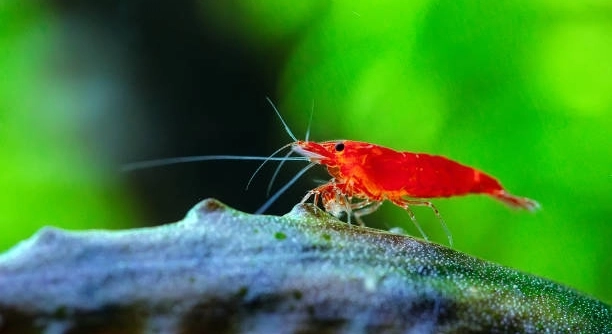
Do your cherry shrimp live in a small aquarium that you carefully decorate? Over time, you may find yourself changing plants, rocks, or ornaments to make the tank more visually appealing and enjoyable to watch.
Cherry shrimp can notice changes in their environment, including décor adjustments. These shrimp are sensitive to alterations in their surroundings, which can affect their behavior, stress levels, and activity patterns, making consistent habitat design important for their wellbeing.
Understanding how shrimp respond to changes can help you maintain a stable and healthy environment for them. This knowledge ensures their comfort and encourages natural, lively behavior in your tank.
How Cherry Shrimp Perceive Their Environment
Cherry shrimp are highly sensitive to their surroundings, and even small changes can catch their attention. Altering plants, hiding spots, or decorations can make them pause, explore, or retreat temporarily. Their eyesight is limited, but they can detect shapes, movement, and contrast, which is enough to notice shifts in décor. Changes in lighting or placement of objects can also influence how they move around. Some shrimp may become more cautious if they feel exposed or unsettled, while others may investigate new areas actively. Maintaining a balance between variation and familiarity helps shrimp remain comfortable. Sudden, drastic changes can trigger stress, while gradual adjustments encourage natural exploration. Observing their reactions provides insight into their preferences. Even minor tweaks, like moving a rock or rearranging moss, can affect their patterns and feeding behavior. Keeping a consistent environment supports their health and keeps them active.
Small changes can impact shrimp behavior more than we might expect. Watching their reactions helps in making informed adjustments.
Gradual décor updates are easier for shrimp to handle. Introducing one new element at a time allows them to explore without feeling threatened. For example, adding a single plant or repositioning a stone gives them a chance to adapt. Consistent hiding spots and familiar areas make them feel secure, reducing stress. Over time, small changes can enrich their environment and encourage more natural behaviors, such as grazing, climbing, or social interactions. Sudden, dramatic changes, like removing all plants or completely rearranging the tank, may cause hiding or reduced activity. Observing feeding and movement patterns can indicate whether they are comfortable with updates. Shrimp often rely on visual cues and environmental textures to navigate. Providing areas with moss, leaves, or rocks helps them adjust and feel safe. Balancing stability with small variations allows for both security and stimulation. This approach promotes a lively and healthy aquarium without overwhelming the shrimp.
Signs of Stress from Décor Changes
Stress in shrimp can appear subtly through reduced activity, hiding, or slower feeding.
Behavioral changes such as frequent retreating, staying in corners, or avoiding open spaces indicate discomfort. Stress can also manifest physically, with color fading or less movement. When shrimp are stressed, they may ignore food or exhibit unusual swimming patterns. Observing their behavior after making décor changes helps determine whether adjustments are too abrupt or if the environment needs more familiar elements. Gradual updates prevent prolonged stress and encourage natural behaviors.
Minimizing stress begins with careful observation. Introduce one change at a time, like adding a new plant or moving a decoration slightly. Avoid removing multiple hiding spots at once. Pay attention to how shrimp respond over several days, adjusting if signs of stress persist. Consistent water parameters, like temperature, pH, and filtration, also play a critical role. Even minor stressors can compound, so maintaining both physical and environmental stability is essential. Ensuring safe spots and gradual exploration allows shrimp to adapt smoothly. Over time, they become more confident in their surroundings and interact naturally with new objects. Regular observation helps balance enrichment and security, keeping shrimp healthy and active.
Adjusting Décor Without Stress
Even minor adjustments, like moving a rock or plant, can affect shrimp behavior. Gradual changes help them explore safely while avoiding sudden stress that may cause hiding or reduced activity.
When adjusting décor, it is important to move one item at a time. Cherry shrimp are sensitive to sudden changes, and introducing multiple new elements at once can overwhelm them. By changing the tank gradually, shrimp have time to explore and adapt to new surroundings. Observing their reactions after each adjustment helps determine whether they are comfortable or stressed. Small, incremental changes maintain a balanced environment and encourage natural behaviors such as grazing, climbing, and interacting with tank features.
Consistency matters. While it is helpful to vary the environment, keeping familiar areas and hiding spots intact ensures shrimp feel safe. Introducing new objects slowly, while keeping previous arrangements, allows them to explore without fear. Gradual décor updates promote curiosity and activity while maintaining security. Watching shrimp during these changes provides insight into their preferences, helping you make better decisions for future adjustments. A careful approach reduces stress and supports a healthy, lively aquarium.
Monitoring Behavioral Responses
Shrimp reactions to décor changes include hiding, grazing less, or swimming cautiously. Observing these patterns can reveal stress or adaptation levels.
Tracking behavior after altering the tank helps gauge shrimp comfort. Signs of stress include retreating to corners, decreased feeding, and color fading. Conversely, active exploration, grazing, and climbing indicate adaptation. Changes in swimming patterns or reluctance to leave hiding spots suggest the need for a slower introduction of new elements. Monitoring for several days ensures accurate assessment. Gradual décor adjustments allow shrimp to familiarize themselves with new objects, maintaining a balanced environment. Observing multiple individuals can help identify collective trends versus individual variation.
Consistent observation provides insight into how shrimp perceive their surroundings. Noting preferred areas, frequent hiding spots, and interaction with new objects helps plan future tank modifications. Gradual changes combined with stable water parameters reduce stress and encourage natural behavior. Tracking behavioral responses over time also helps identify which decorations are enriching versus overwhelming. Small, careful adjustments can enhance the tank environment, making it stimulating while maintaining security. Recording observations allows you to understand shrimp preferences and create a balanced, engaging, and safe habitat that supports their health and activity.
Creating Safe Zones
Providing secure hiding spots helps shrimp feel comfortable when décor changes. Rocks, moss, and small caves allow them to retreat and explore at their own pace.
Even small adjustments can be less stressful when there are familiar areas to hide. These zones give shrimp confidence to investigate new additions without fear.
Gradual Introduction of New Items
Adding new plants, stones, or decorations slowly allows shrimp to adapt naturally. Introducing one item at a time reduces stress and prevents sudden behavioral changes. Observing shrimp after each addition helps determine whether they are comfortable and adjusting properly. Consistent familiar spaces alongside new elements encourage exploration without overwhelming them. Gradual introductions support their curiosity while maintaining a sense of security, allowing them to enjoy changes without negative effects. Proper pacing ensures that shrimp remain active, feed normally, and continue their natural patterns, resulting in a healthier and more stable tank environment.
Observing Interaction
Watching how shrimp interact with new décor provides insight into their preferences. They may explore, hide, or ignore items depending on comfort.
FAQ
Do cherry shrimp notice small changes in tank décor?
Yes, cherry shrimp are sensitive to even small adjustments. Moving a plant, rock, or ornament slightly can catch their attention. They may pause, hide, or explore the new arrangement, showing that they perceive the change. Gradual alterations help them adjust without stress.
How quickly do cherry shrimp adapt to new decorations?
Adaptation depends on the individual and the type of change. Minor adjustments like shifting a plant may take a few hours to a day. Larger changes, such as introducing new hiding spots or rearranging multiple items, may take several days for shrimp to feel comfortable and explore confidently.
What signs indicate stress from décor changes?
Stress often appears as hiding for extended periods, reduced activity, or less grazing. Fading color, unusual swimming, or avoiding open areas are also signs. Watching shrimp closely after making changes allows you to gauge whether the environment feels safe or if adjustments need to be slowed down.
Can adding new items improve shrimp behavior?
Yes, adding elements like moss, rocks, or plants can stimulate exploration and activity. Introducing one item at a time ensures shrimp feel secure while encouraging natural behaviors such as grazing, climbing, and social interaction. Gradual enrichment promotes curiosity without overwhelming them.
Should hiding spots be moved during décor updates?
It is best to keep at least some familiar hiding spots intact. Moving every shelter at once can cause stress. Slowly repositioning one or two areas while keeping others stable allows shrimp to adjust and continue using their safe zones.
Do cherry shrimp react differently to live versus artificial plants?
Yes, live plants offer texture, surfaces for grazing, and natural hiding places, which shrimp often prefer. Artificial plants may be explored, but they generally do not provide the same sensory experience. Gradually adding either type helps shrimp acclimate without stress.
Does lighting affect how shrimp notice changes?
Lighting can highlight new decorations or shadows, influencing shrimp behavior. Bright light may make them more cautious, while dimmer areas can encourage exploration. Maintaining consistent lighting schedules helps them adjust to changes naturally.
How often can I safely update the tank décor?
Frequent small changes are better than large, sudden adjustments. Updating one item every few days allows shrimp to explore at their own pace and reduces stress. Observing their reactions helps decide when further changes can be introduced.
Can shrimp forget old layouts if changes are gradual?
Gradual changes generally allow shrimp to retain familiarity with parts of the tank while adapting to new elements. Keeping consistent features like hiding spots and main swimming areas helps them navigate confidently and reduces anxiety.
Is it necessary to rearrange decorations for shrimp enrichment?
While not strictly necessary, gradual rearrangements or adding new elements can encourage natural behaviors. Careful pacing ensures enrichment without causing stress, helping shrimp remain active, healthy, and engaged with their environment.
How do I know if shrimp are comfortable with a new item?
Signs of comfort include exploring the new item, grazing near it, and returning to familiar areas without hesitation. If shrimp ignore the item completely or hide excessively, adjustments should be slowed or reversed.
Do shrimp prefer a particular type of substrate when decorations change?
Yes, substrate texture affects how shrimp interact with décor. Fine gravel or sand allows easier movement and grazing, while rough or uneven surfaces may make new objects intimidating. Consistent substrate helps shrimp feel secure while exploring new elements.
Can sudden removal of decorations harm shrimp?
Removing too many items at once can trigger stress, leading to hiding, reduced feeding, or erratic swimming. Gradual removal or replacement of objects is safer, allowing shrimp to adjust without feeling exposed or threatened.
How do multiple shrimp react compared to a single shrimp?
Groups often show collective responses. Some may explore while others hide. Observing several individuals helps determine whether changes are universally accepted or causing stress in the group. This ensures that décor updates suit all tank inhabitants.
Are some shrimp more sensitive than others to décor changes?
Yes, individual temperament varies. Some shrimp are naturally curious and adapt quickly, while others are cautious and slow to explore. Gradual changes accommodate all personalities, promoting a balanced environment and reducing stress across the tank population.
Do decorations impact shrimp feeding patterns?
Yes, changes can affect where and how shrimp feed. Removing familiar structures or adding new ones may shift grazing areas. Gradual adjustments and maintaining some consistent feeding zones help shrimp continue healthy eating habits.
Can new decorations encourage natural behaviors?
Properly placed rocks, plants, and moss provide surfaces for grazing, climbing, and hiding. Gradual additions encourage shrimp to interact naturally with the environment, promoting activity and mental stimulation without causing fear.
How long should I monitor shrimp after making décor changes?
Observation for several days is recommended. Shrimp may show delayed reactions. Tracking movement, feeding, and hiding patterns helps assess whether the environment is comfortable or if adjustments should be slowed.
Is it better to change décor frequently or occasionally?
Occasional, small changes are better. Frequent, rapid adjustments may stress shrimp. Gradual updates with stable hiding spots and feeding areas ensure a stimulating yet secure environment that supports health and natural behavior.
Do shrimp interact differently with plants versus rocks?
Yes, plants are often used for grazing and climbing, while rocks provide hiding spaces and territory boundaries. Providing both types creates a balanced tank where shrimp can explore, rest, and feel secure, adapting naturally to minor changes.
How do I safely remove or replace decorations?
Remove or replace one item at a time while keeping other familiar areas intact. Observe shrimp reactions before making further changes. This approach minimizes stress, encourages exploration, and ensures a healthy, comfortable environment for the entire tank.
Can shrimp adapt to completely new layouts?
Yes, but adaptation is gradual. Introducing new layouts in stages, keeping some familiar features, and monitoring behavior ensures shrimp remain active and stress-free, allowing them to explore new arrangements confidently and safely.
Do different shrimp species notice décor changes differently?
Yes, sensitivity varies by species. Cherry shrimp are relatively responsive to small changes, while others may be less perceptive or more cautious. Knowing species-specific behavior helps in planning safe and enriching décor adjustments.
What role does water quality play during décor changes?
Stable water parameters are essential. Even gradual décor changes can stress shrimp if temperature, pH, or filtration is inconsistent. Maintaining optimal conditions ensures shrimp remain healthy and can adjust comfortably to new items in their environment.
How do I encourage shrimp to explore new decorations?
Place new items near familiar areas or gradually extend them into the tank. Avoid forcing interaction. Shrimp will explore at their own pace if they feel secure, encouraging natural behaviors and minimizing stress.
Can décor changes affect breeding behavior?
Yes, sudden removal of hiding spots or drastic changes may reduce breeding activity. Gradual updates with safe zones support reproductive behaviors while maintaining comfort and security in the tank.
Are shrimp more reactive to changes during certain times?
Yes, they may be more cautious during molting or after recent stress. Observing behavior during stable periods ensures safer décor adjustments and prevents adding stress when they are vulnerable.
How much décor variation is ideal?
Small, gradual variations are ideal. Maintaining familiar features while slowly introducing new elements encourages exploration and activity without overwhelming shrimp, providing enrichment and security simultaneously.
Do shrimp respond to color changes in decorations?
Yes, high-contrast or bright objects may attract attention, while subtle colors may go unnoticed. Observing their interaction with different colors can guide safe and engaging decoration choices.
Can rearranging decorations improve shrimp health?
Yes, gradual rearrangements with proper hiding spots and grazing surfaces encourage activity, natural behavior, and reduced stress, all contributing to healthier shrimp and a more balanced tank ecosystem.
Final Thoughts
Cherry shrimp are small but perceptive creatures. They respond to changes in their environment more than many people expect. Even minor adjustments to plants, rocks, or ornaments can affect their behavior. Some shrimp may hide for a while, while others will explore and investigate new additions. This sensitivity highlights the importance of being mindful when updating a tank. Gradual changes are always better than sudden, drastic rearrangements. By moving one item at a time and keeping some familiar areas intact, shrimp can adjust comfortably. Observing their reactions after each change allows you to gauge whether the adjustments are working or if more time is needed for adaptation. Consistency and careful planning make a big difference in keeping shrimp active, healthy, and comfortable in their habitat.
Providing safe zones is essential for cherry shrimp. Hiding spots such as moss, caves, or carefully arranged rocks give them confidence to explore. When these areas are maintained during décor changes, shrimp feel secure and are more likely to investigate new elements. On the other hand, removing too many shelters or making rapid alterations can trigger stress, causing them to hide excessively or reduce activity. Gradual additions of new plants or decorations allow shrimp to explore at their own pace. Observing how they interact with these changes provides valuable insight into their comfort level and preferences. Creating a balance between familiar spaces and new elements ensures enrichment without overwhelming them. The right approach promotes natural behaviors, including grazing, climbing, and social interaction, which are all key to a healthy aquarium environment.
Monitoring shrimp behavior is a helpful practice for anyone updating a tank. Watching how they explore, feed, and interact with both new and familiar decorations provides a clear picture of how well they are adjusting. Stress signs, such as hiding, color fading, or unusual swimming patterns, should be noted and addressed by slowing down the pace of changes. Gradual updates paired with stable water conditions, consistent lighting, and adequate feeding areas support both health and well-being. Small, careful adjustments not only enrich the shrimp’s environment but also give them a sense of security. By paying attention to their responses, it becomes easier to create a tank that encourages natural activity, reduces stress, and supports long-term health. In this way, thoughtful décor changes can improve both the shrimp’s quality of life and the overall enjoyment of maintaining the aquarium.

Hello,
If you enjoy the content that we create, please consider saying a "Thank You!" by leaving a tip.
Every little bit helps us continue crafting quality advice that supports the health, happiness, and well-being of pets around the world, for pets of all shapes, sizes, and species.
We really appreciate the kindness and support that you show us!