
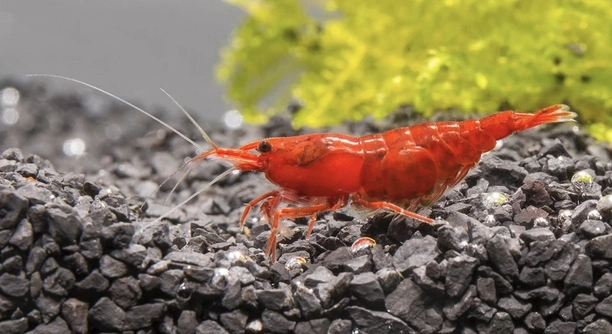
Do you love keeping aquariums but find yourself thinking about the proper care your cherry shrimp need? Maintaining their tank can feel tricky, especially when balancing water quality and shrimp health on a regular schedule.
Cherry shrimp do not require strict weekly water changes, but regular partial changes help maintain stable water parameters and remove excess waste. Consistent water quality prevents stress, supports molting, and promotes overall shrimp health in freshwater aquariums.
Understanding the right frequency and method of water changes can make a big difference for your shrimp’s well-being. Proper care ensures they thrive and reproduce in a healthy environment.
How Often Should You Change Water
Changing water too frequently can stress cherry shrimp, but leaving it too long can lead to poor water quality. I learned early that small, consistent changes are best. Replacing about 10-20% of the tank water every week keeps ammonia, nitrite, and nitrate levels under control. This approach balances cleanliness without shocking the shrimp. Observation is key. Watch for cloudiness, leftover food, or unusual shrimp behavior. These signs often indicate it’s time for a partial water change. Using dechlorinated water that matches tank temperature helps avoid sudden shifts that can harm shrimp. Over time, I noticed my shrimp were more active and molted more successfully when water changes were steady but not excessive. It also reduced algae buildup and kept plants healthy. Maintaining equipment like filters and checking water parameters regularly supports a stable environment. This method requires minimal effort yet makes a noticeable difference in shrimp health and tank clarity.
Regular partial changes are safer than complete water swaps. They reduce stress and maintain consistent water chemistry for shrimp.
Weekly changes may seem tedious, but consistency prevents problems. Each small replacement keeps the aquarium balanced and reduces toxic buildup. Testing water parameters before and after changes ensures proper levels of ammonia, nitrite, nitrate, and pH. I found that keeping a log helped track improvements and spot potential issues. Avoid using soaps or chemicals when cleaning decorations, as residues can harm shrimp. Gravel vacuuming during partial changes removes waste without disturbing beneficial bacteria. Plants also benefit from these small adjustments, keeping the ecosystem healthy and balanced. Temperature consistency is critical—rapid fluctuations can stress shrimp and affect molting. Over time, the shrimp became more vibrant, actively exploring the tank. Even minor adjustments, like adding water slowly, help shrimp acclimate to new conditions. With routine maintenance, the tank remains stable, and shrimp thrive. The effort is minimal compared to the rewards of a healthy, active shrimp colony.
Signs Your Cherry Shrimp Need a Water Change
Shrimp may become less active, hide more, or display stress colors when water quality drops.
Poor water quality can be subtle but damaging over time. Cloudy water, algae overgrowth, or leftover food accumulation signals the need for a water change. I noticed that after a few days of ignoring minor changes, my shrimp slowed down and molted irregularly. Maintaining clear water prevents ammonia spikes, which can quickly harm delicate shrimp. Observing shrimp behavior daily helps identify issues before they escalate. Regular testing and small adjustments keep them healthy. I found that investing in a quality water test kit paid off, giving peace of mind and preventing unnecessary stress. Changes in shrimp color, appetite, or activity levels are often early warnings. Addressing these signs quickly ensures their environment remains safe. Over time, my colony thrived once I followed a routine of partial water changes and attentive observation. Maintaining stable water parameters keeps shrimp active, encourages molting, and supports reproduction. Proper water care reduces disease risk and creates a visually appealing tank. A consistent schedule, combined with careful monitoring, ensures shrimp remain vibrant and healthy. Observing subtle behavioral changes is just as important as testing water. Taking these steps guarantees your shrimp feel secure and your tank remains a balanced habitat.
Preparing Water for Cherry Shrimp
Water should always be dechlorinated and match the tank’s temperature before adding it. Sudden differences in temperature or chemicals can stress shrimp and disrupt the balance in your tank. I usually let new water sit for a few hours to stabilize.
Using a water conditioner removes chlorine and chloramine, which are harmful to shrimp. I also check hardness and pH to match existing tank conditions. Adding water slowly prevents disturbing substrate or stressing shrimp. Observing shrimp during changes helps ensure they adjust smoothly. Over time, consistent preparation reduces stress and supports healthy molting, activity, and breeding patterns.
I also keep a small container ready to acclimate shrimp if needed. Slowly adding tank water over an hour helps them adjust to minor fluctuations in water chemistry. This extra care has made a noticeable difference in how active and vibrant my shrimp are. Paying attention to these small steps prevents sudden shocks and keeps the tank stable. Maintaining consistency ensures both plants and shrimp thrive together without unexpected stress or die-offs.
Tools and Equipment for Water Changes
A gravel vacuum and small bucket are essential for partial water changes. I use them carefully to remove debris without harming shrimp or plants.
A reliable test kit is useful to track ammonia, nitrite, nitrate, and pH levels. I test before and after each change to ensure parameters remain safe. A thermometer helps avoid temperature fluctuations during water replacement. Some hobbyists use a small hose or siphon to control flow and avoid disturbing shrimp. Consistent monitoring helps prevent stress and supports overall health.
I also keep spare filters and sponge pre-filters on hand for cleaning. Using these tools during water changes reduces debris buildup and maintains proper filtration. Slow, methodical water replacement minimizes risk of shocking shrimp. Combining careful observation with the right equipment ensures partial water changes are efficient and safe. Over months, I noticed fewer molting issues and a calmer, more active shrimp population. These tools, though simple, make a big difference in maintaining a stable, healthy tank environment.
Signs of Poor Water Quality
Shrimp may hide more, show faded colors, or become less active when water quality declines. Observing behavior daily helps detect problems early.
Cloudy water, excess algae, or leftover food are clear indicators it’s time for a partial water change. Acting promptly prevents stress and health issues.
Best Practices for Partial Water Changes
Partial water changes should be small and consistent. I replace 10-20% weekly to maintain stable parameters. Removing debris during changes prevents ammonia and nitrite spikes. Using dechlorinated water at the same temperature avoids stress. Slowly adding water prevents disturbing shrimp or plants. Testing water regularly ensures the tank remains safe. Over time, this routine keeps shrimp active, encourages healthy molting, and reduces algae buildup. Observing shrimp during and after changes helps gauge their response. Combining careful observation with steady maintenance ensures the tank environment stays balanced and supports reproduction. Small, consistent efforts are more effective than infrequent large changes.
Avoiding Common Mistakes
Adding water too quickly or using untreated tap water can harm shrimp. Always match temperature and treat water.
How much water should I change for cherry shrimp each week?
For cherry shrimp, small, consistent changes are better than large, infrequent ones. I usually replace 10-20% of the tank water weekly. This amount helps keep ammonia, nitrite, and nitrate levels under control without shocking the shrimp. Observing water clarity and shrimp behavior can guide adjustments. Gradual water replacement maintains stable conditions and supports molting, feeding, and breeding. Using a siphon or small bucket allows careful removal of debris without disturbing shrimp or plants.
Can I use tap water for water changes?
Tap water is usable if properly treated. I always add a dechlorinator to remove chlorine and chloramine before introducing it to the tank. Temperature should match the tank water to avoid shocking the shrimp. Checking hardness and pH is important if the tap water differs from tank conditions. Slowly adding treated water helps shrimp acclimate without stress. Over time, using treated tap water consistently keeps the tank stable and reduces the risk of sudden parameter changes that could harm shrimp.
Do cherry shrimp need water changes if the tank is heavily planted?
Even in a planted tank, partial water changes are important. Plants help absorb some nitrates, but they do not eliminate all waste. I noticed that my shrimp were more active and molted regularly when small weekly changes were maintained. Removing excess debris, leftover food, and decaying plant matter prevents spikes in harmful compounds. Observation is key. If algae growth or cloudy water appears, it’s a sign that a water change is needed. Maintaining steady water conditions supports both plant health and shrimp activity, keeping the ecosystem balanced.
What is the best temperature for adding new water?
Matching temperature is critical to avoid stressing shrimp. I let new water sit until it reaches the same temperature as the tank, usually by checking with a thermometer. Sudden fluctuations can affect molting and feeding behavior. Slowly adding water in small amounts helps shrimp adjust to minor differences in temperature and chemistry. Over time, this reduces mortality and encourages active shrimp. Consistent water temperature also prevents shock to plants and stabilizes the overall tank environment.
How do I avoid stressing shrimp during water changes?
Stress can be minimized by keeping changes small, gradual, and consistent. I use a siphon to gently remove water and avoid stirring up substrate. Slowly adding treated water at the same temperature prevents sudden chemical or temperature shifts. Observing shrimp during changes helps detect stress early. Avoiding aggressive cleaning or large water replacements keeps shrimp safe and active. Over months, I noticed that gradual, careful water changes improved shrimp activity, molting, and reproduction, making the tank environment much healthier.
How often should I test water parameters?
Testing water regularly is important, especially before and after water changes. I check ammonia, nitrite, nitrate, pH, and hardness weekly. Consistent monitoring prevents toxic buildup and allows me to adjust water changes if levels drift. Using a reliable test kit gives accurate results, and keeping a log helps track trends over time. Observing shrimp behavior in combination with water tests ensures a safe environment. This routine keeps shrimp vibrant, reduces stress, and maintains a stable tank ecosystem.
Are complete water changes ever necessary?
Complete water changes are rarely needed for cherry shrimp. I only do them if there’s a major water quality issue, like a sudden ammonia spike or contamination. Frequent complete changes can stress shrimp and remove beneficial bacteria. Partial, consistent changes are much safer and more effective. Observing water clarity, shrimp activity, and plant health usually provides enough guidance to maintain a healthy tank. Regular monitoring and careful maintenance prevent situations where a full water swap is necessary.
Can water changes affect shrimp molting?
Yes, molting is sensitive to water quality. I noticed my shrimp had fewer issues molting when water changes were small and consistent. Sudden or large changes can stress shrimp and disrupt molting cycles. Stable ammonia, nitrite, nitrate, and pH levels support successful molting. Slowly adding treated water and observing shrimp during changes ensures minimal stress. Over time, consistent partial changes reduce molting complications and support overall growth, activity, and reproduction.
Is it okay to change water less often than weekly?
Occasionally skipping a week is manageable if water quality is stable, but I found that weekly partial changes provide the best results. They prevent toxic buildup, reduce algae, and maintain consistent parameters. Observation is key. If ammonia, nitrite, or nitrate levels rise, more frequent changes may be necessary. Regular changes support shrimp health, molting, and reproduction while keeping plants healthy. A consistent routine minimizes risk and makes tank maintenance predictable and easy.
Should I remove shrimp during water changes?
It’s not necessary to remove shrimp during partial water changes. I leave them in the tank and add water slowly to avoid stress. Gentle handling of equipment and gradual water replacement keeps them safe. Observing shrimp ensures they are adjusting well and remain active. Over time, this method maintains stable water conditions, reduces mortality, and supports healthy molting and breeding. Removal is only needed if major cleaning or treatment is required.
How do I handle leftover food during water changes?
Removing uneaten food prevents ammonia spikes. I usually siphon leftover food during partial water changes. This prevents water contamination and reduces algae growth. Feeding smaller portions helps minimize waste. Clean water supports shrimp health, molting, and activity. Over time, keeping the tank free of debris ensures a stable environment for shrimp and plants. Proper feeding habits combined with careful water changes maintain balance and reduce maintenance needs.
Can I combine water changes with cleaning filters?
Yes, partial water changes are an ideal time to check and clean filters. I rinse sponge pre-filters in dechlorinated water to remove debris without harming beneficial bacteria. Avoid aggressive cleaning that removes too much bacteria. Maintaining filter efficiency supports water clarity and shrimp health. Combining tasks saves time and keeps the tank stable. Regular filter checks, along with partial water changes, reduce risk of spikes in harmful compounds and maintain a healthy environment for shrimp.
Will water changes prevent disease in shrimp?
Consistent water changes reduce the risk of stress-related disease. I noticed fewer fungal or bacterial issues when maintaining stable parameters. Clean water helps shrimp molt successfully and strengthens their immune system. Observing behavior and testing water regularly prevents conditions that lead to illness. While changes alone don’t guarantee complete protection, they are a key part of overall health maintenance. A stable, clean tank supports active, healthy shrimp less prone to disease.
How do I make water changes easier?
Using simple tools like a siphon, bucket, and thermometer makes the process smooth. I prepare treated water in advance and add it slowly. Keeping a routine schedule and monitoring parameters prevents last-minute problems. Over time, these habits make maintenance efficient and less stressful for both shrimp and plants. Consistent, careful water changes save time and effort in the long term.
Can I use filtered or bottled water instead of tap water?
Yes, filtered or bottled water is acceptable if parameters match the tank. I test hardness, pH, and temperature before adding it. Dechlorination is usually not needed for bottled water, but temperature should be matched carefully. Slowly adding water prevents stress. Using stable water sources keeps shrimp healthy and supports consistent growth and activity. Regular monitoring ensures the water remains suitable and safe for long-term maintenance.
Is it safe to change water during breeding?
Partial water changes are safe during breeding if done carefully. I replace small amounts slowly and maintain stable parameters. Sudden changes can stress females or newly hatched shrimp. Monitoring water chemistry ensures the environment remains supportive. Over time, consistent partial changes help eggs develop, fry survive, and adults stay active. Careful, gradual water replacement minimizes risk while supporting reproduction.
How do I manage water changes in a heavily stocked tank?
In a densely populated tank, I increase the frequency of small partial water changes rather than making large swaps. Removing 10-20% weekly keeps water parameters stable. Monitoring ammonia, nitrite, nitrate, and pH is crucial to prevent stress. Gentle siphoning prevents disturbing shrimp or plants. Over time, these small, consistent adjustments maintain a healthy, balanced environment even with high stocking levels. Proper care ensures shrimp remain active, molting occurs successfully, and the tank stays visually appealing.
What should I do if water quality drops suddenly?
If parameters spike unexpectedly, I perform a partial water change immediately. Using treated, temperature-matched water helps stabilize the tank. Observing shrimp for stress and adjusting feeding reduces further risk. Testing water after the change confirms stability. Maintaining this approach prevents long-term harm and supports recovery. In my experience, acting quickly and carefully prevents major losses and keeps shrimp healthy. Gradual, small interventions are safer than drastic measures and support overall tank stability.
Can water changes affect shrimp color?
Yes, stable water quality supports vibrant coloration. I noticed faded colors when ammonia or nitrite levels rose. Small, consistent changes maintain chemical balance, reducing stress and enhancing natural pigmentation. Observation combined with proper water management ensures shrimp remain colorful, active, and healthy. Over time, this routine promotes brighter, more visually appealing shrimp without additional supplements.
How long should I wait after a water change to feed shrimp?
I usually wait 30-60 minutes before feeding after a partial water change. This allows water to stabilize and prevents uneaten food from contaminating the tank. Observing shrimp ensures they adjust well. Timing feeding properly minimizes stress and keeps water parameters consistent. Over months, this habit reduces ammonia spikes and supports healthy, active shrimp with successful molting and reproduction.
Is it necessary to change water if I have a filter?
Filters maintain clarity but do not eliminate all waste or prevent chemical buildup. I still perform small weekly water changes to remove excess nutrients and debris. Combined with a filter, this approach keeps water parameters stable and supports healthy shrimp, molting, and breeding. Observation and testing ensure balance is maintained even with filtration. Consistent partial changes complement the filter’s work, providing a safer, more stable environment.
Maintaining a healthy cherry shrimp tank relies heavily on consistent and careful water management. Weekly partial water changes, even as small as 10-20%, help maintain water quality without stressing the shrimp. Over time, I noticed that regular changes prevent ammonia and nitrite spikes, which are harmful to shrimp health. Observing the tank daily for signs of cloudiness, leftover food, or unusual shrimp behavior gives a clear indication of when a water change is necessary. Even in heavily planted tanks, partial water changes remain important because plants alone cannot remove all waste. A steady routine ensures that the tank environment stays balanced, which supports molting, activity, and reproduction. It also keeps the aquarium visually clear and prevents excessive algae growth. Simple habits, like preparing dechlorinated water at the same temperature as the tank, add an extra layer of safety for the shrimp.
Using the right tools makes the process easier and safer. I use a small siphon or bucket to remove water carefully, avoiding disturbing shrimp or plants. Gravel vacuuming during changes removes debris and leftover food, keeping the substrate clean without harming beneficial bacteria. Testing water parameters before and after each change ensures that ammonia, nitrite, nitrate, and pH levels remain stable. Maintaining filters and pre-filters during water changes keeps circulation effective and reduces the risk of toxins accumulating. Small, consistent steps like these prevent sudden changes in water chemistry, which can stress shrimp and lead to molting problems or even mortality. Over time, these measures have helped my shrimp thrive, with more active behavior, regular molting, and vibrant coloration. Attention to detail and consistency makes a noticeable difference in the long-term health of the tank.
Water changes are not just about cleaning the tank; they are about maintaining stability. Sudden or large water changes can do more harm than good, stressing shrimp and affecting reproduction. Small, partial changes performed on a regular schedule support a stable environment and reduce the risk of disease. Observing shrimp behavior during and after changes allows for early detection of stress or water quality issues. Even with a filter, water changes remain crucial for removing excess nutrients and preventing buildup of waste. By following a careful, consistent routine, it becomes easier to provide a safe, healthy habitat for cherry shrimp. In my experience, maintaining this practice over time has created a tank where shrimp are active, healthy, and capable of reproducing successfully. The stability provided by regular water management ensures that both shrimp and plants thrive together in a balanced, vibrant aquarium.

Hello,
If you enjoy the content that we create, please consider saying a "Thank You!" by leaving a tip.
Every little bit helps us continue crafting quality advice that supports the health, happiness, and well-being of pets around the world, for pets of all shapes, sizes, and species.
We really appreciate the kindness and support that you show us!