
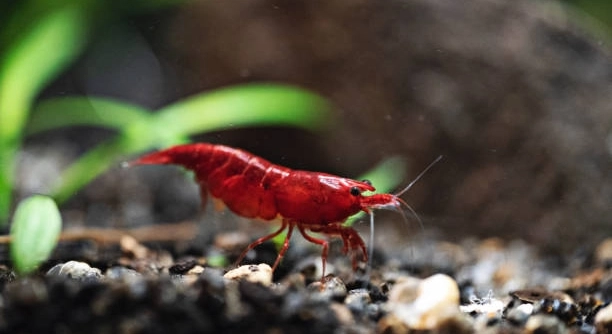
Do cherry shrimp are small, colorful freshwater creatures often kept in home aquariums for their beauty and algae-eating habits. Observing their movement and behavior can reveal patterns that hint at learning and environmental adaptation over time.
Cherry shrimp exhibit the ability to learn safe routes within their environment through repeated exposure and experience. Over time, they adjust their movements to avoid hazards, demonstrating basic spatial memory and environmental awareness in controlled aquatic settings.
Knowing how shrimp navigate their surroundings can improve tank design and care. Understanding these behaviors ensures a safer and more enriching habitat for them.
How Cherry Shrimp Explore Their Environment
Cherry shrimp spend a lot of time moving around plants, rocks, and substrate in their tanks. Their exploration is often cautious at first, as they test the safety of different areas. Over time, repeated movement helps them recognize obstacles and potential hiding spots. These small creatures rely on tactile and chemical cues to navigate, brushing against surfaces and detecting changes in water chemistry. Their behavior can be influenced by tank layout, lighting, and presence of other shrimp or fish. Observing them over several days shows patterns: certain paths are preferred while others are avoided. This indicates a level of learning that helps them survive in confined spaces. Shrimp that are well-fed and stress-free tend to explore more confidently. By watching how they interact with their environment, we can make adjustments to improve both their safety and comfort, ensuring they thrive and display natural behaviors consistently in the aquarium.
Shrimp gradually remember routes that are safe, avoiding areas with strong currents or exposed spaces. Repetition strengthens their ability to move efficiently.
Tank design plays a key role in shaping shrimp behavior. Adding plants, rocks, and tunnels encourages natural exploration and hiding. Shrimp use these structures to navigate safely, reducing stress and potential injuries. A thoughtfully arranged tank provides both safety and stimulation, which supports their learning over time.
Signs That Shrimp Have Learned Safe Routes
Shrimp often follow the same paths repeatedly, showing familiarity with their surroundings. Their movements become smoother, and hesitation near obstacles decreases.
Repeated observation can reveal clear patterns in how shrimp move. They avoid areas that previously caused stress, such as open spaces or regions with strong water flow. Over weeks, this learned behavior becomes consistent, and new shrimp in the tank often take longer to adjust. Experienced shrimp may even guide others indirectly by altering algae or detritus along their paths, subtly shaping the environment. By providing consistent conditions and minimizing sudden changes, shrimp can retain these learned routes longer. Watching these behaviors can be satisfying, as it reflects their capacity for memory and adaptation, proving that even tiny invertebrates can adjust intelligently to their surroundings. Understanding these patterns helps caretakers make informed decisions about tank layout, feeding, and enrichment, promoting the overall health and well-being of the shrimp population.
Factors Affecting Learning in Cherry Shrimp
Water conditions greatly influence how shrimp explore and remember routes. Stable temperature, pH, and minimal chemicals allow them to focus on movement rather than survival. Stressful conditions can slow learning and make them hide more often.
Shrimp rely on sensory cues to navigate. Sight, touch, and chemical signals help them identify safe paths. When water is clear and plants provide cover, shrimp move confidently and establish preferred routes. In contrast, poor water quality or sudden changes in lighting can disrupt these patterns. Social dynamics also play a role, as crowded tanks may limit movement and reduce opportunities for learning. Observing shrimp over time shows how environment consistency and sensory input directly impact their spatial memory and route efficiency.
Food placement and feeding routines also affect their navigation skills. Shrimp remember where food is regularly available and incorporate these spots into safe paths. A predictable schedule reinforces both movement patterns and confidence, helping them avoid unsafe areas. Tank design that encourages exploration, combined with routine feeding, strengthens their learned behaviors and supports overall well-being.
Enhancing Safe Route Learning
Providing structures like plants, rocks, and tunnels encourages shrimp to explore safely while practicing navigation. Variety in layout offers both stimulation and security.
Consistent environmental conditions combined with thoughtfully placed obstacles allow shrimp to establish reliable routes. Shrimp explore, avoid danger zones, and remember effective paths over time. Gradually, their movements become smoother, and hesitation decreases. Regular observation can help identify stress points and adjust layout accordingly. Encouraging natural behaviors through safe exploration ensures shrimp are more confident, active, and healthier, supporting their overall growth and longevity within the tank environment.
Observing Shrimp Behavior
Shrimp movements can reveal learning over time. Repeatedly using the same paths shows they recognize safe areas and avoid potential risks.
Hiding spots and feeding locations influence route choices. Shrimp tend to memorize areas that offer protection and regular food sources, improving their confidence and efficiency when moving around the tank.
Impact of Tank Size
Larger tanks give shrimp more space to explore, increasing opportunities for learning. Paths develop gradually as they interact with multiple structures and environmental cues. Consistent conditions allow shrimp to establish routines, which strengthens memory and reduces stress, leading to more predictable and safer movement patterns over time.
Social Influences
The presence of other shrimp affects route learning. Crowded conditions may slow exploration, while a few companions can encourage movement and mimicry, helping shrimp adapt faster to their environment.
FAQ
Do cherry shrimp really remember safe routes?
Yes, cherry shrimp show signs of remembering safe routes through repeated exposure to their environment. They tend to use the same paths over time, avoiding areas that previously caused stress or danger. This indicates a basic level of spatial memory and environmental learning, even though it is not as advanced as in larger animals. Observing consistent patterns in movement is the clearest sign that shrimp are retaining information about their tank layout.
How long does it take for shrimp to learn a route?
The time varies depending on the individual shrimp, tank size, and complexity of the environment. Generally, within several days to a week, shrimp start showing preferences for certain paths. Factors such as stress, water quality, and presence of other tank inhabitants can slow or speed up the learning process. Shrimp exposed to stable conditions and consistent feeding routines tend to establish safe routes faster, while sudden changes in environment may reset their behavior.
Can tank design affect their learning?
Absolutely. A tank with plants, rocks, and tunnels encourages natural exploration. These structures act as landmarks and safe spots, allowing shrimp to navigate confidently. Open or bare tanks may slow learning because shrimp feel exposed and hesitant. By creating a mix of hiding spaces and open areas, caretakers can promote safe route development and help shrimp practice consistent movement patterns.
Does group size influence route learning?
Yes, the number of shrimp in a tank can affect how quickly they learn paths. In smaller groups, shrimp explore more freely and can establish routines faster. In crowded tanks, movement may be restricted, and some shrimp might be forced to avoid others rather than develop efficient routes. Observing interactions can help identify whether the social dynamic is helping or hindering learning.
Do feeding habits help them remember paths?
Consistent feeding locations reinforce route learning. Shrimp quickly memorize where food is placed and include those spots in their safe paths. A predictable feeding schedule strengthens their movement habits and encourages confident exploration. Irregular feeding can slow this learning, as shrimp may wander more cautiously or fail to associate specific routes with positive outcomes.
How does water quality impact learning?
Stable water conditions are essential. Sudden fluctuations in temperature, pH, or ammonia levels increase stress, reducing exploration and memory formation. Shrimp in clean, stable water exhibit faster and more confident learning of safe routes. Regular monitoring ensures the environment supports both health and behavioral adaptation.
Can new shrimp adapt to established routes?
Newly introduced shrimp take time to adjust. They often observe and mimic experienced tankmates before confidently establishing their own paths. Gradual introduction and minimal disruption to the environment help them integrate without stress. Consistent landmarks and hiding spots also make the adjustment smoother.
Do predators or tank mates affect route memory?
Yes, aggressive tank mates or predatory fish can disrupt learned routes. Shrimp may avoid previously safe paths or spend more time hiding. Maintaining a calm environment without threats allows shrimp to explore confidently and retain learned routes over time.
Are there signs that shrimp are struggling with navigation?
Hesitation, repeated backtracking, and prolonged hiding are common signs. These behaviors indicate stress or confusion, often due to environmental changes, poor water quality, or overcrowding. Adjusting the tank layout and ensuring stable conditions can help shrimp regain confidence and resume learning safe paths.
Can route learning improve shrimp health?
Yes, confident navigation reduces stress, increases feeding efficiency, and encourages natural behaviors. Providing a stimulating yet safe environment supports both mental and physical well-being, allowing shrimp to thrive and display predictable, learned patterns over time.
Do shrimp ever forget routes?
Routes can fade if the environment changes drastically or if shrimp experience prolonged stress. Consistency in tank layout, water conditions, and feeding routines helps reinforce memory, while frequent disruptions may require shrimp to relearn paths slowly.
Is route learning unique to cherry shrimp?
No, other shrimp species and small invertebrates also show basic spatial memory. However, cherry shrimp are widely observed in home aquariums, making their behavior easier to study and recognize in a controlled environment. Their learning patterns are subtle but noticeable over time.
Cherry shrimp are small, delicate creatures that can teach us a lot about animal behavior. Observing them navigate their tanks reveals that they are capable of learning and remembering safe routes over time. They rely on repeated exposure, environmental cues, and routine to identify paths that allow them to move confidently and avoid danger. Even though their memory is basic compared to larger animals, consistent behavior shows that they can adapt to their surroundings. Their ability to recognize safe routes highlights how important tank conditions and layout are in supporting their natural behaviors. By providing stable environments with appropriate hiding spots, plants, and tunnels, shrimp are more likely to explore without unnecessary stress. Watching these patterns emerge can be satisfying, as it reflects their growing comfort and familiarity within the tank.
The way cherry shrimp learn safe paths is influenced by several factors. Water quality, tank size, and social dynamics all play significant roles in shaping their behavior. Clear, stable water allows them to focus on exploring rather than coping with stress. Larger tanks give them space to test different routes and establish patterns, while crowded conditions can slow exploration. Even feeding habits contribute to their learning, as shrimp remember where food is regularly placed and integrate those areas into their preferred paths. Over time, repeated exposure to consistent conditions strengthens their spatial memory, helping them avoid risky areas and move more efficiently. By understanding these factors, caretakers can make practical adjustments that improve both shrimp safety and their overall well-being.
Supporting shrimp in learning safe routes also benefits their health and activity levels. Confident shrimp move more freely, engage with their environment, and access food more efficiently. Safe navigation reduces stress, which is key for maintaining immunity and preventing disease. Regular observation allows caretakers to notice any changes in behavior that may signal environmental problems or stress, enabling timely adjustments. Creating a tank that balances stimulation with security encourages natural behaviors and promotes consistent learning. By paying attention to these details, it is possible to foster an environment where shrimp thrive, demonstrating both intelligence and adaptability. Over time, the patterns they establish highlight the subtle but meaningful ways small invertebrates interact with and respond to their surroundings.

Hello,
If you enjoy the content that we create, please consider saying a "Thank You!" by leaving a tip.
Every little bit helps us continue crafting quality advice that supports the health, happiness, and well-being of pets around the world, for pets of all shapes, sizes, and species.
We really appreciate the kindness and support that you show us!