
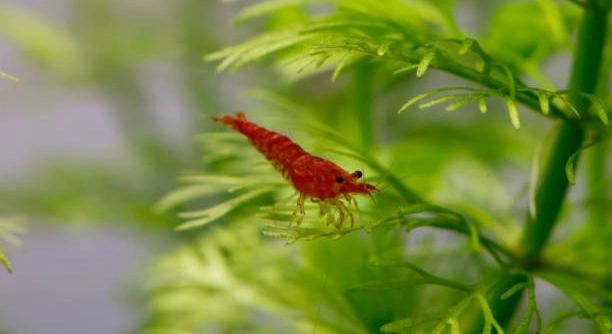
Have you ever watched your cherry shrimp skitter around the tank and wondered what makes each one seem a little different in its own gentle way? Their tiny movements can feel surprisingly expressive when you observe them closely every day. These small moments often make shrimp keeping feel warm and personal.
Cherry shrimp display simple yet distinct behavioral patterns shaped by genetics, environment, and social interactions. While not comparable to complex animal personalities, they do show consistent behaviors that can resemble individuality within their aquatic habitat.
Small details in their daily routines can reveal more than expected about how they react to their surroundings, encouraging you to explore the subtle traits that set each shrimp apart.
Understanding Cherry Shrimp Behavior
Cherry shrimp behavior becomes clearer when you watch them move through the tank with steady patterns that seem calm and consistent. Some shrimp linger near the plants, taking slow steps while exploring small spaces in a relaxed way that feels familiar over time. Others stay active in open areas, grazing across surfaces with calm focus that rarely shifts during the day. You may notice certain shrimp rushing toward food as soon as it appears, while others wait before moving closer in slow, cautious movements. Some react strongly to changes in light or movement outside the tank, while others remain steady and unaffected. These differences show how each shrimp responds in its own way to daily tank changes, creating a simple sense of individuality that grows clearer as you continue observing them. With each passing day, their unique habits become easier to recognize and appreciate as part of the tank’s rhythm.
These small patterns help you understand how cherry shrimp behave under normal conditions, giving you a clearer view of what is typical for them. Once you notice these steady habits, it becomes easier to support their needs and maintain a comfortable and stable tank environment through part of their day.
As you track these behaviors over time, you start to notice how stable environments support their comfort and activity levels. Light changes, food availability, and tank layout all influence how they move and interact with nearby shrimp. Clean water and steady temperatures help them remain active without showing signs of stress. A well-planted tank gives them places to explore and hide, encouraging natural behavior that becomes easier to observe. By keeping their surroundings predictable, you allow their habits to appear more clearly, making it simpler to understand what helps them stay content in daily routines within their calm aquatic space.
Factors That Shape Shrimp Temperaments
Cherry shrimp behavior is shaped by several conditions that influence how confident or cautious they appear during normal activity. Food quality, tank size, water balance, and hiding spaces all affect how they respond to movement, feeding times, and changes around them throughout the day in slow and steady their ways.
Several factors influence how cherry shrimp develop consistent behavior patterns that resemble simple temperaments. Water quality plays the largest role, since stable parameters allow them to remain active without showing signs of stress or hesitation. Clean, oxygen rich water encourages steady grazing, while sudden shifts in temperature or chemistry can cause them to hide or become less active. Tank structure also affects their comfort, since plants, moss, and small shelters create safe spaces they rely on throughout the day. A tank with open areas and shaded pockets allows each shrimp to choose where it feels most secure, revealing habits that become easier to recognize over time. Food availability shapes activity levels as well, since frequent small feedings support natural grazing behavior instead of frantic searching. Lighting also plays a part, since soft and consistent light keeps them moving naturally without causing unnecessary hiding. When all these conditions stay steady, the shrimp display predictable habits that help you understand their needs and reactions more clearly. You may notice calmer behavior when the tank remains undisturbed for long periods, allowing them to settle into steady patterns. Consistent routines make their actions easier to follow and support an environment that highlights their movements.
How Environment Influences Their Reactions
Stable surroundings help cherry shrimp maintain calm behavior throughout the day, making it easier to notice their natural habits. When the tank stays predictable, they move with steady confidence, graze without hesitation, and interact with the space in ways that feel gentle and familiar.
A peaceful environment supports their comfort by reducing unnecessary stress. Soft lighting encourages smooth movement, while steady temperatures prevent sudden shifts in activity. Plenty of plants and hiding spots give them areas to retreat when startled, allowing them to return to grazing once they feel secure. Clean water helps them stay active without signs of discomfort. When these elements remain consistent, their daily behavior becomes easier to observe, showing simple patterns that repeat over time and make each shrimp’s preferences clearer.
Over time, these environmental influences shape how each shrimp behaves in your tank. Some shrimp begin to favor sheltered corners and shaded spaces, moving slowly and choosing quiet paths. Others prefer open surfaces, where they graze more boldly and react quickly to food. Small changes, like adding new plants or rearranging decorations, can briefly alter their routines until they adjust. Even though their reactions stay simple, these differences create soft traces of individuality that become familiar as you continue watching them settle into the environment.
Subtle Traits That Make Each Shrimp Stand Out
Small behaviors, like how quickly they approach food or how often they explore open spaces, can make some shrimp feel more noticeable than others. These gentle differences appear naturally during their daily routines, giving you small glimpses of what feels like simple, individual traits within the group.
These subtle traits form gradually as the shrimp grow comfortable in their surroundings. Some move with steady confidence, approaching new items in the tank without hesitation. Others remain more cautious, taking their time before stepping out of hiding. Feeding time often highlights these contrasts, with bold shrimp reaching the food first while quieter ones wait for the area to settle. Even during normal grazing, certain shrimp patrol wide areas while others stay close to their preferred spots. These patterns stay simple yet consistent, allowing you to recognize them easily. Over time, these gentle distinctions make the tank feel more alive, helping you connect with the small behaviors that define each shrimp’s presence.
How Social Interactions Influence Their Habits
Cherry shrimp often adjust their behavior based on how many others share the tank. Larger groups encourage steady activity, while smaller groups may lead to more cautious movements. Their interactions stay simple, but the presence of others helps shape how comfortable they appear throughout the day.
You may notice certain shrimp follow others while grazing, forming small clusters that move together across surfaces. Others prefer keeping space between themselves and the group. These gentle shifts in movement show how social surroundings influence their comfort, shaping patterns that feel natural within the tank.
Recognizing Stress-Based Behaviors
Stress can appear through sudden hiding, reduced grazing, or quick retreats after small disturbances. Poor water conditions, strong lighting, or loud vibrations can influence these reactions. When stress continues, shrimp may stay hidden for long periods, making it harder to identify their usual behavior patterns throughout the day.
How Lighting Shapes Activity Levels
Soft and steady lighting helps them stay relaxed, encouraging smooth movement across the tank. Strong or flickering light can make them hide more often, reducing their normal grazing and exploration. Consistent lighting keeps their movements predictable and supports their calm daily routines.
Do cherry shrimp recognize their owners?
Cherry shrimp do not recognize people in the way larger pets might, but they can become familiar with repeated movements near the tank. They often react to consistent feeding routines or regular activity around the aquarium. Over time, some shrimp may approach the front glass when food is introduced, showing a pattern of anticipation rather than true recognition.
Can cherry shrimp show bold or shy tendencies?
Yes, individual shrimp often display tendencies that appear bold or shy. Bold shrimp move confidently across open surfaces, exploring freely and approaching food quickly. Shy shrimp prefer hiding spots, creeping along plants or decorations before venturing out. These tendencies remain subtle, yet noticeable when observing daily behavior patterns.
How do they react to changes in the tank?
Cherry shrimp respond to sudden changes such as rearranged decorations, new plants, or water parameter shifts by adjusting movement and hiding more often. Some may temporarily stop grazing, while others cautiously explore the altered space. Repeated stability allows them to return to consistent daily routines, showing the importance of a predictable environment.
Do cherry shrimp have favorite spots in the tank?
Many shrimp show preferences for certain areas. Some linger in shaded corners or under plants, while others patrol open surfaces or stay near filtration flow. These preferences are shaped by comfort, safety, and access to food. Observing their preferred zones can help you understand individual behavior patterns more clearly.
Can they interact with each other?
Yes, cherry shrimp display simple social behaviors. They often graze near one another and follow or avoid specific shrimp based on size or activity. These interactions are subtle and do not involve complex social hierarchies, but they help maintain a calm and balanced tank environment.
Do cherry shrimp have moods?
While not true moods like mammals, shrimp may appear more active or withdrawn depending on environment and health. Factors like clean water, temperature stability, and adequate food influence their activity levels. Observing changes in movement can indicate stress, comfort, or adjustments to new conditions rather than emotional states.
How long does it take to notice individual traits?
Individual traits usually become apparent after consistent observation over several weeks. Boldness, cautiousness, feeding patterns, and favorite areas are noticeable when shrimp experience stable conditions. Daily attention allows you to identify small differences, revealing gentle variations that feel like personality traits over time.
Can lighting and temperature affect their behavior?
Yes, lighting and temperature directly influence shrimp activity. Bright or fluctuating light can trigger hiding, while soft, steady light encourages smooth grazing. Sudden temperature changes may reduce movement or cause brief hiding. Stable conditions allow shrimp to display predictable patterns and subtle traits consistently.
Do they respond to food differently?
Cherry shrimp may show individual preferences and strategies during feeding. Some swim quickly to grab flakes or pellets, while others approach slowly, grazing around already consumed areas. Over time, these small differences become part of observing their gentle habits and help you understand each shrimp’s approach to feeding.
Are certain shrimp more active at specific times?
Activity levels often vary based on light cycles and tank conditions. Many shrimp are more active during moderate lighting periods and less active during bright or sudden light. Some develop consistent grazing schedules, creating patterns that feel like personal habits. Observing these routines helps identify subtle differences between individuals.
How can I encourage natural behavior?
Maintaining stable water parameters, consistent feeding schedules, and gentle lighting encourages natural activity. Providing plants, moss, and small hiding spots allows shrimp to explore safely. Predictable conditions support confident grazing and subtle social behaviors, revealing gentle variations in each shrimp’s routine that feel like personality traits.
Cherry shrimp are small, delicate creatures whose behaviors can seem surprisingly varied when observed closely over time. Each shrimp moves, grazes, and interacts in ways that reflect subtle differences, shaped by the environment, tank conditions, and social dynamics. While they do not have personalities in the same way mammals or birds do, their daily habits often appear consistent enough to suggest gentle, individual traits. Observing how one shrimp approaches food compared to another, or how some linger in sheltered areas while others explore open spaces, can provide a sense of individuality that makes keeping them rewarding. Their calm, measured movements and steady grazing patterns make them interesting to watch, especially in a well-maintained tank. Over time, you begin to recognize these patterns, and they become part of the routine that makes shrimp keeping feel engaging and personally satisfying.
A major factor influencing shrimp behavior is the stability of their environment. Water parameters, lighting, and tank setup all play significant roles in how comfortable they appear. Clean water and consistent temperature support steady activity, while sudden changes can trigger hiding or reduced movement. Plants, moss, and small shelters give them places to feel secure, allowing natural behavior to emerge. Even small differences in tank arrangement can change how a shrimp navigates its space, revealing gentle preferences that feel like character traits. Social dynamics also play a part, as shrimp respond to the presence of others by adjusting grazing patterns or movement. Observing these interactions closely allows you to understand how different shrimp respond to similar situations, highlighting the subtle ways their behavior varies.
Over time, paying attention to cherry shrimp behavior can become a quiet and satisfying practice. Noticing which shrimp move confidently, which prefer sheltered corners, and how they respond to feeding routines can create a sense of familiarity and routine that is both calming and rewarding. Their subtle differences provide a lens into how simple aquatic creatures interact with their surroundings and with each other. While they may not have complex emotions or personalities, the gentle variation in their behavior is enough to make each shrimp feel slightly unique. Maintaining a stable tank and observing these small details can enhance your experience as a caretaker, allowing you to appreciate the nuanced ways these tiny creatures navigate their environment. With patience and care, even small, simple habits become meaningful, showing that cherry shrimp, though tiny, can offer an unexpectedly engaging glimpse into the quiet life of an aquarium.

Hello,
If you enjoy the content that we create, please consider saying a "Thank You!" by leaving a tip.
Every little bit helps us continue crafting quality advice that supports the health, happiness, and well-being of pets around the world, for pets of all shapes, sizes, and species.
We really appreciate the kindness and support that you show us!