
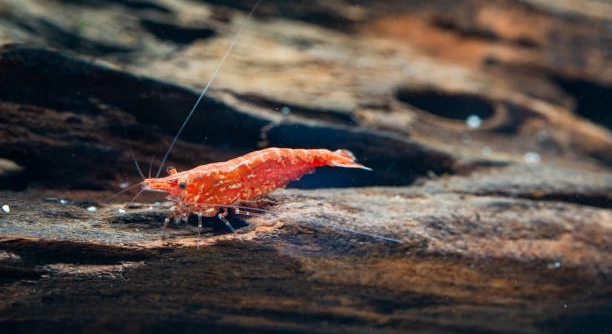
Have you ever noticed your cherry shrimp moving slower than usual or hiding more than normal in your tank? These small, colorful creatures are sensitive to changes in their environment, and temperature plays a crucial role in their well-being.
Cherry shrimp that are too cold will display sluggish movements, reduced feeding activity, and pale coloration. Low temperatures slow their metabolism, increase stress, and can eventually lead to illness or mortality if not corrected promptly.
Recognizing these early signs can help protect your shrimp from long-term harm and keep your aquarium thriving.
Slow or Minimal Movement
When cherry shrimp are too cold, one of the first things you may notice is that they move much slower than usual. They may linger in one spot for long periods, barely exploring their tank or interacting with decorations and plants. Cold temperatures slow their metabolism, making even simple activities like climbing rocks or plants seem laborious. Feeding time can also reveal this issue, as shrimp may hesitate to come out or ignore food entirely. Over time, prolonged low temperatures can weaken their immune system, leaving them more vulnerable to disease and stress. In addition, younger or newly molted shrimp are especially sensitive, often becoming lethargic and hiding more frequently. Regular observation of their daily patterns can help you spot this issue early. Monitoring water temperature and adjusting heaters or tank placement can prevent prolonged cold exposure, keeping your shrimp active, healthy, and showing their natural bright coloration. Proper acclimation after any temperature change is essential.
Cold water slows shrimp activity and can reduce overall health and growth over time.
Keeping shrimp active requires stable, warm water conditions. Observing daily movement patterns can help prevent stress and illness caused by low temperatures.
Pale or Faded Coloration
When shrimp are exposed to temperatures that are too low, their vibrant red hues may begin to fade. Pale coloration is a common sign of stress caused by cold water, as their metabolism slows and pigment production decreases. A shrimp that normally displays deep, bright red will appear washed out or almost transparent in extreme cases. This change can happen gradually, making it easy to overlook at first. Other signs often accompany pale coloration, including less frequent feeding and increased hiding. Stress from low temperatures can also reduce molting frequency, further affecting overall health and growth. If multiple shrimp show faded colors at the same time, it often points to an environmental factor rather than individual illness. Correcting the tank temperature slowly and maintaining consistent warmth can restore their natural colors. Healthy shrimp regain vibrancy within a few days once water temperature stabilizes in the recommended range for cherry shrimp.
Watching their color carefully can give you a clear indication of tank conditions.
Maintaining proper temperature ensures that shrimp retain their natural red coloration. Pale shrimp are more prone to illness, and prolonged exposure to cold slows metabolism, reduces activity, and can delay molting cycles. By monitoring both color and behavior, you can intervene early, gradually increasing water temperature to safe levels without shocking the shrimp. Small adjustments over time help restore their metabolism and encourage normal feeding patterns. Providing a well-planted tank with hiding spots can reduce stress during temperature recovery. Consistent water conditions, along with occasional observation of individual shrimp, will prevent recurring fading and keep the colony visually appealing and healthy.
Hiding More Than Usual
Cold temperatures often make cherry shrimp retreat into hiding spots for longer periods. They may cling to plants, decorations, or substrate, avoiding open areas of the tank. This behavior reduces exposure to stress and conserves energy in low-temperature conditions, signaling discomfort and slowed metabolism.
Shrimp that hide frequently tend to feed less, which can affect growth and overall health. Extended hiding periods are a clear behavioral indicator that water temperature is too low. Observing patterns over several days helps distinguish normal shy behavior from temperature-induced stress. Providing gentle heat adjustments and stable conditions encourages them to explore again.
Excessive hiding also impacts social interactions within the tank. Shrimp that normally graze together may become isolated, reducing mating and molting behaviors. Correcting temperature slowly allows them to regain confidence, increasing activity levels. Maintaining a safe, consistent environment with sufficient plants or shelters supports their recovery and ensures they remain healthy and visually active.
Clamped or Folded Appendages
Shrimp exposed to cold water often clamp their legs or fold antennae tightly against their bodies. This reaction minimizes energy use and protects sensitive appendages from temperature stress, showing immediate physiological response to low heat.
Clamped appendages limit swimming efficiency and feeding behavior. Shrimp with folded antennae struggle to sense food or detect environmental changes, increasing vulnerability to illness. Observing this behavior alongside slower movement or hiding can confirm cold stress. Gradually raising water temperature helps relax limbs and restore normal activity, allowing shrimp to interact more naturally with their surroundings and resume normal grazing.
This response also affects molting cycles. Shrimp under prolonged cold stress may molt irregularly, causing delays in growth and vulnerability to shell issues. Ensuring consistent warmth and monitoring water parameters closely supports recovery. Slowly acclimating the tank to a stable, appropriate temperature allows shrimp to regain proper limb function, normal feeding behavior, and social interaction. Providing sufficient hiding spaces during this transition reduces stress and encourages healthy, regular activity, preventing long-term health complications from extended cold exposure.
Reduced Feeding
Cold water slows cherry shrimp metabolism, causing them to eat less than usual. They may ignore their regular food or only nibble at algae and biofilm, which can lead to nutrient deficiencies over time if the temperature isn’t corrected.
Observing a drop in feeding activity alongside other signs like hiding or pale color often points to low water temperatures. Gradually raising the tank temperature helps restore normal appetite and ensures shrimp receive proper nutrition for growth and molting.
Curling or Shrinking Body
Shrimp exposed to cold often curl their bodies tightly or appear smaller. This is a defensive response to conserve energy and minimize exposure to stress, especially when temperatures drop suddenly or remain low for extended periods.
Reduced Molting
Low temperatures can delay or disrupt the molting cycle in cherry shrimp. They may molt less frequently or show incomplete shedding, which can impact growth and overall health if not addressed promptly.
How cold is too cold for cherry shrimp?
Cherry shrimp thrive in temperatures between 68°F and 78°F (20°C–25.5°C). Water consistently below this range slows metabolism and causes stress. Prolonged exposure to temperatures under 65°F (18°C) can lead to serious health issues, including lethargy, pale coloration, and delayed molting. Maintaining stable conditions with a reliable heater helps prevent these problems.
What are the first signs my shrimp are too cold?
Early signs include slower movement, reduced feeding, and hiding more than usual. They may cling to decorations or plants, staying in one spot for long periods. Small changes in behavior often indicate temperature stress before more serious health issues develop.
Why do shrimp change color when it’s cold?
Low temperatures affect metabolism and pigment production. Red or vibrant shrimp may fade to pale or translucent shades. This is a natural stress response, not necessarily illness, but prolonged exposure can weaken the immune system and make them more vulnerable to disease.
Can cold water affect shrimp molting?
Yes. Cold water slows the molting cycle, which can delay growth and increase the risk of incomplete molts. Shrimp may struggle to shed old exoskeletons properly, leaving them vulnerable. Maintaining appropriate tank temperature helps ensure regular, healthy molting.
How can I help shrimp recover from cold stress?
Gradually raise the water temperature to their ideal range. Sudden changes can shock shrimp. Providing hiding places during recovery reduces stress, and observing behavior and feeding patterns ensures they are returning to normal. Stable, consistent conditions are essential for full recovery.
Will all shrimp respond the same way to cold?
Not always. Younger shrimp, newly molted shrimp, and weaker individuals are more sensitive to low temperatures. Some shrimp may tolerate slight drops better, but consistent cold will eventually affect the entire colony. Monitoring all shrimp closely helps prevent losses.
Can temperature swings be more harmful than steady cold?
Yes. Fluctuating temperatures create stress, which can be more damaging than a slightly low but stable temperature. Sudden drops or spikes disrupt metabolism, feeding, and molting, so maintaining consistent warmth is critical for shrimp health.
Are there signs that cold has caused permanent damage?
Long-term cold exposure can lead to stunted growth, frequent molting issues, and reduced coloration. Shrimp that remain lethargic, continue hiding, or fail to feed even after temperature correction may have experienced lasting effects. Observing trends over time helps determine recovery success.
Is it safe to raise tank temperature quickly?
No. Sudden changes can shock shrimp, causing stress or even death. Gradual adjustments of 1–2°F per day allow shrimp to acclimate safely, restoring normal activity, feeding, and coloration without risking additional harm.
Do tank heaters prevent all cold-related problems?
Heaters help maintain consistent temperature but must be monitored. Malfunctions or incorrect placement can still result in cold spots. Regular checks and a reliable thermometer ensure that shrimp remain within their ideal temperature range.
How can I make shrimp more resilient to minor temperature drops?
A well-planted tank with hiding spots and stable water parameters reduces stress. Providing a balanced diet supports metabolism and immune function. While shrimp will never thrive in cold extremes, careful tank management helps them cope with occasional minor fluctuations more effectively.
Can water quality affect how shrimp respond to cold?
Absolutely. Poor water quality compounds the stress from low temperatures. Ammonia, nitrites, or pH fluctuations make shrimp more susceptible to illness. Maintaining clean, well-filtered water alongside proper temperature is essential for overall health and recovery from cold stress.
How quickly should I notice improvement after adjusting temperature?
Shrimp usually show signs of recovery within a few days. Increased movement, feeding, and more vibrant color indicate that metabolism is returning to normal. Full recovery may take a week or more depending on how long they were exposed to cold conditions.
Are some shrimp species more sensitive to cold than cherry shrimp?
Yes. While cherry shrimp are moderately hardy, species like crystal red or blue shrimp are more temperature-sensitive. Understanding the specific needs of your shrimp variety helps prevent stress and ensures proper care for each type in a mixed or single-species tank.
What daily checks help prevent cold stress?
Monitor water temperature with a reliable thermometer, observe shrimp behavior, and check feeding habits. Consistent observation helps catch early signs of cold stress before it becomes severe, allowing prompt corrective action.
Keeping cherry shrimp healthy depends heavily on maintaining the right water temperature. These small creatures are very sensitive to cold, and even slight drops below their preferred range can cause stress. When water is too cold, their metabolism slows, making them less active, reducing their appetite, and often causing them to hide for long periods. Over time, prolonged exposure to low temperatures can affect growth, coloration, and molting cycles. Watching your shrimp daily for changes in behavior or appearance is the best way to spot issues early. Small adjustments to tank conditions can prevent serious problems and keep the shrimp thriving.
Temperature control in the tank should be consistent. Sudden fluctuations, even if temporary, can be more harmful than a steady slightly low temperature. Using a reliable heater and thermometer helps maintain a stable environment, which is critical for shrimp health. When increasing water temperature, it should be done gradually to avoid shocking the shrimp. Gradual changes allow them to adjust their metabolism and return to normal activity. Providing hiding spots, plants, and decorations helps reduce stress during recovery from cold exposure. Keeping water clean and properly filtered supports overall health, as shrimp already stressed by low temperatures are more vulnerable to illness.
Observing shrimp behavior is just as important as monitoring temperature. Signs like sluggish movement, pale coloration, hiding, and reduced feeding are clear indicators of stress from cold water. Addressing these signs quickly by stabilizing tank conditions helps shrimp recover faster. Regular checks, careful adjustments, and consistent care create an environment where shrimp can stay active, colorful, and healthy. By focusing on proper temperature, water quality, and observation, you can prevent many of the issues caused by cold water and enjoy a thriving shrimp colony.

Hello,
If you enjoy the content that we create, please consider saying a "Thank You!" by leaving a tip.
Every little bit helps us continue crafting quality advice that supports the health, happiness, and well-being of pets around the world, for pets of all shapes, sizes, and species.
We really appreciate the kindness and support that you show us!