
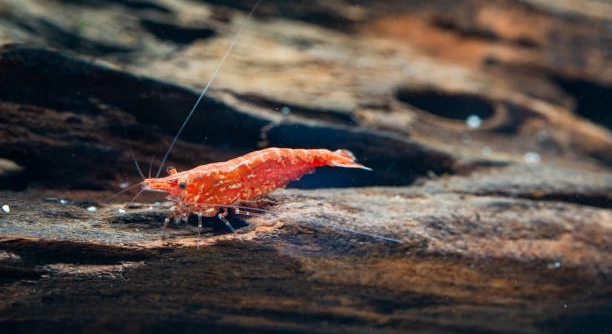
Cherry shrimp are small, colorful freshwater shrimp that many aquarium enthusiasts enjoy keeping. They are peaceful creatures, often seen grazing on algae and scavenging for leftover food, quietly moving around their tank without causing much disruption.
Cherry shrimp rarely compete for territory in a typical community tank. They generally exhibit non-aggressive behavior, focusing on feeding and hiding. Conflicts may arise only under overcrowded conditions or extreme stress, but such occurrences are uncommon in well-maintained environments.
Observing their natural behaviors can help you provide a comfortable and safe home for your shrimp. Learning about their interactions ensures they thrive peacefully in your aquarium.
Understanding Cherry Shrimp Behavior
Cherry shrimp are naturally peaceful creatures that spend most of their time grazing on algae, biofilm, and leftover food in the tank. They often hide among plants, rocks, and decorations, using these spaces to feel secure. Even when multiple shrimp share a tank, their interactions are usually calm, with little to no aggressive behavior. Observing them closely, you may notice subtle social dynamics, like following each other or briefly competing for the best feeding spot, but these moments are short-lived. Most conflicts only occur in overcrowded tanks or when resources are limited. A well-planted aquarium with plenty of hiding spots can reduce stress and keep them active and healthy. Lighting, water quality, and temperature also influence behavior, making it easier for shrimp to thrive without unnecessary tension. Providing proper nutrition and regular tank maintenance helps maintain harmony among your shrimp, ensuring their peaceful interactions continue day after day.
Their calm nature makes them easy to watch and care for in a community tank.
Even though they are peaceful, cherry shrimp can display minor competition for food or space. It is usually brief and rarely leads to injury. Males may chase each other during mating, and sometimes individuals may assert themselves near prime hiding spots. These behaviors are natural and generally harmless. By observing these subtle interactions, you can better understand your shrimp’s needs and adjust tank conditions accordingly. Adding more plants and decorations creates multiple territories, reducing stress. Feeding in different locations can also minimize competition. Over time, you will notice that shrimp adapt to each other’s presence, forming a balanced environment where everyone has access to resources. The key is to keep the tank clean, avoid overstocking, and provide enough food and hiding spaces. With careful observation and a few adjustments, your cherry shrimp can live in a peaceful, well-organized tank that encourages natural behavior while minimizing disputes and stress.
Tank Setup and Space Considerations
Providing enough space and hiding areas prevents territorial disputes.
Cherry shrimp need an environment that allows them to move freely while feeling secure. Plants, moss, and small decorations give them places to hide, molt safely, and graze on biofilm. Overstocked tanks increase stress and minor conflicts, so maintaining appropriate numbers is essential. Open swimming areas combined with dense plant clusters create a balanced habitat that reduces the chance of competition. Regular water changes and stable water parameters support their health and natural behavior. Shrimp feel safer when they can escape potential stressors, so multiple hiding spots are crucial. Observing how shrimp interact in this space helps you identify if adjustments are needed. By designing a tank with both open areas and dense cover, you allow cherry shrimp to coexist peacefully, minimizing tension over territory. Consistent care, feeding, and monitoring of the tank environment ensure their comfort, encouraging a calm and active shrimp community over time.
Feeding and Resource Sharing
Cherry shrimp generally share food without conflict. They graze slowly and allow multiple shrimp to feed at the same time, reducing the chance of disputes.
Feeding should be spread across the tank to ensure all shrimp have access. Concentrating food in one spot can lead to brief chasing, but this rarely results in harm. Offering a mix of algae wafers, blanched vegetables, and biofilm supports their dietary needs while keeping them active. Observing feeding behavior helps you notice if any shrimp are struggling to access food, so adjustments can be made. Over time, shrimp learn the feeding patterns and naturally spread out, preventing competition from becoming an issue.
Some shrimp may reach food first and nibble quickly, but slower individuals still get their share. Rotating feeding spots and providing multiple portions helps maintain peace. Minor pushing or brushing against each other is normal and doesn’t indicate serious conflict. These small behaviors are part of their natural interaction and don’t require intervention.
Social Interactions and Mating Behavior
Males may chase females during mating, which can look like competition but is natural.
During mating periods, males follow females and may compete briefly for attention. This chasing is short-lived and usually ends once the female molts or mates. Females may retreat to hiding spots, and males quickly lose interest if she is unavailable. Outside of mating, shrimp rarely show aggression, and interactions are mainly calm grazing or mild nudging. Providing ample plants and hiding places reduces stress during these periods. Observing shrimp during mating can be fascinating, as it reveals subtle social structures, but it doesn’t indicate long-term territorial disputes. Creating a balanced tank environment allows all shrimp to interact safely while supporting natural reproductive behavior.
Overcrowding and Stress
Overcrowding can lead to brief conflicts over space or food. Shrimp may push each other slightly, but serious aggression is rare.
Maintaining proper stocking levels and plenty of hiding spots helps reduce stress. Each shrimp needs space to graze, molt, and retreat safely without feeling threatened by others in the tank.
Hiding Spots and Shelter
Dense plants, moss, and decorations give shrimp places to hide. Shelters reduce stress and allow timid individuals to avoid minor confrontations. Providing multiple hiding areas ensures that all shrimp feel secure, which supports natural behaviors and minimizes tension during feeding, molting, or mating periods.
Water Quality and Behavior
Stable water conditions influence shrimp interactions. Poor water quality increases stress, making even peaceful shrimp more restless. Clean water, proper filtration, and regular monitoring keep shrimp calm, active, and less likely to display unnecessary pushing or chasing behaviors, supporting harmony in the tank.
Observing Natural Interactions
Watching shrimp interact helps identify normal behavior versus signs of stress. Minor nudging, grazing alongside each other, or brief chasing during feeding is natural. Consistent observation allows adjustments to feeding, tank layout, or population levels, ensuring a peaceful environment for all shrimp.
FAQ
Do cherry shrimp fight with each other?
Cherry shrimp are mostly peaceful and rarely fight. Minor pushing or nudging can happen during feeding or when competing for hiding spots, but these interactions are brief. Serious aggression is uncommon unless the tank is overcrowded or conditions are stressful.
Can male cherry shrimp hurt females?
Males may chase females during mating, which can look aggressive but is normal behavior. Females usually retreat to hiding spots and are not harmed. Providing plenty of plants and shelters ensures females can escape if needed, keeping interactions safe.
How can I prevent competition for food?
Distribute food across the tank instead of placing it all in one spot. This allows all shrimp to feed at the same time without rushing or chasing each other. Offering a mix of algae wafers, blanched vegetables, and biofilm helps meet dietary needs while reducing competition.
Do cherry shrimp need their own territory?
Cherry shrimp do not establish permanent territories. They roam freely while grazing or exploring. Hiding spots and plants give them temporary shelters, which helps them feel secure, but they rarely defend these spaces aggressively.
What causes stress among cherry shrimp?
Stress can arise from overcrowding, poor water quality, sudden changes in temperature, or limited hiding spots. Stress may lead to restlessness, molting problems, or brief conflicts. Maintaining a balanced tank environment reduces stress and keeps shrimp healthy and calm.
How important are hiding spots in the tank?
Hiding spots are essential for safety during molting and for timid shrimp. Plants, moss, and decorations provide cover and reduce competition, especially during feeding or mating periods. Multiple shelters allow shrimp to retreat and feel secure without being forced to interact aggressively.
Do cherry shrimp compete for mates?
Males may chase females to mate, and sometimes multiple males follow the same female. This is natural and short-lived. The female usually determines when mating occurs, and having enough space and plants ensures that males do not overcrowd or stress her.
What signs show shrimp are stressed from competition?
Signs include excessive hiding, constant movement without feeding, or aggressive nudging. If shrimp consistently avoid certain areas or each other, overcrowding or limited resources may be the cause. Adjusting tank layout or food distribution often resolves these issues.
Does tank size affect behavior?
Smaller tanks can increase minor conflicts simply because shrimp have less space to move and hide. Larger tanks with more hiding spots reduce stress and allow shrimp to graze peacefully. Proper tank size is crucial for maintaining harmony.
Can different shrimp species coexist without conflict?
Most peaceful species can coexist if the tank is spacious and well-planted. Aggressive or much larger species may intimidate cherry shrimp, leading to stress. Choosing compatible species and maintaining sufficient hiding spots ensures that interactions remain calm and natural.
How do I know if competition is serious?
Serious competition is rare. Look for constant chasing, physical injury, or shrimp avoiding food entirely. Most minor disputes are temporary. Adjusting food placement, tank density, or adding hiding spots usually resolves the issue without harming shrimp.
Is feeding schedule important for reducing conflict?
Yes. Consistent feeding times prevent shrimp from competing aggressively over unexpected food. Providing small portions multiple times a day, rather than one large feeding, allows all shrimp to eat comfortably without rushing or pushing.
Do shrimp establish pecking order?
Cherry shrimp do not have a strict pecking order like some fish. Small dominance behaviors, like brief nudges, can occur, especially during feeding or mating. These behaviors are minimal and do not affect overall harmony in a well-maintained tank.
Can water parameters influence aggression?
Yes. Unstable water conditions, such as fluctuating pH, ammonia spikes, or sudden temperature changes, can stress shrimp. Stressed shrimp may behave more competitively or push others away from preferred spots. Keeping water stable encourages calm behavior.
Are juvenile shrimp more likely to compete?
Young shrimp usually stay close to plants or hiding spots and do not compete aggressively. They feed alongside adults peacefully. Providing plenty of space and food ensures that juveniles grow without being stressed or chased.
Do shrimp compete over molting spots?
Molting shrimp are vulnerable, so they seek safe hiding places. Brief nudges may happen if space is limited, but serious competition is uncommon if multiple shelters are available. Ensuring adequate cover reduces any stress related to molting.
How can I encourage peaceful behavior in my tank?
Provide enough space, hiding spots, and food. Maintain stable water conditions and avoid overcrowding. Observing shrimp behavior allows for small adjustments to prevent tension. With proper care, cherry shrimp interact calmly and thrive in a stress-free environment.
What is normal chasing behavior?
Brief chasing during feeding or mating is normal. Shrimp usually disperse quickly and no injuries occur. Understanding this natural behavior helps distinguish harmless interactions from actual stress or competition problems.
Can environmental enrichment reduce competition?
Yes. Plants, moss, decorations, and multiple feeding areas give shrimp options for grazing, hiding, and exploring. A well-structured tank reduces minor conflicts and encourages natural behavior without stress.
Do cherry shrimp need a single dominant individual?
No. They live harmoniously without a dominant shrimp. Minor interactions may occur, but there is no hierarchy. Providing balanced resources ensures all shrimp coexist peacefully.
Cherry shrimp are gentle, small freshwater creatures that are mostly peaceful in aquariums. They spend their time grazing on algae, biofilm, and leftover food, moving quietly around their tank. While they may occasionally brush against each other or chase briefly during feeding or mating, these interactions are usually harmless. They do not establish strict territories or hierarchies, and aggression is very rare. Most minor disputes happen when the tank is overcrowded, resources are limited, or stress levels are high. Observing them closely helps you understand these subtle behaviors and ensures you provide an environment that supports their natural tendencies.
Providing enough space and hiding spots is key to keeping cherry shrimp calm. Dense plants, moss, and small decorations give them places to retreat while molting, feeding, or resting. These shelters also reduce stress during short chasing or nudging episodes, which are part of their normal interactions. Food distribution plays an important role as well. Offering multiple feeding spots across the tank prevents shrimp from crowding and reduces minor competition. A mix of algae wafers, blanched vegetables, and naturally occurring biofilm supports a balanced diet and encourages grazing in different areas. Over time, shrimp learn the feeding patterns and naturally spread out, keeping interactions peaceful.
Water quality and tank maintenance are equally important for maintaining harmony. Stable water parameters, regular cleaning, and proper filtration prevent stress, which can increase restlessness or minor conflicts. Monitoring their behavior allows you to spot any unusual signs, such as excessive hiding or avoidance, which could indicate stress or overcrowding. By combining proper tank setup, adequate food distribution, and consistent care, cherry shrimp can live in a calm, balanced environment. Their peaceful nature makes them enjoyable to observe, and creating the right conditions ensures that all shrimp thrive without unnecessary tension or competition. A well-maintained tank encourages healthy behavior, supports natural interactions, and allows you to appreciate the subtle charm of these small, colorful creatures.

Hello,
If you enjoy the content that we create, please consider saying a "Thank You!" by leaving a tip.
Every little bit helps us continue crafting quality advice that supports the health, happiness, and well-being of pets around the world, for pets of all shapes, sizes, and species.
We really appreciate the kindness and support that you show us!