
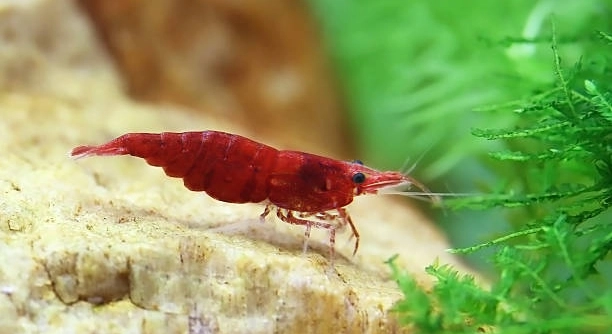
Healthy shrimp are small but fascinating creatures that can thrive when their environment is properly maintained. Observing their daily behavior offers insight into their overall wellness and can help prevent problems in home aquariums.
Healthy shrimp show active swimming, regular feeding habits, clear and unclouded exoskeletons, and vibrant coloration. They avoid lethargy, display normal social interactions, and respond to environmental changes promptly, indicating proper nutrition, clean water, and balanced habitat conditions.
Recognizing these subtle signs can improve shrimp care and help maintain a balanced, thriving aquarium environment for long-term health.
Active Swimming Patterns
Observing shrimp as they swim can tell you a lot about their health. Healthy shrimp move steadily across the tank, exploring surfaces and interacting with plants or decorations. Their movement is smooth, not jerky or erratic, and they often swim in short bursts rather than staying still for long periods. If shrimp hide constantly or appear sluggish, it may indicate stress, poor water quality, or illness. Maintaining a consistent temperature, stable pH, and proper filtration helps shrimp remain active. They often follow feeding times with more noticeable movement, showing their alertness and responsiveness. Active shrimp also demonstrate curiosity, moving toward new objects or slight changes in the tank. These behaviors signal that they are comfortable in their environment and receiving adequate nutrition. Observing these patterns daily helps identify potential problems before they become serious, ensuring shrimp can grow and molt properly.
Active swimming is a reliable sign of well-being and proper tank conditions.
Shrimp that swim actively show that their muscles and nervous systems are functioning normally. They are less likely to fall prey to disease or stress, and this behavior often reflects a well-maintained habitat.
Clear and Vibrant Exoskeleton
A clear and vibrant exoskeleton is a key indicator of shrimp health. Their shell should appear smooth, free of discoloration, and have a slight shine. Dull, opaque, or damaged shells may indicate stress, molting issues, or nutritional deficiencies. Shrimp rely on their exoskeleton for protection and mobility, so regular observation is essential. A healthy exoskeleton supports proper growth and allows shrimp to molt without complications. Molting itself is an important sign of health; healthy shrimp shed their old shells cleanly and quickly, often leaving behind a complete cast-off. Ensuring that water parameters remain stable, especially calcium levels, helps maintain shell strength. Diet also plays a role, as shrimp require minerals and proteins to build a strong exoskeleton. Frequent partial water changes and a balanced diet contribute to this visible sign of health.
The exoskeleton reveals much about shrimp well-being.
Monitoring shell clarity helps prevent long-term health issues. Regular checks and consistent care maintain strong shells, supporting proper development and reducing disease risks. A shrimp with a vibrant exoskeleton is more likely to thrive, molt on schedule, and display natural behaviors, reflecting overall habitat quality. Proper tank maintenance, along with nutrient-rich food, ensures that shrimp remain healthy and resilient. By paying attention to shell condition, caretakers can identify subtle issues early, prevent molting complications, and provide the environment needed for optimal growth. Healthy exoskeletons are a reliable measure of both physical health and environmental stability.
Regular Feeding Habits
Healthy shrimp feed consistently and show interest in available food. They approach feeding times with alertness, nibbling on algae, pellets, or vegetables, and rarely ignore meals.
Consistent feeding demonstrates proper appetite and overall well-being. Shrimp that eat regularly are receiving the nutrition needed for growth, molting, and energy. Sudden changes in appetite may indicate water quality issues, stress, or illness. Providing small, frequent meals helps maintain their health and prevents overfeeding. Observing feeding behavior allows you to gauge whether all shrimp are thriving and if the tank environment supports their natural routines. Shrimp that feed eagerly are likely comfortable in their surroundings and have stable social interactions.
Monitoring feeding habits helps identify individual health concerns early. Shrimp that consistently feed, interact, and explore show strong survival instincts. Inconsistent feeding may signal underlying problems like water contamination, temperature fluctuation, or disease. Keeping food portions appropriate and ensuring diverse nutrition supports their growth, strengthens exoskeletons, and improves molting success. Feeding patterns also reflect the balance of the tank, highlighting whether all inhabitants coexist without excessive competition. By watching how shrimp consume food, caretakers can maintain a healthy population and detect subtle changes that require attention.
Social and Interactive Behavior
Healthy shrimp interact calmly with tank mates and avoid aggressive or overly withdrawn behavior. They explore together, often grazing in groups, and share resources without constant conflict.
Social behavior reveals environmental comfort and proper tank conditions. Shrimp that ignore or harass each other may be stressed or housed in overcrowded conditions. Observing these interactions ensures that social structures remain stable, which is critical for molting and overall growth. Group grazing, synchronized swimming, or clustering near favored areas are positive signs of harmonious living. Providing hiding spaces and balanced nutrition supports these behaviors, preventing territorial disputes.
Shrimp that maintain steady social interactions also exhibit better survival rates and resilience. Stress from poor water quality or overcrowding can lead to isolation, lethargy, or even disease. Monitoring group dynamics allows caretakers to adjust tank conditions, redistribute resources, or separate overly aggressive individuals. Healthy social behavior encourages regular movement, feeding, and molting cycles, reflecting a stable habitat. Understanding how shrimp interact informs better care strategies, helps prevent conflict, and maintains a thriving population.
Responsive to Environmental Changes
Healthy shrimp react quickly to changes in their surroundings, such as lighting shifts, water flow, or new decorations. They may explore or adjust positions but do not panic or hide excessively.
This responsiveness shows that their nervous system and sensory organs are functioning well. Shrimp that ignore changes or appear overly stressed may be struggling with water quality, temperature, or illness.
Regular Molting
Molting is essential for shrimp growth. Healthy shrimp shed their old exoskeleton completely and at regular intervals. Incomplete or irregular molting often points to nutritional deficiencies or poor water conditions. Proper calcium, trace minerals, and stable tank parameters support smooth molts, ensuring their bodies remain strong and flexible.
Vibrant Coloration
Bright and consistent coloration is a clear indicator of shrimp health. Dull or faded colors can signal stress, disease, or improper nutrition.
FAQ
How often should I feed my shrimp?
Shrimp thrive on small, consistent meals. Feeding once or twice daily with tiny portions prevents overfeeding and maintains water quality. Leafy greens, algae wafers, and specialized shrimp pellets work well. Uneaten food should be removed to avoid decay that could harm the tank.
What water parameters are ideal for healthy shrimp?
Stable water conditions are crucial. Most freshwater shrimp prefer a pH between 6.5 and 7.5, temperature around 72–78°F (22–26°C), and low ammonia and nitrite levels. Regular water changes and proper filtration help maintain these conditions and support molting and growth.
Why are my shrimp hiding all the time?
Excessive hiding usually indicates stress or poor water quality. Check temperature, pH, and chemical levels, and ensure the tank isn’t overcrowded. Providing hiding spots is normal, but constant seclusion is a warning sign that something in their environment is off.
How can I tell if a shrimp is molting properly?
Healthy molting involves shedding the entire old exoskeleton cleanly. Watch for shrimp that hide for a short time before reappearing with a new, soft shell. Irregular, incomplete, or failed molts may indicate calcium deficiency or water parameter instability.
Why is my shrimp’s color fading?
Color fading can result from stress, poor diet, or environmental problems. Providing balanced nutrition, maintaining clean water, and reducing stressors like sudden light changes or aggressive tank mates helps restore vibrancy. Some natural color variation may occur with age or species differences.
Can shrimp live with other species?
Shrimp can coexist with peaceful fish and invertebrates, but aggressive or larger species may pose a threat. Always monitor interactions and ensure plenty of hiding places. Compatibility depends on size, temperament, and habitat setup.
How do I prevent disease in my shrimp tank?
Maintaining clean water, proper diet, and stable conditions is key. Quarantine new shrimp before introducing them, avoid overfeeding, and regularly check for signs of illness like lethargy, discoloration, or unusual swimming. Early intervention improves survival chances.
How often should I perform water changes?
Weekly or bi-weekly water changes of 10–25% help keep water parameters stable. Overdoing it can stress shrimp, while underdoing it can allow toxins to build up. Always match new water temperature and pH to the tank to prevent sudden shocks.
What is the best diet for vibrant, healthy shrimp?
A varied diet supports growth, color, and molting. Offer algae, biofilm, vegetables, and specialized shrimp food. Occasional protein supplements like brine shrimp or daphnia enhance coloration. Avoid overfeeding, as leftover food can degrade water quality.
How can I tell if my shrimp are stressed?
Signs of stress include hiding constantly, reduced feeding, faded color, or erratic swimming. Stress usually results from poor water conditions, overcrowding, or aggressive tank mates. Monitoring behavior and maintaining a balanced environment minimizes stress and promotes overall health.
What should I do if a shrimp dies suddenly?
Remove the deceased shrimp promptly to prevent water contamination. Check water parameters, diet, and tank conditions for issues. Sudden deaths often indicate water quality problems or disease, so immediate assessment and correction are essential to protect the remaining population.
How long do shrimp typically live?
Most freshwater shrimp live 1–2 years, depending on species, diet, and tank conditions. Proper care, stable water, and consistent nutrition can maximize lifespan, while stress, poor water quality, and disease shorten it significantly.
Can shrimp recognize each other?
Shrimp show social behavior and often cluster or interact in predictable ways. While not capable of individual recognition like mammals, they respond to the presence of other shrimp, which helps reduce conflict and maintain group cohesion.
How do I encourage breeding in shrimp?
Stable water, abundant food, and hiding spaces encourage natural breeding. Healthy adults with proper nutrition and minimal stress are more likely to reproduce. Separate tanks are sometimes used to protect juveniles and improve survival rates.
Are shrimp sensitive to light changes?
Shrimp respond to sudden light changes and may retreat briefly. Gradual lighting shifts or consistent light cycles reduce stress. Providing shaded areas and plants allows them to control exposure, supporting normal behavior and feeding patterns.
How do I safely introduce new shrimp to my tank?
Quarantine new shrimp for at least two weeks to prevent disease spread. Slowly acclimate them to the tank’s water parameters before release. Introduce them during low-stress periods to reduce aggression and ensure smooth integration with existing shrimp.
What minerals are essential for shrimp health?
Calcium is critical for proper exoskeleton development and molting. Magnesium and potassium also support overall health. A varied diet and mineral-rich water help maintain strong shells and prevent molting complications. Supplements may be used if deficiencies appear.
Can shrimp survive without live plants?
Shrimp benefit from live plants for grazing and hiding. While they can survive without plants, the lack of biofilm, shelter, and natural enrichment may affect behavior, health, and molting success. Artificial structures can substitute but do not provide the same nutritional benefits.
How do I prevent my shrimp from escaping?
Shrimp are curious and may climb or squeeze through gaps. Ensure lids or fine mesh covers are secure. Avoid overhanging decorations or equipment that allows easy access to open water. Regular checks reduce escape risks and keep shrimp safe.
Why is it important to observe shrimp daily?
Daily observation helps detect early signs of stress, illness, or environmental issues. Monitoring behavior, feeding, coloration, and molting ensures quick intervention if problems arise. Regular attention maintains health and promotes a thriving, balanced shrimp tank.
Observing shrimp closely is one of the most important aspects of keeping a healthy aquarium. These small creatures give clear signals about their well-being through behavior, appearance, and activity levels. Active swimming, regular feeding, and proper social interactions are signs that the environment is balanced and suitable. Maintaining stable water parameters, providing sufficient hiding spaces, and offering a varied diet all contribute to shrimp health. Watching how shrimp respond to these conditions over time allows caretakers to notice even subtle changes before they become serious problems. Small adjustments in feeding, lighting, or tank setup can have a significant impact on their overall wellness.
Exoskeleton health and coloration are also important markers to track. Shrimp with clear, vibrant shells and consistent color patterns are likely thriving in their habitat. Molting is another critical indicator, showing that the shrimp are growing and absorbing necessary nutrients. Irregular or incomplete molting can point to deficiencies in minerals or an unstable environment. Caretakers should focus on providing calcium and other trace minerals, while keeping water clean and stable. In addition, ensuring that shrimp are feeding regularly and interacting normally helps support molting and reduces stress. Healthy shrimp are usually visible and active in the tank, which makes it easier to maintain the right balance in the environment.
Understanding shrimp behavior and health signs allows for better long-term care. By paying attention to movement, feeding patterns, social behavior, and physical condition, it is possible to prevent many common issues. Stress, poor water quality, overcrowding, or improper diet can all impact shrimp, but early detection makes management much easier. Regular observation, consistent maintenance, and proper nutrition create a stable habitat where shrimp can grow, molt, and reproduce naturally. Keeping shrimp healthy requires patience and attention, but the effort pays off with vibrant, active shrimp and a balanced aquarium ecosystem. Small, daily observations make it easier to identify subtle changes, address problems promptly, and maintain an environment that supports the long-term health of every shrimp in the tank.

Hello,
If you enjoy the content that we create, please consider saying a "Thank You!" by leaving a tip.
Every little bit helps us continue crafting quality advice that supports the health, happiness, and well-being of pets around the world, for pets of all shapes, sizes, and species.
We really appreciate the kindness and support that you show us!