
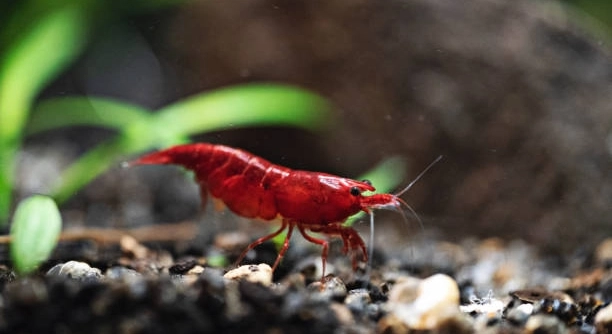
Many people enjoy keeping shrimp as pets and observing their daily routines. Their subtle movements and habits can reveal a lot about their comfort level in the tank and their overall wellbeing.
Shrimp that are comfortable in their environment display behaviors such as actively exploring, feeding regularly, molting safely, clustering near preferred hiding spots, swimming confidently, interacting gently with tank mates, and showing steady growth patterns. Monitoring these signs helps determine their adaptability.
Recognizing these behaviors can make shrimp care more rewarding and ensure their health in home aquariums. Paying attention to small details often leads to happier, thriving shrimp.
Active Exploration
Shrimp that feel comfortable in their tank often spend time moving around and investigating their surroundings. They climb plants, crawl over rocks, and swim through open spaces without hesitation. Watching them explore shows they are confident in their environment and not stressed by sudden changes. Active exploration also helps shrimp find food, exercise, and interact naturally with their habitat. Tanks that provide hiding spots, varied terrain, and clean water encourage this behavior. I’ve noticed that when my shrimp feel safe, they don’t hide for hours but instead slowly move across the tank, inspecting new objects or swimming in small loops. Observation is key because shy or stressed shrimp tend to stay still, often clinging to moss or decorations. Healthy exploration indicates that their water parameters, temperature, and tank mates are suitable.
Observing active movement, climbing, and swimming patterns in shrimp indicates they feel secure and are thriving in their environment. These behaviors are essential for proper growth and wellbeing.
Recognizing this behavior can help you make small changes to the tank setup, such as adding more hiding places or plants, which keeps shrimp engaged and reduces stress levels.
Regular Feeding Habits
Shrimp that feel at ease will feed consistently and confidently, often gathering near food without hesitation.
Consistent feeding behavior demonstrates comfort and stability in their environment. They will eat all offered food gradually, return to hiding spots afterward, and show no signs of aggression or panic during feeding times. Shrimp that hesitate or hide during feeding may be stressed or unwell. Monitoring how shrimp respond to different foods, such as algae wafers, blanched vegetables, or specialized shrimp pellets, gives insight into their preferences and health. I keep track of how quickly my shrimp approach food and how evenly they distribute themselves, which helps me identify any potential issues early. Feeding patterns also relate to molting cycles, as shrimp tend to eat more before and after shedding their exoskeleton. Ensuring that water quality is stable, including ammonia, nitrate, and pH levels, encourages regular feeding and supports overall vitality. Observing these small details provides a clearer picture of shrimp wellbeing and comfort in the tank.
Safe Molting
Molting is a critical process for shrimp, and those that feel secure will shed their exoskeleton without stress. They usually hide during this time and reemerge when ready, showing confidence in their environment.
During molting, shrimp are vulnerable to predators and stress. Comfortable shrimp find a quiet spot, often among plants or under rocks, and remain still until their new exoskeleton hardens. They may stay hidden for several hours, depending on the species and water conditions. If a shrimp molts openly and quickly returns to normal activity, it suggests the tank environment is stable and free from stressors. Proper water quality, temperature, and sufficient hiding spots all contribute to safe molting. Observing molting patterns over time helps identify whether shrimp feel secure, and it can indicate if dietary needs, like calcium and minerals, are being met.
I’ve noticed that when my shrimp feel relaxed, they don’t rush the process. They take their time, and once the new exoskeleton hardens, they immediately resume normal swimming and feeding patterns. Tracking molting behavior provides insight into overall tank health and shrimp comfort.
Confident Swimming
Shrimp that are comfortable in their environment swim steadily and freely, exploring open areas without hesitation.
Confident swimming is a sign of comfort and adaptability. Shrimp move around the tank in smooth, controlled motions, sometimes hovering near plants or decorations. They avoid frantic darting or clinging constantly to surfaces, which are often signs of stress. In my experience, shrimp that swim confidently tend to interact gently with other tank mates and respond calmly to environmental changes, such as light adjustments or new additions. Providing a tank with moderate current, plenty of hiding spots, and stable water parameters encourages this behavior. Tracking swimming patterns daily can reveal subtle changes in wellbeing, helping prevent potential health issues before they escalate. Observing movement also allows me to note which shrimp are more active and which prefer calmer areas, tailoring care to their individual needs.
Using Hiding Spots
Shrimp that feel comfortable use hiding spots without fear. They retreat when necessary but return to open areas quickly. Hiding shows they feel secure rather than stressed.
Frequent use of plants, rocks, and moss indicates comfort. Shrimp that ignore hiding spots or remain in one place may be anxious or unwell.
Gentle Interaction
Shrimp that are relaxed interact calmly with tank mates. They do not push or fight over food, and collisions are minor. This behavior signals a well-balanced environment where shrimp feel safe.
Steady Growth
Shrimp that feel at ease display steady, consistent growth over time. They molt regularly, gain size gradually, and maintain vibrant coloration. Proper feeding, clean water, and minimal stress contribute to healthy development. I track growth patterns to ensure the tank remains suitable and supports all shrimp equally.
Responsive to Environment
Comfortable shrimp react appropriately to light changes, feeding, and movement around the tank. They adjust their activity without panic, showing awareness and security in their surroundings.
What does it mean when shrimp hide constantly?
When shrimp spend most of their time hiding, it usually indicates stress or discomfort in the tank. This can be caused by poor water quality, sudden changes in temperature, aggressive tank mates, or insufficient hiding spots. I’ve noticed that even small disturbances, like tapping on the glass, can make timid shrimp retreat. Providing plants, rocks, and moss helps them feel secure. Regular monitoring of water parameters like ammonia, nitrate, and pH is crucial. Shrimp that hide less and explore more are generally healthier and more comfortable.
Why do some shrimp molt in open areas?
Molting in the open is a sign that shrimp feel very safe in their environment. Normally, shrimp hide during this vulnerable process to avoid predators. If they molt openly without hesitation, it shows confidence and stability. I keep track of molting locations in my tank to make sure conditions are consistent. Open molting can also indicate that there are enough hiding spots so that shrimp feel they can choose when and where to stay hidden. Proper calcium levels and a balanced diet also support smooth molting.
How can I tell if shrimp are eating enough?
Shrimp that feel comfortable feed steadily without panic. They approach food gradually, nibble on it, and return to hiding spots afterward. Uneven feeding or refusal to eat may signal stress, illness, or poor water conditions. I usually observe feeding sessions closely, noting which shrimp are active and which seem hesitant. Providing a mix of algae wafers, blanched vegetables, and specialized shrimp pellets ensures they get proper nutrition. Consistent feeding habits are one of the easiest ways to monitor overall shrimp wellbeing.
Why do some shrimp swim confidently while others cling to surfaces?
Confident swimming shows that shrimp feel secure and are adapting well to their environment. Clinging to surfaces often indicates anxiety or discomfort. In my tank, I’ve noticed that shrimp start swimming more freely as water quality stabilizes and hiding spots are added. Providing gentle water flow and avoiding sudden disturbances encourages this behavior. Swimming patterns can reveal a lot about shrimp health, and active shrimp are generally easier to care for.
How do shrimp respond to new tank mates?
Shrimp that are comfortable will interact gently with new tank mates, exploring slowly and avoiding aggressive behavior. Stress responses include hiding, frantic swimming, or refusing to eat. I always introduce new animals gradually, monitor interactions, and ensure there is enough space and hiding places for everyone. Observing how shrimp adapt helps me maintain a peaceful tank environment.
Can shrimp show signs of comfort through color and activity?
Yes, shrimp that are relaxed tend to have vibrant coloration and consistent activity levels. Dull colors or lethargy often indicate stress or poor water conditions. I track color changes along with swimming and feeding habits to ensure shrimp are thriving. Bright, active shrimp signal that the tank is meeting their needs and that they feel secure.
How important is water quality for shrimp comfort?
Water quality is essential. Shrimp are sensitive to ammonia, nitrite, and nitrate levels, as well as temperature and pH changes. Even small fluctuations can cause stress and hiding behavior. I test water regularly, perform partial water changes, and maintain stable conditions. Healthy water encourages active exploration, confident swimming, and proper molting.
What role do hiding spots play in shrimp behavior?
Hiding spots provide security during molting, feeding, or stressful moments. Comfortable shrimp use these areas strategically rather than constantly staying hidden. I arrange moss, rocks, and plants to create small nooks, giving shrimp options. This setup allows them to express natural behaviors and feel safe while remaining active in the tank.
How can I encourage shrimp to explore more?
Shrimp explore when they feel safe and their environment is stimulating. Adding decorations, plants, and a gentle current encourages movement. I noticed that as shrimp become familiar with their tank, they venture into open areas more often. Observation and subtle adjustments to the tank layout help maintain confidence and reduce stress.
Do shrimp interact with each other differently when comfortable?
Yes, shrimp that feel secure often engage in gentle interactions, sharing food and space without aggression. Stressed shrimp may become territorial or avoid others entirely. I watch how shrimp behave in groups to gauge comfort. Peaceful, social interactions indicate a stable environment and balanced tank dynamics.
This FAQ highlights common behaviors that reflect shrimp comfort, helping identify issues early and maintain a healthy, thriving aquarium environment. Monitoring these small details ensures shrimp remain happy and active.
Shrimp are small, delicate creatures, and their behavior can tell a lot about how comfortable they feel in their environment. Observing them closely is key to understanding their wellbeing. Active exploration, steady growth, confident swimming, and consistent feeding are all signs that shrimp feel secure and healthy. Even subtle details, like how they use hiding spots or respond to new additions in the tank, can reveal their level of comfort. I’ve learned that paying attention to these behaviors makes caring for shrimp much easier and more rewarding. Rather than guessing about their health, careful observation provides clear guidance on what adjustments may be necessary. The environment plays a huge role, from water quality to tank layout, and small improvements can make a big difference in shrimp confidence and activity.
Proper tank maintenance is one of the most important factors in keeping shrimp comfortable. Water parameters, such as pH, ammonia, nitrites, and temperature, need to be stable and suitable for the specific shrimp species. Even minor fluctuations can cause stress and impact behaviors like feeding, swimming, or molting. Providing hiding spots like plants, moss, and rocks allows shrimp to retreat when they need safety and encourages natural behaviors. I’ve noticed that when hiding spots are limited, shrimp tend to stay in one corner of the tank and explore less, which can affect their overall health. Maintaining clean water through regular changes, monitoring food intake, and avoiding overcrowding all contribute to a more secure environment. Shrimp that are not stressed by their surroundings show their comfort in many small ways, such as calmly moving around the tank and interacting gently with tank mates.
Understanding shrimp behavior helps create a tank that supports both health and activity. Observing their patterns over time gives insight into how well the environment meets their needs. Comfortable shrimp molt safely, feed regularly, and display vibrant colors, all of which indicate a stable and suitable habitat. I’ve found that small adjustments, like adding new hiding spots, adjusting food variety, or checking water parameters, can noticeably improve shrimp behavior. Paying attention to these signs not only ensures shrimp survival but also makes caring for them more enjoyable. Watching shrimp thrive in a well-maintained tank is satisfying and encourages continued care, making the aquarium a balanced and engaging space for both shrimp and observer.

Hello,
If you enjoy the content that we create, please consider saying a "Thank You!" by leaving a tip.
Every little bit helps us continue crafting quality advice that supports the health, happiness, and well-being of pets around the world, for pets of all shapes, sizes, and species.
We really appreciate the kindness and support that you show us!