
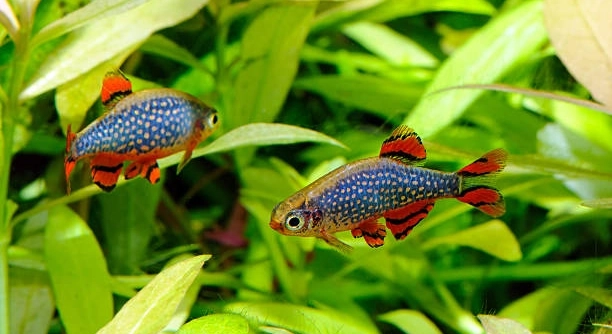
Do Celestial Pearl Danios are small, colorful fish that brighten any freshwater tank. Watching them swim and interact is relaxing, and feeding times often become a predictable and enjoyable part of the daily routine.
Research indicates that Celestial Pearl Danios can retain memory of feeding schedules for up to seven days. This ability is supported by their associative learning skills, which allow them to anticipate food at regular intervals even after short periods without feeding.
Understanding how these fish remember feeding patterns can help improve tank management and ensure their health, growth, and overall well-being remain consistent over time.
How Feeding Schedules Affect Memory
Maintaining a consistent feeding schedule can significantly impact how well Celestial Pearl Danios remember when to eat. These small fish rely on repetition and routine to form associations with their environment, which includes recognizing feeding times. By offering food at roughly the same time each day, they learn to anticipate mealtime. Over time, this conditioning strengthens their memory, making it easier for them to adjust after short breaks in feeding. Environmental cues, such as the presence of the owner or the sound of food being prepared, also reinforce these patterns. Even small variations, like moving the feeding spot, can influence how quickly they remember. A predictable routine helps reduce stress and supports healthy growth, as the fish are less likely to become anxious or display erratic behavior. Observing them respond to scheduled feedings can be a rewarding way to see their memory in action, highlighting how routine plays a key role in their daily life.
Consistent feeding helps Celestial Pearl Danios remain calm, responsive, and active, even after several days without food.
When these fish miss a day of feeding, their memory allows them to still anticipate food on the following day. The associative learning they exhibit shows that they are capable of short-term memory retention. By keeping routines steady and minimizing sudden changes, owners can ensure their fish feel secure and continue to thrive. Memory and routine work together to help these tiny fish navigate their environment efficiently, maintaining their overall health.
Recognizing Signs of Anticipation
Fish may show increased movement or swim near the feeding area when they expect food.
Anticipation can be observed in subtle ways, such as quickened swimming, hovering near the surface, or paying closer attention to the tank’s usual feeding cues. These behaviors indicate that the fish have formed a connection between their environment and feeding times. Over time, regular patterns reinforce memory and can even help with tank management, as knowing when they expect food reduces overfeeding or stress. Observing these signs also allows for better care, as it highlights their engagement and comfort within the tank.
Tracking these behaviors can be helpful for adjusting feeding schedules and understanding each fish’s individual responses. By noting which cues trigger the strongest reactions, owners can create a more predictable environment that aligns with their fish’s natural learning abilities. Monitoring their anticipation over weeks also reveals patterns in their memory retention, showing how they adapt to consistent routines. This knowledge can guide adjustments in feeding frequency or portion size, ensuring the fish remain healthy and energetic. Additionally, it helps owners respond promptly to any changes in behavior that might indicate stress or health concerns. Recognizing and reinforcing these positive behaviors strengthens the bond between care practices and the fish’s well-being, making the tank environment both stimulating and secure.
Adjusting Feeding After a Break
Even after missing several days, Celestial Pearl Danios quickly readjust to regular feeding. Their memory helps them recognize routine cues and anticipate food without confusion or stress.
When returning to a normal feeding schedule, it is important to maintain consistency. Gradually offering the usual portion at the same time each day helps reinforce memory and reduces any temporary anxiety caused by the break. Avoid overfeeding, as this can lead to digestive issues and disrupt their routine. Observing their behavior during these first feedings after a pause allows owners to see how quickly they relearn the pattern. Their responsiveness typically improves with each subsequent feeding, showing how resilient their short-term memory is. By keeping the schedule predictable, fish regain comfort and maintain healthy habits.
Missed feedings do not permanently affect their ability to anticipate food. They rely on environmental and temporal cues to quickly return to their routine. These cues include tank layout, feeding location, and consistent timing. By paying attention to these factors, owners can ensure that even after short breaks, the fish remain well-adjusted, active, and engaged. Their ability to remember highlights the importance of structured care in maintaining both their physical and mental well-being within the tank.
Managing Feeding Cues
Feeding cues, like the sound of food or movement near the tank, reinforce memory and anticipation.
Celestial Pearl Danios learn to associate specific cues with mealtime, which helps maintain a structured feeding routine. These cues can include tapping on the tank, the sight of hands approaching, or the rustle of food containers. Recognizing these signals allows the fish to anticipate feeding without confusion. Maintaining consistency in these cues strengthens their memory and supports a predictable schedule. Over time, the fish respond more reliably, reducing stress and ensuring a smoother feeding process. By controlling cues, owners can encourage focused, healthy behavior.
Consistent cues not only help fish remember feeding times but also improve overall tank harmony. When all fish react predictably to these signals, it prevents competition or anxiety during feeding. Each fish learns to anticipate its share, reducing aggressive behavior and promoting fairness in food distribution. Over weeks, these repeated cues create a dependable pattern that strengthens memory retention and comfort. By observing how each fish responds to signals, owners can fine-tune feeding practices to match individual temperaments. This approach enhances the well-being of all tank inhabitants while ensuring feeding remains efficient, calm, and balanced.
Short-Term Memory in Celestial Pearl Danios
Celestial Pearl Danios can remember feeding routines for up to seven days without food. Their short-term memory relies on repetition and environmental cues to maintain anticipation and reduce stress during breaks in feeding.
After a week without feeding, they may take a few meals to fully readjust. Consistent cues help them quickly relearn schedules, and they remain active and alert once routine is restored.
Influence of Environment
The layout of the tank and placement of feeding areas strongly affect memory retention. Visual markers and consistent feeding spots help fish recognize where and when food will appear.
Observing Behavior Changes
Changes in swimming patterns or alertness indicate how well they remember feeding times.
Reinforcing Routine
Repetition strengthens memory, making it easier for fish to anticipate meals. Consistency in timing, cues, and portion sizes supports long-term well-being and reduces stress during adjustments to feeding schedules.
FAQ
How long can Celestial Pearl Danios remember feeding times?
Celestial Pearl Danios can remember feeding schedules for up to seven days. Their short-term memory relies on repetition and consistent cues. Even if they miss a day or two, they can quickly anticipate food when routine is restored.
What cues help them remember feeding?
They respond to visual and auditory cues, like the sight of food containers, tapping on the tank, or hand movements near the tank. Consistent placement of feeding areas and repeated actions help reinforce memory and make anticipation easier for them.
Can missed feedings harm their memory?
Short breaks in feeding do not permanently harm their memory. A week without food is typically manageable, as long as they are returned to a consistent routine. Overfeeding after breaks should be avoided to prevent digestive issues.
Do all Celestial Pearl Danios remember the same way?
Individual fish may vary slightly in their memory retention. Some react immediately to cues after a short break, while others take a few feedings to fully readjust. Observing their behavior helps gauge their adaptability.
How can I improve their memory of feeding times?
Maintain a predictable schedule with consistent timing, feeding spots, and cues. Avoid sudden changes in routine, and keep environmental factors stable. Repetition strengthens their associative learning, making it easier for them to anticipate meals even after short absences.
What behaviors indicate they remember feeding times?
Look for increased swimming near the feeding area, heightened alertness, or waiting at the surface when food is approaching. These signs show that they associate cues with feeding and anticipate meals confidently.
Is it safe to skip a feeding occasionally?
Yes, missing a feeding once in a while is generally safe. Their memory allows them to anticipate meals when routine resumes. However, frequent or extended skips may stress the fish and affect overall health, so it should be done sparingly.
Do environmental changes affect memory?
Yes, changes like rearranging the tank, altering water flow, or moving feeding areas can disrupt memory. Gradual changes are better tolerated, but sudden adjustments may confuse the fish and reduce anticipation of meals.
How long does it take them to readjust after a break?
Typically, it takes one to three feedings for most fish to fully readjust. Consistent cues and timing accelerate the process. During this period, observe behavior to ensure they remain active and eat normally.
Can memory decline with age?
Older Celestial Pearl Danios may experience slight declines in short-term memory, though most retain feeding anticipation reliably. Maintaining stable routines and predictable cues helps older fish stay comfortable and confident during feeding.
Does social behavior influence memory?
Yes, in groups, fish may learn from observing others. If some fish anticipate feeding, others often follow. Social cues enhance memory retention and help maintain group harmony during mealtimes.
Are there signs of stress related to memory lapses?
If fish appear lethargic, hide more, or swim erratically during feeding times, it may indicate stress from disrupted routines. Returning to consistent feeding schedules and cues usually restores normal behavior quickly.
Can I use automated feeders to reinforce memory?
Automated feeders work well if set on a consistent schedule. Fish learn the timing of automatic feedings and continue to anticipate meals, provided the feeder is reliable and cues remain predictable.
How important is portion size for memory retention?
Portion size matters because overfeeding can lead to sluggish behavior and affect the fish’s ability to associate cues with meals. Consistent, appropriate portions support learning and memory.
Do Celestial Pearl Danios remember multiple feeding times per day?
Yes, they can learn to anticipate more than one feeding per day. Regular intervals, consistent cues, and stable feeding locations make it easier for them to remember multiple mealtimes.
Can stress affect their memory?
High-stress conditions, such as poor water quality or aggressive tank mates, can reduce memory performance. Keeping the tank calm, clean, and predictable supports memory retention and overall well-being.
Is it necessary to train them to remember feeding times?
No formal training is needed. Simply maintaining a consistent routine and using predictable cues naturally reinforces memory, allowing them to anticipate food without active intervention.
What if they forget after a long break?
If fish seem slower to respond after an extended break, maintain a consistent feeding schedule and cues. Their memory usually improves over a few feedings, and behavior normalizes once routine is reestablished.
Do visual markers help with memory?
Yes, visual markers such as plants, decorations, or feeding tools help fish associate certain areas with food. Keeping these consistent enhances memory and anticipation.
Can they learn to ignore feeding cues sometimes?
Fish may occasionally ignore cues if they are full, stressed, or unwell. Monitoring their behavior and adjusting portion sizes or tank conditions ensures cues remain effective for memory reinforcement.
How do I know if my fish are learning feeding times?
Increased activity near feeding spots, alertness at usual feeding times, and synchronized responses in groups indicate they are learning and remembering feeding schedules reliably.
Celestial Pearl Danios are small but surprisingly intelligent fish when it comes to remembering feeding times. Their ability to anticipate meals comes from short-term memory and consistent environmental cues. Even after a few days without food, they can quickly readjust and recognize familiar signals that indicate feeding is about to occur. Observing this behavior shows how routine and repetition strengthen their memory, making daily feeding predictable and stress-free for both the fish and the tank owner. Maintaining consistency in timing, location, and cues helps ensure they remain confident and comfortable, even if schedules are interrupted occasionally. Their responsiveness highlights the importance of structured care, as these small creatures thrive when their environment is stable and predictable.
Memory in Celestial Pearl Danios is closely linked to their environment. Visual cues, such as decorations, plants, and feeding tools, reinforce their understanding of where and when food will appear. Auditory signals, like tapping on the tank or the sound of food being prepared, also support anticipation. Even subtle cues, like a hand approaching the tank or the presence of other fish swimming to the feeding area, can trigger their memory. Short breaks in feeding do not typically cause long-term confusion, but returning to a consistent routine quickly restores their anticipation. Overfeeding after missed meals should be avoided, as it can disrupt memory reinforcement and lead to health issues. Observing their behavior during these transitions can help owners understand how effectively they remember schedules and adapt to changes. By paying attention to these patterns, fish care becomes both easier and more effective.
Supporting the memory of Celestial Pearl Danios also involves managing stress and maintaining a healthy environment. Stable water quality, peaceful tank mates, and predictable daily routines all contribute to their ability to retain feeding patterns. Behavioral signs, such as swimming near the surface or moving toward the feeding area at expected times, indicate that they are learning and anticipating meals. Consistent routines not only help with memory retention but also improve overall well-being, reducing anxiety and encouraging healthy activity. Even when they miss a few feedings, their memory helps them quickly return to normal patterns, showing their adaptability. Properly managing schedules, cues, and portions ensures these small fish remain active, alert, and healthy. Ultimately, understanding how memory works in Celestial Pearl Danios allows owners to provide care that supports both their physical and mental well-being, creating a harmonious and thriving tank environment.

Hello,
If you enjoy the content that we create, please consider saying a "Thank You!" by leaving a tip.
Every little bit helps us continue crafting quality advice that supports the health, happiness, and well-being of pets around the world, for pets of all shapes, sizes, and species.
We really appreciate the kindness and support that you show us!