
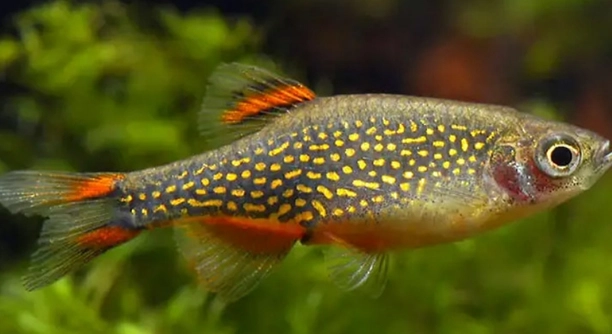
Are your aquarium plans leaning toward small, colorful fish that brighten up your tank? Celestial Pearl Danios are tiny, shimmering fish that have grown popular among hobbyists for their delicate patterns and peaceful nature.
Celestial Pearl Danios are suitable for beginner aquarists due to their hardy nature, small size, and ease of care. They adapt well to community tanks, require minimal maintenance, and thrive under standard freshwater conditions with proper feeding.
Understanding their care requirements ensures a healthy and vibrant tank environment. Learning about their behavior and habitat will make your aquarium experience more rewarding and enjoyable.
Tank Setup for Celestial Pearl Danios
Creating a proper tank environment is key to keeping Celestial Pearl Danios healthy and happy. These fish thrive in tanks of at least 10 gallons with plenty of swimming space. A gentle filtration system helps maintain clean water without creating strong currents. Adding live plants and hiding spots simulates their natural habitat and reduces stress. Substrate choice can vary, but fine gravel or sand works best. Lighting should be moderate, allowing plants to grow while highlighting the fish’s colors. Maintaining stable water parameters, including a temperature range of 72–78°F and a pH of 6.5–7.5, promotes health. Regular water changes, about 25% weekly, prevent the build-up of toxins and keep ammonia and nitrate levels low. Observing fish behavior daily helps spot early signs of illness or stress, allowing quick intervention. With a balanced environment, these fish will display their natural patterns and active swimming behaviors.
A well-planned tank layout reduces stress and encourages natural behaviors while making maintenance easier.
Providing proper plant coverage, hiding spots, and gentle currents helps Danios feel secure. This balance ensures long-term health and vibrant colors, making the aquarium visually appealing.
Feeding and Nutrition
Celestial Pearl Danios are omnivores and require a varied diet to stay healthy. Flake food, micro pellets, and live or frozen options like brine shrimp and daphnia provide essential nutrients. Feeding small amounts two to three times daily prevents overfeeding and water contamination. Overfeeding can lead to digestive issues and poor water quality, which may stress the fish. Rotating food types ensures they receive vitamins, proteins, and minerals needed for growth and color enhancement. Supplementing with occasional vegetables, such as blanched spinach or zucchini, supports overall health. Observing their eating habits helps determine if the fish are receiving enough nutrition without leaving excess food to decay. Maintaining a feeding routine encourages consistent behavior and reduces competition among fish. Avoiding sudden diet changes prevents stress and digestive problems. With proper nutrition, Celestial Pearl Danios maintain their lively activity levels, shimmering colors, and natural behaviors for a thriving tank environment.
Feeding small, varied meals ensures health and supports vibrant coloration.
A balanced diet supports growth, immunity, and natural behavior. Regular observation allows adjustments to avoid overfeeding and maintain water quality, keeping the fish active and bright.
Water Quality and Maintenance
Maintaining clean water is essential for Celestial Pearl Danios. Regular testing of pH, ammonia, nitrite, and nitrate levels helps prevent health problems. Weekly partial water changes of 20–30% keep the tank stable and free from harmful toxins.
Stable water parameters prevent stress and disease. Using a gentle filter reduces debris while maintaining oxygen levels. Avoid sudden changes in temperature or pH, as these fish are sensitive to fluctuations. Testing kits help monitor conditions accurately, ensuring timely adjustments. Cleaning the substrate and removing leftover food also supports a healthy environment, reducing the risk of algae or bacterial growth.
Proper maintenance includes monitoring water chemistry, performing partial water changes, and cleaning equipment. Observing fish behavior regularly helps detect early signs of stress or illness. With consistent care, Celestial Pearl Danios thrive and remain vibrant, active, and healthy.
Tank Mates for Celestial Pearl Danios
Choosing compatible tank mates ensures harmony in the aquarium. Peaceful species like small tetras, rasboras, and shrimp work well alongside these Danios without causing stress.
Aggressive or large fish should be avoided, as they may bully or eat the Danios. Maintaining a group of at least six Celestial Pearl Danios reduces aggression among themselves and encourages natural schooling behavior. Mixing species with similar water and temperature requirements minimizes conflicts. It is important to observe interactions during the first weeks, adjusting stocking levels if necessary. Proper planning prevents overcrowding, reduces stress, and promotes long-term health.
Monitoring behavior and ensuring compatible species maintain a balanced tank environment. Introducing new fish gradually allows the Danios to adapt. Avoiding aggressive or overly large fish reduces stress, while keeping the group size sufficient encourages schooling. Proper tank mate selection creates a peaceful, visually appealing aquarium where all species thrive.
Breeding Celestial Pearl Danios
Breeding Celestial Pearl Danios requires a separate tank with slightly warmer water and gentle lighting. Provide fine-leaved plants or spawning mops for egg-laying. Separating males and females beforehand helps stimulate spawning when reintroduced.
Eggs hatch in about two to three days. Fry need infusoria or finely crushed food until large enough for regular feeding. Maintaining clean water is crucial for fry survival, as they are sensitive to poor conditions. Observing the parents’ behavior helps prevent them from eating the eggs. With patience and care, successful breeding produces healthy, vibrant fry that display the same shimmering colors as adult fish.
Common Health Issues
Celestial Pearl Danios are generally hardy but can face problems like ich or fin rot. Maintaining stable water quality reduces risks.
Regular observation allows early detection of illness. Quarantining new fish prevents disease introduction. Healthy water, balanced nutrition, and minimal stress are essential for prevention.
FAQ
How many Celestial Pearl Danios should I keep in a tank?
These fish are schooling species and feel most comfortable in groups. A minimum of six is recommended to encourage natural schooling behavior and reduce stress. Keeping them in larger groups, around ten or more, enhances their activity and makes them display their vibrant colors more consistently. Small groups may lead to timid or shy behavior. When planning your tank, also consider the total number of other fish to avoid overcrowding, as maintaining space is important for water quality and fish health. Observing interactions regularly helps ensure all fish are active and comfortable.
What water temperature is best for Celestial Pearl Danios?
They thrive in slightly warm water, ideally between 72–78°F. Maintaining stable temperatures within this range is important, as sudden fluctuations can stress the fish and lower immunity. Using a reliable heater and thermometer helps prevent unexpected changes. They tolerate minor variations but should not be exposed to prolonged cold water. Warmer water also encourages activity and breeding behavior. Gradual adjustments are necessary if changes are needed, as abrupt temperature shifts may cause health issues. Consistency in water conditions ensures they remain vibrant, active, and healthy over time.
What should I feed my Celestial Pearl Danios?
A varied diet is essential for their health. Flakes or micro pellets form the base, while frozen or live foods like brine shrimp and daphnia supplement proteins and nutrients. Feeding small amounts two to three times a day prevents overfeeding and water contamination. Occasional vegetables such as blanched spinach or zucchini provide additional nutrients. Rotating food types ensures balanced nutrition, supports color enhancement, and promotes healthy growth. Observing their eating habits helps adjust portion sizes, preventing leftover food from polluting the tank. Maintaining a regular feeding schedule encourages natural behavior and vitality.
Can Celestial Pearl Danios live with other fish?
Yes, they are peaceful and compatible with small, non-aggressive species. Tetras, rasboras, and small shrimp are good companions. Avoid large or aggressive fish, which can stress or injure them. Maintaining a proper group size and observing initial interactions ensures harmony.
How often should I change the water?
Weekly partial water changes of 20–30% are ideal. Regular cleaning prevents ammonia and nitrate build-up, which can harm fish health. Using a siphon to remove debris and leftover food from the substrate keeps the tank clean. Consistent maintenance supports vibrant coloration and active swimming patterns. Testing water regularly ensures stability and avoids sudden parameter changes.
How can I tell if my Celestial Pearl Danios are healthy?
Healthy Danios are active, swim freely, and display bright colors. Fins should be intact without tears or white spots. Loss of appetite, lethargy, or unusual swimming patterns may indicate stress or illness. Checking water quality and observing behavior daily allows early intervention. Prompt attention prevents minor issues from becoming serious problems.
Do Celestial Pearl Danios need a heater?
A heater is recommended if room temperatures fluctuate below 72°F. Consistent warmth ensures comfort, encourages feeding, and promotes natural behavior. Sudden drops in temperature can cause stress or make them prone to disease. Using a reliable thermometer helps maintain the correct range.
How long do Celestial Pearl Danios live?
With proper care, they typically live 3–5 years. Providing stable water conditions, a balanced diet, and a peaceful tank environment supports longevity. Regular monitoring of health and behavior helps prevent premature illness. A well-maintained aquarium increases their chance of reaching full lifespan.
Are they difficult to breed?
Breeding requires a separate tank with fine-leaved plants or spawning mops. Slightly warmer water encourages spawning, and separating males and females beforehand increases success. Fry need infusoria or finely crushed foods until they grow large enough for standard feeding. Maintaining clean water is critical, as fry are sensitive to poor conditions. Observing the parents prevents egg loss due to predation.
What are signs of stress in Celestial Pearl Danios?
Stress can appear as hiding, clamped fins, loss of appetite, or lethargy. Poor water quality, overcrowding, or aggressive tank mates are common causes. Correcting environmental conditions and ensuring a peaceful tank reduces stress. Observing their behavior daily helps maintain a healthy, active school.
Can they live in small tanks?
They can live in tanks as small as 10 gallons, but larger tanks are preferable for swimming space and stable water parameters. Small tanks require diligent water maintenance to prevent rapid toxin accumulation. A larger environment promotes natural behavior and schooling.
What type of plants work best with Celestial Pearl Danios?
Fine-leaved plants such as Java moss or Hornwort provide hiding spots and spawning areas. Floating plants reduce stress by softening light. Plants also improve water quality by absorbing nitrates and offer a more natural environment. Regular trimming prevents overcrowding while maintaining aesthetics.
Do they require special lighting?
Moderate lighting works best, highlighting their colors without stressing the fish. Too bright light may cause hiding behavior, while too dim light may dull their colors. Lighting also supports plant growth in a planted tank. Using a consistent day-night cycle helps regulate natural behavior.
Are they prone to diseases?
They are generally hardy but can develop ich, fin rot, or fungal infections if water quality is poor. Preventive care, proper nutrition, and avoiding sudden environmental changes reduce risks. Quarantining new fish helps prevent disease introduction. Early detection is key to successful treatment.
How can I encourage natural behavior?
Keeping them in groups of six or more and providing plants and hiding spaces promotes schooling and exploratory activity. Gentle currents, varied diet, and minimal disturbances encourage active swimming, foraging, and breeding behaviors. Regular observation helps maintain a stimulating environment.
Is regular observation necessary?
Yes, daily monitoring helps detect changes in behavior, health, or water conditions. Early intervention prevents minor issues from escalating, ensuring long-term health. Observing swimming patterns, coloration, and feeding habits provides insight into their well-being.
Do they interact with humans?
While not interactive like some larger fish, they respond to feeding and movement near the tank. They may approach the glass during feeding, displaying curiosity and activity. Consistent care strengthens their comfort in the aquarium environment.
Can they adapt to new tanks easily?
With proper acclimation, they adapt well. Drip acclimation or gradual water mixing prevents shock. Maintaining stable parameters and minimizing sudden changes reduces stress during the transition. Observation during the first days ensures they adjust smoothly.
Are Celestial Pearl Danios suitable for beginners?
Yes, their hardy nature, small size, and minimal maintenance make them ideal for novice aquarists. With proper tank setup, diet, and regular monitoring, they thrive and display vibrant colors. Their peaceful temperament allows easy integration with other compatible species.
What common mistakes should I avoid?
Overcrowding, overfeeding, and sudden water changes are frequent errors. Neglecting water testing or introducing aggressive fish can stress them. Skipping regular maintenance may lead to disease or poor coloration. Consistent care ensures healthy, active fish and a visually appealing tank.
How long before they show full coloration?
Young Danios may take several weeks to months to display their full colors. Proper diet, water quality, and minimal stress support faster color development. Adults maintain vivid colors consistently with stable conditions and balanced nutrition.
Can they live without plants?
They can survive without plants, but live plants provide hiding spots, reduce stress, and improve water quality. Plants enhance natural behavior and create a more visually pleasing environment. Artificial decorations can substitute but may not fully replicate benefits of live plants.
Is tank size critical for breeding?
A separate breeding tank of at least 10 gallons with plants or spawning mops is recommended. Sufficient space ensures eggs are not eaten and fry have room to grow. Maintaining stable water parameters increases survival rates.
Do they need aeration?
While not mandatory, gentle aeration or a filter with minimal current helps maintain oxygen levels. Proper circulation reduces stagnant areas and supports plant growth. Excessive aeration should be avoided, as strong currents can stress the fish.
Can they coexist with snails?
Yes, peaceful snails like Nerite or Mystery snails are compatible. They help clean algae and do not disturb Danios. Avoid large or aggressive snail species that may compete for food or damage plants.
How fast do they grow?
Celestial Pearl Danios grow slowly, reaching about 1 inch in length as adults. Proper diet and stable water conditions support healthy growth. Overfeeding or poor water quality can stunt development.
Are they sensitive to light cycles?
Yes, maintaining a consistent day-night cycle of 10–12 hours supports natural behavior, feeding, and plant growth. Sudden changes in lighting can cause stress or hiding. Gradual adjustments help them adapt smoothly.
Do they require special substrates?
They adapt to fine gravel or sand. Substrate choice affects plant growth and ease of cleaning. Smooth surfaces prevent injury, while darker substrates enhance their coloration. Regular vacuuming keeps the substrate clean and safe.
How do I prevent aggression in the tank?
Maintaining a proper group size, avoiding aggressive species, and providing plants or hiding spots reduce stress and territorial disputes. Observing interactions allows early adjustments. Ensuring sufficient space prevents overcrowding and encourages peaceful behavior.
Can they tolerate cooler temperatures?
They tolerate minor drops but prolonged cold below 68°F can stress them and slow metabolism. Consistent temperatures within 72–78°F are ideal for health, activity, and breeding. Gradual acclimation is necessary if temperature changes occur.
Do they require any supplements?
Occasional vitamin or mineral supplements may support coloration and immunity, but a balanced diet usually suffices. Over-supplementing is unnecessary and can affect water quality. Monitoring fish behavior indicates if adjustments are needed.
Are they good for community tanks?
Yes, their peaceful nature makes them suitable for community tanks with compatible small species. Avoid aggressive or large fish. Group size, hiding spots, and stable conditions ensure a harmonious aquarium environment.
How long does it take to acclimate new fish?
Proper acclimation takes 1–2 hours using drip or gradual water mixing. Slow introduction prevents stress and shock. Observation during the first days ensures they settle comfortably.
Do they need hiding spots?
Yes, plants, decorations, or caves reduce stress and encourage natural behavior. Even in peaceful tanks, hiding spots give security and help during feeding or breeding.
Are they prone to fin damage?
Damage can occur from rough decorations, aggressive tank mates, or poor water quality. Smooth substrates, peaceful companions, and clean water prevent common fin injuries.
Can they tolerate low light?
They survive in low light but colors may appear duller. Moderate lighting supports plant growth and highlights their natural shimmering patterns, enhancing tank aesthetics.
Is breeding seasonal or year-round?
With stable conditions, breeding can occur year-round. Warmer water, proper diet, and suitable spawning areas stimulate egg-laying behavior. Careful observation ensures fry survival.
Do they need special care during molting or shedding?
They do not molt like invertebrates, but maintaining water quality and reducing stress helps them maintain healthy scales and fins. Nutritional support aids natural regeneration.
Can they live with bettas?
Small, peaceful bettas may coexist, but aggression is possible. Careful observation and sufficient space are essential. Avoid long-finned or overly territorial bettas.
What is the best way to introduce new fish?
Quarantine for at least two weeks, then use gradual acclimation with water mixing or drip methods. Monitor closely for stress or illness during the first week.
How often should I clean decorations and plants?
Cleaning every 2–4 weeks removes algae and debris. Use gentle methods to avoid damaging plants or stressing fish. Avoid harsh chemicals.
Do they require a specialized filter?
A gentle filter that maintains water quality is sufficient. Avoid strong currents that stress the fish. Sponge filters or low-flow canister filters are ideal.
Are they sensitive to noise or vibrations?
Excessive vibrations or loud noises can startle them. Keeping the tank in a stable, low-traffic area reduces stress and encourages natural behavior.
How can I improve their color?
Balanced nutrition, stable water conditions, and low-stress environments enhance natural coloration. Occasional live or frozen foods rich in carotenoids support vibrancy.
Do they interact with plants?
They may swim through plants or nibble occasionally. Plants provide hiding spaces and spawning areas. Dense planting encourages natural exploration and security.
What signs indicate overfeeding?
Leftover food, cloudy water, and sluggish behavior are indicators. Reducing portion size and feeding smaller, frequent meals prevent health issues.
Are they compatible with floating plants?
Yes, floating plants provide shade, reduce stress, and soften lighting. They also enhance tank aesthetics while offering some protection for shy individuals.
Do they require water conditioners?
Dechlorinators or conditioners are recommended for tap water to remove harmful chemicals. Proper conditioning prevents stress and supports gill health.
Can they live in nano tanks?
Small tanks are possible, but careful maintenance is essential. Water quality, filtration, and space must be carefully managed to prevent stress or health issues.
Do they respond to feeding cues?
Yes, they recognize feeding times and may swim toward the surface. Consistent schedules encourage activity and reduce stress.
Is it necessary to trim plants regularly?
Yes, trimming prevents overcrowding, maintains swimming space, and ensures light penetration for healthy plant growth. It also reduces debris accumulation.
How fast do they reproduce?
Under optimal conditions, they spawn frequently. Eggs hatch in 2–3 days, and fry grow steadily with proper care. Maintaining clean water and suitable food ensures survival.
Can they live without a filter?
They can survive for short periods, but long-term health depends on clean water. A gentle filter stabilizes water quality and reduces maintenance frequency.
Do they show territorial behavior?
Minimal territorial behavior occurs in small groups. Providing adequate space, plants, and hiding spots prevents conflicts. Observing interactions ensures a peaceful environment.
How sensitive are they to ammonia and nitrites?
Even low levels can stress them. Regular testing and water changes prevent accumulation, ensuring fish remain active and healthy. Stable conditions reduce disease risk.
Do they require supplemental vitamins?
A balanced diet usually suffices. Supplements may help during stress or illness but are not mandatory. Overuse can harm water quality.
Are they noisy?
They are silent, adding no sound to the tank. Their activity and shimmering patterns provide visual interest without disturbance.
Can they live with guppies?
Yes, peaceful guppies share similar water requirements. Avoid overcrowding and ensure ample swimming space for both species.
Do they need dark or light substrate?
Darker substrates enhance coloration and create a natural contrast. Fine gravel or sand works well, supporting plant growth and ease of cleaning.
How quickly do fry grow?
Fry grow steadily over weeks with proper food and clean water. Observation ensures they receive adequate nutrition without overcrowding the tank.
Are they suitable for planted tanks?
Yes, they benefit from plants for hiding, breeding, and environmental enrichment. Dense planting encourages natural behavior and reduces stress.
Do they require supplemental heating in tropical climates?
Heating may still be needed if room temperatures drop below 72°F. Stable warmth supports feeding, activity, and breeding.
Can they live with snails and shrimp?
Yes, small, peaceful invertebrates coexist well. They help clean algae and do not disturb Danios. Avoid aggressive species that may compete for food.
Are they sensitive to pH changes?
They tolerate pH 6.5–7.5. Sudden fluctuations can cause stress. Gradual adjustments and consistent monitoring maintain health and coloration.
Do they show unique behaviors?
Schooling, active swimming, and surface feeding are common. They explore plants, decorations, and respond to feeding cues, displaying lively, vibrant activity.
Can they live with corydoras?
Yes, bottom-dwelling corydoras occupy a different tank level, making them compatible. Both species remain peaceful and active without conflict.
How often should I check water parameters?
Weekly checks for pH, ammonia, nitrite, and nitrate are sufficient. Additional checks may be needed during acclimation or if issues arise.
Do they prefer soft or hard water?
They tolerate moderate hardness but prefer slightly soft to neutral water. Consistent parameters support health and coloration.
Can stress affect their color?
Yes, stress dulls their shimmering appearance. Stable water, peaceful tank mates, and hiding spaces maintain vibrant coloration.
Are they sensitive to medications?
Yes, follow dosage instructions carefully. Overuse or inappropriate medications can harm them. Quarantine tanks are safer for treatment.
Do they interact with each other?
Yes, schooling promotes social behavior, reduces stress, and encourages active swimming. Observing interactions ensures group harmony and natural activity levels.
Can they survive in unheated indoor rooms?
They tolerate minor drops but prolonged cold below 68°F is harmful. Heating maintains consistent conditions for health and activity.
Is water hardness critical for breeding?
Moderate, stable water supports successful spawning. Extreme hardness or softness may reduce egg viability. Maintaining stable conditions increases fry survival rates.
Do they need fast or slow currents?
Slow, gentle currents are preferred. Strong currents stress the fish and disrupt natural behavior. Proper filtration balances water movement and oxygenation.
How often should I feed fry?
Small, frequent meals support growth. Infusoria or finely crushed foods are ideal until fry can accept micro pellets or other appropriate foods.
Are they sensitive to chlorine?
Yes, untreated tap water containing chlorine or chloramines can harm them. Using a dechlorinator prevents stress and supports gill health.
Can they tolerate slightly salty water?
Minimal amounts of aquarium salt can help prevent disease but should be used cautiously. Excess salt may harm freshwater plants and invertebrates.
Do they need additional calcium?
Not usually necessary unless breeding or water is extremely soft. Balanced nutrition generally provides sufficient minerals.
Are they suitable for office tanks?
Yes, their small size, peaceful temperament, and low maintenance make them suitable for small office aquariums. Consistent care ensures a healthy display.
How do I handle aggressive tank mates?
Separate or replace aggressive fish immediately. Ensure hiding spots and proper group sizes to reduce stress. Observing interactions helps maintain a peaceful tank.
Do they require a quarantine tank?
Quarantine is recommended for new fish to prevent disease introduction. Two weeks allows observation and treatment if needed before adding to the main tank.
How often should I feed adult fish?
Two to three small feedings daily maintain health without overfeeding. Observing food consumption prevents waste accumulation and maintains water quality.
Can they survive power outages?
Short outages are tolerable if water remains stable, but long-term loss of
Celestial Pearl Danios are small, peaceful fish that make a great addition to a beginner-friendly aquarium. Their hardiness and low-maintenance nature allow for an easy start in fishkeeping. Despite their tiny size, they are active swimmers and display vibrant colors that add life to a tank. These fish are not demanding in terms of water conditions, but maintaining a stable environment is still important for their health. Regular water changes, proper filtration, and monitoring of basic water parameters like pH, ammonia, nitrite, and nitrate ensure they remain healthy. With proper care, they can live several years, providing long-term enjoyment in an aquarium.
Setting up the tank correctly is essential for their well-being. A minimum 10-gallon tank is recommended, with plenty of swimming space and gentle water flow. Live plants or decorations help create hiding spots, which reduce stress and encourage natural behavior. A balanced diet is also important, including high-quality flake foods, micro pellets, and occasional live or frozen foods like brine shrimp or daphnia. Providing variety in their diet supports growth, coloration, and overall health. Observing their behavior regularly allows early detection of any signs of illness or stress, making it easier to intervene if needed.
These fish thrive in groups, so keeping at least six together is recommended to encourage schooling behavior. They are compatible with other peaceful, small fish but should not be kept with large or aggressive species. Breeding them is possible with the right conditions, such as a separate spawning tank, fine-leaved plants, and slightly warmer water, but it requires patience and careful observation. Overall, Celestial Pearl Danios are reliable, visually appealing, and relatively easy to care for, making them an excellent choice for beginners. With proper tank setup, a consistent feeding routine, and attention to water quality, they will remain healthy, active, and colorful for years. Proper planning and consistent care ensure a peaceful, attractive, and lively aquarium environment that brings long-lasting satisfaction.

Hello,
If you enjoy the content that we create, please consider saying a "Thank You!" by leaving a tip.
Every little bit helps us continue crafting quality advice that supports the health, happiness, and well-being of pets around the world, for pets of all shapes, sizes, and species.
We really appreciate the kindness and support that you show us!