
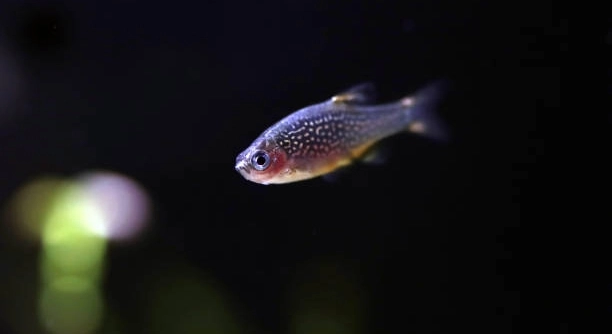
Are your Danios thriving in a community tank, but you want to provide them with a space tailored just for them? Setting up a Danio-only aquarium can enhance their natural behavior and create a visually appealing environment.
Maintaining a Danio-only aquarium requires careful attention to water parameters, tank size, and social dynamics. Providing proper filtration, temperature, and plant coverage supports health, reduces stress, and encourages active schooling behavior, ensuring the fish remain lively and vibrant.
Following a few simple strategies will help create a balanced habitat, promoting both the well-being of your Danios and the overall aesthetic of the tank.
Choosing the Right Tank Size
When setting up a Danio-only aquarium, tank size is crucial. Danios are active swimmers and require space to move freely. A small tank can lead to stress, aggression, and stunted growth. A minimum of 20 gallons is recommended for a small group, while larger schools may need 30 gallons or more. The width and length of the tank matter as much as the height, as horizontal swimming space is essential. Proper space also helps maintain stable water parameters, which is important for these sensitive fish. Avoid overcrowding, as it increases waste buildup and reduces oxygen levels. Adequate room allows the Danios to display natural behaviors like schooling, chasing, and exploring. Plants, decorations, and hiding spots can be added, but they should not restrict swimming areas. A well-sized tank supports health, reduces stress, and encourages social interactions, leading to a more vibrant and active aquarium.
A larger tank makes maintenance easier and gives your Danios a more natural, spacious environment to thrive.
Ensuring the tank size meets your Danios’ needs prevents overcrowding, encourages schooling, and helps maintain stable water conditions. Proper dimensions enhance both their physical health and natural behavior patterns, creating a harmonious and active tank that is visually pleasing.
Maintaining Proper Water Conditions
Danios need clean, well-oxygenated water with stable parameters to stay healthy.
Consistent water temperature between 64°F and 75°F, pH around 6.5–7.5, and regular water changes are key. Filtration should handle at least double the tank volume per hour to reduce toxins.
Water quality directly affects Danio behavior, coloration, and immune system. Frequent testing for ammonia, nitrite, and nitrate levels ensures early detection of issues. Avoid sudden temperature or pH changes, as Danios are sensitive to fluctuations. Aeration and moderate current help replicate natural conditions, keeping them active and stress-free. A combination of live plants and proper substrate can aid in stabilizing water chemistry. Regular partial water changes, ideally 20–30% weekly, remove excess waste while maintaining beneficial bacteria. Keeping water conditions consistent reduces disease risk and supports healthy growth. Observing your fish for signs of stress, such as faded colors or erratic swimming, helps address problems promptly. Proper water management is the foundation of a successful Danio-only aquarium, ensuring your fish remain lively and resilient.
Selecting Compatible Tank Mates
Even in a Danio-only aquarium, compatibility matters when considering additional species. Small, peaceful fish can coexist, but avoid aggressive or slow-moving species. Danios are active swimmers and prefer companions that match their energy levels without causing stress or competition for food.
Adding compatible tank mates requires careful selection based on temperament, size, and activity. Species like small rasboras or certain tetras can coexist if the tank is large enough to accommodate schooling behaviors and prevent overcrowding. Introduce new fish gradually, observing interactions closely for signs of aggression. Provide ample hiding spots and open swimming areas to reduce territorial disputes. Monitor water quality closely, as additional fish increase waste output, requiring more frequent maintenance. Compatibility ensures all inhabitants remain healthy and reduces stress-related illnesses, promoting a balanced and harmonious aquarium environment for the Danios and their companions.
Choosing the right companions also encourages natural behaviors and active schooling, enhancing the tank’s visual appeal while supporting the well-being of all fish.
Feeding and Nutrition
Danios require a varied diet to maintain health and vibrant colors. High-quality flake food, supplemented with live or frozen options, ensures balanced nutrition and supports growth.
Feed small amounts 2–3 times daily to prevent overfeeding, which can harm water quality. Incorporate protein-rich foods like brine shrimp or daphnia alongside vegetable matter for overall well-being. Avoid sudden dietary changes to prevent digestive issues. Observing feeding behavior helps identify health concerns early. Remove uneaten food promptly to reduce waste buildup and maintain water clarity. Consistent feeding schedules contribute to healthy growth, active swimming, and stronger immune systems. Nutrition also influences coloration, helping Danios display their natural patterns and vibrancy, making the aquarium more lively and visually appealing.
Providing Hiding Spots
Danios feel more secure with plants, rocks, and decorations to hide among. These spaces reduce stress and give them areas to rest.
Dense plantings combined with open swimming areas allow natural behavior. Avoid overcrowding decorations, keeping movement paths clear for schooling and play.
Monitoring Health
Regular observation helps detect illness early. Look for changes in color, swimming patterns, or appetite to address problems promptly. Proper care prevents disease spread and maintains a thriving tank environment for all Danios.
Maintaining Proper Lighting
Balanced lighting supports plant growth and enhances fish coloration. Avoid overly bright or prolonged exposure, which can stress Danios and encourage algae growth.
Regular Tank Maintenance
Consistent water changes, gravel cleaning, and filter checks prevent toxin buildup. Maintenance preserves water quality, supports healthy fish, and ensures a clean, attractive aquarium environment for Danios.
FAQ
How many Danios should I keep in a tank?
Danios are schooling fish and need to be in groups. A minimum of six is recommended for small tanks, while larger tanks can house more. Keeping them in a group reduces stress, encourages natural behavior, and prevents aggression.
What is the ideal water temperature for Danios?
Danios thrive in water between 64°F and 75°F. Consistent temperature helps maintain their metabolism and immune system. Avoid sudden fluctuations, as these can cause stress and make them more susceptible to disease. A reliable heater and thermometer can help maintain stability.
What should I feed my Danios?
A balanced diet is essential. High-quality flake food works well, supplemented with live or frozen options like brine shrimp, daphnia, or bloodworms. Include some vegetable matter occasionally. Feed small amounts 2–3 times daily, removing uneaten food to prevent water quality issues.
Can Danios live with other fish?
Yes, but only with compatible species. Avoid aggressive or slow-moving fish. Small, peaceful, and fast-moving fish like certain tetras or rasboras can work if the tank is large enough and offers hiding spaces. Always monitor interactions after introducing new fish.
How often should I change the water?
Regular water changes are essential. For most Danio tanks, 20–30% weekly helps remove waste and maintain water quality. Larger or heavily stocked tanks may require more frequent changes. Consistent maintenance prevents toxin buildup and supports overall health.
What are common signs of illness in Danios?
Look for faded color, clamped fins, erratic swimming, or loss of appetite. White spots, sores, or unusual growths can indicate disease. Early detection allows for prompt treatment, reducing the risk of spreading illness and supporting faster recovery.
Do Danios need plants in their aquarium?
Yes, live or artificial plants provide hiding spots, reduce stress, and create a natural environment. Dense planting combined with open swimming areas allows Danios to school and explore freely, maintaining their natural behaviors.
How do I prevent algae growth?
Balanced lighting, avoiding overfeeding, and regular maintenance help control algae. Adding fast-growing plants can compete with algae for nutrients. Occasional cleaning of decorations and glass keeps the tank visually clean without harming the fish.
How often should I check water parameters?
Test for ammonia, nitrite, nitrate, and pH at least weekly. Monitoring helps detect changes early and prevents health issues. Stable water chemistry is critical for Danios’ wellbeing and supports a thriving aquarium.
Can Danios live in cold water tanks?
They tolerate cooler temperatures better than many tropical fish but avoid extremes below 64°F. Cold water slows metabolism and can stress the fish, so maintain a stable, moderate temperature for best results.
How can I encourage breeding in a Danio-only tank?
Provide slightly cooler water changes and fine-leaved plants or spawning mops. Feed protein-rich foods to condition them. Remove adults after eggs are laid to prevent predation, and maintain clean water for healthy fry development.
Is a filter necessary for Danios?
Yes, a good filter keeps water clean, oxygenated, and stable. Choose one appropriate for the tank size and flow preference, as Danios enjoy moderate currents. Regular cleaning maintains efficiency and reduces harmful buildup.
How can I reduce stress in Danios?
Maintain proper water quality, adequate tank size, hiding spots, and consistent feeding. Avoid sudden changes in environment or temperature. Stress can weaken their immune system and lead to health problems, so creating a stable environment is essential.
Can I keep Danios alone?
It is not recommended. Danios are social and need companionship to display natural behaviors. A single fish may become stressed, lethargic, or aggressive, which affects overall health and wellbeing.
How long do Danios typically live?
With proper care, Danios can live 3–5 years, sometimes longer. Good water quality, a balanced diet, and a stress-free environment support longevity and maintain their energy and vibrant colors.
What type of substrate is best for Danios?
Fine gravel or sand works well. Avoid sharp or rough substrates that can damage fins. Substrate should allow for plant rooting if live plants are used and be easy to clean during maintenance.
How do I introduce new Danios to an existing tank?
Quarantine new fish for at least two weeks to prevent disease introduction. Add them gradually, monitor interactions, and provide ample hiding spots to reduce stress and aggression. Proper acclimation helps maintain a stable social hierarchy.
Do Danios jump out of tanks?
Yes, they can be active jumpers. A secure lid or cover is recommended to prevent escapes. Ensure there are no gaps where fish could leap out during feeding or exploration.
Can Danios live in a planted tank?
Yes, they thrive in planted tanks. Plants provide shelter, reduce stress, and improve water quality. Choose hardy plants that tolerate moderate currents and regular care. A mix of open swimming areas and dense vegetation supports natural behaviors.
Are Danios easy to care for?
Yes, they are hardy and adaptable with proper water conditions, a balanced diet, and social interaction. While resilient, consistent maintenance and observation are important for long-term health and vitality.
This FAQ covers the essential aspects of keeping Danios healthy, active, and happy in a dedicated aquarium, providing practical guidance for their care.
Creating a Danio-only aquarium can be a rewarding experience, especially when you see the fish swimming actively and interacting naturally. These small, lively fish thrive when given the right environment, proper care, and attention to their social needs. Ensuring adequate tank size, clean water, and compatible companions are some of the key factors in maintaining a healthy aquarium. Taking the time to plan the tank layout, including swimming space and hiding spots, allows the Danios to display their natural schooling behavior while reducing stress. Even small details, like providing a gentle current or placing plants strategically, can make a noticeable difference in how comfortable and active the fish become. Observing them over time helps you understand their patterns, making it easier to adjust care routines and maintain a balanced ecosystem.
Proper nutrition is another critical aspect of caring for Danios. Feeding a balanced diet that includes high-quality flake food, live or frozen options, and occasional vegetable matter ensures that the fish grow well, maintain their vibrant colors, and stay healthy. It is important to feed small portions multiple times a day and remove uneaten food promptly to avoid water quality issues. Regular water changes, careful monitoring of water parameters, and maintaining an efficient filtration system all work together to create a stable and clean environment. Stress from poor water quality or inadequate nutrition can weaken their immune system, making them more susceptible to disease. By keeping these factors in mind and staying consistent with maintenance, the fish remain lively and the tank stays attractive.
Finally, observing and understanding your Danios’ behavior is one of the most rewarding parts of aquarium keeping. Each fish has its personality, and watching them interact, explore, and school together creates a dynamic and engaging tank. Attention to their social needs, such as keeping them in groups and providing space for movement, contributes to both their well-being and the overall harmony of the aquarium. Taking small, deliberate steps to maintain water quality, provide proper nutrition, and create a secure, stimulating environment ensures the long-term health of your Danios. With consistent care and attention, a Danio-only aquarium can flourish as a beautiful, active, and balanced habitat, offering enjoyment and satisfaction for anyone committed to maintaining it.

Hello,
If you enjoy the content that we create, please consider saying a "Thank You!" by leaving a tip.
Every little bit helps us continue crafting quality advice that supports the health, happiness, and well-being of pets around the world, for pets of all shapes, sizes, and species.
We really appreciate the kindness and support that you show us!