
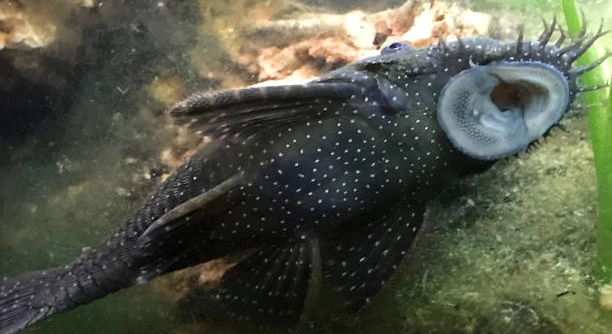
Do Bristlenose Plecos enjoy the comfort of leaf litter in their tanks? These small, peaceful catfish are known for exploring and grazing on surfaces. Many aquarists notice their behavior changes when natural materials are present.
Bristlenose Plecos do benefit from the presence of leaf litter. Leaf litter provides shelter, grazing surfaces, and contributes to a natural environment, promoting feeding behaviors and overall well-being. It also supports the growth of biofilm, which plecos consume regularly.
Adding leaf litter can enhance your aquarium’s ecosystem, offering a more natural and enriching space for your plecos to thrive comfortably.
Benefits of Leaf Litter for Bristlenose Plecos
Leaf litter offers multiple advantages for Bristlenose Plecos in an aquarium. It provides hiding spots, giving these fish a sense of security. Plecos are naturally nocturnal and shy during daylight, so the leaves act as safe spaces to rest. Additionally, leaves slowly break down, releasing tannins that slightly lower the water’s pH and create a more natural, comfortable environment for these catfish. Biofilm, a layer of microorganisms that forms on decomposing leaves, serves as an important supplemental food source. Plecos graze on this biofilm regularly, which helps satisfy their need for plant-based nutrition. The leaves also encourage natural behaviors, like burrowing and exploring, keeping the plecos active and less stressed. Aquariums with leaf litter tend to resemble the plecos’ native habitats, which can improve their overall health and reduce aggression or signs of stress. Including leaf litter requires minimal maintenance but provides noticeable benefits for their well-being.
The presence of leaf litter improves both the environment and diet of Bristlenose Plecos. It encourages natural behaviors and helps them feel secure in the tank.
Maintaining leaf litter in your tank is straightforward. Select safe leaves, such as Indian almond or oak, rinse them, and soak before adding to the water. Over time, the leaves will soften and release tannins, creating a slightly darker water color that plecos prefer. Replace leaves periodically to avoid excessive decomposition that can affect water quality. By monitoring water parameters and observing the fish, you can maintain a healthy balance, ensuring plecos enjoy the benefits without negative side effects. Leaf litter not only supports feeding but also stimulates exploration and reduces stress, making the aquarium a more natural and enriching environment for these fish.
Choosing the Right Type of Leaf Litter
Different leaves provide different benefits for Bristlenose Plecos. Not all leaves are safe or effective.
Oak and Indian almond leaves are excellent choices. They release tannins slowly, creating a gentle, acidic environment ideal for plecos. Other leaves, such as beech or catappa, can also work but may break down faster, requiring more frequent replacement. Avoid treated or chemically sprayed leaves, as these can harm your fish. Selecting the right leaf type ensures safety while providing functional benefits.
When choosing leaf litter, consider both the size of your tank and the plecos’ behavior. Larger tanks can accommodate more leaves, giving plecos space to explore and hide. Smaller tanks require careful placement to avoid overcrowding. Leaves should be partially submerged or scattered across the substrate, allowing plecos to graze freely. Observing how your fish interact with the leaves will help determine the best arrangement. Over time, you’ll notice your plecos spending more time resting under the leaves and grazing on biofilm. Regular monitoring of water quality is essential, as decomposing leaves slightly change pH and hardness. Balancing these factors ensures a thriving, natural-feeling environment for your Bristlenose Plecos.
Preparing Leaf Litter for Your Tank
Rinse leaves thoroughly to remove dirt and debris. Soak them in water for a few hours to soften and reduce tannin release. Only use leaves free of chemicals or pesticides to keep your fish safe.
Soaking leaves helps them sink faster and prevents clouding the water. It also leaches some tannins initially, so the water doesn’t darken too quickly. You can boil the leaves briefly to speed up softening and sterilize them. Once softened, place them on the substrate or let them float partially. Observing how your plecos interact with the leaves will guide how many to add. Replacing leaves periodically keeps the tank clean and maintains their benefits.
Over time, leaves will break down naturally, releasing nutrients and supporting biofilm growth. The decomposition process should be monitored to prevent water quality issues. Remove any leaves that become slimy or excessively decomposed. Keeping a small stock of fresh leaves ready ensures continuous enrichment. Leaf litter not only benefits feeding and hiding but also contributes to a natural environment that plecos prefer. Maintaining balance between old and new leaves is key to a healthy tank.
Placement and Arrangement in the Aquarium
Place leaves where plecos can access them without obstruction. Spread them across the substrate or near decorations. Avoid overcrowding, which can limit swimming space and reduce water circulation.
Positioning leaf litter correctly encourages plecos to explore and graze. Larger leaves can create shaded areas, while smaller leaves provide extra surfaces for biofilm growth. Consider placing some leaves near hiding spots and others in open areas to offer variety. Monitor the fish to see which areas they prefer. Adjust placement to prevent trapping debris or reducing water flow, which could impact tank health. Rotating leaves occasionally keeps the environment fresh and stimulating.
Leaf litter should complement the aquarium’s layout, enhancing both aesthetics and function. Combining different leaf sizes and types creates a more natural habitat. Observe how plecos interact with various placements to find the optimal setup. Ensure the leaves do not block filtration or hinder cleaning. Partial overlap of leaves can form small caves, adding comfort for shy or nocturnal fish. Regular maintenance, including gentle repositioning and replacing decomposed leaves, supports both water quality and pleco health. This balance keeps the tank functional and enjoyable for your fish.
How Plecos Use Leaf Litter
Bristlenose Plecos spend time grazing on biofilm that grows on leaves. They also hide under leaves during the day, feeling secure in shaded areas. Leaf litter encourages natural behaviors and keeps plecos active and stress-free.
Plecos may occasionally nibble on the leaves themselves. This provides additional fiber and supplements their diet naturally. The leaves also create small microhabitats that attract microorganisms, supporting feeding opportunities.
Monitoring Water Quality
Decomposing leaves release tannins and organic matter, which can slightly alter water parameters. Regular testing of pH, ammonia, and nitrate levels is important to maintain a stable environment for your plecos.
Replacing Old Leaves
Remove leaves that become overly decomposed or slimy to prevent water contamination. Replace them with fresh leaves to maintain a healthy habitat for your plecos.
FAQ
Do Bristlenose Plecos eat leaf litter?
Yes, Bristlenose Plecos do nibble on leaf litter occasionally. While their main diet is algae, biofilm, and prepared sinking foods, leaves provide extra fiber and some nutrients. The decomposing leaves also attract microorganisms, giving plecos a natural food source.
How often should I replace the leaves in the tank?
Leaves should be replaced when they start breaking down excessively or become slimy, usually every two to four weeks depending on water conditions. Keeping some decomposed leaves is fine, as they provide biofilm, but removing overly decayed ones helps maintain water quality.
Can all types of leaves be used for Bristlenose Plecos?
No, only certain leaves are safe. Indian almond, oak, and beech leaves are popular because they release tannins slowly and are non-toxic. Avoid chemically treated or sprayed leaves, as these can harm the fish. Different leaves may break down at different rates, so observe their effects on water quality.
Do leaf litter tannins affect water color?
Yes, leaves release tannins as they decompose, slightly coloring the water brown. This is natural and safe for plecos, often mimicking their native environment. If water color becomes too dark, pre-soaking leaves or partial water changes can help manage it.
Do Bristlenose Plecos prefer floating or submerged leaves?
Plecos generally prefer leaves on the substrate or partially submerged. This allows them to graze on biofilm while offering hiding spots. Floating leaves can be used, but make sure some stay accessible at the bottom where plecos spend most of their time.
Will leaf litter affect other fish in the tank?
Leaf litter is generally safe for community tanks. Most fish will not be harmed by decomposing leaves. However, some sensitive species may be affected by small changes in pH or water hardness caused by tannins, so monitor water parameters regularly.
How can I maintain water quality with leaf litter?
Regular water testing is essential. Remove overly decayed leaves, perform partial water changes, and keep track of ammonia and nitrate levels. Well-placed filtration helps manage organic buildup. Properly maintained leaf litter benefits plecos without compromising overall tank health.
Can leaf litter encourage natural behaviors?
Yes, it stimulates hiding, grazing, and exploring behaviors. Plecos become less stressed when they have shaded areas and surfaces to graze on. Over time, they may spend more time under leaves and actively feeding on biofilm, which mirrors their natural habits.
Is it necessary to boil or soak leaves before adding them?
Soaking or boiling leaves before adding them is recommended. It softens the leaves, removes debris, and reduces initial tannin release that can overly darken the water. Boiling also sterilizes leaves, minimizing the risk of introducing pathogens.
Do all plecos react the same to leaf litter?
Individual plecos may behave differently. Some may use leaves more for hiding, others for grazing. Observing your fish’s interactions helps determine how much leaf litter is needed and where it should be placed for optimal comfort and enrichment.
Can leaf litter support tank cleaning?
Indirectly, yes. Biofilm growing on leaves attracts plecos to graze, which helps reduce algae in the tank. While it’s not a replacement for regular maintenance, it contributes to a more balanced and natural ecosystem.
How many leaves should I add to a tank?
The number depends on tank size and pleco activity. A few leaves scattered across the substrate or near hiding spots are sufficient. Larger tanks may require more leaves to provide multiple grazing and resting areas. Avoid overcrowding, which can limit swimming space and water flow.
Can leaf litter be combined with other natural decorations?
Absolutely. Driftwood, rocks, and plants complement leaf litter well. Together, they create a layered, natural environment that supports plecos’ behaviors, improves aesthetics, and offers additional surfaces for biofilm growth.
What is the lifespan of leaf litter in a tank?
Leaves gradually decompose over several weeks. Thicker leaves like Indian almond may last longer, while thinner leaves break down faster. Regular observation and replacement are necessary to maintain both water quality and benefits for plecos.
Does leaf litter help with breeding?
Yes, leaf litter can encourage spawning. The shaded, natural environment mimics riverbeds where plecos lay eggs. Leaves provide cover for fry and support biofilm growth, giving young plecos a source of food in their early stages.
This FAQ provides a comprehensive guide for integrating leaf litter into a Bristlenose Pleco tank, supporting feeding, natural behaviors, and overall well-being.
Final Thoughts
Leaf litter is more than just decoration for a Bristlenose Pleco tank. It provides practical benefits that improve the fish’s overall well-being. The leaves offer hiding spots that make plecos feel secure, especially since they are naturally shy and nocturnal. During daylight hours, they often retreat under leaves, which helps reduce stress and encourages natural behavior. At the same time, leaves serve as surfaces for biofilm and microorganisms to grow, which plecos graze on regularly. This grazing supplements their diet and keeps them active, giving them both nutrition and stimulation. Including leaf litter in a tank also helps create an environment that resembles the plecos’ natural habitat. Over time, this can lead to healthier fish that display less aggression and more regular feeding patterns. Simple additions like Indian almond or oak leaves can go a long way in promoting a comfortable, enriched space for your plecos.
Maintaining leaf litter in the tank requires some attention, but it is not complicated. Rinsing, soaking, or boiling leaves before adding them ensures that debris, dirt, and potential pathogens are removed. Once in the tank, leaves will gradually break down, releasing tannins that slightly color the water and lower the pH. These changes are natural and generally beneficial, but monitoring water parameters is important to prevent any sudden shifts that might stress the fish. Removing overly decomposed or slimy leaves and replacing them with fresh ones helps maintain a balanced environment. Arranging leaves thoughtfully in the tank, with some partially submerged and others on the substrate, provides varied surfaces for grazing and hiding. Observing how your plecos interact with the leaves can guide how many to add and where to place them, ensuring the tank remains functional and comfortable.
Leaf litter is a simple, natural way to enhance a Bristlenose Pleco tank while supporting the fish’s health and behavior. It encourages grazing, hiding, and exploration, offering both physical and mental stimulation. While it slightly affects water color and chemistry, proper monitoring and maintenance prevent negative effects, making it a manageable addition. Over time, plecos often begin to rely on these leaves for food and shelter, showing that their presence is more than just decorative. Combining leaf litter with other natural elements, such as driftwood and plants, further improves the tank’s ecosystem, creating a balanced, enriched habitat. For anyone keeping Bristlenose Plecos, incorporating leaf litter is a practical and beneficial step that enhances the fish’s comfort, supports natural behaviors, and contributes to a healthier, more natural tank environment. It is a small change that can have lasting positive effects on both the fish and the overall aquarium ecosystem.

Hello,
If you enjoy the content that we create, please consider saying a "Thank You!" by leaving a tip.
Every little bit helps us continue crafting quality advice that supports the health, happiness, and well-being of pets around the world, for pets of all shapes, sizes, and species.
We really appreciate the kindness and support that you show us!