
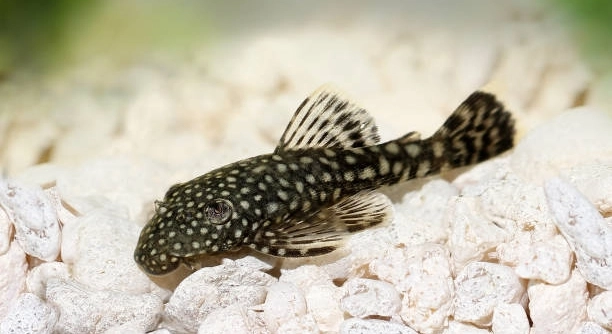
Are your plecos showing signs of stress or hiding more than usual in their tank? Many aquarists overlook the subtle ways these fish express discomfort and insecurity in their environment. Observing their behavior closely can reveal much.
Providing a secure environment for plecos involves ensuring adequate hiding spaces, stable water conditions, and proper tank companions. Maintaining these factors reduces stress, promotes natural behavior, and encourages overall health and longevity for these freshwater species.
Understanding the needs of your pleco will enhance its comfort and well-being, making your aquarium a calmer, healthier home.
Create Plenty of Hiding Spots
Plecos feel safest when they have multiple places to retreat within their tank. Driftwood, caves, and dense plants can serve as natural hiding spaces. Providing varied shelters allows plecos to escape bright lights, sudden movements, or other fish that may seem aggressive. Without these retreats, plecos can become stressed, which may affect their feeding habits and overall health. Make sure the hiding spots are distributed across the tank so they can choose a location that feels most secure. Observe how your pleco interacts with these areas to determine if adjustments are needed. Changing decorations too often can disturb them, so aim for stability. Using smooth surfaces for shelters prevents injuries, and natural wood can also support beneficial biofilm growth, which plecos enjoy grazing on. Ultimately, a well-structured tank with sufficient hiding places supports a calmer and more confident pleco.
Providing multiple hiding areas ensures plecos feel safe and reduces stress, making their behavior more natural and consistent in the tank environment.
A carefully arranged tank with stable hiding spots also supports breeding behavior and overall well-being. By giving plecos control over their surroundings, you encourage them to explore, feed, and interact without fear. Driftwood not only offers shelter but also aids digestion. Plants provide shade and additional security. Consistency in tank setup and minimal disturbance ensures plecos remain comfortable, which in turn prevents aggressive or withdrawn behavior. Regular observation allows owners to fine-tune the environment, maintaining a secure habitat over time.
Maintain Stable Water Conditions
Plecos are sensitive to sudden changes in temperature, pH, and hardness. Keeping water stable reduces stress and supports their immune system, making them feel safe in their habitat.
Consistent water parameters prevent disease and encourage natural activity patterns in plecos.
Temperature swings, fluctuations in pH, or inconsistent filtration can make plecos anxious. Using a reliable heater and monitoring system helps maintain steady conditions. Regular water testing identifies minor changes before they become harmful. Avoid overfeeding, as decaying food can alter water chemistry quickly. Filtration should provide gentle flow to mimic natural environments while avoiding strong currents that can intimidate plecos. Frequent partial water changes, rather than full replacements, maintain balance without shocking them. By understanding the preferred conditions of your pleco species, you can create a habitat where they thrive. Observing their behavior after adjustments gives insight into their comfort level. A stable tank not only supports physical health but also promotes confidence, as plecos feel secure knowing their surroundings are predictable and safe.
Provide a Balanced Diet
Plecos need a mix of algae, vegetables, and occasional protein to stay healthy. Feeding a varied diet ensures they get essential nutrients and supports their natural grazing behavior, which makes them feel secure and satisfied.
A proper diet prevents nutritional deficiencies that can cause stress or illness. Vegetables like zucchini, cucumber, and spinach provide fiber and vitamins, while algae wafers supplement essential minerals. Some species benefit from occasional protein sources such as shrimp pellets or bloodworms, but overfeeding can pollute the water and increase stress. Observing your pleco’s eating habits helps you adjust portions and food types, ensuring they are comfortable with their environment. Maintaining consistency in feeding times also reinforces security, as plecos learn to anticipate their meals, reducing anxiety and promoting calm behavior in the tank.
Introducing new foods gradually helps plecos accept changes without stress. Variety stimulates natural foraging instincts, encourages activity, and prevents boredom. Over time, consistent nutrition improves overall health, skin coloration, and energy levels. Pairing a balanced diet with stable water conditions creates a secure environment, allowing plecos to thrive.
Limit Tank Disturbances
Frequent tapping, sudden movements, or aggressive tank mates can frighten plecos, increasing stress levels and making them feel unsafe.
Keeping disturbances minimal preserves their natural behavior and reduces anxiety.
Plecos are sensitive to changes in their surroundings. Constant movement near the tank or loud noises can cause hiding, erratic swimming, or refusal to eat. Choose calm tank companions that won’t chase or intimidate them, and position the tank in a low-traffic area to reduce stress. Avoid rearranging decorations frequently, as plecos rely on familiar spaces for security. Gentle filtration and subdued lighting further create a stable environment. Observing how your pleco reacts to small changes allows you to identify stress triggers and adjust the tank accordingly. Creating a calm atmosphere helps them feel protected, encourages feeding, and promotes natural behaviors.
Keep Lighting Gentle
Bright lights can make plecos anxious, especially during the day. Using dim or filtered lighting creates a calm environment and mimics their natural habitat.
Providing shaded areas or floating plants allows plecos to retreat from strong light, reducing stress and supporting natural behavior.
Regular Tank Cleaning
Maintaining a clean tank is essential for plecos’ health and security. Uneaten food and waste can quickly degrade water quality, causing stress or illness. Consistent cleaning routines, such as partial water changes and substrate vacuuming, help preserve stable water conditions. Cleaning filters regularly ensures proper filtration and prevents buildup of harmful chemicals or debris. Avoid harsh chemicals or sudden deep cleans that can shock the fish. Observing your pleco during maintenance allows you to minimize disturbances, keeping them comfortable. A well-maintained tank provides a secure environment where plecos feel safe, eat well, and display normal activity patterns.
Use Compatible Tank Mates
Aggressive or overly active fish can stress plecos. Choosing calm species ensures a peaceful tank environment, allowing plecos to feel secure.
FAQ
How often should I feed my pleco?
Plecos generally do well with feeding once daily, though some prefer smaller portions twice a day. Vegetables like zucchini, cucumber, and leafy greens should be offered regularly, while algae wafers or pellets provide essential nutrients. Avoid overfeeding, as uneaten food can pollute the water and increase stress. Observing your pleco’s appetite will help you adjust portions for optimal health.
Can plecos live alone?
Yes, most pleco species are solitary and thrive alone. They use hiding spots and territory within the tank to feel secure. Some species tolerate peaceful tank mates, but overcrowding or aggressive fish can cause stress and aggression. Providing enough space and hiding areas is crucial for solitary plecos.
What is the ideal tank size for plecos?
Tank size depends on the species, but generally, a minimum of 30 gallons is recommended for smaller plecos. Larger species require more space, sometimes exceeding 75 gallons. Adequate swimming room and hiding spots reduce stress and support natural behavior. A spacious tank also helps maintain stable water conditions, which is critical for their security.
How do I know if my pleco is stressed?
Signs of stress include excessive hiding, reduced appetite, clamped fins, and unusual swimming patterns. Plecos may also become more aggressive or lethargic when stressed. Checking water parameters, tank setup, and tank mates can help identify and address the source of stress. Gradual adjustments restore comfort and well-being.
What are the best hiding spots for plecos?
Driftwood, caves, and dense plant clusters make excellent hiding spots. Plecos feel secure when they have multiple places to retreat. Providing varied options allows them to choose a safe space depending on their mood or activity level. Ensure shelters are stable, smooth, and easy to access without sharp edges.
How often should I clean my pleco’s tank?
Partial water changes every one to two weeks are recommended, depending on tank size and population. Cleaning the substrate and checking the filter prevents waste accumulation. Avoid deep or full cleanings that disrupt the pleco’s territory, as sudden changes can increase stress. Observing water quality helps maintain a secure environment.
Do plecos need a specific temperature range?
Yes, most plecos thrive in temperatures between 72°F and 82°F (22°C–28°C). Using a reliable heater ensures stability. Sudden temperature fluctuations can stress plecos and affect their immune system. Monitoring daily allows adjustments and creates a consistent environment for comfort and health.
Can plecos eat live plants?
Some plecos may nibble on live plants, particularly soft-leaved species like spinach or lettuce. Hardy plants such as Java fern or Anubias are less likely to be eaten. Providing sufficient vegetables reduces the need for plant grazing, maintaining both their diet and the tank’s aesthetic.
What lighting is best for plecos?
Dim or filtered lighting mimics natural habitats and reduces stress. Bright lights can make plecos hide excessively or become anxious. Floating plants or shaded areas provide relief, allowing them to adjust to light levels comfortably while maintaining normal activity.
Are plecos nocturnal?
Most plecos are primarily nocturnal, becoming more active at night. Providing hiding spots and low lighting during the day supports their natural rhythm. Feeding at consistent times, even during daylight, helps them feel secure while adjusting to your schedule.
How do I introduce new tank mates?
Introduce peaceful species gradually, monitoring interactions closely. Avoid aggressive or overly active fish, which can intimidate plecos. Giving the pleco space and adequate hiding areas during introductions reduces stress and supports a calm, secure environment.
Can plecos recognize their owners?
While plecos do not form social bonds like some other fish, they can recognize regular feeding routines and human presence. Consistency in care helps them feel secure and confident in their tank environment. Over time, they may become less skittish and more visible during daily maintenance.
Is it normal for plecos to hide all the time?
Yes, especially during the day. Plecos are naturally inclined to retreat to shelters, which helps them feel safe. As long as they are feeding and showing normal behavior at night, this hiding behavior is typical and healthy.
What plants and decorations are safe for plecos?
Smooth rocks, driftwood, and hardy plants like Anubias, Java fern, or mosses are ideal. Avoid sharp or abrasive decorations that could injure them. Proper placement ensures easy access to hiding spots and grazing surfaces, supporting both comfort and security.
How long do plecos live?
With proper care, many pleco species live between 10 to 15 years. Some larger species may live even longer. Stable water conditions, a balanced diet, and a stress-free environment contribute to longevity, allowing them to remain healthy and secure throughout their life.
Can plecos coexist with shrimp or snails?
Yes, most plecos coexist peacefully with small invertebrates. Ensure there is enough space and hiding spots to prevent competition for food. Observing their behavior during initial introduction helps maintain harmony and a calm tank environment.
What is the best substrate for plecos?
Smooth sand or fine gravel works best, reducing the risk of injury while allowing natural foraging. Avoid sharp or coarse substrates, which can cause stress or harm. A suitable substrate enhances their security and supports healthy activity within the tank.
How do I prevent plecos from damaging decorations?
Driftwood and certain plants are safe for nibbling. Secure decorations properly to prevent movement. Plecos may rearrange objects slightly, but stable items reduce stress and maintain a secure environment. Providing sufficient natural food sources also minimizes unwanted nibbling on non-edible decorations.
Do plecos need companions of their own species?
Some species tolerate others, but most plecos are solitary. Adding additional plecos without enough space or hiding spots can increase stress and aggression. Careful observation and a well-planned tank setup ensure that all inhabitants remain comfortable.
How do I tell if my pleco is healthy?
Healthy plecos are active at night, have clear eyes, smooth fins, and consistent eating habits. Regular observation, stable water conditions, and a balanced diet help maintain health. Changes in behavior or appearance can indicate stress or illness that should be addressed promptly.
Can plecos adapt to different water hardness?
Plecos can tolerate a range of hardness, but abrupt changes can stress them. Gradual adjustments and monitoring are necessary to maintain comfort. Providing stable, consistent water parameters creates a secure and healthy environment.
Are plecos noisy or disruptive in the tank?
Plecos are quiet fish. They may scrape surfaces while grazing, but this is natural and not disruptive. Their activity is mostly nocturnal, so tank noise during the day is minimal, supporting a calm atmosphere.
Do plecos need supplements or vitamins?
A balanced diet usually provides necessary nutrients. Occasional supplements, like calcium-rich foods or trace minerals, can support health, particularly for growing or breeding plecos. Over-supplementing is unnecessary and may harm water quality.
Can plecos jump out of the tank?
Yes, plecos can jump if stressed or if water quality is poor. A secure lid prevents accidents and helps them feel protected. Monitoring water conditions reduces the likelihood of escape attempts.
How often should I monitor water parameters?
Weekly testing of pH, temperature, ammonia, nitrite, and nitrate ensures stability. Frequent monitoring allows early detection of changes, supporting a secure and healthy environment for plecos. Consistency reduces stress and prevents health issues.
What is the best way to acclimate a new pleco?
Float the bag in the tank to equalize temperature, then gradually mix tank water over 30–60 minutes. This reduces stress and helps the pleco adapt safely. Minimizing sudden changes supports security and encourages normal behavior.
Do plecos interact with their environment?
Yes, plecos explore, graze on biofilm, and rearrange decorations slightly. Providing a stimulating yet safe environment encourages natural behavior, keeping them comfortable and confident in the tank.
Can plecos be aggressive?
Aggression is rare and usually occurs over territory or limited resources. Providing multiple hiding spots and adequate space reduces conflicts and ensures a secure environment for all inhabitants.
How can I make my pleco feel more secure overall?
Combine hiding spots, stable water, a balanced diet, gentle lighting, calm tank mates, and minimal disturbances. Consistency and observation help create a reliable environment where your pleco thrives, reducing stress and promoting natural behavior.
This FAQ covers essential aspects of pleco care, addressing common concerns and offering practical guidance for creating a secure, healthy environment for these fascinating freshwater fish.
Caring for plecos involves understanding their natural behaviors and needs to create an environment where they feel secure. These fish are naturally shy and territorial, so providing adequate hiding spots is essential. Driftwood, caves, and dense plant clusters allow plecos to retreat when they feel threatened or simply want to rest. Arranging shelters in various parts of the tank gives them control over their surroundings and helps reduce stress. Observing how your pleco interacts with its environment can guide you in adjusting the placement of decorations or adding new hiding spaces. A well-structured tank allows plecos to display natural behaviors, such as grazing on algae or exploring the substrate, while feeling safe and confident. In addition, maintaining stability in the tank setup is important, as sudden changes in decorations, lighting, or tank layout can create anxiety for these fish. Creating a balance between security and stimulation ensures plecos remain active without becoming stressed.
Stable water conditions are another key aspect of pleco care. These fish are sensitive to fluctuations in temperature, pH, and water hardness, which can impact their health and sense of security. Using a reliable heater, monitoring water parameters regularly, and performing consistent partial water changes help maintain a stable aquatic environment. Filtration should be gentle yet effective, providing clean water without creating strong currents that can intimidate plecos. Water quality directly affects their behavior, appetite, and overall well-being. A carefully maintained tank reduces the likelihood of stress-related illnesses and supports normal activity patterns. In addition to stable water, diet plays a significant role in their comfort. Plecos thrive on a combination of algae, vegetables, and occasional protein sources, which support healthy digestion and encourage natural foraging behaviors. Feeding on a regular schedule reinforces predictability in their environment, making them feel more secure and confident.
Finally, minimizing disturbances in the tank contributes to a sense of safety for plecos. Loud noises, sudden movements, or aggressive tank mates can increase stress, leading to hiding, erratic swimming, or reduced appetite. Choosing calm companions and positioning the tank in a low-traffic area helps maintain a peaceful atmosphere. Lighting should be gentle, with shaded areas or floating plants providing relief from bright illumination. Observing your pleco regularly allows you to identify potential stressors and make adjustments as needed. Over time, consistent care, stable conditions, proper diet, and a calm environment help plecos thrive. By prioritizing these factors, you create a secure, balanced habitat where your pleco can display natural behaviors, remain healthy, and enjoy a sense of comfort in its aquatic home.

Hello,
If you enjoy the content that we create, please consider saying a "Thank You!" by leaving a tip.
Every little bit helps us continue crafting quality advice that supports the health, happiness, and well-being of pets around the world, for pets of all shapes, sizes, and species.
We really appreciate the kindness and support that you show us!