
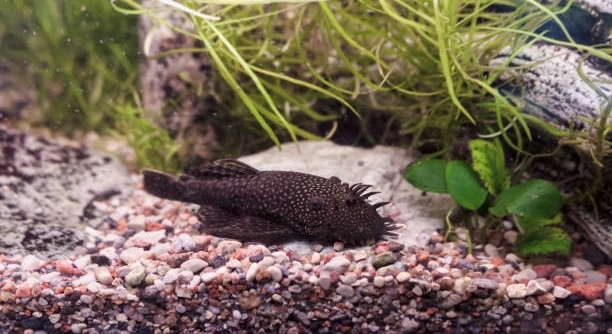
Do you ever notice your shrimp peacefully grazing along the tank floor while your pleco glides silently across the glass? Watching them together can be relaxing, yet it may leave you wondering about their compatibility and safety.
Plecos can coexist with shrimp under carefully monitored conditions. Ensuring sufficient hiding spots, maintaining appropriate tank size, and providing a balanced diet reduces the likelihood of plecos harming shrimp, though smaller or slow-moving shrimp remain at some risk.
Maintaining harmony in your tank requires understanding each species’ habits and needs before making long-term decisions.
Understanding Pleco Behavior
Plecos are generally peaceful fish, but they have habits that may surprise new tank owners. They are nocturnal and spend most of their time hiding during the day, which means they usually won’t disturb shrimp directly. Their feeding habits focus on algae and plant matter, though larger species may sometimes nibble on slow or small creatures. Plecos also grow steadily and need enough space to swim and hide. Overcrowding can lead to stress, which increases the chances of aggression or accidental harm to shrimp. Providing caves, driftwood, and plants creates a safe environment where both species can thrive. Observing your tank regularly is important because plecos can change behavior if the tank conditions shift. A stable water temperature and clean environment reduce stress for all inhabitants. Understanding their patterns helps in creating a safe and balanced aquarium, allowing shrimp to graze freely while plecos perform their natural cleaning duties.
Proper tank size and hiding places are key for peaceful coexistence.
Monitoring water parameters, feeding routines, and tank layout carefully will ensure both plecos and shrimp remain healthy and safe.
Choosing Compatible Shrimp
Not all shrimp species interact with plecos the same way. Some are smaller or slower, making them more vulnerable. Amano shrimp and cherry shrimp are usually safer choices, as they can hide quickly and tolerate pleco activity. Fast-growing plants and mosses offer extra cover, which reduces encounters that may stress the shrimp. Avoid mixing very tiny or delicate shrimp with large pleco species, since accidental harm can occur even if the pleco is not aggressive.
Selecting the right species involves considering size, speed, and hiding habits.
Before adding plecos to a tank with shrimp, it is crucial to research species compatibility. Large plecos may be intimidating to smaller shrimp, and their feeding needs might differ, creating conflicts over resources. By understanding both species’ behavior and dietary requirements, you can plan a tank layout that minimizes risk. Adding plenty of plants, rocks, and driftwood gives shrimp spaces to retreat, while plecos can maintain their natural grazing habits. Feeding plecos separately or supplementing their diet reduces competition and potential aggression. Observing the tank for the first few weeks allows adjustments, such as adding extra hiding spots or adjusting feeding schedules. Thoughtful planning and ongoing monitoring can create a harmonious environment where plecos and shrimp coexist safely, promoting a healthy and dynamic aquarium for everyone.
Feeding Habits
Plecos mainly eat algae and plant matter, but they can sometimes snack on soft-bodied creatures. Shrimp usually feed on leftover food and biofilm. Separating feeding areas helps prevent competition and reduces stress between the species.
Providing sinking pellets or algae wafers ensures plecos get enough food without bothering shrimp. It’s helpful to feed in one corner and let shrimp graze elsewhere. Observing their eating habits allows you to adjust portions so both species remain healthy. Overfeeding plecos can lead to water quality issues, so moderation is important. Keeping feeding routines consistent helps maintain calm behavior and reduces the chances of accidental shrimp injuries.
Supplementing pleco diets with fresh vegetables like zucchini or cucumber can improve their health. Shrimp benefit from occasional protein additions, such as blanched spinach or small bits of fish food. Ensuring both species have access to proper nutrition while minimizing overlap creates a peaceful tank environment where everyone thrives, making the aquarium easier to manage and enjoy.
Tank Setup Considerations
A well-structured tank prevents most conflicts between plecos and shrimp. Rocks, driftwood, and plants provide hiding spaces and separate territories, helping both species feel secure.
Placing dense vegetation in multiple areas gives shrimp safe spots to retreat, while plecos use caves and driftwood to hide. Avoid overcrowding, as limited space increases stress and may lead to unintentional aggression. Substrate choice matters; fine sand is safer for shrimp burrowing and pleco movements. Monitoring water flow is important because strong currents can stress smaller shrimp, while plecos prefer moderate flow for grazing algae. Temperature and pH stability support both species’ health, preventing illness that could trigger defensive behavior. A thoughtfully arranged tank balances the needs of plecos and shrimp, creating a harmonious environment.
Monitoring Behavior
Observing daily interactions is key to keeping plecos and shrimp safe. Watch for signs of stress, hiding, or aggression. Early detection allows you to adjust the environment or feeding habits before problems escalate.
Noticing unusual behavior, such as plecos chasing shrimp or shrimp staying in one spot, signals that changes may be needed. Adjust hiding places, feeding locations, or tank decorations to reduce stress and keep both species comfortable. Regular checks help maintain a peaceful tank without constant intervention.
Water Quality Maintenance
Stable water parameters are essential for plecos and shrimp. Ammonia, nitrite, and nitrate levels must be monitored regularly, along with pH and temperature. Consistent water changes and proper filtration prevent harmful spikes that could stress or harm tank inhabitants. Maintaining clean, oxygen-rich water supports healthy growth and activity for both species. Proper filtration and moderate water flow keep debris from accumulating, while partial water changes help maintain balanced chemistry. Testing the water weekly ensures any issues are caught early, and adjusting conditions gradually prevents sudden stress. This creates a safer and more comfortable environment for plecos and shrimp to coexist.
Avoiding Overcrowding
Overcrowding increases stress and conflict in the tank. Both plecos and shrimp need space to move freely and establish territories.
Providing enough room prevents accidents and promotes healthier behavior, keeping your aquatic environment balanced and safe.
FAQ
Can plecos and shrimp live together long-term?
Yes, plecos and shrimp can live together long-term if the tank is set up properly. Providing plenty of hiding spots, a balanced diet, and stable water conditions reduces stress and risk of accidental harm. Monitoring behavior regularly is important to ensure harmony.
Do all plecos pose a threat to shrimp?
Not all plecos are dangerous to shrimp. Smaller species, like bristlenose plecos, are generally safe with adult shrimp. Larger plecos may unintentionally harm smaller shrimp, especially when food is scarce or hiding spots are limited. Choosing the right pleco species is essential for compatibility.
How can I protect my shrimp from plecos?
Adding dense plants, moss, and caves gives shrimp places to hide. Feeding plecos separately or supplementing their diet ensures they don’t search for alternative food sources, reducing the chance of harming shrimp. Careful tank layout minimizes interactions that might stress smaller creatures.
What kind of diet should I provide for both species?
Plecos thrive on algae wafers, sinking pellets, and fresh vegetables like zucchini or cucumber. Shrimp need biofilm, plant matter, and occasional protein supplements such as blanched spinach or shrimp pellets. Feeding each species appropriately ensures both remain healthy without competition for food.
Is tank size important for coexistence?
Yes, tank size matters a lot. Larger tanks reduce stress and give both species space to establish territories. Overcrowding increases competition, stress, and accidental aggression. A minimum of 20 gallons is recommended for smaller plecos with shrimp, and larger species require significantly more space.
How often should I check water parameters?
Water should be tested weekly for ammonia, nitrites, nitrates, pH, and temperature. Plecos and shrimp are sensitive to fluctuations, and sudden changes can cause stress or illness. Regular maintenance and partial water changes help maintain stable conditions.
Do plecos eat shrimp eggs?
Some plecos might nibble on shrimp eggs if they find them, though this is uncommon in well-planted tanks. Dense vegetation and hiding spots reduce the risk, allowing shrimp to breed safely without significant losses. Observing tank conditions helps you protect eggs if needed.
Can shrimp survive with aggressive plecos?
Shrimp survival decreases if housed with aggressive or large plecos. In such cases, providing extensive hiding areas, fast-growing plants, or separate breeding tanks is necessary. Selecting compatible plecos is the most effective way to prevent harm to shrimp.
How do I know if my pleco is stressed?
Signs of stress include hiding excessively, reduced feeding, rapid breathing, or erratic swimming. Stress increases the likelihood of accidental shrimp harm and can affect overall tank health. Monitoring behavior and maintaining stable water conditions help reduce stress.
Should I quarantine plecos or shrimp before adding them to a shared tank?
Yes, quarantining new plecos or shrimp for at least two weeks prevents introducing diseases or parasites. This step protects both species and allows you to monitor behavior before adding them to the main tank, ensuring a safer environment.
Can plecos and shrimp reproduce successfully in the same tank?
Shrimp can reproduce in the same tank if conditions are right, with plenty of hiding spaces for juveniles. Plecos usually do not harm adult shrimp if the tank is set up properly. Careful planning ensures that both species thrive without disrupting breeding.
What plants are best for protecting shrimp from plecos?
Dense mosses like Java moss, ferns, and floating plants provide excellent cover. Plants that grow quickly give shrimp places to hide while allowing plecos to graze on algae elsewhere. Proper plant density balances visibility, activity, and safety.
How can I reduce accidental harm from plecos?
Ensure multiple feeding zones, abundant hiding spots, and proper tank size. Observing interactions, maintaining clean water, and providing sufficient food helps reduce accidents. Gradual adjustments in tank layout prevent sudden stress or territorial disputes.
Is it safe to keep baby shrimp with adult plecos?
Baby shrimp are more vulnerable, so extra precautions are necessary. Dense plants, moss, and safe breeding areas protect them from accidental harm. Adult plecos may not target them intentionally, but size differences make juveniles at higher risk.
What are the most compatible pleco species for shrimp tanks?
Bristlenose plecos, clown plecos, and rubber lip plecos are considered compatible with shrimp. These species are smaller, slower-moving, and primarily herbivorous, which reduces risk to shrimp while still fulfilling algae-cleaning roles.
How do I adjust feeding to keep both species safe?
Feed plecos in one area with algae wafers or vegetables and allow shrimp to graze elsewhere. Small, frequent feedings help prevent competition. Observing consumption ensures both species receive enough food without conflict or stress.
Can plecos and shrimp tolerate the same water conditions?
Most plecos and freshwater shrimp tolerate similar temperatures and pH ranges, but research individual species requirements. Keeping parameters within a safe range for both ensures health and reduces stress, allowing them to coexist peacefully.
How do I introduce a pleco to a shrimp tank safely?
Acclimate the pleco slowly to the water conditions and monitor initial interactions. Provide hiding spots and observe behavior closely. Gradual introduction prevents stress for both plecos and shrimp, improving chances of peaceful coexistence.
What signs indicate shrimp are stressed by plecos?
Shrimp that hide constantly, refuse food, or show rapid movement may be stressed. Adjusting tank layout, providing more cover, or separating species temporarily can help restore calm. Consistent observation is key to early intervention.
Are algae wafers sufficient for plecos in a shrimp tank?
Algae wafers are generally sufficient but should be supplemented with vegetables for a balanced diet. Proper nutrition keeps plecos healthy without forcing them to search for alternative food sources, which could disturb shrimp.
Can I keep multiple plecos with shrimp safely?
Yes, but tank size and hiding spots must increase proportionally. Multiple plecos increase the risk of stress or accidental shrimp harm if space is limited. Proper planning and monitoring are essential for a safe, harmonious tank.
Do plecos eat leftover shrimp food?
Plecos may eat leftover shrimp food, which usually isn’t harmful. However, overfeeding can affect water quality and lead to stress. Managing feeding routines helps balance nutrition and tank cleanliness, benefiting both species.
How do I ensure shrimp breed successfully with plecos present?
Provide dense plants, moss, and separate hiding areas for juveniles. Ensure plecos are well-fed and monitor interactions. Maintaining stable water parameters and a peaceful environment allows shrimp to reproduce safely while plecos perform their cleaning roles.
Is it okay to mix different shrimp species with plecos?
Mixing different shrimp species can work if they have similar size and activity levels. Avoid extremely small or slow species with larger plecos. Providing ample hiding spaces ensures safety and minimizes stress for all tank inhabitants.
How often should I clean a pleco and shrimp tank?
Partial water changes once a week and filter maintenance every two to four weeks keep water clean. Avoid disturbing hiding spots excessively to prevent stress. Consistent cleaning supports health and reduces the risk of disease or aggression.
Can plecos harm shrimp during molting?
Molting shrimp are vulnerable because their shells are soft. Plecos may accidentally nibble, so providing dense hiding spots is essential during these periods. Monitoring behavior ensures molting shrimp survive safely and continue to grow.
What is the safest way to add new shrimp to a tank with plecos?
Introduce new shrimp gradually, providing hiding spots and observing interactions closely. Quarantining new shrimp and acclimating them reduces stress and ensures they adapt safely alongside existing plecos and shrimp.
How do I balance algae cleaning and shrimp safety?
Allow plecos to graze in areas away from dense shrimp habitats. Supplement their diet with vegetables and wafers to reduce foraging pressure. Proper tank layout ensures algae removal without compromising shrimp safety.
Are there signs of incompatibility I should watch for?
Frequent chasing, hiding, refusal to eat, or visible injuries indicate incompatibility. Addressing these issues promptly by adjusting hiding spots, feeding routines, or tank layout can prevent long-term stress or harm.
Can plecos and shrimp share a tank with other fish?
Yes, but compatibility depends on the additional species. Avoid aggressive or large fish that could harm either plecos or shrimp. Observing behavior and providing space ensures a balanced and safe community tank.
How do I know if my tank is large enough for both species?
A tank that allows swimming space, multiple hiding spots, and feeding zones is sufficient. Smaller tanks create stress and increase accidental encounters. Monitoring behavior helps determine if adjustments are needed.
What precautions should I take when breeding shrimp in a pleco tank?
Provide dense moss, caves, and separate areas for juveniles. Ensure plecos are well-fed to reduce interest in shrimp eggs. Regular observation helps protect young shrimp and maintain a safe environment for breeding.
How do I reduce stress for both plecos and shrimp?
Maintain stable water parameters, provide sufficient hiding spots, feed properly, and avoid overcrowding. Consistent observation and gradual adjustments prevent stress, keeping both species healthy and promoting peaceful coexistence.
Can plecos and shrimp coexist in small tanks?
Small tanks increase stress and risk of accidental harm. They require careful planning, frequent monitoring, and plenty of hiding spots. For long-term safety, larger tanks are strongly recommended for maintaining a balanced ecosystem.
What is the best way to feed plecos without disturbing shrimp?
Feed plecos in a corner or specific area with algae wafers or vegetables. Let shrimp graze elsewhere on leftover food or biofilm. This separation reduces competition and stress, ensuring both species get proper nutrition.
How do I prevent plecos from damaging plants shrimp use for hiding?
Use hardy plants for pleco grazing areas and soft, dense plants for shrimp hiding. Placing decorations strategically allows plecos to feed without disturbing shrimp shelters. Observing plant wear helps adjust placement and protect shrimp zones.
Can I keep juvenile shrimp with adult plecos safely?
Yes, but extra care is needed. Provide dense moss, caves, and hiding spaces. Juvenile shrimp are more vulnerable, so monitoring interactions and ensuring plecos are well-fed helps prevent accidental harm and promotes survival.
Are plecos naturally aggressive toward shrimp?
Plecos are not inherently aggressive toward shrimp. Most conflicts arise from stress, overcrowding, or insufficient food. Providing space, hiding spots, and proper nutrition keeps interactions peaceful and minimizes risks.
Do I need to adjust water flow for both species?
Yes, moderate water flow is best. Plecos tolerate moderate currents, while strong currents can stress shrimp. Adjusting flow ensures both species can feed, hide, and swim comfortably without added stress.
How can I tell if a pleco is compatible with my shrimp?
Observe behavior after introduction. A compatible pleco ignores shrimp while grazing, shows no aggression, and maintains normal feeding and hiding patterns. Early observation allows intervention if conflicts appear.
What tank decorations work best for plecos and shrimp?
Driftwood, caves, rocks, and dense plants create hiding spots and grazing areas. Providing separate zones reduces stress and prevents accidental encounters. Strategically placing decorations maintains balance while supporting natural behaviors.
How do I manage algae growth with both species in the tank?
Allow plecos to graze naturally while supplementing their diet with vegetables. Shrimp help clean leftover food and biofilm. Maintaining moderate light and regular cleaning balances algae growth without stressing either species.
Are plecos safe with shrimp larvae?
Shrimp larvae are very small and vulnerable. Dense moss and breeding areas are essential to protect them. Well-fed plecos are less likely to disturb larvae, increasing survival rates for juvenile shrimp.
Can stress from plecos affect shrimp molting cycles?
Yes, stressed shrimp may delay molting or shed shells improperly. Providing hiding spaces, stable water conditions, and adequate nutrition reduces stress and supports healthy molting cycles.
Do I need to separate plecos and shrimp during tank cleaning?
Not always, but avoid disrupting hiding spots. Gentle cleaning and partial water changes prevent stress. Observing behavior during maintenance ensures both species remain safe.
How can I tell if my shrimp population is thriving with plecos?
Active shrimp, successful breeding, and low mortality indicate a thriving population. Balanced feeding, sufficient hiding spots, and stable water parameters support coexistence with plecos.
What is the best way to introduce plecos to a shrimp tank?
Acclimate the pleco slowly to the water. Place hiding spots, feed properly, and monitor interactions. Gradual introduction reduces stress and increases the likelihood of peaceful coexistence.
Can plecos damage soft plants shrimp use for cover?
Yes, some plecos may nibble on soft plants. Providing hardy grazing plants for plecos and dense moss for shrimp creates a balance, protecting shrimp shelters while satisfying pleco needs.
How do I maintain peace during shrimp breeding cycles?
Ensure dense hiding areas and well-fed plecos. Monitor interactions closely, especially with juveniles. Stable water parameters and consistent feeding reduce stress, allowing successful breeding without interference.
Is it necessary to feed plecos at night?
Feeding plecos at night aligns with their natural habits, but they can adapt to daytime feeding if necessary. Consistent feeding routines reduce stress and help maintain peace with shrimp.
Can plecos and shrimp share a tank with snails?
Yes, most plecos and shrimp coexist safely with snails. Snails add biofilm cleanup and occupy different niches, reducing competition. Observe interactions initially to ensure harmony.
Do plecos bother shrimp during molting periods?
They may accidentally disturb soft shells, so providing hiding areas is crucial. Dense plants and shelters protect molting shrimp until they regain their hard shells.
How do I adjust tank lighting for both species?
Moderate lighting supports plant growth and shrimp activity while keeping plecos comfortable. Avoid overly bright lights that stress nocturnal plecos and provide shaded areas for hiding.
Can I keep multiple shrimp species with plecos?
Yes, if species are similar in size and activity. Avoid tiny or very slow species with larger plecos. Providing ample hiding spaces ensures safety and reduces stress.
What are early signs of shrimp stress from plecos?
Hiding constantly, reduced feeding, rapid movement, or pale color indicate stress. Addressing hiding spots, feeding, and tank layout can restore calm.
Can plecos and shrimp tolerate slightly different pH levels?
Small differences are usually tolerated, but maintaining a stable range suitable for both species prevents stress and supports health. Sudden changes are more harmful than slight variations.
How often should I feed shrimp in a pleco tank?
Feed small amounts daily or every other day. Let them graze on biofilm and leftover food. Proper feeding prevents competition and ensures healthy growth alongside plecos.
Can plecos harm shrimp when stressed?
Yes, stressed plecos may act unpredictably, potentially harming shrimp accidentally. Maintaining hiding spots, space, and stable conditions reduces stress for both species.
Is it safe to keep juvenile plecos with adult shrimp?
Juvenile plecos are generally safe with adult shrimp. Their small size and herbivorous diet reduce risk, but hiding spots and monitoring remain important to prevent accidental harm.
Do plecos require live plants, or can artificial plants work with shrimp?
Artificial plants provide hiding spots and don’t risk being eaten. Live plants offer additional grazing and water quality benefits. Either type works if both species have cover and space.
Can plecos and shrimp tolerate slightly cooler water together?
Slightly cooler water may slow metabolism but is usually safe if it remains within both species’ tolerance range. Avoid sudden drops, which can stress both plecos and shrimp.
How do I prevent plecos from disturbing shrimp eggs?
Feed plecos well, provide dense plants, and create separate breeding areas. Observation helps ensure eggs are safe until they hatch, reducing accidental predation.
Can I use caves and driftwood to separate plecos and shrimp?
Yes, creating separate zones with caves, driftwood, or dense plants allows each species space. This reduces stress and prevents accidental encounters.
How do I know if my tank has enough hiding spots?
Shrimp should have multiple dense areas to hide comfortably. Plecos need caves or driftwood. If either species constantly hides or avoids certain zones, additional shelters are needed.
Do plecos and shrimp need the same water temperature?
Most freshwater plecos and shrimp have overlapping temperature ranges. Maintaining stable conditions within both species’ tolerance prevents stress and supports health and activity.
Can plecos accidentally harm shrimp during feeding?
Yes, larger plecos may accidentally bump or disturb shrimp while eating. Providing separate feeding areas and sufficient food reduces risk. Observation ensures safety.
Are there any signs of successful coexistence?
Active shrimp, healthy plecos, minimal hiding, and normal feeding patterns indicate successful coexistence. Balanced diet, hiding spots, and stable water support harmony.
Can plecos damage shrimp shelters if the tank is too small?
Yes, limited space increases accidental encounters. Dense plants and careful layout are crucial in small tanks to protect shrimp shelters. Overcrowding raises stress and risk of injury.
How do I manage tank decorations for both species?
Place caves, rocks, and plants strategically to separate grazing areas for plecos and hiding areas for shrimp. Adjust decorations as needed to maintain balance and reduce stress.
Can plecos and shrimp tolerate the same light cycle?
Yes, moderate lighting works. Plecos are nocturnal but adapt to day/night cycles, while shrimp benefit from light for grazing and activity. Provide shaded areas for plecos to rest.
How do I maintain a balanced ecosystem with both species?
Ensure proper feeding, hiding spots, water quality, and tank size. Observe behavior, make gradual adjustments, and provide enrichment like driftwood or plants. Balanced care keeps both species healthy and reduces stress.
Can stress from water changes affect plecos and shrimp differently?
Yes, sudden water changes can startle both species. Gradual changes minimize stress. Consistency and careful monitoring help both plecos and shrimp adjust safely.
Is it necessary to remove uneaten food immediately?
Yes, uneaten food can decay and affect water quality, stressing plecos and shrimp. Regularly removing excess food helps maintain a clean and safe environment.
Do plecos need extra calcium for shrimp health?
Indirectly, yes. Plecos do not need calcium for shrimp, but maintaining water with proper hardness supports shrimp molting and shell health. Stable parameters benefit both species.
How do I handle illness in a pleco and shrimp tank?
Quarantine sick fish or shrimp, adjust water parameters, and treat carefully. Avoid medications harmful to either species. Observation and prompt action prevent disease spread.
Can plecos and shrimp tolerate minor water parameter fluctuations?
Minor, gradual fluctuations are usually tolerated, but sudden changes stress both species. Stability is more important than small deviations, which supports long-term coexistence.
**How do
Keeping plecos and shrimp together can work well if the tank is set up thoughtfully. Both species have specific needs that must be met for peaceful coexistence. Plecos are generally calm fish that spend most of their time grazing on algae or hiding in caves and driftwood. Shrimp are smaller and more vulnerable, so they rely heavily on plants, moss, and other hiding spots to feel safe. By providing enough space, decorations, and feeding areas, you reduce the chance of stress or accidental harm. A proper tank layout allows plecos to perform their natural cleaning behavior while shrimp can graze and move freely. It is important to remember that even the calmest plecos may accidentally disturb shrimp if hiding places are limited or food is scarce, so planning ahead is essential.
Monitoring behavior regularly is one of the most important steps to ensure a harmonious environment. Watching how plecos and shrimp interact gives insight into whether adjustments are needed. For example, if shrimp are hiding constantly or plecos appear stressed, it may indicate that tank conditions need improvement. Feeding both species properly helps minimize competition and accidental encounters. Providing sinking pellets, algae wafers, and vegetables for plecos while offering shrimp biofilm, plant matter, and small protein supplements keeps everyone healthy. Water quality also plays a major role in reducing stress. Stable temperature, pH, and low levels of ammonia, nitrites, and nitrates help both species thrive. Regular partial water changes and proper filtration keep the tank clean and safe, supporting natural behaviors and overall health.
Choosing compatible species and maintaining a thoughtful setup ensures that plecos and shrimp can coexist safely over the long term. Smaller plecos, like bristlenose or clown plecos, are generally better choices for a tank with shrimp. Large or aggressive species may increase the risk of accidental harm, even if they are not intentionally aggressive. Dense plants, caves, moss, and driftwood provide protection for shrimp and separate grazing areas for plecos. Tank size should allow free swimming and adequate territory for both species to reduce stress. Overcrowding or limited hiding spaces can lead to unintended conflicts. With careful planning, consistent maintenance, and observation, plecos and shrimp can live together peacefully. This balanced approach promotes a healthy, stable tank where both species benefit from their environment, creating a low-stress, visually appealing, and enjoyable aquarium.

Hello,
If you enjoy the content that we create, please consider saying a "Thank You!" by leaving a tip.
Every little bit helps us continue crafting quality advice that supports the health, happiness, and well-being of pets around the world, for pets of all shapes, sizes, and species.
We really appreciate the kindness and support that you show us!