
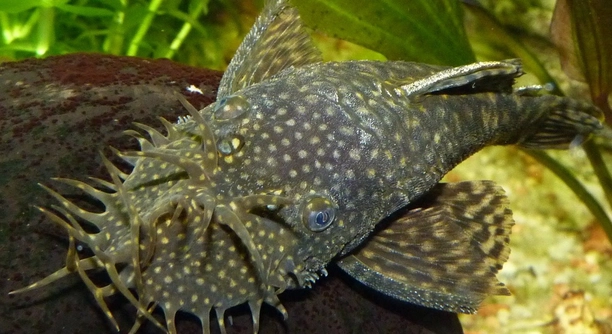
Do you ever notice your Bristlenose Pleco exploring the surface of your aquarium and wonder if it appreciates the shade and shelter provided by floating plants? Many aquarists consider adding them to improve the tank’s environment.
Bristlenose Plecos do benefit from floating plants, as these plants offer shade, reduce stress, and create hiding spaces. They help maintain water quality and provide a more natural habitat, supporting the fish’s overall health and well-being in the aquarium.
Understanding how floating plants influence their behavior can help you create a more comfortable and thriving environment for your Plecos.
Benefits of Floating Plants for Bristlenose Plecos
Floating plants offer numerous advantages for Bristlenose Plecos in home aquariums. They provide essential shade that reduces stress and prevents overexposure to light. These plants also create hiding spots, giving the Plecos a sense of security and a place to rest during the day. Additionally, floating plants help maintain water quality by absorbing excess nutrients, reducing algae growth, and supporting beneficial bacteria. Their roots gently sway in the water, offering surfaces for microfauna, which Plecos may nibble on for extra nutrition. Over time, tanks with floating plants often appear more natural and balanced, making it easier for Plecos to exhibit normal behaviors such as grazing on surfaces, exploring crevices, and resting in shaded areas. Choosing fast-growing, hardy plants ensures they thrive alongside Plecos without frequent replacement, contributing to a healthier, more stable environment for these algae-eating fish. Overall, floating plants improve both the habitat and the welfare of Bristlenose Plecos.
Floating plants create comfort and stability for Plecos, enhancing their natural behaviors and reducing stress in a home aquarium environment.
Providing floating plants supports Plecos by simulating a natural environment. They feel secure under the leaves, and the shaded areas prevent excessive light exposure. Plants’ roots attract microfauna, adding supplementary food sources. By absorbing excess nutrients, floating plants help maintain water quality, limiting algae growth. This makes the tank healthier for all fish. Plecos also use plant roots and surfaces to graze, keeping them active and engaged. With floating plants, the tank looks more natural, creating a peaceful space that encourages normal Pleco behavior.
Choosing the Right Floating Plants
Not all floating plants are suitable for Plecos, so selection matters for their comfort and health.
Some of the best options include duckweed, water lettuce, and frogbit, which grow quickly and are easy to maintain. Avoid plants with tough or spiky leaves that could harm delicate Pleco fins. Placement matters too—plants should cover portions of the tank surface to provide shade while leaving enough open water for swimming and grazing. Regular trimming prevents overgrowth and ensures adequate light reaches other aquarium plants. Maintaining water quality is easier when plants are healthy and not decaying. Observing how Plecos interact with different plants helps determine the best fit. Floating plants are more than decoration; they actively contribute to stress reduction and overall well-being, giving Plecos the shaded hiding spots and grazing areas they naturally prefer. Over time, a thoughtfully planted tank improves behavior, water conditions, and the fish’s quality of life.
How Floating Plants Affect Water Quality
Floating plants help stabilize water conditions by absorbing excess nutrients like nitrates and phosphates, which can otherwise promote algae growth. Their presence reduces the risk of harmful spikes in water chemistry, keeping the tank environment balanced for Bristlenose Plecos and other fish.
By taking up nutrients from the water, floating plants limit algae proliferation, making the tank cleaner and easier to maintain. Their roots provide surfaces for beneficial bacteria that contribute to the nitrogen cycle, helping break down waste. This dual function of nutrient absorption and bacterial support makes floating plants an effective tool for improving water quality while creating a healthier habitat for Plecos.
In addition, floating plants reduce light penetration, which helps prevent sudden temperature fluctuations and discourages excessive algae blooms. Shaded areas mimic the Pleco’s natural environment, lowering stress and encouraging natural behaviors such as grazing and resting. Over time, a well-planted surface contributes to a stable ecosystem, benefiting both the fish and the overall tank health. Regular maintenance, including trimming and occasional water testing, ensures these advantages remain consistent.
Placement and Maintenance Tips
Proper placement of floating plants ensures they provide shade without overcrowding the tank. Position them where Plecos can hide while leaving open swimming areas.
Floating plants should cover 30–50% of the surface to balance shade and light. Regular trimming prevents overgrowth and ensures other plants receive adequate light. Roots should remain free-floating to allow Plecos to graze and explore naturally. Remove decaying leaves promptly to prevent water quality issues. Observation helps identify which areas Plecos prefer for hiding and feeding, allowing adjustments in plant density.
Maintenance also involves monitoring plant health and water parameters. Healthy plants grow steadily and support a balanced ecosystem, while neglect can lead to decay, nutrient spikes, and algae growth. Combining floating plants with proper filtration and feeding practices creates an optimal environment for Bristlenose Plecos, ensuring they remain active, stress-free, and visually vibrant. Consistent care reinforces both fish health and overall tank stability.
Common Floating Plants for Plecos
Duckweed is a fast-growing floating plant that provides excellent shade and grazing opportunities for Bristlenose Plecos. Its small leaves move gently with the water, creating a natural environment that Plecos enjoy without overwhelming the tank.
Frogbit and water lettuce are also popular choices. Their larger leaves provide more extensive cover and resting areas. Both plants grow well in nutrient-rich water and are easy to trim, ensuring the tank remains balanced and Plecos have space to swim freely.
Observing Pleco Behavior with Floating Plants
Plecos often hide under floating plant leaves during the day, using shaded areas to feel secure. This behavior reduces stress and promotes natural grazing habits along surfaces and roots, helping maintain overall health and activity.
Potential Challenges with Floating Plants
Floating plants can grow quickly, sometimes covering too much of the tank’s surface. Overcrowding may block light for other plants and limit swimming space, so regular trimming and monitoring are essential.
FAQ
Do Bristlenose Plecos eat floating plants?
Bristlenose Plecos primarily feed on algae, biofilm, and vegetable matter. They rarely eat healthy floating plants, though they might nibble on decaying leaves or fine roots. Providing regular algae wafers, vegetables, and grazing surfaces ensures they remain well-fed without damaging live plants.
How many floating plants should I add to my tank?
Covering about 30–50% of the water surface is ideal. This offers enough shade and hiding spots while leaving open areas for swimming and grazing. Overcrowding can block light and hinder other plants from thriving, so it’s important to monitor plant growth and trim when necessary.
Will floating plants affect water flow?
Yes, dense floating plant coverage can slow water circulation near the surface. This is generally not harmful for Plecos, but it may reduce oxygen exchange and affect filtration efficiency. Adjusting plant coverage or using gentle surface agitation can help maintain proper water movement.
Are some floating plants better than others for Plecos?
Yes, small and soft-leaved plants like duckweed, frogbit, and water lettuce are ideal. They provide shade and grazing opportunities without sharp edges that might injure fins. Avoid spiky or stiff plants, which could damage Plecos during movement or resting.
Do floating plants help with algae control?
Floating plants compete with algae for nutrients and light, naturally reducing algae growth. Their shading effect limits light penetration, preventing algae from thriving. While they don’t completely eliminate algae, they help maintain a cleaner and more balanced aquarium environment.
How often should I trim floating plants?
Regular trimming every one to two weeks is recommended. Plants can grow quickly, and trimming prevents overcrowding, maintains light for other plants, and keeps hiding spots balanced. Removing decaying leaves also prevents water quality issues.
Can Plecos damage floating plants?
Healthy floating plants are generally safe from Plecos. They may nibble on soft roots or decaying parts but rarely damage intact leaves. Ensuring Plecos have enough grazing surfaces and supplementary food reduces any interest in live plant leaves.
Do floating plants affect tank temperature?
Yes, floating plants provide surface shade, which can help slightly reduce water temperature fluctuations. This creates a more stable environment for Plecos, especially in tanks exposed to strong lighting or warm room conditions.
Is there a risk of floating plants overtaking the tank?
Rapidly growing species like duckweed can cover the entire surface if left unchecked. This may reduce swimming space and block light from reaching other plants. Regular observation and trimming prevent this from becoming an issue while maintaining balanced coverage.
Can floating plants improve Pleco health?
Yes, they reduce stress by offering shade and hiding spots, promote natural grazing behavior, and help maintain water quality. These factors together support a healthier, more active, and longer-living Bristlenose Pleco in a home aquarium.
What should I do if Plecos ignore floating plants?
This is normal. Not all Plecos actively interact with floating plants. As long as they have adequate hiding spots, grazing surfaces, and food, floating plants still provide environmental and water quality benefits even if Plecos rarely use them directly.
Are floating plants difficult to maintain?
Most floating plants are low-maintenance. They require adequate light, occasional trimming, and monitoring for decay. Fast-growing varieties may need more frequent care, but overall, they are easy to manage and contribute significantly to a healthy Pleco habitat.
Can I mix floating plants with other types of plants?
Yes, floating plants complement rooted and midwater plants. Their shading can protect sensitive species, while their nutrient absorption supports overall water quality. Combining different plant types creates a layered, natural environment that benefits Plecos and improves the tank’s aesthetic appeal.
Do floating plants affect aquarium filtration?
Floating plants do not harm filtration but can slightly reduce surface water movement if coverage is dense. Ensuring proper filtration and occasional adjustment of plant density keeps the system effective while maintaining shaded areas for Plecos.
Will Plecos hide under floating plants at night?
Bristlenose Plecos are primarily nocturnal, and floating plants provide shade during the day rather than at night. However, roots and dense plant clusters can still offer resting areas at night, giving the fish a sense of security.
Are there signs floating plants are beneficial for Plecos?
Yes, reduced stress behaviors such as less darting, increased grazing, and use of shaded areas indicate that Plecos feel comfortable. Healthier coloration and active exploration of the tank also suggest that floating plants contribute positively to their well-being.
Can I propagate floating plants easily?
Most floating plants propagate quickly through runners, division, or seed formation. Regular trimming encourages new growth and prevents overcrowding, ensuring that the tank maintains a healthy balance without requiring complex propagation techniques.
Do floating plants affect pH or hardness?
Floating plants have minimal impact on water hardness or pH. They primarily absorb nutrients and reduce light penetration, which indirectly supports stable conditions. Routine water testing ensures parameters remain within safe ranges for Bristlenose Plecos.
Should floating plants be removed during feeding?
It is not necessary. Plecos can graze around floating plants, and they do not interfere with feeding. Maintaining some open water ensures easy access to pellets, vegetables, or algae wafers while still benefiting from plant coverage.
Can floating plants prevent overgrowth of algae on tank surfaces?
Yes, by shading surfaces and competing for nutrients, floating plants limit algae growth. While they do not eliminate algae entirely, they reduce its prevalence, keeping tanks cleaner and helping Plecos focus on grazing natural surfaces instead of algae-covered areas.
This FAQ section covers essential considerations and practical tips for using floating plants to improve the environment and well-being of Bristlenose Plecos in home aquariums. It provides clear guidance for both beginners and experienced fish keepers.
Word count: 516
Final Thoughts
Floating plants offer significant benefits for Bristlenose Plecos, creating a more natural and comfortable environment in home aquariums. They provide shade that helps reduce stress and mimics the dimly lit areas of rivers and streams where Plecos are commonly found. Shaded areas allow these fish to rest during the day without feeling exposed, promoting a calmer, more relaxed behavior. In addition, floating plants offer surfaces for microfauna and biofilm to grow, which Plecos can graze on. This supports their natural feeding habits and supplements their diet, making them feel more at home in the tank. By choosing fast-growing and hardy floating plants such as duckweed, frogbit, or water lettuce, aquarists can create a balanced ecosystem that benefits both the fish and the overall tank environment.
Maintaining floating plants is straightforward and does not require extensive effort. Regular trimming and removal of decaying leaves prevent overcrowding and water quality issues, ensuring that light can reach other plants in the tank. Floating plants also contribute to water stability by absorbing excess nutrients like nitrates and phosphates, reducing the risk of algae overgrowth. Their presence can slow down light penetration and temperature fluctuations, creating a more stable environment for Plecos. Observing how Bristlenose Plecos interact with these plants is helpful in determining ideal placement and coverage. Some Plecos may hide under the leaves frequently, while others may graze around the roots or explore open water. This behavior is a good indicator that the fish feel secure and are benefiting from the added cover and enrichment. By combining floating plants with proper feeding, filtration, and tank maintenance, aquarists can create a thriving habitat that supports healthy Pleco behavior and growth.
Incorporating floating plants into a Bristlenose Pleco tank is a simple yet effective way to improve fish welfare and tank aesthetics. The shaded areas, hiding spots, and grazing opportunities they provide contribute to a lower-stress environment, which directly impacts Pleco health. They also help maintain cleaner water by competing with algae and absorbing excess nutrients, making daily tank maintenance easier. While fast-growing species may require regular trimming, the effort is minimal compared to the overall benefits. Over time, floating plants encourage natural behaviors, including grazing, exploring, and resting, which makes observing Plecos more enjoyable. Properly managed floating plants can transform an aquarium into a healthier, more stable, and visually appealing environment, supporting the long-term well-being of Bristlenose Plecos. Their presence is a small but impactful adjustment that enhances the overall balance and quality of the tank ecosystem.
Word count: 419

Hello,
If you enjoy the content that we create, please consider saying a "Thank You!" by leaving a tip.
Every little bit helps us continue crafting quality advice that supports the health, happiness, and well-being of pets around the world, for pets of all shapes, sizes, and species.
We really appreciate the kindness and support that you show us!