
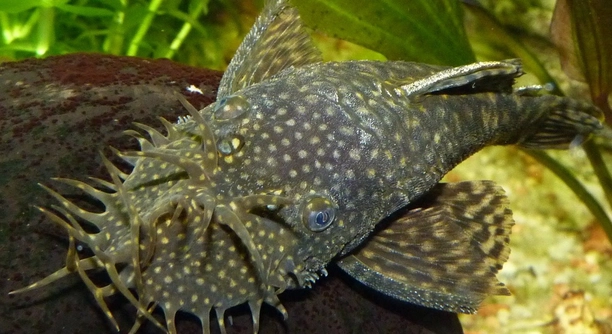
Do you ever wonder what vegetables are safe for your pleco to eat every day? Feeding them the wrong foods can affect their health, so it is important to choose options that support their well-being consistently.
The seven vegetables considered safe for daily pleco feeding include zucchini, cucumber, spinach, lettuce, peas, carrots, and sweet potatoes. These vegetables provide essential nutrients while minimizing the risk of digestive issues and ensuring overall dietary balance for plecos.
These vegetables offer variety and essential nutrition, making it easier to maintain a healthy feeding routine for your pleco without complications or nutrient deficiencies.
Zucchini
Zucchini is one of my go-to vegetables for plecos because it is soft, easy to digest, and full of water content that keeps them hydrated. I usually slice it into thin rounds or strips so the pleco can easily grasp it with its mouth. This vegetable also has vitamins like A and C, which support your fish’s immune system and overall health. Some plecos prefer it slightly blanched, which softens it further without losing nutrients. I place it in the tank in the evening, as plecos are mostly active at night, and watch them nibble away quietly. Zucchini can also help clean up leftover algae as your pleco eats, keeping the tank cleaner naturally. Rotating it with other vegetables prevents boredom and ensures balanced nutrition. Overfeeding is something I always avoid; too much zucchini can leave uneaten pieces that spoil water quality.
This vegetable is gentle on the digestive system, making it safe for daily feeding.
Thin slices of zucchini provide your pleco with both fiber and moisture. Regular feeding helps maintain their digestive health and encourages natural foraging behaviors.
Cucumber
Cucumber is refreshing for plecos and has a high water content, making it easy to digest. I usually peel it to reduce any wax coating, which can harm my fish.
Plecos can nibble on cucumber slices for hours, slowly absorbing nutrients. Its soft texture prevents strain on their teeth while supplying essential hydration. For better feeding, I sometimes freeze the cucumber slightly to make it last longer in the tank. Regular cucumber feeding supports digestive health and encourages gentle grazing. Alternating with other safe vegetables prevents monotony and ensures a balanced diet. This method also reduces the risk of water fouling since cucumbers dissolve more quickly than harder vegetables. Watching my pleco interact with cucumber is satisfying because they can enjoy a healthy snack without stress. Over time, they seem to develop preferences, showing interest in cucumber when offered alongside zucchini or spinach. Keeping portions moderate is key, as uneaten pieces can decompose quickly, affecting water quality and the overall health of the aquarium.
Spinach
Spinach is soft and nutrient-rich, making it a favorite for daily pleco feeding. I wash it thoroughly to remove pesticides, then tear it into small pieces for easier consumption.
I usually blanch spinach lightly to soften the leaves, which helps plecos nibble without struggling. It is full of iron and vitamins, supporting their overall health. Plecos enjoy grazing on spinach slowly, which encourages natural feeding behavior. I alternate spinach with other vegetables to prevent monotony and maintain dietary balance. Small portions prevent leftover leaves from fouling the water.
Spinach is versatile in feeding routines. I sometimes attach it to a clip inside the tank so the pleco can feed safely without it floating around. Its mild taste is appealing, and over time my pleco seems to recognize it as a regular part of meals. Daily feeding in moderation ensures they get consistent nutrients without digestive upset or excess waste in the aquarium.
Lettuce
Lettuce is soft, watery, and gentle on the digestive system. I usually choose romaine for its nutritional content and tear it into strips.
Romaine lettuce provides fiber and hydration, which are important for plecos. I rinse the leaves well to remove chemicals and avoid iceberg lettuce, which has very little nutritional value. Attaching it to a clip helps prevent the lettuce from floating away and allows the pleco to feed slowly. Feeding small amounts at a time ensures it does not decay and affect water quality. I rotate it with zucchini, cucumber, or spinach to keep meals varied. Plecos seem to enjoy nibbling on lettuce steadily, which promotes natural grazing habits. I also notice they spend more time interacting with their environment when fed soft vegetables, which is an added benefit of including lettuce regularly. Consistency in feeding helps maintain their health and keeps their behavior calm and predictable.
Peas
Peas are small, soft, and easy for plecos to eat. I usually remove the outer skin to make them easier to digest.
Frozen peas work well. I thaw them before feeding to prevent sudden temperature changes in the tank, which keeps plecos comfortable and healthy.
Carrots
Carrots are firm but safe for plecos when sliced thinly or shredded. They provide essential vitamins like A and beta-carotene. I often blanch them slightly to soften the texture, making it easier for plecos to nibble without straining. Regular feeding of carrots adds variety and supports healthy growth.
Sweet Potatoes
Sweet potatoes are nutrient-dense and provide energy for plecos. I peel and slice them thinly to ensure they cook lightly or soften in boiling water before placing them in the tank.
FAQ
What vegetables are safe for daily pleco feeding?
Safe vegetables for daily feeding include zucchini, cucumber, spinach, romaine lettuce, peas, carrots, and sweet potatoes. These options are soft, nutrient-rich, and easy for plecos to digest. I rotate them regularly to provide balanced nutrition and prevent boredom while keeping the tank clean.
How should I prepare vegetables for plecos?
I always wash vegetables thoroughly to remove pesticides and dirt. Softer vegetables like spinach and lettuce can be offered raw, while firmer ones like carrots and sweet potatoes are lightly boiled or blanched. Peas need their outer skins removed. Slicing into thin pieces or strips makes it easier for plecos to nibble. Attaching vegetables to a clip inside the tank keeps them accessible and prevents them from floating or decaying.
How much should I feed my pleco each day?
Portion control is important. I give amounts that can be consumed within 24 hours. Overfeeding can cause water quality issues and digestive problems. A few slices or small pieces of each vegetable per night is usually enough for a medium-sized pleco. Adjust portions depending on tankmates and the number of plecos.
Can plecos eat frozen vegetables?
Yes, frozen vegetables like peas, zucchini, or spinach work well after thawing. Freezing preserves nutrients, and thawing prevents temperature shock in the aquarium. I sometimes lightly boil frozen vegetables to soften them further before feeding, which helps plecos eat comfortably without stress.
Should I remove uneaten vegetables from the tank?
Yes. Leaving uneaten vegetables can quickly spoil water quality and encourage algae growth. I remove leftovers after 12–24 hours to maintain a clean environment. Using clips or weights to keep vegetables in place also helps plecos feed efficiently while minimizing waste.
Are all types of lettuce safe for plecos?
Not all lettuce types are equally nutritious. I prefer romaine or green leaf lettuce over iceberg, which has little nutritional value. Romaine provides fiber and hydration without adding harmful compounds, making it a reliable choice for regular feeding.
Can feeding too much vegetable harm my pleco?
Yes. Overfeeding can lead to bloating, poor digestion, and water fouling. I stick to small portions and rotate vegetables to ensure variety without overwhelming their digestive system. Monitoring feeding habits helps prevent health issues and keeps plecos active.
How often should I rotate vegetables?
I rotate vegetables every few days to maintain nutritional balance. Using zucchini, cucumber, spinach, and carrots in different combinations ensures plecos receive diverse vitamins and minerals. This rotation also keeps feeding interesting, which encourages natural grazing behavior.
Do plecos prefer cooked or raw vegetables?
It depends on the vegetable and pleco preference. Softer vegetables like spinach or lettuce are usually fine raw, while carrots, sweet potatoes, or peas often need light boiling or blanching. I observe my pleco’s reaction and adjust preparation to make feeding easy and enjoyable.
Can vegetables replace commercial pleco pellets?
Vegetables provide essential nutrients but should complement, not replace, commercial pellets. I combine daily vegetables with occasional pellets to ensure plecos receive protein, vitamins, and minerals not found in plant foods alone. This combination supports growth, health, and longevity.
How do I encourage a picky pleco to eat vegetables?
I try different textures, slightly blanch firmer vegetables, or attach them to a clip to make feeding easier. Offering a variety of vegetables over time helps plecos adjust to new foods. Patience is key, as they may nibble slowly at first but eventually develop a steady routine.
Are there any vegetables plecos should never eat?
Yes. Avoid starchy or toxic vegetables like potatoes with skins, rhubarb, onions, or anything heavily treated with chemicals. These can harm digestion or cause illness. Sticking to soft, safe vegetables ensures consistent nutrition and prevents health problems.
How do I know if my pleco is getting enough vegetables?
I watch feeding behavior and overall health. A healthy pleco will nibble regularly, have firm body condition, and maintain activity at night. Uneaten vegetables or sudden disinterest may indicate either overfeeding or lack of variety, prompting me to adjust portions or rotate foods.
Can I mix vegetables together for plecos?
Yes. Combining thin slices of zucchini, cucumber, and spinach creates variety and encourages natural grazing. I ensure each piece is small enough to prevent choking or decay. Mixing vegetables can make feeding more interesting while maintaining nutritional balance for daily consumption.
Is it safe to feed vegetables every day?
Daily feeding is safe if portions are controlled and varied. Soft, nutrient-rich vegetables provide essential fiber and hydration, supporting digestion and overall health. Observing how plecos respond ensures their diet remains balanced and prevents any potential digestive issues.
How long can I leave vegetables in the tank?
I typically leave vegetables in the tank for no more than 24 hours. Softer vegetables can start decaying quickly, affecting water quality. Removing leftovers promptly helps maintain a clean environment and ensures plecos feed on fresh, healthy portions.
Do vegetables help with algae eating?
Vegetables like zucchini or cucumber can complement algae-eating behavior. While plecos graze on algae naturally, offering vegetables ensures they get enough nutrition without relying solely on algae, which may be insufficient in some tanks. This helps maintain their health and tank balance.
What is the best way to introduce a new vegetable?
I introduce new vegetables in small amounts alongside familiar favorites. Observing how the pleco interacts with it helps determine if it’s acceptable and digestible. Gradually increasing the portion encourages acceptance while preventing overfeeding or water issues.
Can I feed vegetables to baby plecos?
Yes, but I cut vegetables into very small pieces and sometimes blanch them to ensure easy digestion. Baby plecos are more sensitive, so offering soft vegetables gradually helps them adapt while providing essential nutrients for growth.
Are organic vegetables better for plecos?
Organic vegetables reduce the risk of pesticide exposure, which is safer for plecos. I prioritize washing all vegetables thoroughly, but choosing organic when possible adds an extra layer of safety and ensures healthier feeding options.
How do I balance vegetables with protein sources?
Vegetables provide fiber and vitamins, but protein is essential for growth. I feed commercial pellets or occasional protein-rich treats alongside daily vegetables. This balance supports overall health, skeletal development, and energy levels, ensuring plecos thrive on a mixed diet.
Final Thoughts
Feeding plecos can feel tricky at first, but sticking to safe vegetables makes it much simpler. Vegetables like zucchini, cucumber, spinach, romaine lettuce, peas, carrots, and sweet potatoes are all good choices for daily feeding. They provide essential nutrients like vitamins, fiber, and hydration while being easy for plecos to digest. I usually prepare them by washing thoroughly and cutting into small pieces so my plecos can nibble comfortably. For firmer vegetables like carrots or sweet potatoes, I blanch them lightly to soften the texture. Peas are better without their skins, and leafy greens like spinach or romaine work well raw. I rotate these vegetables to keep feeding interesting and ensure a variety of nutrients. Over time, I noticed that my plecos developed preferences but still enjoyed all the vegetables offered. Feeding in moderation is also key. Giving too much at once can lead to uneaten pieces in the tank, which spoil water quality and may cause digestive problems. Small, controlled portions ensure plecos eat everything while keeping the aquarium clean.
Daily vegetables are more than just food—they support natural grazing behavior and overall health. Plecos are nocturnal feeders, so placing vegetables in the tank during evening hours works best. I often attach slices to a clip or weight them down to prevent floating, which helps plecos feed steadily without struggling. This also keeps the tank cleaner, as the vegetable remains in place until eaten. Watching my plecos nibble slowly is a reminder that they need a balanced diet, not just random snacks. Vegetables like zucchini or cucumber are high in water content, which helps hydration, while carrots and sweet potatoes supply energy and vitamins for growth. Leafy greens like spinach and romaine provide fiber and iron. Combining these vegetables with occasional commercial pellets ensures plecos get protein and other nutrients that vegetables alone do not provide. It’s important to pay attention to feeding habits. A healthy pleco will graze consistently, have firm body condition, and remain active at night. If uneaten vegetables are left for too long, it may indicate overfeeding, so adjusting portions is essential.
Consistency and observation are important in maintaining a healthy pleco diet. I have learned that rotating vegetables, offering moderate portions, and preparing them properly creates a routine that my plecos thrive on. Introducing new vegetables gradually helps them adapt without causing stress or digestive issues. Freezing or lightly blanching certain vegetables can preserve nutrients and make feeding easier. Removing leftovers promptly keeps water quality stable, reducing algae growth and preventing unwanted tank problems. Daily vegetables also reduce boredom, as plecos can graze slowly and explore different textures. Combining plant-based foods with protein sources ensures a balanced diet that supports long-term health, growth, and activity. Over time, I’ve seen that my plecos appear more vibrant, interact with their environment, and maintain a steady feeding routine when vegetables are included regularly. Simple preparation, careful portioning, and thoughtful rotation make daily vegetable feeding straightforward and beneficial, keeping plecos healthy and the aquarium clean.

Hello,
If you enjoy the content that we create, please consider saying a "Thank You!" by leaving a tip.
Every little bit helps us continue crafting quality advice that supports the health, happiness, and well-being of pets around the world, for pets of all shapes, sizes, and species.
We really appreciate the kindness and support that you show us!