
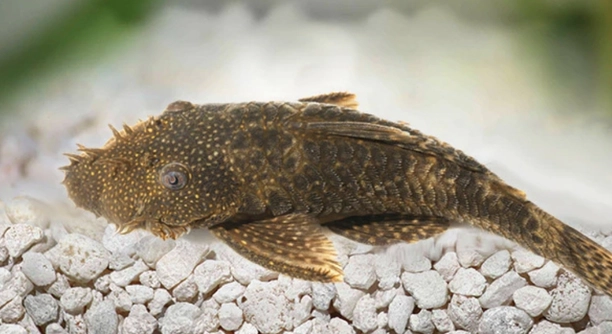
Have you ever noticed your bristlenose pleco quietly gliding along the tank walls, and wondered if it enjoys having friends nearby? These small, peaceful fish often keep to themselves but sometimes show surprising interactions. Observing their behavior can reveal subtle patterns.
Bristlenose plecos are generally solitary creatures, preferring minimal interaction with other fish of their kind. While they tolerate the presence of tank mates, they do not actively seek companionship and thrive best with ample hiding spaces and territory.
Understanding their social tendencies helps you create a balanced and comfortable environment. Knowing how they behave around others can improve both their well-being and the harmony of your aquarium.
Understanding Bristlenose Pleco Behavior
Bristlenose plecos are quiet and deliberate in their movements. They spend much of their time exploring the tank, grazing on algae, and finding spots to hide. These fish are territorial, especially in smaller aquariums, and often choose one area as their personal space. Observing them closely, you can notice small signals like fin flaring or gentle nudges when another fish approaches. They are more active during the night, and daytime activity usually involves resting or slowly patrolling their area. While they tolerate other species, they rarely interact beyond brief acknowledgment. Providing caves, driftwood, and plants allows them to feel secure. A well-planned tank setup prevents stress and reduces aggressive behavior. It also encourages natural grazing, keeping both the fish and the tank clean. Understanding these patterns is key to caring for a bristlenose pleco effectively. Their quiet demeanor makes them low-maintenance yet intriguing additions.
Territorial behavior is normal, not a sign of stress. Respecting their space is essential for a peaceful tank.
Observing daily routines helps you anticipate needs and prevent disputes. Bristlenose plecos communicate subtly, mostly through body language and position changes. Even minor adjustments in lighting, decorations, or tank mates can influence their comfort level. They are generally compatible with other non-aggressive species, but overcrowding can trigger conflicts. By providing multiple hiding spots and ample surfaces for grazing, you allow each pleco to establish its area without competition. Over time, their behavior may become predictable, helping you identify normal versus concerning changes. Watching how they respond to feeding, new decorations, or tank adjustments gives insight into their social comfort. Planning tank layouts with their habits in mind ensures minimal stress, better health, and natural activity patterns. This approach fosters a balanced environment where they can thrive quietly alongside other peaceful fish.
Tank Setup for Multiple Plecos
Keeping more than one bristlenose pleco requires careful planning to prevent territorial disputes. Space, hiding areas, and food access are crucial factors.
Providing enough driftwood, caves, and plants allows each pleco to claim its spot. In larger tanks, they may coexist peacefully, but in cramped conditions, aggression increases. Feeding should be distributed so no fish is left out. Observing interactions is important; occasional minor squabbles are normal, but constant chasing signals overcrowding. Rotating decorations or adding new hiding spaces can reduce stress. Water quality also plays a role in behavior, as plecos are sensitive to poor conditions. Regular maintenance and monitoring of pH and temperature support healthy interactions. While not social by nature, bristlenose plecos can tolerate others if their environment is well-structured, with enough resources and territory. Ensuring this setup helps maintain calm, active fish without unnecessary conflict, keeping the aquarium balanced and visually pleasing.
Feeding and Nutrition
Bristlenose plecos mainly eat algae but need more than just tank growth. Providing sinking pellets, vegetables, and occasional protein supplements ensures they remain healthy and active. A varied diet supports their growth and enhances natural behavior patterns.
Offering vegetables like zucchini, cucumber, and spinach is important for their health. Sinking algae wafers or pellets provide essential nutrients not always found in natural algae. Some plecos may enjoy small amounts of protein, such as bloodworms, but this should be occasional. Removing uneaten food prevents water quality issues, which can affect behavior and health. Observing how your pleco approaches different foods helps you understand preferences and ensures each fish receives enough nutrition. A balanced feeding routine promotes active grazing and reduces aggressive behavior toward tank mates.
Timing and portion control are key for feeding bristlenose plecos. Overfeeding can lead to obesity, while underfeeding may stress the fish. Providing food at consistent times allows them to develop predictable patterns. Rotating vegetables and pellets keeps them engaged and encourages natural foraging. Hiding some food in different areas of the tank stimulates activity and exploration. Watching their responses to new foods can reveal health or preference changes early. A steady, varied feeding schedule supports overall health and contributes to a calm, balanced tank environment for multiple plecos.
Tank Maintenance and Water Quality
Clean water is essential for bristlenose plecos’ health and behavior. Regular water changes, filter checks, and monitoring of pH and temperature help maintain a stable environment, reducing stress and promoting active grazing.
Filtration must handle bioload efficiently, especially with multiple fish. Weekly partial water changes keep ammonia, nitrite, and nitrate levels low. Plecos prefer slightly acidic to neutral water, with temperatures between 72–78°F. Decorations and substrate should be cleaned occasionally to prevent algae buildup that could impact water quality. Observing fish for signs of stress, such as lethargy or clamped fins, helps identify problems early. Keeping water stable and clean allows plecos to behave naturally, graze effectively, and reduce territorial aggression.
Proper water maintenance influences overall health and interaction patterns. Stress from poor water quality can lead to disease and aggression. Maintaining consistent temperature and pH helps them remain active, encourages natural feeding, and reduces hiding due to discomfort. Using appropriate filtration and monitoring equipment ensures changes are detected early. Balancing water chemistry with careful cleaning routines prevents sudden shocks that upset the tank ecosystem. Attention to these details ensures plecos stay healthy, active, and calm, supporting peaceful coexistence with other non-aggressive species. Observing their behavior alongside regular maintenance makes it easier to notice subtle changes indicating needs.
Compatible Tank Mates
Bristlenose plecos do best with peaceful, non-aggressive fish. Fast or territorial species can stress them out, affecting feeding and natural behavior. Choosing calm tank mates helps maintain a balanced and comfortable environment.
Small tetras, rasboras, and corydoras usually coexist well with plecos. Avoid large or aggressive fish that compete for territory or food. Observing interactions early helps prevent long-term stress and conflict, ensuring everyone remains healthy.
Breeding Behavior
Bristlenose plecos breed in caves, with males guarding eggs until they hatch. Providing multiple hiding spaces and clean water encourages natural breeding behavior. Males can become territorial during this period, requiring adequate space to prevent stress. Monitoring interactions ensures eggs and fry remain safe.
Common Health Issues
Plecos may develop fin rot, ich, or digestive problems if water quality or diet is poor. Regular observation and proper tank care prevent most common illnesses, keeping fish active and healthy.
FAQ
Do bristlenose plecos get along with other plecos?
Bristlenose plecos can coexist with others, but space and hiding spots are essential. In smaller tanks, they may become territorial, showing chasing or nudging behavior. Providing caves, driftwood, and plants reduces conflicts. Larger tanks allow multiple plecos to maintain separate areas without stress. Observing interactions early helps prevent long-term disputes.
How many bristlenose plecos can I keep together?
The number depends on tank size and available hiding spaces. A 20-gallon tank may support one or two plecos comfortably, while larger tanks can house more. Overcrowding increases aggression and stress, so always prioritize space and resources over quantity. Multiple hiding spots and feeding areas help reduce competition.
What do bristlenose plecos eat?
Their diet includes algae, vegetables, and occasional protein. Sinking algae wafers or pellets supply nutrients not found in natural algae. Vegetables like zucchini, cucumber, and spinach keep them healthy. Protein sources such as bloodworms are optional and should be occasional. Balanced feeding promotes grazing and natural activity.
How do I know if my pleco is stressed?
Signs of stress include hiding excessively, clamped fins, sudden loss of appetite, or unusual swimming patterns. Stress often comes from poor water quality, overcrowding, or aggressive tank mates. Monitoring behavior regularly helps identify problems early, allowing corrective action before health issues develop.
Can bristlenose plecos breed in a community tank?
Yes, if there are caves and adequate hiding spots. Males guard eggs while females leave after laying them. Territorial disputes may arise during breeding, so providing enough space and multiple shelters reduces conflicts. Clean water and stable conditions encourage successful breeding.
Do plecos require special water conditions?
Bristlenose plecos prefer slightly acidic to neutral water with stable temperatures around 72–78°F. Sudden changes in pH, temperature, or ammonia levels can stress them. Regular water testing, partial water changes, and proper filtration maintain an environment that supports health and natural behavior.
How often should I feed my pleco?
Feeding once a day is generally sufficient, though some keepers split portions into two smaller feedings. Uneaten food should be removed to maintain water quality. Rotating vegetables, pellets, and occasional protein encourages natural foraging and keeps them active. Consistent feeding schedules support routine and well-being.
Do bristlenose plecos clean the tank?
They eat algae but cannot replace regular tank maintenance. Algae grazing helps reduce buildup, yet filtration, water changes, and substrate cleaning remain necessary. Plecos contribute to tank upkeep but are not substitutes for proper maintenance.
How do I introduce a new pleco to my tank?
Introduce them slowly using a quarantine period if possible. Add new hiding spots to reduce territorial disputes. Monitor interactions closely, especially in smaller tanks. Gradual acclimation to water conditions helps prevent stress and ensures peaceful coexistence.
What decorations are best for plecos?
Caves, driftwood, and dense plants offer security and grazing surfaces. Multiple hiding spots reduce stress and territorial disputes, allowing plecos to explore and feel safe. Driftwood also supports digestive health as they scrape and graze naturally.
How long do bristlenose plecos live?
With proper care, they can live 5–10 years. Stable water conditions, a balanced diet, and a peaceful environment contribute to longevity. Regular observation ensures early detection of health issues, extending their lifespan.
Do plecos need light or dark periods?
Yes, they benefit from a regular day-night cycle. Light periods help algae growth for grazing, while darkness encourages resting. Maintaining a consistent schedule supports natural behavior and reduces stress, keeping them healthy and active.
Can bristlenose plecos tolerate other species?
They usually tolerate peaceful, non-aggressive fish. Avoid fast, large, or territorial species that may compete for food or space. Observing the tank after introducing new species ensures harmony. Proper setup with enough space and hiding spots reduces tension between tank mates.
How do I handle aggressive behavior in plecos?
Provide additional hiding spots, more space, or separate tanks if needed. Occasional minor disputes are normal, but persistent chasing or fin nipping signals overcrowding or stress. Careful observation and tank adjustments help maintain a calm environment.
Are plecos nocturnal?
Mostly, yes. Bristlenose plecos are more active at night, grazing and exploring the tank. Daytime activity is usually limited to resting or slowly patrolling their territory. Knowing their activity patterns helps in feeding and observing natural behavior.
What water parameters are best for breeding?
Stable temperatures, clean water, and slightly acidic to neutral pH promote egg laying. Regular water changes, adequate hiding spots, and minimal disturbances increase breeding success. Male plecos guard eggs, so stress-free conditions are crucial.
How do I care for pleco fry?
Fry need small, sinking foods like powdered flakes or baby brine shrimp. Maintaining clean water and separate hiding spots ensures survival. Observing their growth and health helps prevent losses from competition or poor water quality. Gradually introducing them to adult tank conditions supports healthy development.
Can plecos live with shrimp or snails?
Yes, peaceful shrimp and snails usually coexist safely. Plecos rarely bother them if food and hiding spots are sufficient. Observing interactions ensures neither species is stressed, especially during feeding. Compatibility depends on tank setup and species temperament.
Do plecos need supplements or extra minerals?
Providing driftwood and occasional vegetables supplies necessary nutrients. Some keepers add calcium-rich supplements for growth and bone health. Regular monitoring of diet ensures nutritional needs are met without over-supplementing.
What is the ideal tank size for one pleco?
A 20-gallon tank is sufficient for a single adult bristlenose pleco. Larger tanks are recommended for multiple plecos to reduce territorial disputes and provide ample hiding spaces. Proper size supports healthy activity levels and reduces stress.
How can I tell if my pleco is healthy?
Healthy plecos are active, graze regularly, have clear eyes, and show smooth fins. Changes in behavior, appetite, or appearance can indicate stress or illness. Regular observation and water quality checks help maintain optimal health and prevent disease.
Do plecos need water movement?
Moderate water flow is preferred. It encourages oxygenation without creating strong currents that stress them. Gentle currents support natural swimming and grazing behavior, while heavy flow can cause fatigue or hiding.
Can plecos survive without live plants?
Yes, but live plants offer hiding spaces and grazing surfaces. They contribute to a balanced tank and reduce stress. Artificial decorations can substitute, but live plants provide additional enrichment and water quality benefits.
How often should I clean pleco caves or hiding spots?
Cleaning every few weeks prevents algae buildup while preserving biofilm that plecos graze on. Avoid harsh scrubbing or chemicals that harm beneficial bacteria. Maintaining clean, safe hiding spots encourages natural behavior and reduces stress.
What is the best way to acclimate a new pleco?
Float the bag to match tank temperature, then slowly mix tank water over 30–60 minutes. Gradual acclimation prevents shock and helps the pleco adjust to water chemistry, improving survival and reducing stress.
Do plecos recognize their owners?
They may notice movement and feeding routines. While not social in the way other species are, they show curiosity and familiarity, responding to repeated presence and consistent feeding schedules. Observation of behavior strengthens the connection over time.
Can plecos eat algae alone?
No, natural algae alone is not enough. A balanced diet with vegetables, pellets, and occasional protein ensures proper nutrition, growth, and activity. Relying solely on algae can lead to deficiencies and stunted growth.
How do I prevent pleco fin damage?
Avoid sharp decorations, aggressive tank mates, and overcrowding. Regular observation helps detect early signs of injury or disease. Providing ample space and smooth surfaces reduces accidental damage while maintaining a safe environment.
Do plecos need quarantine before adding to a tank?
Quarantining for at least 2–3 weeks prevents disease introduction. Observing behavior and health during this period allows early treatment if necessary. Quarantine protects both existing fish and the new pleco.
Are plecos affected by tank lighting?
Yes, lighting affects grazing, activity, and stress levels. Balanced light periods encourage algae growth and natural rhythms, while excessive light may cause hiding or stress. Consistent schedules support overall health and natural behavior patterns.
Do plecos require frequent water changes?
Partial water changes of 20–30% weekly maintain low toxins and stable parameters. Frequent changes support health, reduce stress, and prevent disease, especially in tanks with multiple fish or limited filtration.
Can bristlenose plecos adapt to different water types?
They tolerate a range of slightly acidic to neutral conditions but thrive best in stable environments. Sudden changes can cause stress or illness. Gradual adjustments during acclimation help them adapt safely.
Do plecos enjoy caves or open spaces more?
They prefer caves and hiding spots for security. Open spaces are used for grazing and exploration, but caves reduce stress and support natural territorial behavior. Multiple shelters encourage peaceful coexistence in shared tanks.
How can I tell the sex of a pleco?
Males usually have larger, bushier bristles on their snouts, especially during breeding. Females are smaller with fewer bristles. Observation during breeding periods makes identification clearer and helps manage tank dynamics.
Do plecos need a sand or gravel substrate?
Both work, but smooth gravel or sand is preferred to prevent injury. Substrate provides grazing surfaces for algae growth and supports natural behavior like rooting and exploring.
How do I prevent algae overgrowth?
Moderate lighting, proper feeding, and regular water maintenance reduce excess algae. Plecos graze on algae, but tank balance and monitoring nutrient levels are necessary for long-term control.
Can plecos live alone?
Yes, they are solitary by nature. A single pleco with enough hiding spots and grazing surfaces can live happily without other plecos. Proper care ensures activity, health, and natural behavior.
How fast do bristlenose plecos grow?
They grow steadily, reaching 4–6 inches in adulthood. Growth depends on diet, tank size, water quality, and overall health. Balanced care ensures proper development and longevity.
Do plecos need supplemental calcium?
Driftwood and vegetables supply some calcium. Occasional supplements may be helpful, especially for breeding or fry growth. Over-supplementing should be avoided to maintain water balance.
How long should plecos hide each day?
Hiding varies, usually during daylight. They are naturally more active at night. Adequate shelters reduce stress and allow them to rest safely, maintaining normal activity patterns.
What is the best temperature range for bristlenose plecos?
A stable range of 72–78°F supports health and activity. Sudden fluctuations stress the fish, affecting feeding, behavior, and immunity. Consistent monitoring ensures optimal conditions.
Can plecos live in a community tank with aggressive fish?
It is not recommended. Aggressive species may stress plecos, leading to hiding, poor feeding, or injury. Peaceful tank mates are essential for calm coexistence. Proper tank setup and monitoring are key.
Do plecos need daily interaction?
They do not require interaction like social fish. Consistent feeding and observation allow recognition and comfort, but they thrive independently without constant human attention.
How do plecos respond to changes in tank decor?
Minor changes may cause temporary hiding or cautious behavior. Gradual rearrangements and multiple shelters reduce stress. Plecos adapt if changes are introduced thoughtfully and slowly.
Are plecos sensitive to water hardness?
They prefer soft to moderately hard water. Extreme hardness or sudden changes can cause stress, affecting health and behavior. Monitoring water chemistry ensures comfort and longevity.
Do plecos require air stones or extra aeration?
Moderate aeration supports oxygen levels but strong currents may stress them. Gentle water movement encourages grazing and natural activity. Proper filtration often provides adequate oxygenation.
How do I prevent pleco boredom?
Providing varied hiding spots, grazing surfaces, and occasional food rotation keeps them engaged. Substrate exploration and enrichment decorations stimulate activity and natural behavior patterns.
Can plecos tolerate brackish water?
Bristlenose plecos are freshwater fish. They do not thrive in brackish conditions. Maintaining stable freshwater parameters is essential for health and longevity.
Do plecos require specific lighting for breeding?
Moderate, consistent lighting supports algae growth and normal rhythms, encouraging natural breeding behavior. Sudden changes or extreme light may stress the fish.
How do I know if my pleco is happy?
A healthy, active pleco with regular grazing, smooth fins, and calm interaction with tank mates indicates well-being. Observing consistent behavior patterns helps assess comfort and health.
Can plecos live with goldfish?
Goldfish are larger and messy, which may stress plecos or affect water quality. Compatibility depends on tank size, filtration, and careful monitoring of behavior and water parameters.
Do plecos need water conditioners?
Yes, conditioners remove chlorine, chloramines, and heavy metals. Using them during water changes protects gill health and supports overall fish well-being.
Can plecos survive in a tank without driftwood?
Yes, but driftwood provides grazing surfaces, security, and digestive benefits. Including it supports natural behavior, especially for long-term health and activity.
How do I encourage a pleco to explore the tank?
Placing food in different areas, adding new hiding spots, and rotating decorations stimulate natural foraging and exploration. Observing movement ensures comfort and engagement.
Are plecos territorial?
Yes, especially males or during breeding. Adequate hiding spaces, space, and multiple feeding areas reduce conflicts. Recognizing boundaries helps maintain a peaceful tank.
How do plecos react to sudden changes in the tank?
They may hide or become less active. Gradual changes and multiple shelters reduce stress and allow adjustment. Monitoring behavior ensures stability.
Can plecos coexist with bettas?
Generally yes, as long as the betta is not overly aggressive. Multiple hiding spots and proper space help reduce conflict. Observing early interactions prevents stress or injury.
Do plecos need seasonal adjustments in care?
Stable conditions year-round are preferred. Temperature and water parameters should remain consistent, with minor adjustments if necessary to accommodate changes in room temperature or seasonal equipment differences.
How do I prevent plecos from fighting over food?
Spread feeding across the tank, offer multiple hiding spots, and rotate food locations. This reduces competition and ensures all fish get enough nutrition.
Are plecos sensitive to tank size?
Yes, cramped spaces increase stress and aggression. Properly sized tanks with ample hiding spots support natural behavior, reduce conflicts, and promote health.
Do plecos enjoy drifting plants or floating decorations?
They may use them for grazing surfaces or temporary hiding. Floating plants provide shade and enrichment, helping reduce stress and encourage natural exploration.
Can plecos survive in unheated tanks?
They tolerate slightly cooler temperatures but thrive best in stable, heated environments. Consistent warmth supports digestion, growth, and activity levels.
How do plecos react to loud noises or vibrations?
They are sensitive to sudden disturbances, which may cause hiding or stress. Minimizing external vibrations and noise helps maintain calm and natural behavior.
Do plecos need special lighting for algae growth?
Moderate lighting supports algae formation for grazing but should not be excessive. Balanced light cycles maintain health, activity, and natural feeding behavior.
Can plecos be aggressive toward each other?
Yes, especially in small tanks or during breeding. Providing multiple shelters, adequate space, and monitoring interactions reduces disputes and stress.
Do plecos require tank mates for stimulation?
No, they are independent. Peaceful fish can coexist, but plecos do not need other fish to remain active or healthy.
How often should plecos be observed for health issues?
Daily observation is ideal for spotting changes in appetite, activity, or appearance. Early detection allows prompt care, maintaining long-term health and behavior.
Do plecos prefer caves over open spaces at night?
Mostly open areas are used for grazing and exploration during nighttime. Caves are preferred for resting and hiding, ensuring safety and comfort.
Can plecos survive without algae in the tank?
They can, if supplemented with vegetables and sinking pellets. Algae is natural grazing material, but a balanced diet ensures proper nutrition and health.
Do plecos need driftwood for digestion?
Yes, it supports gut health as they scrape and graze. Driftwood provides fiber and helps maintain digestive balance. Including it in the tank benefits overall health and activity.
How do I tell if a pleco is sick?
Signs include lethargy, clamped fins, abnormal swimming, or reduced appetite. Early detection through regular observation and water maintenance prevents worsening health issues.
Can plecos coexist with African cichlids?
Generally no, as aggressive cichlids may harm plecos. Compatibility depends on tank size, species behavior, and hiding opportunities, but stress and injury risks are high.
Do plecos need additional calcium for shell development?
Calcium mainly benefits fry and breeding. Driftwood and vegetables provide some minerals. Supplementing may be optional, but unnecessary excess can disrupt water balance.
Are plecos nocturnal grazers?
Yes, most activity occurs at night. Daytime is spent hiding or resting. Understanding this helps with feeding schedules and observing natural behavior patterns.
Can plecos adapt to community tanks over time?
Yes, with adequate space, hiding spots, and peaceful tank mates. Observing behavior and gradual introductions improve long-term coexistence. Proper setup reduces stress and promotes natural interactions.
How do plecos react to temperature fluctuations?
Sudden changes cause stress, hiding, or reduced feeding. Maintaining stable water conditions ensures health, normal activity, and long-term survival. Monitoring temperature prevents unnecessary problems.
Do plecos need special substrates for grazing?
Smooth sand or gravel is ideal, providing surfaces for algae growth. Substrate selection supports natural behavior, feeding, and reduces injury risk.
Can plecos live with livebearers like guppies or mollies?
Yes, they are generally compatible. Peaceful coexistence is supported with proper space, hiding spots, and distributed feeding to prevent competition or stress.
Do plecos need extra oxygen in the tank?
Moderate aeration is beneficial, but strong currents may stress them. Proper filtration usually maintains sufficient oxygen levels without additional equipment.
How do I introduce hiding spots effectively?
Add caves, driftwood, and dense plants gradually. Multiple shelters reduce territorial disputes and stress while encouraging natural exploration and grazing.
Can plecos tolerate soft or hard water?
They prefer soft to moderately hard water. Extreme
Bristlenose plecos are unique and quietly interesting fish that can bring life to any freshwater tank. They are naturally solitary and territorial, so they do not actively seek the company of other plecos, but they tolerate the presence of peaceful tank mates. Observing their behavior can be rewarding because it often shows subtle, natural actions like grazing on algae, exploring their environment, and interacting with hiding spots. They have specific needs, including proper space, consistent water quality, and varied diet, all of which directly affect their comfort and activity. Providing multiple hiding places, driftwood for grazing, and areas to patrol helps them feel secure, which reduces stress and aggressive tendencies. While they are not social in the traditional sense, giving them the proper environment allows them to live happily alongside other non-aggressive fish.
Feeding and nutrition play a large role in keeping bristlenose plecos healthy and active. Their diet should include algae, sinking pellets, and fresh vegetables such as zucchini, cucumber, or spinach. Occasional protein sources like bloodworms can be offered, but overfeeding or relying solely on one type of food can lead to health problems. Watching how your pleco responds to food and adjusting portions helps maintain a balanced diet and reduces competition between multiple fish in the tank. Meal times also offer a chance to observe their behavior, see how they interact with tank mates, and detect early signs of illness. Regular feeding, combined with proper water maintenance, creates a stable environment where plecos can thrive and display natural behaviors, keeping them active and healthy over the long term.
Maintaining water quality and proper tank setup is equally important for the well-being of bristlenose plecos. Regular partial water changes, careful monitoring of temperature and pH, and ensuring effective filtration support both health and behavior. Providing caves, driftwood, and plants not only gives hiding places but also reduces territorial disputes and stress. Tank size should match the number of plecos to avoid overcrowding, which can lead to aggressive behavior and health issues. Over time, observing patterns in activity, feeding, and interactions helps identify what makes your plecos comfortable. With attention to these details, bristlenose plecos can live long, healthy lives, and while they are not naturally social, they do well in a carefully planned community tank where their needs are met and their environment is stable.

Hello,
If you enjoy the content that we create, please consider saying a "Thank You!" by leaving a tip.
Every little bit helps us continue crafting quality advice that supports the health, happiness, and well-being of pets around the world, for pets of all shapes, sizes, and species.
We really appreciate the kindness and support that you show us!