
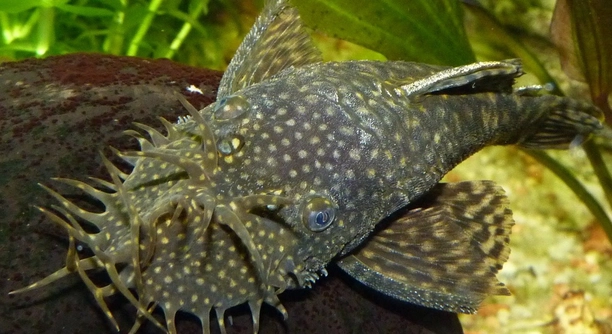
Have you ever noticed your plecos moving less during certain times in your aquarium? Watching them drift lazily can be relaxing, but understanding what affects their activity helps you create a healthier environment. Plecos need stable conditions.
The ideal temperatures for pleco activity generally range between 74°F and 80°F. Maintaining water within this range supports their metabolism, feeding patterns, and overall health, ensuring that plecos remain active and thrive in a controlled aquarium environment consistently.
Knowing the right temperature can transform your aquarium experience. This guide will explain the optimal ranges and how they impact your plecos’ daily activity.
Understanding Pleco Temperature Needs
Plecos are sensitive to temperature changes, and even small fluctuations can affect their behavior. They are tropical fish, which means they thrive in warmer waters. Keeping their tank between 74°F and 80°F helps them maintain steady metabolism and encourages activity. Too cold, and they may hide or slow down. Too hot, and they risk stress or illness. I noticed that when my own plecos were kept slightly below 74°F, they spent most of their time near the bottom, barely moving. Adding a reliable aquarium heater made a noticeable difference. Monitoring water temperature daily ensures it stays consistent. Using a thermometer placed near the tank’s center can provide the most accurate reading. Also, placing the tank away from direct sunlight or drafts reduces sudden temperature swings. Stable water conditions not only keep plecos active but also improve their immune system. Consistent care leads to happier, healthier fish over time.
Maintaining proper temperature prevents lethargy and promotes normal feeding and swimming patterns, keeping plecos healthy.
Keeping plecos at the correct temperature is simple with careful observation. I found that gradual adjustments work best. Sudden changes, even by a few degrees, can shock them. Aquatic plants and decorations also help create microenvironments, giving plecos options for cooler or warmer spots. A balanced approach to heating and tank setup ensures your fish remain lively, safe, and comfortable.
Seasonal Temperature Adjustments
Water temperature can shift naturally with seasons, so monitoring is essential.
During colder months, room temperatures drop, causing tank water to cool. I started using a reliable aquarium heater set at a consistent temperature to prevent dips below 74°F. In warmer months, water can heat beyond 80°F, so I use fans or open-top tanks to regulate the temperature. Seasonal changes affect oxygen levels, metabolism, and activity, so careful management is necessary. Observing pleco behavior helps determine if adjustments are required. Signs like hiding, reduced feeding, or slower swimming indicate stress from temperature extremes. Layering insulation around the tank or adjusting heater settings gradually can stabilize water. Recording daily temperatures helps track patterns over weeks. Proper maintenance of heaters, filters, and thermometers ensures the environment remains consistent year-round. With small, consistent changes, plecos stay healthy regardless of the season. A steady environment promotes feeding, reproduction, and natural behaviors, making it easier to care for them confidently.
Daily Temperature Monitoring
Regularly checking your tank’s temperature keeps plecos active. I keep a digital thermometer near the center of the tank to track small changes.
I’ve found that fluctuations of even a few degrees can affect pleco behavior. They may hide more or stop eating if water is too cold or too warm. Checking in the morning and evening allows me to notice any swings caused by room temperature or sunlight. Using a thermometer with a clear display makes this easy. I also log readings to see trends over time. Adjustments with a heater or fan help keep conditions stable. Consistency in temperature ensures the plecos swim normally and maintain healthy feeding routines. It reduces stress and helps them adapt to their environment confidently.
Plecos respond quickly to stable conditions. Once I maintained a steady 77°F, their movement became lively. Feeding times are predictable, and I noticed better interactions with decorations and hiding spots. Even small adjustments, like slightly lowering the heater at night, made a positive difference. A well-monitored tank reduces illness risk and ensures plecos remain comfortable in their habitat. Keeping notes helps prevent surprises and ensures they stay energetic and healthy.
Using Heaters and Thermometers Effectively
Reliable equipment is crucial for maintaining ideal pleco temperatures.
I rely on an adjustable aquarium heater paired with a digital thermometer for precise control. The heater allows me to set a target temperature, while the thermometer confirms the water stays within the 74°F to 80°F range. I place the thermometer away from direct heater flow to avoid false readings. Daily checks ensure the heater works properly and prevents overheating.
Heaters must be maintained and periodically inspected to prevent failure. I clean mine carefully and check for corrosion or damage. Thermometers can drift over time, so I occasionally cross-check with a second device. Proper placement, like near the tank’s center or hiding spots, gives an accurate picture of the water conditions plecos experience. Using a heater and thermometer together allows gradual temperature adjustments, reducing stress on the fish. Consistency promotes feeding, normal swimming patterns, and general well-being, which I’ve seen improve noticeably once my setup was optimized.
Adjusting Water Temperature Gradually
Sudden changes in temperature can stress plecos. I always raise or lower the heater by small increments, no more than one or two degrees per day.
This slow adjustment gives plecos time to adapt. I’ve noticed that abrupt changes make them hide more and eat less. Gradual changes prevent shock and maintain normal behavior.
Ideal Temperature Ranges for Different Pleco Species
Different pleco species thrive at slightly different temperatures. Common plecos prefer 74°F to 78°F, while bristlenose plecos do well around 75°F to 80°F. Larger species, like sailfin plecos, often enjoy slightly warmer water near 78°F. I keep notes for each species to match their preferred range accurately. Observing behavior like feeding activity and swimming patterns helps confirm if the temperature is suitable. Adjusting heaters in tanks with multiple species requires compromise, keeping all fish healthy without stressing anyone. A consistent, species-appropriate temperature ensures plecos remain active, reduces illness, and promotes natural behavior.
Signs Plecos Are Uncomfortable
Hiding constantly or refusing food often indicates water temperature issues.
FAQ
What is the best temperature for pleco activity?
The optimal temperature for most plecos is between 74°F and 80°F. I keep my tanks at around 77°F because it seems to balance activity and feeding. Staying within this range helps plecos swim normally, feed regularly, and reduces stress that could lead to illness.
Can plecos survive outside this range?
Yes, they can survive slightly cooler or warmer water, but activity and health suffer. I noticed that when temperatures dropped below 74°F, my plecos became lethargic and hid more. Over 80°F, they showed signs of stress, like heavy breathing or staying near the water surface. Long-term exposure to extremes can compromise immunity.
How quickly should I adjust the water temperature?
Temperature changes should be gradual. I never adjust more than one or two degrees per day. Sudden changes can shock plecos, leading to hiding, reduced feeding, or stress-related illness. Gradual adjustments give their metabolism time to adapt and keep behavior stable.
Do different pleco species need different temperatures?
Yes. Common plecos prefer slightly cooler water, around 74°F to 78°F. Bristlenose plecos thrive closer to 75°F to 80°F, and larger species like sailfin plecos often enjoy the upper end of the range. I keep species-specific notes to ensure each type stays comfortable.
Is a heater always necessary for plecos?
In most cases, yes. Unless you live in a tropical climate with stable warm temperatures, a heater helps maintain the 74°F to 80°F range. I use an adjustable heater with a digital thermometer to ensure consistent readings and prevent sudden drops in temperature.
How often should I check the temperature?
I check mine twice a day, morning and evening, to catch fluctuations caused by room temperature or sunlight. Logging readings over time helps me notice patterns and make minor adjustments before plecos show stress signs. Consistent monitoring keeps their environment stable.
Can temperature affect feeding behavior?
Absolutely. When water is too cold, plecos may eat less or stop feeding entirely. I noticed that after stabilizing my tank at 77°F, their appetite improved. Warm, consistent water promotes regular feeding, which in turn supports growth and overall health.
What are signs of temperature stress in plecos?
Hiding constantly, reduced swimming, or slower movements are common signs. I also watch for unusual surface breathing or clamped fins, which indicate discomfort. Catching these signs early allows me to adjust the temperature gradually to prevent illness.
Can I rely on a single thermometer?
I usually cross-check with a second thermometer. One device can drift or give inaccurate readings if placed too close to the heater or in direct sunlight. Using two ensures I have a clear picture of actual water conditions and helps avoid surprises.
Does water temperature affect pleco lifespan?
Yes. Stable, appropriate temperatures reduce stress, improve immunity, and support natural behaviors. I’ve noticed plecos living longer when their tanks remained within the ideal range consistently. Temperature management is as important as diet and water quality for long-term health.
How do seasonal changes affect pleco activity?
Colder months can lower water temperature, making plecos less active. Warmer months can increase activity but also stress them if the water exceeds 80°F. I adjust heaters or use fans depending on the season, ensuring consistent, species-appropriate temperatures year-round.
Is it safe to keep multiple pleco species in one tank regarding temperature?
It’s possible if their preferred ranges overlap. I monitor all species closely and aim for a compromise temperature that keeps everyone healthy, usually in the middle of the recommended ranges. Observing behavior and feeding patterns helps me confirm the balance works.
What equipment is essential for temperature control?
A reliable adjustable heater and a digital thermometer are key. I also keep a backup thermometer to verify readings. Regular maintenance of equipment, like cleaning heaters and checking for damage, ensures accurate and consistent temperature control.
How do decorations and plants affect temperature?
They create microenvironments. I noticed plecos often rest in shaded or planted areas if water near the heater is warmer. Providing these spots allows them to choose slightly cooler or warmer areas, helping them regulate body temperature naturally.
Can water temperature influence breeding?
Yes. For many plecos, stable water in the ideal range encourages mating behavior. I’ve seen better spawning activity when temperatures were consistent, and the plecos were healthy and stress-free. Proper heating and monitoring support reproductive health.
How do I respond if plecos show stress signs?
First, check the temperature. If it’s too high or low, adjust gradually. I also observe water quality, as temperature interacts with oxygen and ammonia levels. Providing hiding spots and reducing disturbances helps plecos recover while their environment stabilizes.
Can plecos adapt to slightly different temperatures over time?
To some extent, yes. I’ve noticed plecos slowly adjusting to a degree or two outside the ideal range, but long-term health and activity are best maintained within 74°F to 80°F. Gradual acclimation works, but consistency is always better.
How important is consistency compared to exact temperature?
Consistency matters more than hitting a perfect number. I’ve seen plecos thrive at 75°F or 78°F as long as the water stayed stable. Frequent fluctuations, even within the ideal range, caused stress and reduced activity. Regular monitoring is more critical than exact degrees.
Are there natural signs in plecos to indicate ideal temperature?
Yes. Active swimming, regular feeding, and exploring hiding spots indicate comfort. I watch their movement patterns and appetite. When plecos behave normally, it usually means the temperature is suitable. Changes in these behaviors often signal that adjustments are needed.
Can aquarium placement affect temperature control?
Absolutely. Tanks near windows, heaters, or air vents experience more fluctuations. I place mine in a stable spot away from drafts and direct sunlight, helping maintain a consistent temperature without sudden spikes or drops. Proper placement simplifies long-term temperature management.
Is it necessary to adjust temperature for nighttime?
Slight nighttime adjustments help prevent drops in colder rooms. I usually lower the heater slightly by one degree if the room cools at night. This keeps water stable without shocking plecos and preserves normal nighttime behavior patterns.
How long does it take plecos to return to normal after temperature stress?
It depends on severity. Mild stress from a one- or two-degree change may resolve within a day. Larger swings take several days of stable conditions. I monitor behavior and feeding, adjusting gradually until normal activity resumes. Consistency accelerates recovery.
Are there long-term effects if temperature is not managed properly?
Yes. Chronic stress from improper temperatures can weaken the immune system, reduce feeding, and shorten lifespan. I learned that maintaining consistent, appropriate temperatures prevents these issues and keeps plecos active and healthy over the years.
Maintaining the right temperature in a pleco tank is one of the most important steps for keeping your fish healthy. Plecos are tropical fish, and their activity, feeding, and overall health depend on stable, warm water. I have noticed that even small fluctuations in temperature can affect their behavior. When the water gets too cold, plecos slow down, hide more, and may refuse food. When it gets too warm, they can become stressed, showing heavy breathing, clamped fins, or staying near the surface. Consistently keeping the water between 74°F and 80°F provides the most comfortable environment. Using a reliable heater and a thermometer is essential, and checking temperatures daily ensures that the water stays within this ideal range. Gradual adjustments are always better than sudden changes, as plecos adapt slowly to temperature shifts. Over time, consistent temperature control improves their activity and overall well-being.
I have also found that different pleco species may prefer slightly different temperature ranges. Common plecos do well around 74°F to 78°F, bristlenose plecos around 75°F to 80°F, and larger species like sailfin plecos enjoy the higher end near 78°F. When keeping multiple species in the same tank, it’s important to find a balanced temperature that keeps all of them comfortable. Watching their behavior and feeding patterns is a good way to check if the chosen temperature works. Hiding, reduced swimming, or a lack of appetite are signs that adjustments may be needed. Decorations, plants, and shaded areas also help plecos manage small temperature variations naturally. They can move to slightly cooler or warmer spots, which reduces stress and allows them to maintain normal activity. Maintaining consistent temperatures not only keeps plecos active but also supports feeding, breeding behavior, and long-term health.
Finally, seasonal changes and room temperature can affect the aquarium, so careful monitoring is necessary. During colder months, heaters help maintain a stable environment, while in warmer months, ventilation or fans may prevent overheating. Logging temperature readings over time can reveal trends and help prevent problems before they affect your fish. Plecos thrive in stable conditions, and consistent care improves their activity, health, and lifespan. Small, daily actions like checking the thermometer, adjusting the heater slightly, or observing behavior can make a significant difference. By paying attention to these details, plecos remain lively, healthy, and comfortable in their habitat. Proper temperature management is a simple step that has a lasting impact on their quality of life and ensures a smoother experience for anyone caring for these fish.

Hello,
If you enjoy the content that we create, please consider saying a "Thank You!" by leaving a tip.
Every little bit helps us continue crafting quality advice that supports the health, happiness, and well-being of pets around the world, for pets of all shapes, sizes, and species.
We really appreciate the kindness and support that you show us!