
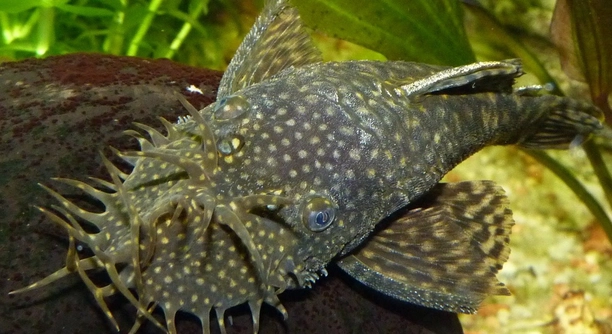
Are your plecos moving slower than usual or spending most of their time hiding at the bottom of the tank? Lethargy in these fish can be worrying, especially for those who enjoy maintaining a healthy aquarium environment.
Pleco lethargy is commonly caused by factors such as poor water quality, inadequate diet, stress, disease, temperature fluctuations, insufficient oxygen, and improper tank conditions. Addressing these conditions promptly is essential to ensure the fish’s well-being and prevent long-term health issues.
Recognizing the causes of pleco lethargy can help you take timely action and maintain a thriving, balanced aquatic environment for your fish.
Poor Water Quality
Poor water quality is one of the most common reasons plecos become lethargic. High levels of ammonia, nitrites, or nitrates can stress your fish and make them inactive. Even small changes in pH or hardness can affect their energy levels. Regular testing of the water is essential. Overfeeding or decaying food contributes to toxins, which can worsen water conditions. Frequent partial water changes help maintain a stable environment. Make sure your filter is functioning properly and is appropriately sized for your tank. Plecos also produce a lot of waste, so cleaning the substrate and removing uneaten food is important. Keeping a consistent temperature reduces stress and supports their natural behavior. Monitoring water quality daily can prevent lethargy before it becomes severe. A stable tank environment allows plecos to remain active, healthy, and more likely to display natural behaviors like grazing and exploring.
Maintaining clean, stable water is essential for keeping plecos energetic and reducing health risks.
A properly maintained tank supports pleco activity by reducing toxins and stress. Clean water helps digestion, encourages grazing on algae and food, and prevents infections that cause lethargy. Regular testing, filtration, and water changes create a safer environment. Plecos are sensitive to sudden changes, so consistent care is key.
Inadequate Diet
An inadequate diet can make plecos less active and weak. They need a mix of algae, vegetables, and protein to stay healthy. Feeding only one type of food often leads to deficiencies that cause low energy.
A balanced diet ensures plecos get proper nutrients for energy, growth, and immune support.
Plecos require variety in their meals. Vegetables like zucchini, cucumber, and spinach provide essential fiber, while algae wafers and occasional protein sources like shrimp pellets supply protein for growth. Skipping fresh or prepared foods can lead to malnutrition, making plecos sluggish. Observing how your fish responds to different foods helps identify preferences and dietary gaps. Some plecos may eat more at night, so offering food at the right times supports natural feeding behavior. Proper feeding encourages activity, stronger immune systems, and longer lifespans. Overfeeding should also be avoided, as leftover food can pollute the water and cause illness, further reducing energy levels. A thoughtful approach to diet directly affects overall health and vitality.
Stress
Stress can make plecos hide more and move less. Sudden changes in their environment, aggressive tank mates, or excessive noise can trigger lethargy.
Plecos are sensitive to disturbances. Overcrowding or incompatible fish can make them anxious, leading to hiding and reduced activity. Even changes in lighting or decorations can create stress. Providing hiding spots and stable conditions helps them feel safe. Consistency in feeding and tank maintenance reduces stress levels. Observing their behavior daily allows you to notice subtle signs of discomfort. Addressing stressors promptly helps maintain normal activity and prevents long-term health issues.
Stress affects the immune system, making plecos more prone to disease. When stressed, they may stop eating or avoid their usual grazing areas. Water conditions play a role in stress, as fluctuations in temperature or pH can create discomfort. Tank layout matters—lack of shelter or too few plants can increase anxiety. Plecos benefit from gentle interaction and a predictable environment. Even minor adjustments, like quiet surroundings and proper tank mates, can improve energy levels. Recognizing and reducing stressors is key to keeping plecos active and healthy over time.
Disease
Illness can be a direct cause of lethargy in plecos. Bacterial infections, parasites, and fungal growth weaken them and reduce movement. Providing prompt treatment is crucial to recovery.
Diseases can manifest in subtle ways before lethargy appears. Signs include changes in color, clamped fins, abnormal swimming, or loss of appetite. Quarantining new fish helps prevent introducing infections. Regular tank cleaning and monitoring water quality reduce the risk of disease. Using medication or consulting a veterinarian experienced with fish can address persistent illnesses. Preventative care, such as maintaining a stable environment and balanced diet, keeps plecos resilient. Observing them daily ensures that any health issues are caught early, minimizing long-term damage.
Temperature Fluctuations
Plecos are sensitive to sudden changes in water temperature. Rapid drops or increases can slow their metabolism, making them less active and more prone to hiding.
Maintaining a stable temperature within their preferred range supports energy levels. Using a reliable heater and thermometer helps avoid fluctuations and reduces stress.
Low Oxygen Levels
Insufficient oxygen in the tank can make plecos lethargic and cause them to stay near the surface. Proper aeration and circulation are essential for their health.
Low oxygen slows metabolism and reduces activity. Adding an air stone, improving filtration, or increasing surface agitation helps maintain oxygen levels. Well-oxygenated water supports feeding, digestion, and overall vitality, preventing lethargy caused by hypoxia.
Improper Tank Conditions
Overcrowded tanks or limited hiding spaces can cause plecos to feel unsafe, resulting in reduced movement. Providing proper tank size and structure encourages normal activity.
FAQ
Why is my pleco always hiding?
Hiding is a natural behavior for plecos, but constant hiding may indicate stress, poor water quality, or illness. Make sure the tank is not overcrowded, check for aggressive tank mates, and test water parameters regularly. Providing caves and plants can make them feel secure, but persistent hiding should be monitored closely.
Why is my pleco not eating?
Loss of appetite is often linked to stress, disease, or poor diet. Check water temperature, oxygen levels, and food freshness. Offering a variety of vegetables, algae wafers, and occasional protein can encourage feeding. If the issue continues, inspect for parasites or infections and treat accordingly.
How often should I change my pleco’s water?
Partial water changes of 20–30% weekly are recommended. Plecos produce a lot of waste, and leftover food contributes to toxins. Regular cleaning of the substrate and filter maintenance ensures water remains stable, reducing stress and lethargy.
Can temperature affect pleco activity?
Yes, temperature fluctuations can slow metabolism and make plecos less active. Keep the water within the recommended range, use a reliable heater, and monitor temperature daily. Sudden drops or spikes can cause stress and increase susceptibility to disease.
How can I tell if my pleco is sick?
Signs include lethargy, clamped fins, faded color, abnormal swimming, and loss of appetite. Check water conditions and diet first. If these are normal, consider quarantining the fish and consulting a veterinarian or using appropriate medications for bacterial, fungal, or parasitic infections.
Is it normal for plecos to be inactive during the day?
Yes, many plecos are nocturnal. They are naturally more active at night, grazing on algae or food. However, excessive daytime inactivity combined with hiding or loss of appetite may indicate health or environmental problems that need attention.
Can stress cause long-term health problems?
Chronic stress weakens the immune system, making plecos more susceptible to disease. Causes include aggressive tank mates, poor water quality, overcrowding, or sudden environmental changes. Minimizing stress through proper tank setup, stable water parameters, and safe hiding spots helps maintain their health over time.
How do I increase oxygen in the tank?
Use an air stone, increase water circulation with the filter, or add surface agitation. Plants can also improve oxygen levels during the day through photosynthesis. Well-oxygenated water supports metabolism, feeding, and energy, helping plecos remain active and healthy.
What diet keeps plecos energetic?
A mix of vegetables like zucchini, cucumber, and spinach, along with algae wafers and occasional protein sources, ensures proper nutrition. Avoid overfeeding and remove uneaten food to maintain water quality. Balanced nutrition supports growth, immune function, and daily activity levels.
Can tank size affect pleco lethargy?
Yes, small or overcrowded tanks limit swimming space and cause stress. Plecos need adequate space and hiding spots to feel secure. Choosing the proper tank size based on species and providing decorations or caves encourages natural behaviors and reduces lethargy.
How quickly should I address lethargy?
Immediate attention is important. Start by checking water parameters, diet, and tank conditions. Quick action can prevent serious health issues, improve energy, and reduce stress. Monitoring behavior daily helps identify problems early and ensures plecos remain active and healthy.
What is the best way to prevent lethargy?
Maintain stable water quality, proper temperature, and sufficient oxygen. Provide a balanced diet, enough space, and hiding spots. Observe behavior regularly and address stressors promptly. Consistent care creates an environment where plecos thrive and stay energetic.
This FAQ covers most common concerns about pleco lethargy, offering practical steps to keep them healthy, active, and comfortable in their tank. Proper attention to diet, environment, and behavior monitoring is essential for long-term well-being.
Final Thoughts
Plecos are fascinating fish that bring life and balance to an aquarium, but they require careful attention to stay healthy and active. Lethargy is often a sign that something in their environment or routine is not right. Many common issues, such as poor water quality, inadequate diet, stress, disease, temperature fluctuations, low oxygen levels, or improper tank conditions, can affect their energy. By understanding these factors, you can take steps to provide a safe and comfortable habitat. Observing your plecos daily is important because small changes in behavior, like spending more time hiding or refusing food, often appear before more serious problems develop. Regular maintenance, including partial water changes, checking water parameters, and keeping the tank clean, is essential to minimize risks. Consistency in care is key; plecos respond well to a stable environment, and avoiding sudden changes helps reduce stress and supports their overall well-being.
Diet plays a central role in keeping plecos active. A balanced approach that combines fresh vegetables, algae wafers, and occasional protein ensures they receive the nutrients they need for energy, growth, and a strong immune system. Overfeeding or underfeeding can both cause problems, so offering the right amount at the right times is important. Observing feeding behavior can also help identify potential issues. For example, if your pleco stops eating or only eats small amounts, it may indicate illness, stress, or environmental problems. Providing hiding spots and a well-structured tank layout also encourages natural behaviors, like grazing and exploring, which helps keep them active. Paying attention to both diet and habitat can prevent many of the causes of lethargy and contributes to long-term health.
Stress and illness are other major factors to consider. Chronic stress weakens a pleco’s immune system, making it more prone to infections and reducing activity levels. Stress can come from aggressive tank mates, overcrowding, loud vibrations, or frequent changes in water conditions. Similarly, diseases caused by bacteria, parasites, or fungi can quickly make plecos lethargic. Early detection is critical, so monitoring behavior, color, fins, and appetite allows you to respond quickly. Quarantining new fish and addressing environmental stressors can prevent many problems. By combining proper tank maintenance, a balanced diet, and attentive observation, you create the conditions for plecos to thrive. Understanding and addressing the factors that cause lethargy ensures that your fish remain active, healthy, and a vibrant part of your aquarium.

Hello,
If you enjoy the content that we create, please consider saying a "Thank You!" by leaving a tip.
Every little bit helps us continue crafting quality advice that supports the health, happiness, and well-being of pets around the world, for pets of all shapes, sizes, and species.
We really appreciate the kindness and support that you show us!