
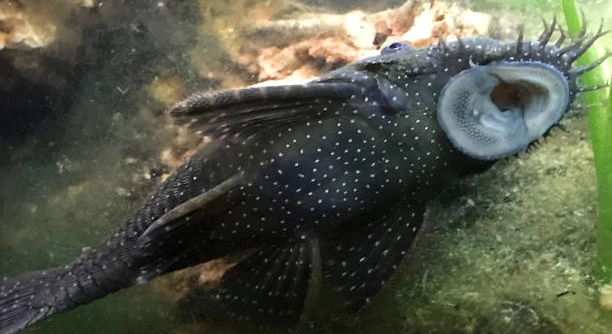
Have you ever noticed your aquarium becoming a lively little world filled with different creatures? Bristlenose plecos and snails often share the same tank, quietly coexisting while adding unique charm to the underwater space.
Bristlenose plecos generally get along well with snails because they are primarily herbivores that focus on algae and biofilm. They rarely harm snails, and conflicts are uncommon when both species have adequate space and food sources.
Learning how to create a peaceful tank environment ensures harmony between your plecos and snails, keeping your aquarium healthy and visually appealing.
Bristlenose Pleco Behavior and Snail Interactions
Bristlenose plecos are peaceful fish that spend most of their time grazing on algae, biofilm, and leftover plant matter. They are nocturnal, becoming more active during the evening and night, which means they often ignore snails during daylight hours. Snails, on the other hand, move slowly and feed at their own pace, mostly consuming leftover food, algae, or plant debris. Because of these differing routines, plecos and snails rarely interfere with each other. Providing enough hiding spots and surfaces to graze on ensures that plecos do not feel stressed or competitive. Plecos may sometimes explore snail shells, but this is usually harmless curiosity rather than aggression. Tank size also matters; a spacious environment reduces the chance of territorial behavior. Monitoring both species for changes in behavior can help maintain balance. Overall, plecos and snails can comfortably coexist when their basic needs are met and the tank is well-maintained.
Bristlenose plecos are generally non-aggressive and ignore snails unless food becomes extremely limited, which is uncommon in a well-kept tank.
When introducing plecos and snails together, it is helpful to watch initial interactions. Plecos may inspect snail shells, but with ample food and space, this curiosity rarely causes damage. Keeping the tank clean and ensuring regular feeding schedules helps prevent competition. Decorations, driftwood, and plants provide hiding areas for both species, making the environment less stressful. Observing their behavior over the first few days can highlight any potential conflicts early. If snails are abundant and food is sufficient, plecos usually focus on algae and detritus rather than bothering snails. Over time, they establish a rhythm, coexisting peacefully with minimal interference. Regular water changes, proper filtration, and occasional monitoring of algae levels support a balanced ecosystem. Creating this environment allows both plecos and snails to thrive without worry. Proper planning and observation make the coexistence of these species predictable and manageable.
Tank Setup Tips for Peaceful Coexistence
Providing hiding spots is essential for both plecos and snails, reducing stress and unnecessary interactions.
A tank with sufficient space, decorations, and proper substrate creates harmony between plecos and snails. Driftwood and rocks give plecos surfaces for grazing, while plants and caves allow snails to explore safely. Adequate water circulation and filtration maintain clean conditions, preventing excess waste that could stress either species. Lighting schedules should consider plecos’ nocturnal activity, ensuring they can feed comfortably during their active hours. Avoid overcrowding; too many animals increase the chance of competition. Feeding routines matter as well; supplementing algae wafers or vegetables ensures plecos don’t seek alternative food sources that might disturb snails. Monitoring water parameters like temperature, pH, and hardness helps both species stay healthy. Regular tank maintenance, including cleaning and partial water changes, supports a stable environment. Observing behavior and adjusting the setup as needed can prevent conflicts. A thoughtfully arranged tank creates a calm, thriving space for both plecos and snails to coexist peacefully.
Feeding Habits and Shared Diet
Bristlenose plecos mainly eat algae, while snails consume leftover food and plant matter. Their diets rarely overlap in a harmful way, making them compatible tankmates. Occasional supplementation of vegetables or algae wafers supports both species’ nutritional needs without conflict.
Plecos spend much of their time scraping surfaces for algae, which is their primary food source. Snails quietly move along the substrate, eating leftover flakes, algae, and decaying plant material. Providing fresh vegetables like zucchini or cucumber helps reduce competition. It’s important to avoid overfeeding, as excess food can lead to poor water quality and stress both species. Observing feeding patterns ensures that plecos get enough without depriving snails of nourishment.
Maintaining a balanced diet also prevents plecos from turning their attention to snail eggs or soft-bodied snails, which is rare but possible in extreme hunger. Feeding small amounts regularly allows both plecos and snails to thrive. A consistent schedule, paired with diverse food options, supports healthy growth, vibrant coloration, and natural behavior. Understanding these feeding patterns makes it easier to maintain a peaceful, well-functioning tank. Proper nutrition reduces the risk of aggression or stress, ensuring that both species coexist successfully over time.
Tank Maintenance and Cleanliness
Regular water changes and filtration keep the tank healthy for plecos and snails. Clean conditions reduce stress and promote natural behavior.
Waste from both plecos and snails can build up quickly if not managed. Uneaten food, decaying plants, and algae require regular removal to prevent water quality issues. A strong filter and weekly partial water changes help maintain proper parameters, keeping ammonia, nitrite, and nitrate levels low. Cleaning substrate gently avoids harming snails while removing debris efficiently. Observation is key; cloudy water or unusual behavior signals the need for maintenance.
Maintaining tank cleanliness also encourages healthy growth for plecos and snails. Driftwood and rocks may need occasional scrubbing to prevent excessive algae buildup, while plants benefit from trimming decayed leaves. A consistent maintenance routine supports water clarity, reduces disease risks, and promotes a stable environment. Monitoring temperature, pH, and hardness ensures both species remain comfortable. Simple practices like removing leftover food immediately after feeding prevent overgrowth of waste and algae. By keeping a clean, well-structured habitat, both plecos and snails can thrive together without conflict, creating a balanced and attractive aquarium.
Common Signs of Stress
Bristlenose plecos may show stress by hiding excessively or refusing to eat. Snails under stress often retract into their shells or move slower than usual. Monitoring these behaviors helps identify problems early.
Changes in water quality, overcrowding, or limited hiding spots can stress both plecos and snails. Addressing these issues promptly prevents long-term health problems and keeps the tank environment stable.
Compatibility With Other Tank Inhabitants
Bristlenose plecos and snails are generally compatible with many other peaceful fish. Avoid aggressive or territorial species that may harass either plecos or snails. Choosing calm, community fish minimizes conflicts and ensures a harmonious aquarium environment.
Breeding Considerations
Plecos lay eggs on flat surfaces, and snails rarely interfere with them. Keeping breeding areas separate and monitoring both species reduces the risk of accidental disturbances or damage to eggs.
FAQ
Do bristlenose plecos ever bother snails?
Bristlenose plecos are generally peaceful and focused on algae, biofilm, and leftover food. They rarely bother snails unless there is extreme food scarcity. Observing their behavior during feeding helps ensure both species have enough resources, preventing unnecessary stress or aggression.
Can snails harm bristlenose plecos?
Snails are slow-moving and mostly feed on algae, leftover food, and decaying plants. They do not have the ability or behavior to harm plecos. Any interaction is typically accidental contact, which plecos usually ignore. Maintaining proper tank conditions ensures both species remain healthy and stress-free.
What tank size is best for keeping plecos and snails together?
A medium to large tank, generally 20 gallons or more, works well. This provides ample space for grazing, hiding, and movement. Overcrowding can lead to stress, increased competition for food, and occasional territorial behavior, especially if decorations or hiding spots are limited.
What should I feed plecos and snails to prevent conflict?
Plecos benefit from algae wafers, blanched vegetables like zucchini or cucumber, and occasional protein supplements. Snails eat leftover food, algae, and decaying plant matter. Feeding both species enough ensures plecos do not become curious about snails or their eggs. Regular, small feedings reduce the risk of food-related tension.
Are there any signs that plecos and snails are not getting along?
Signs include plecos repeatedly nudging or damaging snail shells, snails retracting frequently, or unusual hiding behavior. Slow growth, lethargy, or poor appetite may indicate stress. Monitoring behavior and tank conditions helps detect and resolve these issues before they escalate.
How do I keep the tank clean with both plecos and snails?
Regular partial water changes, proper filtration, and gentle substrate cleaning are key. Plecos produce waste while grazing, and snails leave debris behind. Removing uneaten food promptly prevents water quality issues. Keeping plants trimmed and surfaces free of excessive algae supports a balanced, healthy environment for both species.
Can plecos eat snail eggs?
While uncommon, plecos may sometimes nibble on soft, exposed snail eggs if there is insufficient food. Providing adequate algae, vegetables, and feeding schedules reduces the likelihood of this behavior. Observing breeding areas and separating eggs if necessary can help protect snails’ reproduction.
Is it necessary to provide hiding spots for both species?
Yes, hiding spots like driftwood, rocks, and caves reduce stress for plecos and snails. Plecos need surfaces to graze on, and snails benefit from sheltered areas. Proper tank layout minimizes accidental contact and allows each species to feel secure, supporting natural behavior and long-term health.
How often should I check water parameters?
Weekly monitoring of temperature, pH, ammonia, nitrite, and nitrate is recommended. Both plecos and snails are sensitive to poor water conditions. Keeping parameters stable prevents stress, disease, and unusual behavior, ensuring a peaceful coexistence and a thriving tank.
Can plecos and snails share a breeding tank?
Yes, but careful observation is required. Plecos may guard eggs, and snails occasionally explore surfaces where eggs are laid. Providing separate breeding areas or monitoring interactions can prevent accidental damage and ensure both species reproduce successfully without interference.
Are certain snail species better for tanks with plecos?
Yes, medium to large snails like mystery snails or nerite snails are ideal because they are robust and move slowly. Smaller, delicate snails may be accidentally disturbed, so choosing hardy species reduces the chance of harm and supports a harmonious tank setup.
Do plecos and snails affect each other’s growth?
Not significantly. When both species have enough food, space, and clean water, they grow normally. Competition or poor conditions may slow growth, but careful management of diet and tank maintenance ensures both thrive without impacting each other’s development.
Can plecos coexist with snails long-term?
Yes, with proper care. Providing enough food, hiding spots, and maintaining clean water allows plecos and snails to live together for years. Observing behavior, adjusting feeding, and monitoring water parameters create a stable environment that supports their long-term health.
How do I introduce snails to a tank with plecos?
Introduce snails gradually to allow plecos to adjust. Place them in areas with hiding spots and abundant surfaces for grazing. Observing the first few days helps ensure plecos do not show unwanted curiosity or aggression. Gradual introduction reduces stress and promotes peaceful coexistence.
Is it safe to have multiple plecos and snails together?
Yes, as long as tank space and resources are sufficient. Overcrowding increases stress and competition. Adequate hiding spots, decorations, and feeding schedules minimize potential conflicts, allowing multiple plecos and snails to coexist comfortably and thrive in the same aquarium.
How do I prevent algae overgrowth with plecos and snails?
Both species help control algae, but balance is key. Avoid overfeeding and maintain a regular cleaning routine. Too much algae may indicate excess nutrients in the water. A combination of plecos, snails, and occasional manual cleaning keeps algae levels manageable while supporting their dietary needs.
Can plecos and snails be kept in planted tanks?
Yes, they generally coexist well with plants. Plecos may nibble on softer leaves, and snails may eat decaying plant matter. Choosing hardy plants and monitoring growth ensures that plants remain healthy while both species maintain their natural behaviors and diet.
Do plecos need driftwood if snails are present?
Yes, driftwood provides surfaces for plecos to graze and hide. It also benefits snails, offering additional surfaces and shelter. Maintaining driftwood in the tank supports both species’ natural behavior and reduces the chance of conflict over limited grazing areas.
How often should I feed plecos and snails?
Feeding small amounts 1–2 times daily is sufficient. Plecos graze throughout the day, and snails slowly consume food. Regular feeding prevents hunger-driven conflicts and ensures that both species get proper nutrition without overloading the tank with waste.
Can temperature changes affect plecos and snails?
Yes, sudden or extreme temperature changes stress both species. Plecos prefer 72–78°F, and most snails tolerate similar ranges. Maintaining stable temperature conditions supports health, encourages normal behavior, and prevents conflicts or unusual interactions caused by stress.
What should I do if a pleco attacks a snail?
Ensure adequate food and space, and observe for repeated aggressive behavior. Adding more hiding spots or separating the snail temporarily can prevent harm. Rarely, aggression occurs, but careful management usually restores peace and prevents further incidents.
Are plecos and snails good for beginner tanks?
Yes, both species are low-maintenance and hardy when provided with proper care. Their peaceful nature, algae control, and ease of feeding make them suitable for beginners, while requiring regular observation, clean water, and adequate tank setup to thrive.
Do plecos and snails have different activity cycles?
Yes, plecos are mostly nocturnal, while snails are active throughout the day. This difference reduces interaction and potential conflict, allowing each species to feed and move without disturbing the other, contributing to a calm tank environment.
Can overcrowding cause problems for plecos and snails?
Yes, too many animals in a tank increases stress, competition for food, and potential damage to snails. Maintaining appropriate stocking levels and sufficient hiding spaces ensures both species coexist comfortably and remain healthy.
How do I manage waste from plecos and snails?
Regular water changes, substrate cleaning, and proper filtration manage waste effectively. Uneaten food should be removed promptly, and driftwood or rocks occasionally cleaned. These practices prevent water quality issues, keeping both plecos and snails healthy.
Is it normal for snails to climb on plecos?
Yes, snails may occasionally crawl on plecos, usually without causing harm. Plecos generally ignore them. Ensuring adequate space and surfaces for grazing prevents repeated contact, keeping interactions safe and stress-free.
Do plecos and snails need supplements?
Plecos benefit from occasional vegetables and algae wafers, while snails often get enough from algae and leftover food. Calcium supplementation may be needed for snails to maintain shell health. Proper diet and observation prevent deficiencies and support growth.
Can plecos and snails live together in small tanks?
They can, but careful monitoring is needed. Small tanks increase the chance of stress, food competition, and accidental shell damage. Providing hiding spots, proper feeding, and frequent water changes helps mitigate risks in limited space.
How can I tell if the tank environment is balanced?
Clear water, active grazing, healthy plant growth, and normal behavior indicate a balanced tank. Plecos and snails should appear healthy, move naturally, and coexist without stress or aggression. Regular observation ensures a stable environment for both species.
Are there any diseases that affect plecos and snails together?
Both are susceptible to poor water conditions, fungal infections, or parasitic outbreaks. Maintaining clean water, proper feeding, and stable parameters reduces disease risks. Observing for lethargy, discoloration, or unusual behavior helps detect health issues early, preventing spread.
What decorations work best for plecos and snails?
Driftwood, rocks, and caves provide grazing and hiding areas for plecos and snails. Smooth surfaces prevent shell damage for snails, while offering plecos areas to scrape algae. A mix of decorations supports natural behaviors and reduces stress in the tank.
Do plecos need companions if snails are present?
Plecos can live alone with snails, but they may appreciate other peaceful tankmates for stimulation. Avoid aggressive or territorial fish. Careful selection ensures that interactions remain calm and the tank environment stays harmonious.
Can sudden changes in feeding affect their relationship?
Yes, skipping meals or overfeeding can stress plecos or snails. Inadequate food may cause plecos to explore snail eggs or shells. Consistent feeding routines maintain peaceful interactions and reduce stress-related behavior.
Are bristlenose plecos compatible with all snail species?
Most medium to large snails are compatible, but tiny, delicate snails may be accidentally disturbed. Hardy species like nerite or mystery snails thrive with plecos. Choosing appropriate species ensures both coexist safely without harm.
How do I handle accidental damage to snail shells?
Separate injured snails, provide calcium supplements, and maintain clean water. Minor cracks may heal over time. Preventative measures, like more hiding spots and adequate space, reduce future accidents and support recovery.
Can plecos and snails survive in slightly different water conditions?
They can tolerate minor differences, but extreme deviations stress both species. Keeping temperature, pH, and hardness within compatible ranges ensures health, encourages normal behavior, and prevents conflicts between plecos and snails.
Do plecos interact with snails during the night?
Plecos are nocturnal and may graze near snails, but they rarely disturb them. Snails are slower and generally unaffected. Ensuring enough surfaces and food sources minimizes interactions, allowing both species to maintain their routines peacefully.
Is monitoring necessary once plecos and snails settle in?
Yes, occasional observation helps detect changes in behavior, health, or tank conditions. Even well-settled species can experience stress or illness. Regular monitoring ensures long-term harmony and prevents issues before they escalate.
Do plecos and snails compete for algae?
Competition is minimal if algae and food are abundant. Plecos primarily scrape surfaces, while snails consume leftover patches. Proper feeding and cleaning routines prevent scarcity and allow both species to access sufficient nutrition.
Can plecos and snails help maintain a clean tank together?
Yes, plecos graze on algae and detritus, while snails consume leftover food and decaying matter. Together, they reduce buildup and contribute to a healthier, more balanced tank ecosystem when combined with regular maintenance.
Are plecos and snails suitable for community tanks?
Yes, they generally coexist with peaceful fish and invertebrates. Avoid aggressive or territorial species to maintain calm interactions. Proper planning ensures that both plecos and snails thrive alongside other tank inhabitants without conflict.
Do plecos need supplemental light if snails are present?
Plecos are nocturnal and do not require extra light, while snails benefit from standard lighting to support plant and algae growth. Maintaining a regular light cycle supports both species without disturbing natural behaviors.
How do I prevent overpopulation of snails with plecos?
Control breeding by limiting excess food and managing egg-laying areas. Overpopulation can stress plecos and other tank inhabitants. Regular monitoring and maintenance help keep snail numbers manageable while maintaining harmony with plecos.
Can plecos and snails adapt to new tanks quickly?
Yes, with proper acclimation. Gradually adjusting water parameters, providing hiding spots, and ensuring adequate food reduces stress. Observing behavior during the first week helps ensure both species adapt safely and coexist peacefully.
Is tank decoration important for stress reduction?
Yes, driftwood, rocks, and plants offer hiding spots, grazing areas, and visual barriers. Proper decoration reduces accidental contact, allows natural behavior, and keeps plecos and snails comfortable in the same tank.
Do plecos and snails require quarantine before introduction?
Quarantining new animals helps prevent disease transmission. Observing health, checking for parasites, and acclimating them gradually reduces stress and ensures both plecos and snails enter the tank safely.
Can plecos and snails survive in low-light tanks?
Yes, plecos are nocturnal and adapt well to low light, while snails feed on leftover food and algae. Ensuring enough surfaces for grazing supports both species’ natural behavior in dimly lit tanks.
How do I manage pleco growth with snails in the tank?
Providing sufficient space, proper feeding, and hiding spots allows plecos to grow without stressing snails. Regular observation ensures that both species thrive, and adjustments prevent conflicts as plecos increase in size.
Do plecos and snails need water softeners or conditioners?
Depending on tap water quality, conditioners may be necessary. Both species are sensitive to chlorine, chloramine, and extreme hardness. Using water conditioners supports shell health for snails and skin and fin health for plecos.
Are there seasonal changes that affect plecos and snails?
Seasonal temperature fluctuations or lighting changes may impact activity levels and feeding. Maintaining stable conditions indoors minimizes stress and ensures consistent behavior for both plecos and snails year-round.
Can plecos and snails live in tanks with fluctuating pH?
Both species prefer stable pH levels. Sudden changes can stress plecos and weaken snail shells. Monitoring and maintaining consistent parameters helps prevent health issues and supports peaceful coexistence.
Do plecos interact differently with young snails?
Plecos may show curiosity toward young snails or eggs, but aggression is rare. Providing ample food and hiding spots minimizes accidental harm and allows both species to develop safely in the tank.
Are there specific water temperatures that favor coexistence?
A stable range of 72–78°F supports plecos and most snails. Temperatures outside this range can stress both species, reduce activity, and impact feeding behavior, potentially causing minor conflicts or health issues.
How do I handle sudden illness in either species?
Isolate the sick animal, check water quality, and treat as recommended. Prompt attention prevents disease spread and protects the health of both plecos and snails. Maintaining a clean, stable tank reduces the likelihood of sudden illness.
Can plecos live with snails if I have fast-moving fish?
Yes, but fast or aggressive fish may stress both plecos and snails. Observing interactions and providing hiding spots helps reduce stress and allows peaceful coexistence, even with more active tankmates.
Do plecos and snails ever compete for territory?
Competition is minimal. Plecos may claim grazing surfaces, while snails explore the substrate and plants. Proper space and decorations ensure each species has access to resources without interfering with the other.
Are plecos nocturnal while snails are diurnal?
Yes, this difference in activity patterns helps reduce conflicts. Plecos are more active at night, while snails move slowly throughout the day, allowing both species to feed and explore without constant overlap.
How often should I trim plants in a tank with plecos and snails?
Trimming dead or decaying leaves weekly prevents waste buildup and provides fresh surfaces for grazing. Healthy plants benefit both species, supporting nutrition and keeping the tank visually appealing and balanced.
Do plecos need separate feeding areas from snails?
Not strictly necessary, but providing multiple feeding surfaces reduces competition and ensures both species have access to adequate food. Observing behavior during feeding helps adjust placement if needed.
Can plecos and snails live in tanks with fluctuating light cycles?
Stable light cycles are preferable. Sudden changes may stress snails or disrupt pleco feeding patterns. Consistent lighting encourages natural behavior and supports algae growth for grazing, benefiting both species.
Do plecos groom snails or shells?
No, plecos generally ignore snail shells. Occasional contact may occur, but it is harmless. Ensuring adequate space and hiding areas prevents accidental damage and stress.
Can plecos and snails survive in tanks with strong currents?
Moderate currents are fine, but strong water flow can stress both species. Plecos prefer calm surfaces for grazing, and snails may struggle to move. Adjusting flow ensures comfort and reduces stress-related behavior.
How do I know if plecos and snails are thriving?
Healthy grazing, normal growth, active movement, intact shells, and calm behavior indicate thriving conditions. Monitoring water quality, feeding, and interactions ensures both species remain healthy and stress-free over time.
Are plecos and snails compatible with shrimp?
Yes, peaceful shrimp species generally coexist well. Plecos and snails do not harm shrimp, and each species occupies slightly different niches, reducing competition and promoting a balanced aquarium environment.
Do plecos affect snail reproduction?
Generally no, but plecos may explore eggs if food is scarce. Providing ample nutrition and hiding spots minimizes interference, allowing snails to reproduce successfully without stress.
Can plecos and snails live together in a planted tank with floating plants?
Yes, floating plants provide additional shade and grazing surfaces. Plecos can graze driftwood and substrate, while snails explore plants and detritus. This setup supports natural behaviors and reduces stress for both species.
Is calcium important for snails in a tank with plecos?
Yes, calcium supports strong shell growth. Plecos do not require additional calcium, but maintaining water hardness suitable for snails ensures shell health and prevents weakness or damage.
Do plecos and snails need quarantine when introducing other species?
Quarantine protects all tank inhabitants. New fish or invertebrates may carry disease, and isolating them before introduction prevents stress and infection, maintaining a stable environment for plecos and snails.
**
Final Thoughts
Bristlenose plecos and snails can coexist peacefully in the same tank when their needs are met. Plecos are gentle, primarily focusing on algae and leftover plant matter, while snails move slowly and feed on similar resources without causing harm. Their diets rarely overlap in a way that causes conflict, especially if the tank is adequately stocked with food. Observing their behavior is important during the first few days of introduction, as plecos may occasionally inspect snail shells out of curiosity. Providing enough surfaces for grazing, hiding spots, and decorations helps both species feel secure and reduces stress, which is essential for a balanced tank environment.
Maintaining clean water is key to ensuring the health of both plecos and snails. Regular partial water changes, proper filtration, and gentle substrate cleaning prevent waste buildup and keep ammonia, nitrite, and nitrate levels low. Both species produce waste, and uneaten food can quickly affect water quality if not removed promptly. Adding driftwood, rocks, and plants not only enhances the tank’s aesthetic but also provides grazing areas for plecos and shelter for snails. Keeping the tank environment stable in terms of temperature, pH, and hardness helps prevent stress-related behavior, encourages natural feeding patterns, and supports long-term health. Observing both species regularly allows early detection of issues, such as unusual hiding, lethargy, or changes in appetite.
Feeding routines and proper tank management are also important for a harmonious coexistence. Plecos benefit from algae wafers, blanched vegetables, and occasional protein supplements, while snails rely on leftover food, algae, and decaying plants. Offering sufficient food reduces the chance of plecos exploring snail eggs or shells. Overcrowding should be avoided, as it can lead to competition for space and resources, stressing both species. Monitoring activity levels, especially because plecos are nocturnal and snails are active throughout the day, helps maintain a peaceful environment. With consistent care, observation, and attention to tank conditions, plecos and snails can thrive together. Their presence contributes to a balanced aquarium, offering both functionality and aesthetic appeal while allowing owners to enjoy a calm and harmonious aquatic setup.

Hello,
If you enjoy the content that we create, please consider saying a "Thank You!" by leaving a tip.
Every little bit helps us continue crafting quality advice that supports the health, happiness, and well-being of pets around the world, for pets of all shapes, sizes, and species.
We really appreciate the kindness and support that you show us!