
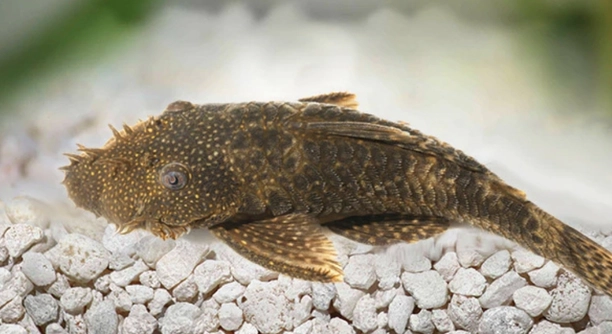
Do you ever notice your pleco swimming around the tank and wonder what makes it act the way it does? These fish have unique habits that can be surprising, especially when you spend time observing their daily routines.
Plecos are generally solitary fish but display distinct social behaviors depending on tank conditions and species. They communicate through body movements, territorial displays, and subtle interactions, which help maintain balance and reduce conflicts within shared environments.
Learning about pleco social habits can improve tank harmony and help you provide an environment that supports their natural behaviors.
Understanding Pleco Territorial Behavior
Plecos are naturally territorial, especially the larger species. They often stake out hiding spots or sections of the tank as their own space. Observing them, I noticed how certain plecos patrol the same area repeatedly, occasionally chasing others away. Providing caves, driftwood, or dense plant cover helps minimize stress by giving each fish a safe retreat. Smaller plecos tend to be more flexible with shared spaces, but conflicts can still arise when food or prime resting spots are limited. Watching their subtle fin movements and sudden dashes is a reminder that they are not just passive algae eaters. Territory is more about comfort than aggression, and adjusting tank setup can make a noticeable difference in their behavior. Over time, they may adapt to other tank mates if their boundaries are respected, showing that understanding their need for personal space is key to a harmonious environment.
Territorial behavior in plecos is influenced by tank size, hiding spots, and individual personality, which affects interactions with other fish.
By arranging multiple caves and shelters in different corners of the tank, you allow plecos to choose their preferred spaces. This reduces competition, making feeding times calmer. Observing these patterns over several weeks can reveal which plecos are dominant and which prefer more secluded areas. Small changes, like adding driftwood or rearranging decor, often improve harmony. Plecos also communicate territory through tail flicks, posturing, and occasionally bumping into intruders. Recognizing these signals can prevent serious conflicts before they escalate. Over time, I noticed plecos become more confident and less stressed, showing that respecting their space is vital. Each fish develops a routine, moving between resting spots and feeding areas without constant confrontation. Even in community tanks, these adjustments help plecos coexist peacefully, emphasizing the importance of thoughtful tank design. Their behavior highlights how environmental considerations directly influence social interactions and overall health.
Social Interaction Among Plecos
Plecos are more social when the environment is enriched, especially with enough hiding spots and moderate lighting. They observe each other and communicate through subtle body movements.
Providing plenty of algae surfaces and hiding spaces encourages natural interaction. When I added extra driftwood and plants, plecos started showing more coordinated movement, occasionally following each other during feeding. Social behaviors include gentle nudging, mirroring fin movements, or resting near one another without conflict. These interactions are essential for mental stimulation and help them feel secure. Plecos rarely engage in aggressive play if their needs are met, showing that social structure depends heavily on the tank setup and resource distribution. Watching them interact can be surprisingly engaging, as it reveals patterns of dominance, comfort, and cooperation within the group. The more natural the environment, the more confident plecos become, allowing for richer social behaviors that keep them active and healthy.
Feeding Behavior and Social Dynamics
Plecos often show subtle competition during feeding, especially in smaller tanks. I noticed that dominant fish usually eat first, while others wait for their turn or stick to less crowded areas, highlighting how feeding behavior impacts social interactions.
Providing multiple feeding spots reduces competition and ensures all plecos get proper nutrition. Observing my tank, I saw that when algae wafers were scattered in different areas, shy plecos became more active and confident. Feeding behavior is closely linked to social hierarchy, and careful placement of food prevents stress and aggression. Each pleco adapts its feeding strategy based on others’ presence, which creates a balance over time.
Some plecos prefer grazing slowly on surfaces, while others quickly grab available food. Their interactions can be gentle nudges or mild posturing, rarely escalating to aggression if the tank is large enough. I adjusted feeding routines and spread food in several corners, which noticeably improved harmony. Watching these patterns revealed how social dynamics influence growth, health, and confidence, and small adjustments make a big difference in managing multiple plecos together.
Nighttime Activity and Social Patterns
Plecos are mostly nocturnal, becoming more active during the night. I often observed them exploring, grazing, or moving between hiding spots once the lights were off, showing a different side of their behavior.
Nighttime is when plecos display the most natural social behavior, from coordinated grazing to quiet interactions near shelters. In my tank, dominant plecos still claim prime spots, but others move freely without much confrontation. Reduced light encourages less stress and more exploration. Plecos communicate subtly, like brushing against one another or signaling through tail movements. Their nocturnal patterns are consistent, revealing daily routines and preferences. This behavior helps maintain a balance in the tank, as activity during the night reduces competition for daytime resources and allows more peaceful coexistence among multiple fish.
Communication Through Body Language
Plecos use body movements to communicate with each other. Tail flicks, fin displays, and subtle nudges often indicate dominance, submission, or interest, helping reduce conflicts without direct aggression.
Watching my plecos, I noticed that even small gestures convey clear messages. Recognizing these signs makes it easier to understand their interactions and respond appropriately to their needs.
Grouping and Compatibility
Plecos can coexist peacefully when tank conditions are suitable. I observed that providing enough space, hiding spots, and evenly distributed food allowed multiple plecos to establish territories without constant conflict. Social compatibility depends on species, size, and individual temperament. Monitoring behavior over time is key to maintaining harmony.
Reacting to Changes in the Tank
Plecos often react cautiously to new decorations or changes in water conditions. They explore slowly and may hide until they feel safe.
FAQ
How do plecos show aggression toward each other?
Plecos rarely show outright aggression, but it can happen when space is limited or hiding spots are scarce. I noticed that dominant plecos sometimes chase or bump others lightly to mark territory. Fin displays, tail flicks, or brief nudges are usually enough to settle disputes without serious injury. Over time, fish learn their place and conflicts decrease if the environment is well-structured.
Can plecos live with other fish peacefully?
Yes, most plecos can coexist with non-aggressive species. Tank size and hiding spots are crucial. In my experience, adding driftwood and plants gave plecos enough space to avoid constant contact with other fish. Larger plecos may assert dominance, but careful placement of food and shelters usually maintains harmony.
Do plecos prefer solitude or groups?
Many plecos are naturally solitary, yet they tolerate the presence of others if territories are respected. Observing my tank, I saw that shy plecos would stay near shelters while more confident ones patrolled open areas. Proper tank setup allows multiple plecos to coexist without stress, creating a balance between social and solitary behavior.
Why do plecos sometimes hide for long periods?
Hiding is normal behavior, often linked to stress, lighting, or tank changes. I noticed mine retreating after water changes or when new fish were introduced. Providing caves or dense plant cover encourages them to explore at their own pace while maintaining a sense of security. Over time, they become more active as they adjust.
How do plecos communicate during feeding?
Plecos use subtle gestures to establish feeding order. Tail flicks, gentle nudges, and positioning indicate dominance or patience. I observed that scattering food in multiple areas reduced tension, allowing shy plecos to eat without being pushed away. Understanding these behaviors helps prevent stress and ensures all fish get enough nutrition.
Do plecos recognize each other?
Yes, plecos can recognize familiar tank mates through routine interactions and territory boundaries. In my tank, dominant plecos patrolled the same spots consistently, while others respected established paths. This recognition helps reduce conflict and maintains social stability, showing that plecos are more aware than they appear.
What triggers plecos to change their social behavior?
Changes in tank setup, lighting, or population size often alter social behavior. I noticed plecos became more cautious when new decorations were added or when other fish were introduced. Gradual adjustments and monitoring their reactions help maintain calm and prevent stress-related aggression. Proper acclimation is key.
How can I encourage positive social interactions?
Providing multiple hiding spots, spreading food, and maintaining appropriate tank size encourages peaceful interactions. In my experience, plecos that have options for retreat and exploration display calmer, more cooperative behavior. Observing patterns and making small adjustments supports their natural tendencies and overall well-being.
Do plecos interact differently at night?
Plecos are mostly nocturnal, showing more movement and social interactions during low light. I often observed gentle grazing, subtle nudges, and coordinated movement around shelters after lights were off. Nighttime activity allows them to interact naturally, reduce daytime competition, and maintain balance in the tank.
What is the best way to monitor pleco social behavior?
Regular observation at different times, especially during feeding and nighttime, reveals social patterns. I keep a simple log of interactions, noting dominant behaviors, shy individuals, and changes after tank adjustments. Monitoring helps identify stress points, ensuring plecos remain healthy and their social structure stable.
Final Thoughts
Understanding pleco social behavior can make a big difference in maintaining a peaceful tank. These fish are not just algae eaters; they have their own ways of communicating, establishing territory, and interacting with tank mates. Observing them over time reveals patterns in how they eat, rest, and explore. For example, dominant plecos often stake out prime hiding spots or feeding areas, while more timid ones stay near shelters or edges. Recognizing these behaviors helps in arranging the tank to reduce stress and conflicts. Simple changes like adding caves, driftwood, or plants can give each fish space to feel secure. I’ve noticed that when these adjustments are made, plecos seem more confident and active, moving around the tank without unnecessary tension. Their subtle gestures, from tail flicks to gentle nudges, are small yet meaningful ways they communicate with each other. Understanding these signs allows you to anticipate interactions and support a harmonious environment. Even in a community tank with other fish, plecos can coexist peacefully if their needs for space, food, and hiding places are met.
Feeding behavior is another key aspect of pleco social life. In a small tank, competition for food can create tension, while a well-arranged feeding setup helps everyone get enough without stress. I learned that scattering food in different areas or using multiple algae wafers reduces conflict and encourages shy plecos to eat. Observing them during feeding times also shows hierarchy and personality differences. Some plecos graze slowly and methodically, while others move quickly to claim a spot. Both behaviors are normal, and providing options ensures no fish is left out. Nighttime activity is equally important, as plecos are naturally more active in low light. During these hours, they explore, graze, and move between shelters, revealing a side of their behavior often missed during the day. Understanding when and how they are most active helps in designing a tank that supports their natural routines. Over time, the fish settle into predictable patterns, which makes caring for them easier and more rewarding.
Social harmony among plecos depends on observation and thoughtful care. By paying attention to their movements, gestures, and interactions, it is possible to create a tank environment that allows each fish to thrive. Providing enough space, hiding spots, and food options reduces stress and supports natural social behavior. I’ve seen that plecos that feel safe and respected are more active, less aggressive, and healthier overall. Their behaviors, though subtle, are consistent indicators of comfort and well-being. Monitoring changes, such as the introduction of new fish or adjustments to tank decor, helps maintain stability and prevent conflicts. Plecos are resilient, but they respond best when their environment mimics natural conditions. Understanding their social needs not only enhances the tank’s atmosphere but also allows the keeper to connect more deeply with the fish. Over time, observing and supporting these patterns creates a balanced, peaceful community where plecos can thrive alongside each other and other compatible fish. Careful attention, small adjustments, and patience are the keys to keeping plecos healthy, active, and socially balanced.

Hello,
If you enjoy the content that we create, please consider saying a "Thank You!" by leaving a tip.
Every little bit helps us continue crafting quality advice that supports the health, happiness, and well-being of pets around the world, for pets of all shapes, sizes, and species.
We really appreciate the kindness and support that you show us!