
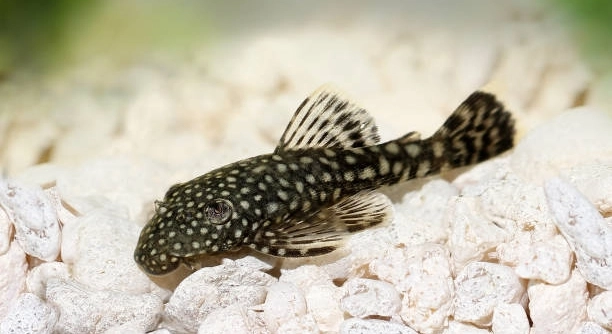
Is your bristlenose acting restless, darting around its tank, or refusing to settle? Small behavioral shifts can sometimes signal a deeper issue in your aquarium’s environment or your fish’s overall well-being.
A restless bristlenose is commonly caused by poor water quality, stress, or environmental imbalance. Maintaining stable parameters, providing adequate hiding spots, and ensuring a consistent feeding schedule are essential to restoring calm behavior and preventing long-term health problems.
From subtle tank changes to nutritional adjustments, understanding these quick fixes will help your bristlenose feel secure and thrive in its aquatic home.
Check Your Water Quality
Poor water quality is often the main cause of restlessness in bristlenose plecos. These fish are sensitive to changes in ammonia, nitrite, and nitrate levels, which can make them uncomfortable or anxious. Regular water testing helps you identify imbalances before they become serious. Keep ammonia and nitrite at zero, and nitrates below 20 ppm. Perform weekly water changes of about 25–30 percent to maintain stability. Avoid overfeeding, as uneaten food quickly pollutes the tank. Make sure your filter is properly sized and functioning efficiently. A clean, stable environment promotes calm behavior and prevents unnecessary stress in your bristlenose.
Once you balance your tank’s parameters, you’ll notice your bristlenose becoming more relaxed, exploring its surroundings, and resuming normal behavior like grazing and resting peacefully along the tank surfaces.
Clean water is the foundation of a healthy aquarium. A few simple maintenance steps each week can make a remarkable difference in your fish’s comfort and behavior.
Reduce Stress and Provide Hiding Spots
Bristlenose plecos value a calm, secure space. Loud noises, frequent movement near the tank, or aggressive tankmates can create stress and cause restlessness. Adding caves, driftwood, or plants gives them safe places to retreat when they feel uneasy.
Creating a low-stress environment takes patience and consistency. Choose tankmates with gentle temperaments and avoid overcrowding. Ensure there are enough hiding spaces for every bottom-dwelling fish. Dim lighting can also help them feel secure, as they prefer shaded areas over bright exposure. If your bristlenose still seems uneasy, try repositioning decorations or driftwood to give it new territories to explore. Sometimes, even a small adjustment can make a big difference. Maintaining a peaceful setting encourages natural behaviors such as grazing on algae, resting under wood, and calmly interacting with their surroundings. A balanced habitat allows your bristlenose to thrive both physically and emotionally.
Maintain a Consistent Feeding Schedule
Feeding your bristlenose at irregular times can lead to stress and restless activity. These fish rely on routine, and inconsistency in feeding can make them anxious or cause them to search constantly for food throughout the tank.
A stable feeding schedule keeps your bristlenose calm and satisfied. Offer sinking wafers, algae tablets, and blanched vegetables such as zucchini or cucumber. Feed small portions once or twice daily, removing any uneaten food after a few hours to avoid contamination. This helps maintain clean water and consistent nutrition. Regular feeding also reinforces predictable behavior, as your bristlenose learns when to expect food and rests comfortably between meals. A reliable routine supports healthy digestion, reduces erratic swimming, and prevents excessive food competition among tankmates.
Sticking to a steady routine not only improves your fish’s well-being but also strengthens its feeding confidence, creating a balanced environment where it feels secure and well cared for.
Monitor Tank Temperature and Lighting
Temperature fluctuations can cause sudden changes in behavior. Bristlenose plecos thrive in water between 73°F and 81°F. Anything outside this range can make them restless or inactive. Lighting that’s too bright or inconsistent can also disrupt their comfort and natural rhythm.
Keeping stable conditions ensures your bristlenose remains calm and energetic. Use a reliable heater with a built-in thermostat to prevent rapid temperature shifts. Avoid placing the tank near windows or air vents where drafts or direct sunlight can affect temperature stability. Bristlenose plecos prefer moderate lighting and shaded areas, so include floating plants or dim LED settings. Mimic natural day and night cycles by turning lights on for 8 to 10 hours daily. This balance supports a healthy internal rhythm, reducing stress and promoting restful behavior. Consistency in temperature and light helps your bristlenose feel safe and maintain its normal grazing and resting patterns.
Check for Aggressive Tankmates
Aggressive fish can easily stress your bristlenose, making it restless and withdrawn. Species that nip fins or invade territory should be avoided. Observe interactions closely and separate any fish showing persistent hostility toward your bristlenose to maintain peace in the tank.
Providing enough space and hiding spots reduces tension among tankmates. Choose calm, community-friendly fish such as tetras or corydoras. Rearranging decorations can also help break aggressive patterns by resetting territorial boundaries. A peaceful environment supports natural behavior and prevents unnecessary stress-related activity in your bristlenose.
Inspect for Health Issues
Restlessness can sometimes signal illness or discomfort. Watch for symptoms like rapid breathing, clamped fins, or white spots on the body. Quarantine the fish if needed and monitor water quality carefully. Internal parasites or bacterial infections may require treatment with aquarium-safe medications. Early observation and prompt care prevent health complications.
Adjust Tank Flow
Strong currents can overwhelm your bristlenose and cause constant movement as it struggles to stay balanced. Use sponge filters or flow reducers to create gentler water circulation. A calm, steady flow helps your bristlenose conserve energy and rest comfortably across the tank’s surfaces.
FAQ
Why is my bristlenose constantly swimming up and down the tank glass?
When your bristlenose keeps pacing the glass, it’s often reacting to poor water conditions or stress. High ammonia or nitrate levels can make the fish uncomfortable, prompting erratic movements. Testing the water immediately can help identify any imbalance. In some cases, reflection can also confuse the fish, making it believe there’s another bristlenose nearby. Adding background paper or adjusting lighting reduces reflections. If parameters are normal and the behavior persists, consider environmental factors such as tank overcrowding, insufficient hiding spots, or strong currents. Addressing these issues usually restores calm, balanced behavior.
What foods help calm a restless bristlenose?
Feeding your bristlenose a consistent and balanced diet plays a major role in its overall temperament. Algae wafers, sinking pellets, and blanched vegetables such as zucchini, spinach, or cucumber provide essential nutrients. These foods mimic natural grazing habits and promote digestive comfort, which reduces agitation. Avoid overfeeding, as leftover food can spoil water quality and create stress. If your bristlenose appears restless after feeding, try offering smaller portions more frequently to ensure it feels full without overwhelming the tank’s filtration. Proper nutrition not only keeps your fish healthy but also encourages steady, calm behavior.
How can lighting affect a bristlenose’s mood?
Lighting has a direct influence on bristlenose plecos. These fish prefer dim or moderate light, as intense brightness can cause anxiety and erratic movements. Too much light can also discourage them from grazing openly. Providing floating plants or shaded areas gives them comfortable spaces to rest. If you notice restless swimming during bright periods, shorten your light duration to around eight hours daily. A consistent light schedule supports their natural rhythm and helps them adapt better. Balanced lighting conditions help your bristlenose feel secure, encouraging normal behavior and regular feeding patterns.
Why does my bristlenose hide all the time instead of exploring?
Constant hiding can mean your bristlenose feels insecure. This behavior often appears when tankmates are aggressive or the environment lacks sufficient hiding options. Even bright lighting or sudden tank movements can trigger this reaction. Try rearranging decorations to form multiple shaded areas where your fish can retreat safely. Once your bristlenose feels protected, it will begin exploring more frequently. Consistent feeding routines and calm surroundings also help rebuild confidence. Over time, it will settle into a natural cycle of resting, grazing, and light exploration across the tank.
Can water flow make my bristlenose restless?
Yes, strong water movement can exhaust or unsettle your bristlenose. These fish prefer steady but gentle currents that allow them to cling to surfaces easily. Too much pressure from filters or pumps can cause them to struggle for balance, leading to constant motion. Adjusting the flow using sponge filters or spray bars helps regulate circulation. Observe your fish afterward—if it starts resting calmly on surfaces again, you’ve likely fixed the issue. Proper water flow not only reduces stress but also supports normal feeding and waste removal patterns.
Should I isolate my bristlenose if it stays restless for several days?
If your bristlenose remains agitated even after adjustments, isolation might be helpful. Use a small hospital or quarantine tank to observe it closely. This controlled environment helps determine whether the issue is environmental or health-related. Maintain clean water, steady temperature, and minimal disturbances. If restlessness decreases in isolation, the main tank may have underlying issues such as aggression or inconsistent parameters. However, if the behavior persists, it could indicate illness. In that case, monitor for visible symptoms like fin damage, rapid breathing, or white spots. Early detection and gentle care are key to recovery.
Can bristlenose plecos become restless due to loneliness?
Bristlenose plecos are generally independent fish and don’t require companionship to stay content. However, they do need an engaging environment. A bare tank with no hiding spots or natural decor can cause boredom-like behavior that mimics restlessness. Including driftwood, caves, and live plants gives them stimulation and comfort. If you want more than one bristlenose, ensure the tank is large enough—at least 30 gallons for two adults—to prevent territorial disputes. Proper setup encourages peaceful coexistence while allowing natural exploration and grazing habits to thrive.
How long does it take for a bristlenose to calm down after fixing tank issues?
Once conditions stabilize, most bristlenose plecos begin to relax within a few days. The exact time depends on the severity of the stress and the changes made. If water parameters were corrected or aggressive tankmates removed, improvement should appear quickly. However, some fish may take up to a week to regain normal behavior. Maintaining consistency is essential—avoid sudden changes in lighting, temperature, or layout during recovery. Gradual adjustments build trust and help your bristlenose regain its comfort level naturally. With patience and a stable environment, restlessness will fade, and calm routines will return.
Final Thoughts
Caring for a bristlenose pleco requires patience, awareness, and consistency. These peaceful bottom dwellers are generally hardy, but even small environmental changes can affect their behavior. When a bristlenose becomes restless, it’s often a sign that something in the aquarium is unbalanced. Paying attention to water quality, temperature, lighting, and feeding patterns helps prevent these issues before they start. A stable environment brings comfort, while regular maintenance supports both the fish’s physical health and emotional well-being. Observing your bristlenose daily allows you to notice subtle changes in behavior, helping you act quickly if something feels off. Small actions, like cleaning the filter, performing partial water changes, or providing extra shade, can make a meaningful difference in restoring calm.
Creating a peaceful habitat is about more than just maintaining clean water. It involves understanding your bristlenose’s instincts and adjusting the environment to suit its needs. These fish thrive in tanks that mimic natural riverbeds—filled with driftwood, smooth stones, and gentle currents. Each element serves a purpose: driftwood aids digestion, hiding spots offer security, and moderate flow ensures proper oxygenation. When these needs are met, the bristlenose behaves naturally—grazing on surfaces, resting under wood, and occasionally emerging during feeding times. Watching them move calmly around the tank becomes both relaxing and rewarding. This balance reflects your care and attention as a keeper, showing that even the smallest details contribute to your fish’s overall happiness.
In the end, a restless bristlenose is simply communicating. Restlessness should not be ignored, as it signals that something in the tank’s environment requires adjustment. Whether it’s water imbalance, temperature changes, or an overly bright setup, identifying the cause early ensures the problem doesn’t escalate. Consistency in care helps your fish feel secure, making it less likely to display stress behaviors in the future. Over time, you will notice that maintaining a calm, thriving tank becomes second nature. Your efforts create a stable and peaceful home where your bristlenose can live comfortably for years. It’s a simple reminder that good care is not about quick fixes but about understanding and maintaining harmony within the aquarium. With balanced conditions and gentle attention, your bristlenose will reward you with calm, steady behavior and a long, healthy life in its aquatic sanctuary.

Hello,
If you enjoy the content that we create, please consider saying a "Thank You!" by leaving a tip.
Every little bit helps us continue crafting quality advice that supports the health, happiness, and well-being of pets around the world, for pets of all shapes, sizes, and species.
We really appreciate the kindness and support that you show us!