
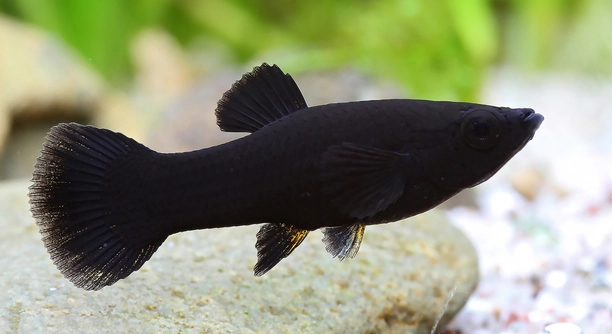
Do you love keeping small black mollies but find yourself unsure if your tank is truly safe for them? Small tanks can seem manageable, yet hidden issues may quietly affect your fish’s health and happiness.
Small black molly tanks often present unseen dangers such as poor water quality, overcrowding, lack of filtration, temperature fluctuations, and insufficient space for natural behaviors. Identifying and addressing these issues is essential for maintaining a healthy and balanced aquatic environment.
Even in a cozy setup, overlooked factors can compromise your mollies’ well-being and growth, making careful attention to their environment crucial for long-term care.
Overcrowding in Small Tanks
Keeping too many mollies in a small black tank can quickly become a problem. Overcrowding stresses fish, making them more susceptible to disease. Fish need space to swim freely, explore, and display natural behaviors. In small tanks, the water quality deteriorates faster because waste accumulates more quickly. Even if you perform frequent water changes, a crowded tank can still lead to poor oxygen levels. Stress from limited space can cause mollies to hide constantly, lose their color, or show signs of aggression toward each other. Small tanks with multiple mollies often require additional filtration and aeration to maintain a healthy environment. It’s easy to underestimate how much space each fish needs, but proper stocking is crucial. A few extra mollies may seem harmless, yet the long-term effects on health and behavior can be significant. Observing their activity and ensuring adequate space helps prevent these issues.
Overcrowding reduces oxygen and increases waste, directly affecting mollies’ health and lifespan.
Even a well-maintained small tank cannot compensate for limited swimming space. Each molly needs room to move, interact, and feed without constant competition. Overcrowding can lead to stunted growth and increased aggression, disrupting the balance in the tank. Keeping fewer fish ensures each molly thrives and the tank environment remains stable. Regular monitoring and adjusting the number of fish is essential for long-term health.
Poor Water Quality
Neglecting water quality is a major risk for small black molly tanks. Waste buildup, leftover food, and decaying plants quickly change water chemistry. High ammonia or nitrite levels can harm gill function and make mollies prone to illness. Without proper filtration, water becomes cloudy and murky, stressing the fish. Even small fluctuations in pH or temperature can weaken their immune system. Regular water testing is necessary to detect harmful changes early. Partial water changes and careful feeding help maintain balance, but constant vigilance is required. Using a small, efficient filter can help reduce toxins. Overlooking water maintenance may seem minor, but mollies are sensitive and respond quickly to poor conditions. Clear water and stable parameters support healthy growth, active swimming, and vibrant coloration.
Maintaining water quality ensures mollies stay healthy, active, and less likely to develop disease.
Testing water weekly, performing consistent partial changes, and monitoring fish behavior are essential steps for maintaining a safe tank environment. Small black mollies react to subtle changes, so even minor neglect can escalate into severe health problems. Using quality water conditioners, maintaining proper filtration, and avoiding overfeeding are practical strategies to prevent dangerous chemical buildup. Keeping plants and decorations clean also reduces waste accumulation. By taking these measures seriously, the tank stays safe, and mollies thrive with minimal stress. Water clarity, chemical balance, and oxygen levels all contribute to the overall health of the fish, and consistent maintenance prevents costly or harmful emergencies. Properly addressing these factors ensures your mollies live long, healthy lives without constant problems arising.
Temperature Fluctuations
Sudden changes in temperature can stress small black mollies. Even a few degrees difference can affect their metabolism, appetite, and immune system. Consistent temperature helps keep them healthy and active.
Maintaining a stable temperature in a small tank is challenging but essential. Mollies thrive in water between 72°F and 78°F. Heaters and thermostats help regulate the environment, while avoiding direct sunlight or drafts prevents sudden swings. Temperature fluctuations can lead to lethargy, loss of appetite, or susceptibility to disease. Small tanks are especially vulnerable because less water volume warms or cools quickly. Observing fish behavior and checking the thermometer regularly ensures stability. Proper placement of the tank, away from windows or heating vents, also helps maintain a steady climate.
Even minor shifts in temperature affect their natural behaviors. Stress from instability can reduce immunity and increase vulnerability to infections. A consistent environment promotes regular swimming patterns, feeding habits, and overall well-being. Regular monitoring and adjustment of heating devices are necessary to protect mollies from preventable stress.
Insufficient Filtration
Small tanks often rely on minimal filtration, which can fail to remove waste effectively. Poor filtration quickly degrades water quality and harms mollies.
Filters help remove debris, ammonia, and harmful chemicals, keeping the water clean and oxygenated. Without proper filtration, waste accumulates, increasing stress and disease risk. Choosing a filter rated for your tank size is critical. Maintenance, such as rinsing filter media regularly, ensures efficiency and prevents clogging. Small tanks may need sponge filters or low-flow options to avoid strong currents that stress mollies. Proper filtration supports healthy growth, clear water, and active fish behavior, reducing the risk of long-term health issues.
A functional filter keeps the tank environment balanced and stable. In small tanks, consistent filtration prevents harmful chemical buildup and ensures mollies remain vibrant and active. Regular maintenance and monitoring are essential for reliable performance.
Overfeeding
Overfeeding is a common issue in small black molly tanks. Uneaten food sinks and decays, raising ammonia and nitrite levels. This quickly stresses the fish and can lead to poor water quality.
Feeding small amounts once or twice a day is sufficient. Mollies will eat what they need in a few minutes.
Lack of Hiding Spaces
Mollies need places to retreat when stressed or resting. Without plants, rocks, or decorations, they may feel exposed, increasing anxiety and aggression. Providing hiding spots reduces stress, encourages natural behavior, and helps maintain a calm tank environment.
Rapid Waste Accumulation
Small tanks fill with fish waste quickly, especially with multiple mollies. This raises toxins and can lead to illness if not addressed promptly. Regular partial water changes and careful feeding help reduce waste buildup.
Inadequate Lighting
Lighting affects mollies’ behavior and plant growth. Too much light can cause algae growth, while too little limits natural activity. Balance is key to a healthy tank.
FAQ
How often should I change water in a small black molly tank?
In small tanks, water changes should be frequent because waste builds up quickly. Partial water changes of 20–30% once or twice a week help maintain water quality. Testing ammonia, nitrite, and nitrate levels regularly ensures a safe environment. Avoid replacing all water at once, as it can shock the fish.
What is the ideal tank size for black mollies?
Black mollies need space to swim freely. A minimum of 20 gallons is recommended for a small group of 3–5 fish. Smaller tanks may be manageable temporarily but require more frequent maintenance and careful monitoring of water quality. Proper space reduces stress and promotes natural behavior.
Can black mollies live with other fish?
Yes, but careful selection is important. Peaceful, similar-sized species like guppies or platies usually coexist well. Avoid aggressive or much larger fish, as they can stress or harm mollies. Monitor interactions regularly, especially in smaller tanks where space is limited.
How do I prevent algae in a small tank?
Algae growth is common in small tanks due to excess light or nutrients. Avoid overfeeding, limit direct sunlight, and maintain a proper light schedule. Live plants help compete with algae for nutrients, and regular cleaning of decorations and glass keeps it under control.
What do I do if my molly seems sick?
Observe behavior, appetite, and appearance. Common signs include lethargy, clamped fins, or unusual spots. Test water parameters first, as poor water quality is often the cause. Isolate the affected fish if necessary and treat with appropriate medication based on symptoms.
Is it okay to keep multiple males in the same tank?
Multiple males may fight, especially in smaller tanks. If kept together, provide hiding spaces and plants to reduce aggression. A higher female-to-male ratio helps balance interactions. Constant monitoring is necessary to prevent stress or injuries.
What temperature is best for black mollies?
Maintain water between 72°F and 78°F. Avoid sudden temperature changes, as mollies are sensitive. Using a reliable heater and thermometer helps stabilize the tank environment, especially in smaller setups where fluctuations happen quickly.
Do mollies need a specific diet?
Yes, they are omnivores. A mix of high-quality flakes, pellets, and occasional live or frozen foods like brine shrimp or daphnia ensures proper nutrition. Avoid overfeeding to prevent water quality issues. Providing variety supports growth, color, and overall health.
How can I tell if my tank is overcrowded?
Watch for stress indicators like constant hiding, aggression, or rapid breathing. Excess waste accumulation and frequent cloudy water are also signs. Follow stocking guidelines and adjust the number of fish to maintain a balanced environment.
Can small black molly tanks survive without a filter?
Technically yes, but it’s risky. Filters remove waste and toxins, stabilizing water quality. In small tanks, lack of filtration demands very frequent water changes and careful monitoring. Using a small, gentle filter is highly recommended for long-term health.
How often should I clean the tank decorations and substrate?
Clean decorations and substrate monthly or when waste visibly accumulates. Avoid harsh chemicals; rinse with dechlorinated water. Regular maintenance reduces bacteria and algae buildup, keeping the environment safe without disturbing the beneficial microorganisms too much.
Are live plants necessary in a small molly tank?
Not strictly, but they improve water quality, reduce stress, and provide hiding spots. Hardy plants like Java fern or Anubias are suitable for small tanks. Live plants compete with algae for nutrients and contribute to a healthier, more stable environment.
How do I reduce stress in small black molly tanks?
Provide hiding spaces, maintain consistent water parameters, avoid sudden changes, and limit overcrowding. Gentle feeding routines and regular observation help spot stress signs early. A calm environment encourages natural behavior, better growth, and longer lifespan.
Can black mollies breed in small tanks?
Yes, they can, but small tanks increase stress for fry and adults. If breeding occurs, provide hiding spaces for fry and consider separating them to avoid predation. Overcrowding from offspring can worsen water quality issues.
What should I do if ammonia or nitrite levels rise?
Immediately perform a partial water change and check the filter. Reduce feeding temporarily and test water frequently. Using conditioners that neutralize ammonia or nitrites can help, but maintaining proper filtration and regular water changes is the most effective long-term solution.
This FAQ covers the most common concerns and practical solutions for maintaining small black molly tanks. Proper care, attention to water quality, temperature, diet, and tank setup ensures mollies remain healthy, active, and stress-free in smaller environments.
Small black mollies are beautiful, active fish, but keeping them in small tanks requires attention and care. Many hidden dangers can arise in compact environments, from overcrowding to poor water quality, temperature fluctuations, and inadequate filtration. Even minor issues can quickly escalate, affecting the health and behavior of your mollies. Regular observation and careful maintenance are essential to spot problems early and ensure that the tank remains a safe and comfortable home. Small tanks can appear manageable at first, but they demand more consistent effort than larger setups because conditions change quickly. Waste accumulates faster, oxygen levels can drop, and stress builds among fish if their needs are not met. By addressing these challenges proactively, you give your mollies the best chance to thrive, showing vibrant colors and active behavior. The small size of the tank does not have to limit the well-being of your fish if proper care is maintained.
Temperature stability and water quality are critical aspects of keeping black mollies healthy. Even a few degrees of fluctuation can stress the fish, reducing immunity and appetite. Ammonia, nitrite, and nitrate levels can rise rapidly in a small tank if waste is not removed consistently, putting your mollies at risk for illness. Filtration helps, but it is not a substitute for regular water changes and careful monitoring. Providing adequate hiding spaces and thoughtful tank decoration also contributes to a calmer environment, reducing stress and aggression. Diet is another essential factor; overfeeding can cause more harm than underfeeding by polluting the water and creating an unstable environment. Feeding small amounts at regular intervals, combined with a balanced diet of flakes, pellets, and occasional live or frozen food, ensures that your mollies remain healthy without compromising water quality. A steady routine and close attention to the tank’s conditions make a noticeable difference in fish activity, coloration, and overall vitality.
Caring for small black mollies in a compact tank is very manageable when approached with consistency and thoughtfulness. Maintaining the proper number of fish, providing sufficient space, and keeping the water clean and stable are the foundation for a healthy tank. Observing your fish regularly helps identify stress or illness early, allowing corrective measures before problems worsen. Even though small tanks require more frequent maintenance, they can be a rewarding setup when fish are thriving and displaying natural behaviors. The key is to be proactive and attentive to all aspects of their environment, including filtration, temperature, diet, and hiding spaces. Proper care in a small tank not only supports your mollies’ health but also makes watching them more enjoyable. Small black mollies are resilient and lively when given the right conditions, and even a compact tank can provide a safe, vibrant home if managed with care and consistency.

Hello,
If you enjoy the content that we create, please consider saying a "Thank You!" by leaving a tip.
Every little bit helps us continue crafting quality advice that supports the health, happiness, and well-being of pets around the world, for pets of all shapes, sizes, and species.
We really appreciate the kindness and support that you show us!