
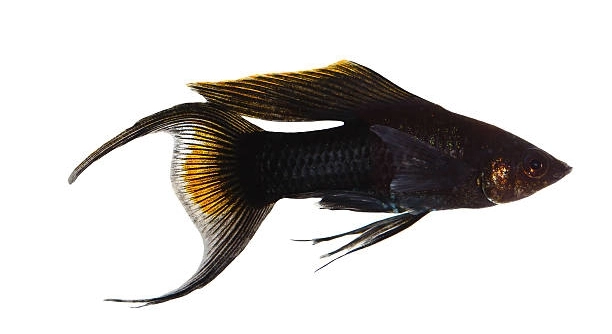
Do Black Mollies thrive best when surrounded by companions, or do they prefer the calm of solitude? Observing their behavior in aquariums can reveal patterns that help ensure their comfort, health, and social needs are properly met.
Black Mollies are naturally social fish that generally prefer schooling environments. They exhibit increased activity, reduced stress, and healthier growth when kept in groups rather than alone, as isolation can lead to behavioral issues and decreased overall well-being.
Learning how Black Mollies interact with each other provides insight into creating a balanced and supportive aquarium environment for them to flourish.
Understanding Black Molly Social Behavior
Observing Black Mollies over time shows that their social habits are key to their well-being. When kept in groups of at least five, these fish display more natural swimming patterns, explore the tank more confidently, and interact through chasing or nipping without causing harm. Isolation often leads to sluggish behavior and visible stress, which can affect feeding and growth. Their social instincts are rooted in survival, making schooling a natural preference. Tank size, hiding spots, and water conditions all influence how comfortable they feel in groups. By providing proper structure, including plants and swimming space, they can thrive alongside other mollies. It is important to balance the group size; too few fish may reduce social stimulation, while overcrowding can increase aggression. Watching these patterns helps in understanding not just how they move but how they respond to stress and establish social hierarchies. Proper observation allows better management and ensures long-term health.
Schooling provides security, stimulates natural behaviors, and reduces stress in Black Mollies. A supportive environment benefits their growth.
Creating a balanced tank involves attention to group size and environment. Plants, open swimming areas, and hiding spots contribute to social interactions. Avoiding overcrowding while maintaining enough companions helps mollies develop stable hierarchies. Stress signs, such as hiding or aggression, indicate adjustments are needed. Observing feeding patterns can also reveal if the group dynamic is healthy. Regular monitoring and small changes ensure the tank remains a safe, engaging habitat for all fish.
Signs That Black Mollies May Prefer Solitude
Some Black Mollies occasionally isolate themselves even in group settings.
Individual personalities influence social preferences, and not all mollies enjoy constant interaction. Stress, illness, or tank conditions can make a fish withdraw temporarily. Isolated fish should be monitored for health issues, water quality, or aggression from other tankmates. Sometimes a temporary separation or adding additional hiding spaces helps mollies feel more secure. Recognizing when solitude is beneficial prevents unnecessary stress and maintains a harmonious environment.
A solitary Black Molly is not automatically unhealthy, but consistent withdrawal may indicate an issue. Monitoring water parameters like temperature, pH, and cleanliness is essential, as environmental stress can drive fish to hide. Observing interactions among tankmates helps identify dominant fish or bullying behavior. Providing adequate space, plants, and decorations allows each fish to choose its comfort level. Adjusting the number of companions gradually can reveal whether the fish thrives better alone or within a small group. Patience and careful observation help maintain both social and solitary preferences. Ensuring proper nutrition, gentle introduction of new tankmates, and maintaining calm water conditions supports the well-being of all mollies. Understanding individual needs promotes a healthy, low-stress environment.
Tank Setup for Black Mollies
A proper tank setup is essential for encouraging natural social behavior. Adequate space, clean water, and hiding spots allow Black Mollies to school safely or retreat when needed. Plants and open swimming areas create a balanced environment for both active and solitary fish.
Providing at least 20 gallons for a small group allows mollies to swim freely and interact without overcrowding. Water temperature should remain between 75 and 82°F with a pH around 7.0 to 8.5. Live plants, rocks, and gentle filtration reduce stress while offering hiding spaces for shy individuals. Regular water changes maintain optimal conditions, preventing the buildup of harmful toxins. Observing how fish use the space can guide rearrangement of decorations to enhance comfort. Monitoring behavior ensures all fish coexist peacefully, promoting healthy schooling and minimizing conflict in the tank.
Open swimming areas combined with carefully placed hiding spots allow each fish to choose comfort levels naturally. Social fish stay active while shy ones can retreat without stress. Balancing these elements supports both schooling and solitary tendencies, enhancing overall tank harmony. Observing these interactions helps adjust the tank to meet individual and group needs effectively.
Feeding and Nutrition Considerations
Black Mollies thrive on a varied diet of flake foods, vegetables, and occasional protein sources like brine shrimp. Balanced feeding supports growth, activity, and social behavior.
Feeding multiple times a day in small portions reduces aggression and ensures all fish receive adequate nutrition. Vegetables such as spinach or zucchini, along with high-quality flake or pellet foods, provide essential vitamins and minerals. Occasional live or frozen foods encourage natural hunting instincts. Watching how fish respond during feeding can indicate health or social dominance issues. Overfeeding can lead to water quality problems, which impact behavior. Proper feeding schedules, combined with varied nutrition, promote active schooling and reduce stress among Black Mollies.
Observing feeding patterns also reveals hierarchy and social dynamics. Dominant fish may push others away, requiring adjustments in portioning or feeding locations. Rotating food types prevents dietary deficiencies while keeping fish engaged. Ensuring shy or isolated fish receive sufficient nutrition helps maintain health without disrupting social balance. Small changes, like dispersing food across the tank, support both group and individual needs. Careful attention to feeding promotes harmony, reduces aggression, and enhances overall vitality in the aquarium.
Monitoring Behavior Patterns
Regular observation helps identify whether Black Mollies prefer schooling or solitude. Watching interactions during feeding and swimming times reveals comfort levels, stress signs, and social hierarchies.
Changes in behavior, such as hiding or aggression, may indicate environmental issues or health problems. Noting these patterns allows timely adjustments in tank setup or group size to support the fish.
Adjusting Group Sizes
Group size directly impacts social behavior. Small groups may encourage closer interaction, while larger groups reduce individual attention and may cause stress. Adjusting numbers gradually helps find the optimal balance for active schooling without overcrowding.
Environmental Enrichment
Adding plants, rocks, and open spaces encourages natural behaviors and reduces stress. Enrichment supports both active and solitary fish by offering places to explore or hide when needed.
Signs of Stress
Stress in Black Mollies often shows through lethargy, loss of appetite, or constant hiding. Identifying these signs early allows prompt changes to water conditions, tank setup, or social groupings to restore well-being.
FAQ
Do Black Mollies get lonely if kept alone?
Yes, Black Mollies are social fish and generally thrive better in groups. When kept alone, they may show signs of stress, including hiding, sluggish swimming, and reduced appetite. Loneliness can affect their growth and overall health. Providing companions allows them to interact naturally, reducing stress and promoting activity. Even a small group of three to five mollies can significantly improve their well-being. Observing solitary fish closely can help identify if loneliness or other environmental issues are affecting their behavior.
How many Black Mollies should be kept together?
A minimum of three to five mollies is recommended for a small tank, but larger groups work best in spacious aquariums of 20 gallons or more. Balanced group sizes prevent aggressive behavior while allowing schooling patterns. Overcrowding can create stress, territorial disputes, and uneven feeding. Monitoring social interactions is essential to ensure harmony. Gradually adjusting numbers can help determine the ideal setup for your specific tank, taking into account decorations, hiding spots, and water conditions.
Can Black Mollies live with other fish species?
Yes, Black Mollies are generally peaceful and can coexist with other non-aggressive fish like guppies, platies, or tetras. Compatibility depends on similar water requirements and temperament. Aggressive or much larger species may stress mollies, so careful selection is key. Observing initial interactions and providing adequate hiding spots ensures a balanced environment. Proper monitoring during feeding times prevents dominant fish from bullying smaller companions. Grouping mollies with compatible species promotes natural behaviors and reduces the risk of social stress.
What are signs that a Black Molly prefers solitude?
Some mollies may occasionally withdraw even in groups. Signs include hiding frequently, avoiding other fish, or remaining at the tank’s edge. Solitary tendencies may be temporary, caused by stress, illness, or changes in tank dynamics. Observing these patterns helps determine whether environmental adjustments, additional hiding spots, or temporary separation are needed. A balanced environment allows them to choose between socializing and retreating without causing stress.
How can tank setup influence schooling behavior?
Tank size, layout, and decorations play a significant role. Open swimming spaces encourage group movement, while plants and rocks provide retreat areas for shy fish. Insufficient space or overcrowding can lead to aggression or stress. Adjusting the tank’s structure allows mollies to interact comfortably, promoting natural schooling. Monitoring behavior after rearranging decorations helps identify the best setup for both active and solitary tendencies.
Does diet affect social behavior?
Yes, proper feeding supports healthy interactions. Regular, balanced meals reduce competition and stress. Overfeeding or insufficient nutrition can trigger aggression or lethargy. Providing varied foods like flakes, vegetables, and occasional protein helps mollies maintain energy levels for schooling. Feeding in multiple locations ensures all fish eat without confrontation. Observing feeding patterns reveals hierarchy issues and helps adjust portions for a calm, social environment.
What should I do if one Molly is bullied?
Bullying can occur in crowded or poorly arranged tanks. Providing additional hiding spots, rearranging decorations, or temporarily separating aggressive individuals helps. Monitoring interactions ensures all fish have access to food and safe spaces. Gradual reintroduction can restore harmony. Preventing overcrowding and maintaining a balanced group size reduces recurring aggression, allowing mollies to maintain natural schooling behavior without stress.
How often should water be changed to support social health?
Regular water changes are critical. Weekly partial changes of 20–30% maintain clean, stable conditions. Dirty or unstable water increases stress, reduces schooling activity, and can trigger illness. Consistent water quality ensures active, healthy behavior and supports both social and solitary tendencies in the tank. Monitoring water parameters like temperature, pH, and ammonia levels ensures the environment stays optimal for all fish.
Can solitary behavior indicate illness?
Yes, frequent isolation can signal health issues. Signs like faded color, clamped fins, or reduced appetite should be addressed promptly. Checking water quality, diet, and observing for disease symptoms helps identify the cause. Early intervention supports recovery and prevents social disruption in the tank. Adjusting the environment or providing treatment ensures both solitary and group mollies remain healthy.
Is it necessary to have hiding spots for schooling fish?
Yes, hiding spots reduce stress and support natural behavior. Even fish that prefer schooling benefit from places to retreat temporarily. Plants, rocks, or decorations allow mollies to regulate their social interactions, preventing overexposure and potential conflicts. Proper placement enhances comfort while encouraging active swimming and natural social patterns.
Black Mollies are naturally social fish that thrive when their environmental and social needs are met. Observing their behavior in a tank shows that most prefer the company of other mollies, engaging in active schooling, exploring the space together, and establishing a stable social hierarchy. Being in a group reduces stress, encourages exercise, and promotes natural behaviors that are important for overall health. When kept alone, these fish may show signs of withdrawal, sluggishness, or even changes in appetite, which can affect their well-being. Providing a properly sized tank, clean water, and enough companions helps mollies feel secure and allows them to develop these behaviors naturally. Watching how they interact in different settings gives insight into their preferences, whether they enjoy social activity or occasional solitude, and helps guide adjustments in tank setup to support both tendencies.
A balanced tank environment is essential for supporting Black Mollies’ social and physical health. Open swimming areas combined with hiding spots allow each fish to choose when to join the group or step away for a while. Decorations like plants, rocks, and gentle currents offer stimulation and refuge, which reduces stress for shy or solitary individuals. Proper nutrition and feeding practices also play a role, as all fish need access to sufficient food without the risk of aggression from more dominant tankmates. Observing feeding patterns helps ensure that even quieter mollies receive proper nutrition. Regular water changes, stable temperature, and good filtration maintain optimal water conditions, supporting both active schooling behavior and solitary tendencies. Attention to these details ensures a harmonious tank where mollies can interact naturally, avoid conflict, and maintain their health over time.
Understanding individual behavior within a group is just as important as meeting general social needs. Some Black Mollies may prefer to spend more time alone due to personality, stress, or temporary environmental factors. Recognizing these tendencies allows for small adjustments that improve comfort, such as adding more hiding spaces or temporarily separating aggressive fish. Consistently monitoring behavior helps identify changes related to illness or tank conditions, allowing quick action to maintain health. Striking the right balance between group interaction and personal space ensures that each fish thrives according to its own preferences. Providing this level of care creates an aquarium where Black Mollies can express natural behaviors, remain healthy, and enjoy a stress-free environment.

Hello,
If you enjoy the content that we create, please consider saying a "Thank You!" by leaving a tip.
Every little bit helps us continue crafting quality advice that supports the health, happiness, and well-being of pets around the world, for pets of all shapes, sizes, and species.
We really appreciate the kindness and support that you show us!