
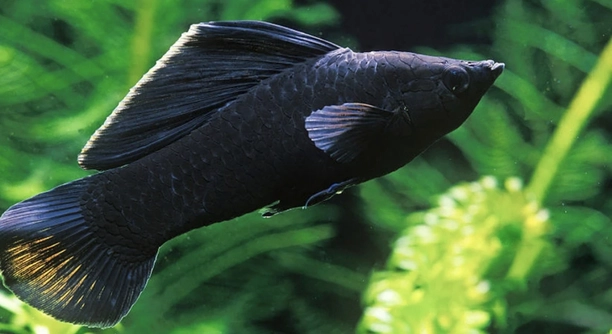
Do you enjoy watching your black molly swim gracefully but notice it seems smaller than expected? Many fish owners face the challenge of slow growth, which can be frustrating despite proper care and feeding routines.
Black molly growth can be slowed by multiple factors, including poor water quality, inadequate nutrition, overcrowding, stress, disease, improper temperature, and insufficient tank maintenance. Identifying and addressing these conditions is essential for healthy development and overall well-being.
Understanding these common growth obstacles will help you provide a better environment for your fish. Awareness of each factor ensures your black molly can thrive and reach its full potential.
Poor Water Quality
Keeping water clean is one of the most important things for black molly growth. Dirty or polluted water can stress fish, weaken their immune system, and slow development. High ammonia, nitrite, or nitrate levels create a harmful environment. Even minor changes in pH or hardness can make a difference over time. Frequent water changes and a good filtration system are essential to maintain stable water parameters. Removing uneaten food and debris helps prevent toxins from building up. Black mollies also need oxygen-rich water, so aeration is important. Testing water regularly allows you to spot problems before they affect growth. Overlooking water quality often leads to stunted fish, illness, or behavioral issues.
Stable water conditions directly support healthy growth by providing an optimal environment free from stress and toxins that can inhibit development.
Even with proper feeding, poor water quality can prevent your black molly from reaching its full size. Watching water parameters closely ensures you catch issues early. This simple step has a major impact on their health. Consistency in water care is key.
Inadequate Nutrition
Providing the right diet is essential for black molly growth. Feeding only flakes or low-quality food limits nutrients and slows development. A balanced diet should include protein-rich foods, vegetables, and occasional live or frozen treats.
Black mollies grow best with varied foods. Feeding small portions multiple times a day encourages healthy digestion and better nutrient absorption.
Neglecting proper nutrition can result in stunted growth, weak immune systems, and dull colors. Overfeeding is also harmful, as leftover food can pollute water, causing additional stress. A mix of high-quality flakes, pellets, and fresh vegetables like spinach or zucchini provides essential vitamins and minerals. Supplementing with live or frozen foods such as brine shrimp or daphnia gives extra protein, promoting faster growth. Rotating food types keeps your fish interested and ensures a more complete nutrient intake. Consistent feeding habits, combined with careful portion control, directly influence your black molly’s size, energy levels, and overall vitality, making nutrition a crucial factor in healthy development.
Overcrowding
Overcrowding in a tank limits space and increases stress, which slows black molly growth. Too many fish compete for food and oxygen, making it harder for each to thrive.
Limited space can cause constant stress and aggressive behavior. Fish in crowded tanks often eat less and become more prone to disease. Overcrowding also reduces water quality faster, as waste builds up more quickly than the filter can manage. Black mollies need room to swim freely, explore, and maintain social balance. Providing adequate space per fish and avoiding high-density setups ensures each molly has access to food and a healthier environment. Proper tank size and population management are essential for steady growth and overall well-being.
Keeping fish in a spacious, well-maintained tank reduces stress and encourages active swimming. Adequate room directly supports healthy growth and prevents stunted development due to competition and poor water conditions.
Stress
Stress from sudden changes in temperature, water chemistry, or aggressive tank mates slows black molly growth. Consistency is crucial for healthy development.
Stress affects appetite, immune response, and activity levels. A stressed black molly may eat less and expend more energy coping with its environment rather than growing. Avoid sudden changes in water conditions or decorations, and provide hiding spots to make your fish feel secure. Aggressive fish in the tank can intimidate mollies, further reducing feeding and activity. Keeping the environment calm, stable, and predictable helps mollies grow steadily while maintaining vibrant colors and energy.
Stress can accumulate from small daily disturbances, like loud noises or frequent handling. Even minor stressors impact long-term growth by weakening the immune system, making mollies more vulnerable to illness. Creating a stable environment, maintaining regular feeding schedules, and monitoring tank dynamics are simple but effective steps to reduce stress. Hiding spaces like plants or decorations allow fish to retreat when needed, improving comfort and supporting healthy growth. Consistent observation and proactive care make a noticeable difference in overall fish health and size over time.
Disease
Diseases weaken black mollies and slow their growth. Infections can reduce appetite, damage organs, and stress the fish, making recovery slower.
Common illnesses include fin rot, ich, and bacterial infections. Quarantining new fish and monitoring for signs of sickness helps prevent outbreaks.
Improper Temperature
Black mollies need stable water temperatures between 75–82°F. Water that is too cold or too hot slows metabolism and growth. Consistent heating or cooling keeps their environment comfortable, promoting better digestion, activity, and overall development.
Insufficient Tank Maintenance
Neglecting regular cleaning and filter checks allows waste and toxins to accumulate. Poor maintenance creates an unhealthy environment that directly impacts growth and health.
How can I tell if my black molly is growing too slowly?
Slow growth in black mollies is usually visible compared to other fish of the same age and size. Smaller body length, thinner tails, and less vibrant colors can all indicate slower development. Reduced appetite and inactivity may also signal stress or health issues that affect growth.
Observing behavior and comparing growth rates over time helps identify problems early. Keep notes on feeding habits, tank conditions, and water parameters to spot trends that might be slowing growth. Regular measurement of fish or visual comparisons with pictures of healthy mollies at similar ages can give a clear idea of whether growth is within a normal range.
What are the best foods to promote black molly growth?
A balanced diet is essential for healthy growth. High-quality flake or pellet food forms the base, providing necessary proteins, vitamins, and minerals. Supplementing with live or frozen foods, such as brine shrimp, daphnia, or bloodworms, boosts protein intake and encourages faster growth. Fresh vegetables like spinach, zucchini, or peas add fiber and essential nutrients.
Feeding small portions multiple times a day prevents overfeeding and improves digestion. Rotating food types keeps mollies interested and ensures a well-rounded nutrient intake. Avoid relying solely on one type of food, as it may lack important nutrients needed for steady growth. Proper nutrition directly impacts size, energy, and immune health.
How often should I change the water in my black molly tank?
Water changes are critical for maintaining a healthy environment. For tanks under 20 gallons, a 25–30% water change weekly is usually sufficient. Larger tanks may allow slightly longer intervals, but frequent monitoring is key. Frequent partial changes prevent buildup of ammonia, nitrite, and nitrate, all of which slow growth.
Full water changes are rarely necessary and can stress the fish. Always match the temperature and pH of new water to the tank to avoid sudden shocks. Clean gravel, remove uneaten food, and check filters during each water change to maintain optimal conditions. Consistent water maintenance directly supports healthy growth and reduces disease risk.
Can tank mates affect black molly growth?
Yes, aggressive or fast-eating tank mates can hinder growth. Mollies may be stressed or outcompeted for food, leading to slower development. Peaceful fish and a proper number of companions reduce stress and ensure that each molly has access to food and space.
Providing hiding spots like plants or decorations helps mollies avoid aggression and eat comfortably. Monitoring interactions and adjusting stocking levels prevents bullying and stress. Choosing compatible tank mates contributes to steady growth and overall health, allowing mollies to reach their full size without constant competition or intimidation.
Does temperature really influence growth speed?
Temperature plays a major role in metabolism. Water below the ideal range of 75–82°F slows digestion and reduces activity, directly impacting growth. Temperatures above this range can stress fish, weaken immunity, and create an environment for disease.
Using a reliable heater and thermometer keeps the tank stable. Avoid sudden temperature changes during maintenance or water additions. Maintaining a consistent, suitable temperature ensures mollies use energy efficiently for growth rather than coping with stress. Steady warmth supports appetite, digestion, and overall development, making it one of the most critical growth factors.
How can I prevent diseases that slow growth?
Quarantining new fish before adding them to the main tank reduces the risk of introducing infections. Regular observation for signs like white spots, frayed fins, or lethargy allows early treatment. Maintaining clean water, proper temperature, and a balanced diet supports immunity.
Avoid overcrowding and remove sick fish promptly to prevent spread. Using treatments or medications as recommended for specific diseases can restore health. Preventing disease is far easier than correcting stunted growth caused by prolonged illness. Healthy, stress-free fish in a well-maintained tank grow more consistently and reach their potential faster.
Is overcrowding really harmful for growth?
Overcrowding increases stress, reduces oxygen availability, and causes competition for food. All these factors slow black molly growth and can lead to illness. Adequate tank space ensures each fish has room to swim, feed, and rest without constant stress or conflict.
Following recommended stocking guidelines for tank size is essential. Providing plants and hiding spots can reduce stress in moderately stocked tanks, but proper population control is always the best solution. A well-balanced tank with the right number of fish supports growth, energy, and overall health over time.
How long does it take for black mollies to reach full size?
Black mollies typically reach full size in 6–12 months with ideal conditions. Growth rate depends on water quality, diet, tank size, and overall health. Poor conditions can extend this period significantly.
Providing clean water, proper nutrition, and a stress-free environment helps mollies grow steadily. Regular observation and proactive care allow you to notice early signs of stunted growth and correct them. With consistent care, your mollies can achieve their full potential within a year.
Can stress from handling affect growth?
Frequent handling or disturbances increase stress, reduce appetite, and slow growth. Even minor disturbances like tapping on the glass or rearranging decorations can affect some fish.
Limiting handling and maintaining a stable environment reduces stress levels. Calm, predictable conditions allow black mollies to focus energy on growth rather than coping with constant disturbances. Stress management is as important as diet and water quality for healthy development.
Black mollies are beautiful and lively fish, but their growth depends on several important factors. Water quality, nutrition, stress levels, tank size, temperature, and disease prevention all play a role in how quickly and healthily they grow. Each of these elements affects the fish’s metabolism, energy, and overall well-being. Ignoring one factor can slow development, even if other conditions are ideal. Consistent care is necessary to create a supportive environment where mollies can thrive. Small steps like regular water testing, proper feeding, and monitoring tank mates make a noticeable difference over time. Observing your fish daily helps catch early signs of stress or illness that may affect growth.
Providing a balanced diet is one of the most effective ways to support healthy growth. Black mollies need a mix of high-quality flakes or pellets, fresh vegetables, and occasional live or frozen foods. Protein-rich foods encourage faster growth, while vegetables supply essential vitamins and fiber. Feeding small portions multiple times a day prevents overfeeding and ensures the fish digest their food efficiently. Rotating food types helps prevent nutritional gaps and keeps the fish interested in eating. Paying attention to feeding habits is just as important as choosing the right food. Fish that eat well in a low-stress environment grow faster and maintain stronger immunity against disease.
Maintaining a stable environment is equally important. Stress from overcrowding, aggressive tank mates, or sudden changes in temperature or water quality can slow growth and make mollies more vulnerable to illness. Providing adequate space, hiding spots, and consistent water conditions allows fish to swim, eat, and rest comfortably. Temperature stability between 75–82°F supports metabolism and digestion, helping mollies use energy for growth rather than coping with stress. Regular cleaning, filter maintenance, and quarantine practices reduce the risk of disease. Over time, these practices not only promote healthy growth but also improve the overall health and longevity of the fish. By paying attention to these simple but essential factors, black mollies can reach their full potential, grow steadily, and maintain their bright colors and active behavior.

Hello,
If you enjoy the content that we create, please consider saying a "Thank You!" by leaving a tip.
Every little bit helps us continue crafting quality advice that supports the health, happiness, and well-being of pets around the world, for pets of all shapes, sizes, and species.
We really appreciate the kindness and support that you show us!