
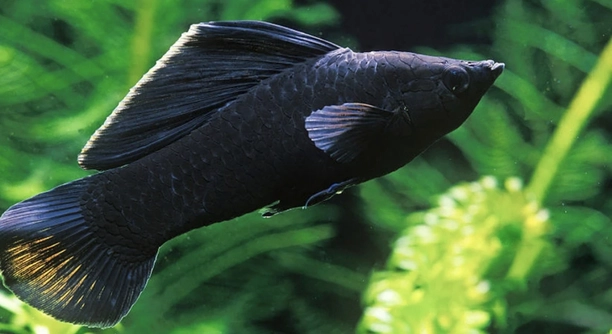
Black Mollies are small, lively fish that often brighten up home aquariums with their presence. Many owners notice subtle behaviors that seem affectionate, showing a connection beyond simple survival instincts. These gestures can indicate trust and comfort.
Black Mollies show affection through various behaviors, including following their owners’ movements, nudging gently, swimming close to familiar fish, displaying vibrant colors, resting near companions, responding to feeding routines, and engaging in playful interactions. Each behavior communicates bonding and recognition.
Observing these behaviors helps build a stronger bond and ensures your Black Molly feels secure, content, and properly cared for in its environment.
Following Your Owner’s Movements
Black Mollies often swim around the tank, keeping close to areas where their owners spend time. This behavior shows they recognize your presence and feel comfortable in your environment. When I first noticed my Molly circling near me, I realized it wasn’t random—it was a deliberate action to stay close and observe. These fish can remember faces and routines, so they learn who provides food and care. Following movements can also indicate curiosity paired with trust. Over time, they may even approach the glass when you enter the room, signaling they anticipate interaction. This behavior is more noticeable in well-fed and healthy Mollies that feel secure in their surroundings. It’s a small but meaningful sign that they acknowledge you and feel safe in your care. Observing this closely can strengthen your bond and help you understand their personality.
This simple behavior reflects comfort, trust, and recognition in your Black Molly. It is a clear sign they value your presence.
Watching them follow your movements regularly can deepen the connection, as Mollies respond positively to consistent care, feeding schedules, and gentle interaction. They learn patterns and associate you with security, creating a more interactive and rewarding aquarium experience. By recognizing this subtle affection, you can adjust tank placement, lighting, and feeding routines to encourage positive behaviors. Paying attention also allows you to notice stress indicators or changes in health early. Over time, these small gestures build trust, making your fish more approachable and engaged. Interaction need not be physical—visual presence, calm movements, and routine care reinforce their sense of safety. Sharing your space with a fish that demonstrates recognition and follows your activity adds a personal touch to home aquariums. It also allows you to observe their personalities, moods, and playful tendencies, making the experience more immersive and satisfying for both caretaker and pet.
Gentle Nuzzling
Black Mollies may gently nuzzle or bump into your hand or other fish in the tank. This behavior is usually a sign of affection and comfort, not aggression.
Nuzzling can indicate that your Molly feels safe and enjoys interaction with its surroundings or companions.
Repeated gentle nuzzles often show trust and bonding. Mollies may rub against objects, tank decorations, or other fish as a way to explore their environment while signaling comfort. This physical contact is subtle but meaningful, reflecting their social and curious nature. Paying attention to these small gestures helps you understand your fish’s preferences and emotional state. In addition, nuzzling can also be part of natural grooming behavior, where they check on tankmates’ presence and establish familiarity. Over time, you may notice patterns—like nuzzles increasing during feeding or when approaching familiar areas. Recognizing these signs allows you to respond by maintaining a calm, consistent environment. By observing and valuing this behavior, you support your Black Molly’s sense of security, encouraging more confident and affectionate interactions in the future.
Swimming Close to Companions
Black Mollies often swim near other fish or your hand in the tank. Staying close shows they feel safe and comfortable around familiar presence, signaling trust and social connection.
Swimming alongside companions helps Black Mollies feel secure, especially in larger tanks. When my Mollies stick together, I notice calmer behavior and less hiding. They mirror each other’s movements and respond collectively to feeding or activity in the tank. This closeness is a natural social instinct, showing that your fish is forming bonds with its environment and companions. Observing who they swim with most often can help identify compatible tankmates and maintain harmony. By ensuring the tank has adequate space and decorations, you encourage this behavior, promoting interaction and overall well-being. Swimming close is both a sign of comfort and a subtle form of affection that strengthens social bonds within the tank.
Regularly observing their interactions provides insight into personalities, health, and social dynamics, helping maintain a balanced, content environment for all tank inhabitants.
Displaying Vibrant Colors
Black Mollies display brighter colors when comfortable and healthy. Color intensity can reflect mood, signaling affection or contentment in their environment.
When Black Mollies feel safe, they often show deeper blacks or subtle metallic sheen. I noticed my Molly’s fins darken and shimmer near feeding times or during gentle interaction, indicating they are relaxed and responsive. Vibrant coloration is not just aesthetic; it communicates well-being and readiness to socialize. Stress or illness can dull these colors, so observing them provides insight into both emotional and physical health. Bright colors also help in mating and establishing territory, but in home aquariums, it is often a response to comfort and familiarity. Maintaining consistent lighting, clean water, and balanced nutrition enhances this natural display. By noticing these changes, you can better understand how your fish responds to your presence and environment.
Color display reflects more than health; it represents mood and trust. Mollies often intensify colors when approaching favored companions or exploring familiar areas, showing subtle signs of contentment and connection. Consistency in tank care reinforces this behavior, encouraging more frequent and visible expressions of comfort. Observing shifts in brightness can also indicate growing confidence in their surroundings, creating a more interactive and engaging aquarium experience. Vibrant colors are a window into their state, allowing you to respond to their needs while appreciating their natural beauty.
Resting Near Companions
Black Mollies often rest close to other fish or near familiar objects in the tank. This proximity indicates comfort and a sense of security within their environment.
Resting near companions shows trust and contentment. I noticed my Mollies linger near the same area after feeding, signaling they feel safe.
Responding to Feeding Routines
Black Mollies quickly learn and respond to feeding schedules. They often gather near the feeding spot, showing recognition and anticipation. Over time, I observed my Mollies swimming eagerly when I approached, demonstrating memory and attachment to predictable care. This behavior reflects both trust and positive reinforcement.
Playful Interactions
Black Mollies engage in playful movements, such as chasing bubbles or darting around decorations. These actions reflect curiosity, energy, and comfort in their surroundings.
FAQ
How do I know if my Black Molly is showing affection?
Black Mollies display affection through behaviors like swimming close, following movements, nudging, and staying near companions. They may also rest near familiar objects or respond quickly during feeding routines. These actions indicate comfort, trust, and a bond with their environment and caretakers.
Why does my Black Molly follow me around the tank?
Following movements is a common sign of recognition and trust. Black Mollies learn routines and associate you with food and safety. I noticed my Molly consistently swims toward me during daily maintenance, signaling comfort and familiarity with my presence. This behavior reflects both curiosity and social bonding.
Is nuzzling a form of affection or aggression?
Gentle nuzzling is usually affectionate, not aggressive. Black Mollies may rub against hands, tank objects, or other fish to show comfort. I often see this behavior near feeding times, indicating trust and contentment. Aggressive behavior, by contrast, is more rapid and forceful with fin flaring.
What does it mean when my Black Molly swims close to other fish?
Swimming close to companions indicates social comfort and trust. Mollies are naturally social and feel safer when near familiar tankmates. Observing these patterns helps identify compatible fish, prevent stress, and maintain a harmonious tank environment.
Why does my Black Molly display brighter colors sometimes?
Color intensity reflects mood and health. Vibrant colors often appear when they feel safe or interact positively with their surroundings. I noticed my Molly’s fins shine near feeding times or when exploring calm areas, signaling both comfort and contentment. Stress or illness can dull these colors.
Do Black Mollies respond differently to feeding routines?
Yes, they quickly learn schedules and respond eagerly to predictable care. Regular feeding reinforces trust and strengthens the bond between you and your fish. I noticed my Mollies swim toward the top at the usual feeding time, demonstrating anticipation and recognition.
Can Black Mollies play or interact for fun?
Playful behavior is a sign of comfort and engagement. Chasing bubbles, darting around decorations, and exploring the tank indicate curiosity and a sense of security. I often watch my Mollies engage in these movements, showing energy and confidence in their environment.
How do I encourage my Black Molly to show affection?
Consistent care, gentle interaction, and a well-maintained tank encourage affectionate behavior. Observing routines, responding to their signals, and providing hiding spots or decorations help them feel safe. Over time, they will swim close, nuzzle, and display vibrant colors more often.
Why does my Black Molly rest near familiar objects?
Resting near objects or companions indicates trust and comfort. These areas serve as safe zones where Mollies feel protected. I noticed my fish often return to the same spot after feeding, which reflects a sense of security and a stable environment.
Can stress affect affectionate behaviors in Black Mollies?
Yes, stress can reduce displays of affection. Poor water quality, incompatible tankmates, or sudden changes may cause hiding or dull colors. Maintaining stable conditions and observing behavior helps ensure your Mollies remain comfortable, social, and expressive.
How long does it take for a Black Molly to bond with me?
Bonding depends on consistency, care, and the individual fish’s personality. Some Mollies may respond within days to feeding and calm interaction, while others take weeks to show close behaviors like following or nuzzling. Patience and routine are key.
Are there signs of affection I might miss?
Yes, subtle behaviors like gentle gliding near you, small nudges, or brief stays near companions indicate comfort. I often overlooked these at first, but noticing these small gestures shows your Molly is aware, trusting, and connected to its environment.
How can I tell if my Black Molly is healthy while showing affection?
Healthy Mollies display vibrant colors, consistent swimming patterns, and responsive behaviors. Affectionate actions combined with proper feeding, clean water, and active exploration indicate well-being. Observing changes helps detect early signs of illness or stress, allowing timely adjustments to care.
Can multiple Black Mollies show affection to each other?
Yes, they interact socially by swimming together, nuzzling, and resting nearby. This behavior strengthens social bonds and reduces stress. I noticed my Mollies often pair up, mirroring movements and staying close, which indicates mutual comfort and trust within the tank.
Do Black Mollies recognize individual caretakers?
They can learn to recognize the person who provides consistent care. Over time, Mollies may approach your hand or swim toward you during routine activities, signaling recognition and a positive association with your presence.
How important is tank environment for affectionate behavior?
A stable, clean, and appropriately decorated tank encourages affectionate displays. Sufficient hiding spots, compatible companions, and consistent routines help Mollies feel secure. I noticed my fish became more interactive and vibrant after improving tank conditions, highlighting the link between environment and behavior.
What other subtle signs show my Molly cares?
Signs include following movements, gentle nudges, swimming nearby, resting near familiar objects, and bright color displays. These actions are often brief but meaningful, showing comfort, recognition, and trust toward their surroundings and caretakers.
Can affectionate behaviors indicate readiness to breed?
Sometimes, yes. Displaying colors, following, or nudging can be part of mating behavior. However, in most cases, these actions simply reflect comfort, social interaction, and positive response to a secure environment rather than reproductive intent.
How can I track my Black Molly’s affectionate behaviors?
Observing daily patterns, noting swimming proximity, nuzzles, and color changes can help track interactions. Keeping a simple log of responses during feeding, cleaning, or quiet observation allows you to understand preferences, comfort levels, and progress in bonding.
Do Mollies show affection to multiple tankmates or just one?
They can form bonds with multiple tankmates, often favoring certain companions but interacting socially with others. I noticed my Mollies sometimes pair off but still swim close to the group, demonstrating both selective and general social comfort.
Are affectionate behaviors constant or occasional?
Behaviors can vary based on mood, health, and environment. While some Mollies display constant closeness, others show affection intermittently. Observing patterns over time helps identify consistent signs of trust and comfort versus temporary reactions to stimuli.
How do I maintain my Black Molly’s affectionate behavior long-term?
Consistent care, clean water, proper diet, compatible tankmates, and gentle interaction encourage long-term displays. Over time, Mollies respond predictably, showing trust, playful energy, and social closeness. Observing and supporting their needs ensures continued comfort and bonding.
Can affection help reduce stress in Black Mollies?
Yes, social and interactive behaviors, like following, nuzzling, and swimming close to companions, provide comfort. I noticed my Mollies remained calmer during tank cleaning when these behaviors were encouraged, demonstrating that positive interactions help minimize stress.
Does age affect affectionate behavior in Black Mollies?
Younger Mollies may be more energetic and playful, while older ones often show calmer, more subtle signs of comfort. Both age groups can display affection, but intensity and frequency may vary depending on life stage and experience.
Can I encourage shy Mollies to show affection?
Yes, patience, routine feeding, gentle movements, and a stable environment help shy Mollies build confidence. Gradual exposure to hands or presence allows them to respond over time with closer swimming, nuzzling, or increased activity, reflecting growing trust.
Do Mollies communicate affection through body language?
Yes, fin movements, color changes, and swimming patterns communicate comfort and recognition. Observing posture, proximity, and activity helps interpret their emotional state and reveals signs of trust, contentment, and social engagement within the tank.
Can environmental changes affect affection levels?
Sudden changes, such as new tankmates, decorations, or lighting, can reduce displays of affection temporarily. Providing consistency, monitoring behavior, and gradually introducing changes allows Mollies to maintain comfort, trust, and regular affectionate interactions.
Are there differences in affection between male and female Black Mollies?
Males may display brighter colors and more active swimming, while females often show subtle social behaviors like following or nuzzling. Both genders form bonds with tankmates and caretakers, with behavioral differences primarily reflecting natural social and reproductive tendencies.
What is the best way to observe affection without stressing my Black Molly?
Use calm, slow movements around the tank and avoid sudden disturbances. Observing from a distance or during feeding allows natural behavior to emerge. I often notice the clearest signs of trust when I remain still and let my Mollies approach on their own.
Can Black Mollies express affection towards other species?
Yes, they may interact gently with compatible species, swimming close or engaging in playful movements. However, behaviors vary depending on temperament and size differences. Observing interactions ensures safety while allowing cross-species social comfort when appropriate.
Do Mollies show affection differently in larger tanks?
In larger tanks, behaviors like swimming together, following, and nuzzling may be more spread out. I noticed my Mollies maintained bonds but used space to explore while still interacting, reflecting both social comfort and natural curiosity.
How long do affectionate behaviors last each day?
Affectionate behaviors occur in bursts, often around feeding, cleaning, or calm periods. Patterns vary by individual, with some Mollies showing near-constant social interaction, while others display affection intermittently, depending on comfort and environment.
What should I do if my Molly stops showing affection?
Check water quality, diet, tankmates, and routine stability. Stress, illness, or changes can reduce behaviors. Gradually restoring comfort and consistency often brings affectionate behaviors back, signaling regained trust and security.
Can I use affection to train or interact with Black Mollies?
Yes, positive reinforcement through feeding, gentle hand presence, and predictable routines encourages closer interaction. Over time, Mollies learn to respond to you, showing recognition and trust while maintaining natural behaviors and well-being.
Is it normal for Mollies to show different levels of affection each day?
Yes, daily variations are normal. Mood, health, environmental changes, and tank activity can influence behavior. Observing trends over time provides a better understanding of comfort and trust rather than judging individual days in isolation.
Can multiple people interact with Mollies and receive affection?
Yes, if routines are consistent and interactions gentle. Mollies can recognize multiple caregivers and respond with swimming, nuzzling, or following movements. I noticed my fish approach anyone who provides food and calm care, showing adaptability in recognition.
Does tank cleanliness influence affectionate behavior?
Absolutely. Clean water, properly filtered tanks, and well-maintained environments promote comfort, trust, and social behaviors. Dirty or unstable conditions increase stress and reduce affectionate displays, emphasizing the importance of consistent tank care.
Can affection indicate overall happiness in Black Mollies?
Yes, behaviors like following, nuzzling, swimming close, and vibrant coloration are reliable indicators of contentment. Observing these consistently alongside healthy eating and active movement reflects a well-adjusted, happy fish in a supportive environment.
Are there seasonal or environmental factors affecting affection?
Light cycles, temperature, and minor seasonal shifts can influence activity levels and social behaviors. Mollies may display more energy or color during optimal conditions, while stress from rapid changes can temporarily reduce affectionate interactions.
How can I tell if my Black Molly prefers certain tankmates?
Observe who they swim near most often, which companions they nuzzle or follow, and resting patterns. Mollies often form selective bonds, showing consistent comfort and interaction with preferred tankmates over others.
Is it safe to encourage affection in all Black Mollies?
Yes, as long as the tank is safe, companions are compatible, and interactions are gentle. Encouraging natural behaviors through routine care and calm presence supports healthy social bonds without causing stress or harm.
How much time should I spend interacting to maintain affection?
Short, consistent periods of calm observation and routine feeding are sufficient. Over-interaction can stress them, while under-interaction may reduce recognition. I found daily gentle presence balances attention and respect for their natural behavior.
Do affectionate behaviors fade as Mollies age?
They may become subtler, but Mollies often continue showing trust, swimming nearby, or nuzzling companions and caretakers. Older fish may show calmer, more predictable interactions, reflecting experience and comfort rather than reduced affection.
Can affectionate behavior indicate territorial comfort?
Yes, Mollies may swim close to specific areas or companions to assert comfort rather than dominance. These behaviors are usually gentle and consistent, showing they feel secure in familiar spots.
How important is observation for maintaining affectionate behavior?
Observation allows you to respond to needs, adjust routines, and recognize stress or health changes. Monitoring daily behaviors helps maintain a stable, interactive, and safe environment, reinforcing trust and affectionate displays.
Can stress reduction enhance affectionate behavior?
Absolutely. Calm environments, compatible companions, stable routines, and gentle handling increase displays of affection. I noticed Mollies become more interactive after addressing stressors, demonstrating the direct link between comfort and social behavior.
Do all Black Mollies show affection the same way?
No, individual personalities influence behaviors. Some are more active and social, while others display subtle signs like brief proximity or gentle nudges. Understanding each fish’s tendencies allows more accurate recognition of trust and comfort.
Can feeding variety affect affection?
Yes, a balanced diet encourages health and energy, which supports active and playful behaviors. Mollies respond positively to consistent nutrition, showing closer interaction, swimming near caretakers, and vibrant coloration when well-fed.
How can I tell if my Black Molly is bonding specifically with me?
Consistent following, swimming near your hand, nuzzling, and reacting during feeding routines indicate recognition and trust toward you. I observed that my Mollies differentiate between me and others based on routine presence and calm interaction.
Can Mollies remember interactions and show long-term affection?
Yes, they have memory of routines and recognize familiar caretakers over weeks. Positive interactions lead to consistent displays of trust and comfort, reinforcing bonds over time.
Are there signs of affection during cleaning or maintenance?
Yes, Mollies may stay nearby calmly or follow your movements. I noticed my fish approach cautiously but remain visible during tank cleaning, showing trust even during potentially disruptive activities.
How do I differentiate affection from feeding anticipation?
While both involve following and swimming close, affectionate behavior is broader. Mollies may nuzzle, rest nearby, or display vibrant colors outside feeding times, indicating trust and comfort beyond food anticipation.
Can affectionate behavior reduce aggressive interactions?
Yes, Mollies comfortable with each other and their environment show less aggression. Swimming together, nuzzling, and resting near companions promotes social harmony and reduces stress-induced conflicts.
What is the role of tank layout in promoting affection?
Decorations, plants, and hiding spots create security, allowing Mollies to display comfort. I noticed that adding cover encouraged more nuzzling, playful swimming, and proximity, demonstrating the impact of a well-structured environment on social behavior.
How does water temperature affect affection?
Optimal temperature supports activity, color display, and social behaviors. Deviations can reduce swimming, playfulness, and interaction, causing Mollies to hide or become less responsive. Maintaining stable temperature encourages consistent affectionate displays.
Do Mollies show affection differently when new to a tank?
New Mollies may be shy, hiding or avoiding interaction initially. Over time, with stable care and familiar routines, they begin swimming closer, nuzzling, and displaying vibrant colors, showing gradual trust and comfort.
Can other species in the tank affect affectionate behavior?
Yes, compatible species can encourage social interactions, while aggressive or incompatible species may reduce comfort and affectionate behaviors. I observed my Mollies become more reserved when introduced to faster, dominant fish, highlighting the importance of careful selection.
How can I encourage playful interactions?
Providing open swimming space, decorations, and occasional gentle stimuli like bubbles or floating objects encourages energy and curiosity. Playful behaviors often coincide with trust and affectionate displays in healthy, comfortable Mollies.
Is there a way to measure affection scientifically?
Observation of proximity, following behavior, nuzzling, color intensity, and response to routine care provides measurable indicators. Tracking patterns over time gives insights into social comfort and trust, allowing systematic understanding of affectionate behaviors.
How do I know if affectionate behavior is genuine?
Genuine affection is consistent, calm, and occurs across multiple scenarios like feeding, resting, or exploring. Abrupt or only food-driven responses indicate motivation beyond comfort, distinguishing true social behavior from simple anticipation.
Can affection predict health issues?
Changes in behavior, such as reduced following, nuzzling, or swimming near companions, may signal stress or illness. Monitoring affectionate behaviors alongside physical signs helps identify early health concerns.
Do Mollies express affection differently during breeding season?
During breeding, behaviors may intensify, including color display and following. However, outside reproductive behavior, swimming close, nuzzling, and playful movements are consistent indicators of trust and comfort rather than breeding intent.
Can affection levels indicate compatibility with tankmates?
Yes, frequent proximity, swimming together, and gentle interaction suggest compatibility. Mollies forming bonds with certain tankmates while avoiding others show selective social preferences, helping maintain a harmonious environment.
Is it normal for Mollies to sometimes avoid interaction?
Yes, occasional avoidance reflects mood, energy, or rest periods. Temporary withdrawal does not necessarily indicate a lack of affection, as behaviors fluctuate naturally with health, environment, and activity levels.
How important is patience in observing affectionate behavior?
Patience is key. Mollies may take days or weeks to display trust and social behaviors. Consistent care, calm presence, and stable routines are necessary to allow natural affectionate tendencies to emerge fully.
Can affection be encouraged through visual or auditory cues?
Yes, calm movements, hand gestures near the tank, and quiet presence can elicit responses. Over time, Mollies learn to associate these cues with safety, food, or positive interaction, increasing displays of trust and comfort.
Does tank size influence affection?
Larger tanks provide more space but may reduce constant proximity. Mollies adjust behavior based on space, maintaining interaction patterns while exploring freely. I noticed my fish remained affectionate but used the area for comfort and social balance.
Can affection help detect changes in health early?
Yes, sudden reductions in swimming close, nuzzling, or following behavior often indicate stress or illness. Regular observation allows early detection and intervention, supporting overall health and well-being.
Do Black Mollies form long-term social bonds?
Yes, they maintain relationships with familiar tankmates and caretakers over months. Consistent care, compatible companions, and stable environments reinforce these bonds, supporting ongoing affectionate and social behaviors.
Are there behavioral signs that indicate affection toward new tankmates?
Swimming together, gentle nudging, and synchronized movement often signal initial acceptance. I observed my Mollies gradually interact with newcomers, showing cautious but positive social adjustment.
Can environmental enrichment influence affectionate behavior?
Yes, decorations, plants, and hiding spots encourage exploration, playful interactions,
Black Mollies are fascinating fish that communicate comfort, trust, and social bonding through simple behaviors. Observing how they follow movements, nuzzle gently, rest near companions, and display vibrant colors provides insight into their personalities and emotional state. These behaviors are subtle but meaningful, showing that your fish recognizes familiar surroundings, tankmates, and caretakers. Over time, paying attention to these small gestures allows you to build a deeper connection with your Black Mollies. It is not necessary to force interaction; simply maintaining a consistent presence, regular feeding schedule, and a calm environment encourages natural displays of affection. Their reactions, such as swimming close or gently nudging, are ways they communicate trust and comfort without aggression. Recognizing these signs helps you understand their needs, preferences, and well-being. Proper observation also helps differentiate affectionate behaviors from responses driven solely by food or environmental curiosity. By learning to interpret their actions, you can better provide a secure and engaging environment that supports both social interaction and overall health.
Affectionate behavior in Black Mollies is closely linked to their environment and daily care. Consistent water quality, appropriate tank size, compatible tankmates, and a balanced diet play a major role in encouraging these behaviors. When Mollies feel safe and comfortable, they are more likely to display social gestures such as swimming near companions, following familiar routines, or engaging in playful movements. Changes in the tank, such as new fish, decorations, or shifts in lighting, can temporarily reduce these behaviors, but gentle adjustments and stability allow them to regain comfort. Mollies that are stressed, sick, or in poor conditions often hide, lose color, or reduce social interactions. Observing these differences in behavior provides a clear indication of their physical and emotional state. Encouraging healthy habits, predictable care, and calm interaction ensures that your fish can maintain affectionate behaviors consistently. Over time, these small, everyday observations contribute to a more harmonious and interactive aquarium environment.
Understanding the affectionate behaviors of Black Mollies requires patience and attentiveness. Each fish has its own personality, with some showing constant engagement while others display affection more subtly. Observing patterns in swimming, nuzzling, resting, and color display helps identify these individual tendencies. Bonding with your Mollies is a gradual process that is supported by consistent care, gentle presence, and respect for their natural instincts. Over months of careful observation, you will notice predictable behaviors, such as approaching during feeding, following your movements, or interacting positively with specific companions. These behaviors are clear indicators that your fish trusts and feels comfortable in its environment. Maintaining a stable, clean, and stimulating tank allows these interactions to flourish. By appreciating the small signs of comfort and social connection, you can ensure that your Black Mollies remain healthy, secure, and emotionally content while strengthening your bond with them.

Hello,
If you enjoy the content that we create, please consider saying a "Thank You!" by leaving a tip.
Every little bit helps us continue crafting quality advice that supports the health, happiness, and well-being of pets around the world, for pets of all shapes, sizes, and species.
We really appreciate the kindness and support that you show us!