
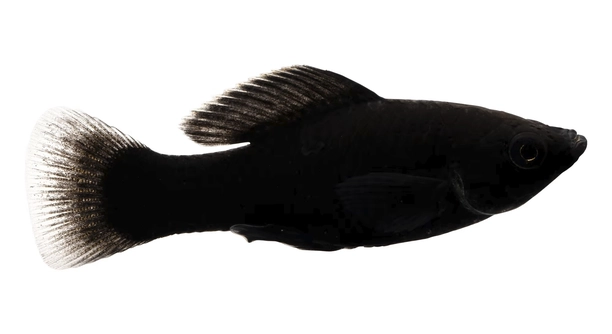
Black Mollies are peaceful fish that show happiness through simple daily behaviors. Observing these habits can help owners ensure their fish are thriving and living comfortably in their tank environment. Paying attention to small cues is important.
Contentment in Black Mollies is displayed through consistent swimming patterns, regular feeding responses, and calm interactions with their environment. These behaviors indicate proper health, low stress levels, and satisfaction with their habitat, reflecting overall well-being in the species.
Recognizing these habits will help you maintain a healthy and happy aquarium for your fish over time. Small observations can make a significant difference in their care.
Active and Steady Swimming
Black Mollies that are happy usually swim steadily around the tank. They don’t dart suddenly or hide for long periods. Instead, they explore their environment calmly, weaving through plants and decorations without signs of stress. Observing their movement can tell you a lot about their health and comfort. Fish that glide naturally, with smooth motions and balanced posture, are likely satisfied with their surroundings. It is also common to notice them following a gentle pattern around the tank. Their activity is consistent throughout the day, not just after feeding. Tanks with stable water conditions, proper temperature, and adequate space encourage this behavior. Watching them adapt to changes, like when new plants are added, can show their resilience. Happy Mollies interact with their environment in a relaxed manner, swimming near other fish without aggression. This steady swimming habit is a reliable signal that your fish are content and thriving, making observation both informative and rewarding.
Steady swimming is a clear indicator of comfort and contentment. It reflects good health, low stress, and satisfaction with tank conditions.
Consistent swimming patterns also help maintain their physical fitness and mental stimulation. When Mollies move around their tank freely, they exercise their muscles and stay alert. Tanks that lack space or proper care often lead to sluggish or erratic movements. Observing Mollies daily allows you to spot subtle changes early, helping prevent health issues. Providing plants, hiding spots, and clean water encourages natural behavior. Over time, you learn to recognize the normal patterns of your fish and can quickly notice when something feels off. This habit also strengthens the bond between the caretaker and the fish. By ensuring steady swimming, you support both the physical and emotional well-being of your Black Mollies.
Healthy Appetite
A healthy Black Molly shows interest in food during feeding times. They swim eagerly to the top of the tank or follow flakes without hesitation.
Feeding habits reveal satisfaction and well-being. Content Mollies approach food calmly, showing enthusiasm but not panic or aggression.
Observing your fish’s appetite is crucial for monitoring health. A sudden change, like refusal to eat or unusual fin movement while feeding, may indicate stress, illness, or water issues. Mollies with a healthy appetite maintain energy levels and display regular swimming patterns. It is important to offer a balanced diet suitable for Black Mollies, including flake foods, frozen options, and occasional live foods. Overfeeding should be avoided, as it can lead to water contamination and health problems. Feeding at consistent times helps create a routine, which Mollies respond to positively, reinforcing their contentment. A regular diet also supports vibrant coloration, smooth scales, and overall vitality. Watching them feed calmly and actively can reassure you that their environment meets their needs. Proper feeding behavior is one of the simplest ways to understand the comfort and happiness of your fish, and maintaining this routine benefits both their physical health and emotional state.
Exploring the Tank
Happy Black Mollies explore their environment regularly, moving among plants and decorations without hesitation. They interact with objects, inspect hiding spots, and swim near tank mates, showing curiosity and comfort in their surroundings.
Exploration is a sign of a well-adjusted fish. When Mollies investigate their tank, it demonstrates mental stimulation and confidence. They are not stressed or hiding excessively, which reflects a healthy environment. A tank with varied structures encourages this natural behavior, allowing them to stay active and engaged. Watching them navigate their surroundings calmly shows that they are comfortable and feel safe.
This behavior also helps with social interactions. Mollies swimming together and exploring the same areas indicate peaceful coexistence and trust among the group. The more they move around, the more they exercise, maintaining fitness and vitality. Structured environments with plants and small hiding spaces support this instinct, ensuring their habitat is stimulating yet secure. Observation over time reveals patterns, confirming that your fish are thriving. Their interest in the tank reflects satisfaction, balance, and overall contentment with their living space.
Interaction with Tank Mates
Content Black Mollies display calm and friendly interactions with other fish. They swim alongside tank mates without chasing or bullying, maintaining harmony in the aquarium.
These social behaviors indicate stability and satisfaction. Mollies that interact positively show confidence, low stress, and trust in their environment. Social engagement is natural for the species, reflecting proper care and comfortable conditions.
Observing interactions among fish can reveal much about overall well-being. Peaceful schooling, following, and synchronized swimming demonstrate comfort and proper social behavior. Aggressive chasing or hiding may signal stress or imbalance, often linked to overcrowding or poor water quality. Providing enough space, plants, and hiding spots encourages positive interactions. Mollies thrive when their social needs are met, showing calm and cooperative behaviors within the group. Watching them interact regularly allows you to gauge both individual and group health. Positive engagement promotes mental stimulation, reduces stress, and reinforces a safe and content aquarium environment for all inhabitants.
Resting in Safe Spots
Black Mollies often rest in calm areas of the tank, staying near plants or decorations. This behavior shows they feel secure and are comfortable in their environment.
Resting without hiding excessively indicates a balanced habitat. Content Mollies take breaks while remaining visible and relaxed, signaling trust and safety.
Smooth Fin Movements
Healthy Mollies move their fins gently without clamping or jerking. Smooth fin motion reflects proper muscle control and overall comfort, showing that water conditions and tank setup support their well-being.
Bright and Consistent Coloration
A Black Molly’s coloration is a clear sign of contentment. Fish that appear vibrant and consistent in color are generally healthy and unstressed, reflecting proper care, nutrition, and a peaceful environment.
How often should I feed my Black Mollies?
Feeding Black Mollies once or twice a day is usually enough. Overfeeding can cause water quality issues and stress the fish, while underfeeding may lead to sluggishness or health problems. A balanced portion is small enough that they finish eating in a few minutes.
Flake food, supplemented with frozen or live options, provides necessary nutrients. Rotating their diet helps maintain color, energy, and overall health. Pay attention to how eagerly they eat and adjust portions if food is left uneaten. Feeding at consistent times creates a routine that Mollies respond to positively.
What water conditions do Black Mollies prefer?
Black Mollies thrive in slightly alkaline water with a pH between 7.0 and 8.0. Temperature should range from 72°F to 82°F. Stable water conditions reduce stress and support immune function. Regular testing of pH, ammonia, nitrites, and nitrates helps maintain a healthy tank environment.
Soft, clean water encourages active swimming, smooth fin movement, and vibrant coloration. Mollies are sensitive to sudden changes in temperature or chemical composition. Installing a reliable heater and filtration system ensures consistency. Partial water changes of about 25% weekly help remove waste and prevent buildup. Adding plants and hiding spots enhances their sense of security, promoting natural behaviors and contentment.
How can I tell if my Black Molly is stressed?
Stress in Black Mollies can show in several ways. Clamped fins, erratic swimming, hiding, or loss of appetite are common signs. Dull or faded coloration can also indicate stress or illness.
Stress often results from poor water quality, overcrowding, incompatible tank mates, or sudden changes in the environment. Observing your fish daily allows you to notice subtle behavior changes before they become serious. Stress reduction includes maintaining clean water, proper temperature, adequate space, and peaceful tank mates. Providing hiding places and plants gives Mollies a safe retreat, reducing anxiety. Stress management is essential for long-term health and visible contentment in your fish.
Do Black Mollies need companions?
Yes, Black Mollies are social and do well in groups. Keeping at least three or four together promotes natural schooling behavior and reduces loneliness.
Companionship helps stimulate exploration and interaction. Mollies swimming in harmony with tank mates are more likely to show contentment through steady swimming, regular feeding, and active engagement with their surroundings. Introducing new fish slowly minimizes aggression or stress. Observing group dynamics ensures peaceful coexistence, enhancing their overall well-being and comfort.
How often should I clean the tank?
Partial water changes of 20–25% weekly are recommended. Cleaning prevents waste buildup, maintains stable water parameters, and reduces stress for Black Mollies.
Filter maintenance is also important. Rinse filter media in tank water, not tap water, to preserve beneficial bacteria. Remove uneaten food and debris daily to prevent contamination. Clean decorations and substrate periodically to maintain a healthy environment. A well-maintained tank supports steady swimming, smooth fin movement, healthy appetite, and vibrant coloration, all signs of contentment. Consistent care allows Mollies to thrive and remain active, healthy, and satisfied in their aquarium.
What type of diet is best for Black Mollies?
A varied diet is essential. Flake foods provide basic nutrients, while frozen or live foods add protein and enrichment. Vegetables such as blanched spinach or zucchini support digestion and overall health.
Balanced feeding helps maintain vibrant coloration, steady growth, and energetic behavior. Avoid overfeeding, as excess food pollutes the water. Rotating food types ensures Mollies receive a full range of nutrients. Observing their feeding behavior can indicate satisfaction and contentment. Hungry or stressed fish may act lethargic or display unusual behaviors, while well-fed, satisfied Mollies show active swimming, exploration, and healthy interactions with tank mates.
Can Black Mollies live with other fish species?
Yes, but choose peaceful, compatible species. Avoid aggressive fish that may stress Mollies or compete for food. Good companions include tetras, guppies, and platies.
Observing behavior after introducing new fish is essential. Mollies interacting calmly with tank mates, sharing swimming spaces, and feeding together are signs of contentment. Proper tank size, hiding spots, and gradual introductions reduce conflict. Peaceful cohabitation promotes natural social behaviors, steady swimming, and healthy appetite. Ensuring a harmonious environment allows Black Mollies to thrive physically and mentally, demonstrating their satisfaction and comfort in the aquarium.
How can I encourage natural behavior in my Black Mollies?
Provide plants, decorations, and safe hiding spots. A well-structured tank encourages exploration, social interaction, and resting in secure areas.
Varying the environment promotes curiosity and reduces boredom. Mollies moving through plants, swimming steadily, and resting calmly are indicators of contentment. Enrichment through feeding techniques, such as floating flakes or occasional live food, also stimulates natural hunting and foraging behaviors. Observing these habits confirms that your fish are comfortable, active, and mentally engaged. A thoughtful setup directly supports both their physical health and emotional well-being, keeping them satisfied and balanced in their environment.
What signs indicate my Black Molly is healthy and content?
Healthy Mollies display smooth fin movements, steady swimming, vibrant coloration, and active interaction with tank mates. They eat eagerly but calmly and explore their surroundings confidently.
Consistency in these behaviors over time signals comfort, low stress, and proper care. Observing your fish regularly ensures that any changes are noticed early, allowing prompt action. Content Mollies are active yet relaxed, social yet calm, and maintain a visible presence without hiding excessively. Their overall demeanor reflects both mental and physical well-being, confirming that the tank setup, diet, and water conditions meet their needs.
Black Mollies are peaceful, engaging fish that respond clearly to their environment. Observing their behaviors can provide insight into their comfort and satisfaction. Steady swimming, smooth fin movements, bright coloration, and active exploration are all signs that your fish are content. When Mollies display these habits, it usually indicates that the water conditions, tank setup, and diet are all appropriate for their needs. Paying attention to these cues can help prevent stress and health issues before they become serious, allowing you to maintain a stable and healthy environment.
Maintaining their tank properly plays a major role in ensuring their contentment. Regular water changes, careful monitoring of pH and temperature, and clean filters create a stable habitat where Mollies feel safe. Providing hiding spots and plants not only encourages natural behavior but also reduces anxiety. A well-structured tank allows fish to rest, explore, and interact with tank mates comfortably. When Mollies are happy, they display consistent behavior patterns, interact positively with companions, and approach food with enthusiasm. Observing these daily habits gives reassurance that the aquarium environment is supporting both their physical and mental well-being.
Feeding and social interaction also have a strong influence on happiness. Offering a balanced diet with flakes, live food, or vegetables ensures that your fish receive necessary nutrients. Feeding at regular times creates a predictable routine, which Mollies respond to positively. Similarly, keeping them with compatible tank mates allows social behaviors like schooling and gentle interactions to occur naturally. Peaceful cohabitation and enrichment through exploration or foraging contribute to overall satisfaction. By watching for these small but meaningful signals, you can better understand your fish’s needs, respond to changes promptly, and maintain a thriving aquarium that supports both their health and comfort.

Hello,
If you enjoy the content that we create, please consider saying a "Thank You!" by leaving a tip.
Every little bit helps us continue crafting quality advice that supports the health, happiness, and well-being of pets around the world, for pets of all shapes, sizes, and species.
We really appreciate the kindness and support that you show us!