
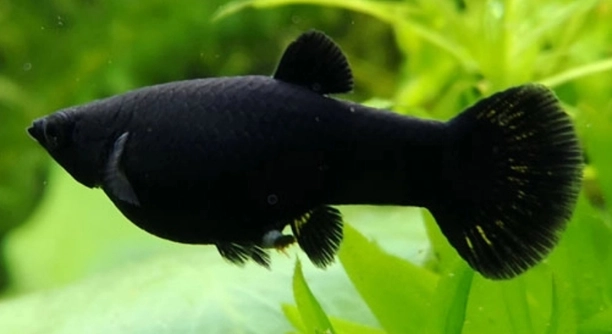
Do your Black Molly fish swim gracefully through their tank but seem restless at times? Many aquarists wonder if adding extra equipment like a bubble stone is truly necessary for their well-being. Small adjustments can make a noticeable difference in the tank’s environment.
Black Mollies do not require a bubble stone to survive, as they naturally obtain oxygen from the water’s surface. However, a bubble stone can improve aeration, increase oxygen circulation, and create gentle water movement, supporting overall health in the aquarium.
Providing a balanced environment for Black Mollies can enhance their activity and longevity, making small improvements worthwhile for both the fish and their caretaker.
Understanding Black Molly Behavior
Black Mollies are active fish that often swim near the surface of the tank. They rely on the oxygen naturally available in the water, but environmental factors can affect their comfort. Water temperature, cleanliness, and movement all play a role in keeping them healthy. Observing their behavior closely can help you notice early signs of stress or discomfort. Signs such as lethargy, rapid gill movement, or clinging to the tank bottom indicate low oxygen levels or poor water quality. Adding a bubble stone is one way to gently increase water circulation, which helps oxygen reach all areas of the tank. While it is not mandatory, the soft bubbles create a dynamic environment that can make your Mollies feel more comfortable and encourage natural swimming patterns. By paying attention to these details, you can maintain a healthy, active group of fish in your aquarium.
A bubble stone provides more than oxygen—it encourages movement and stimulates natural behavior, keeping fish healthier over time.
The presence of a bubble stone also helps prevent stagnant areas in the tank, which can accumulate debris and reduce water quality. Gentle bubbling creates slight currents, mimicking natural streams and helping fish distribute themselves evenly. This reduces territorial disputes and promotes a calmer tank environment. Even in a small aquarium, the subtle movement from bubbles can benefit filtration by keeping waste suspended for removal. Over time, this minor addition can contribute to stronger, more resilient fish, with brighter coloration and improved appetite. Mollies respond well to environments that mimic natural conditions, and small adjustments like adding a bubble stone can make noticeable differences in their daily activity and overall health.
Proper Placement and Usage
Position the bubble stone near a filter output to maximize water movement and oxygenation efficiently.
Bubble stones require regular maintenance to prevent algae buildup or clogging. Clean them every few weeks and replace worn tubing as needed. Avoid placing the stone where bubbles disturb plants or decorations excessively. Proper placement ensures consistent oxygen levels without overwhelming the fish. Monitor your Black Mollies’ reactions; if they avoid areas near the bubbles, adjust the location or bubble intensity. Using an air pump with adjustable flow allows customization for tank size and fish behavior. This careful setup supports a stable environment while keeping the water oxygen-rich. Regular observation helps maintain balance between bubbles and natural swimming patterns, ensuring the fish remain comfortable, active, and stress-free. Over time, consistent use of a well-placed bubble stone can subtly enhance both water quality and fish vitality, making it a practical addition for most home aquariums.
Choosing the Right Bubble Stone
Select a bubble stone that matches your tank size to avoid over-aeration. Smaller tanks need gentle airflow, while larger tanks benefit from multiple stones to ensure even oxygen distribution. Check for durable materials that resist clogging and breakage over time.
A high-quality bubble stone ensures consistent bubble production and minimal maintenance. Stones made from ceramic or sandstone are effective and long-lasting, providing steady airflow without creating strong currents that stress fish. Pairing the stone with an adjustable air pump allows control over bubble intensity. Placement should consider tank decor and plants to avoid unnecessary disturbance. Observing how Black Mollies respond can help determine the ideal flow and location.
Regular checks prevent debris buildup or wear that reduces efficiency. Cleaning with gentle brushing and occasional replacement ensures consistent performance. Proper selection supports water quality and encourages active, healthy fish, enhancing the aquarium environment without causing stress or imbalance.
Benefits Beyond Oxygen
Bubble stones can improve the overall circulation in the tank, preventing dead spots where debris accumulates. This contributes to cleaner water and a healthier environment for your fish. Gentle bubbles also encourage natural swimming patterns.
The subtle movement created by a bubble stone helps distribute nutrients and oxygen evenly, benefiting both plants and fish. For Black Mollies, this can reduce aggression and promote active exploration of the tank. Aeration also supports beneficial bacteria that break down waste, enhancing filtration and water clarity. Over time, tanks with well-placed bubble stones often show fewer signs of algae buildup and more stable water parameters. Black Mollies enjoy consistent oxygen levels, which can improve appetite and coloration.
Beyond oxygen, bubbles create a lightly dynamic environment that mimics natural conditions. Fish become more active, and subtle currents prevent stagnant areas. This gentle motion benefits filtration and reduces stress, leading to healthier, more resilient Black Mollies over time. Properly maintained bubble stones contribute to an overall balanced aquarium ecosystem.
Maintaining a Bubble Stone
Regular maintenance keeps the bubble stone functioning efficiently. Clean it every few weeks to remove algae or mineral buildup that can block airflow. Proper care prevents uneven bubbles and ensures consistent oxygenation throughout the tank.
Inspect the air tubing and pump connections to avoid leaks or disconnections. Replace worn parts as needed. Proper maintenance supports a healthy environment for Black Mollies and reduces stress caused by poor water circulation.
Tank Placement Tips
Place the bubble stone away from dense plant areas or delicate decorations. This prevents bubbles from disturbing the layout and ensures even oxygen distribution. Positioning near a filter output enhances circulation and water movement, benefiting both fish and tank cleanliness.
Observing Fish Response
Monitor your Black Mollies closely after adding a bubble stone. Signs of comfort include active swimming and even distribution in the tank. Avoid placing bubbles where fish consistently avoid the area, as this may indicate stress.
Avoiding Over-Aeration
Too much airflow can create strong currents that tire out Black Mollies. Adjust the pump to produce gentle bubbles suitable for their size and swimming patterns.
FAQ
Do Black Mollies need a bubble stone to survive?
No, Black Mollies can survive without a bubble stone because they naturally breathe oxygen from the water’s surface. A bubble stone is not essential for survival, but it can enhance water circulation and oxygenation, supporting overall fish health and creating a more dynamic tank environment.
Will a bubble stone stress my Black Mollies?
If the airflow is too strong, a bubble stone can create currents that stress Black Mollies. Proper placement and adjustable airflow help avoid this. Gentle bubbles encourage natural swimming patterns without forcing the fish into unwanted areas or making them avoid parts of the tank.
How often should I clean a bubble stone?
Bubble stones need regular cleaning every two to four weeks, depending on water conditions and tank size. Algae, mineral deposits, and debris can block airflow. Soaking in warm water and gently brushing the stone keeps it functional and ensures consistent oxygenation for the fish.
Can I use multiple bubble stones in one tank?
Yes, using more than one bubble stone can help distribute oxygen evenly, especially in larger tanks. Multiple stones reduce dead spots where debris may accumulate and ensure all areas of the aquarium remain well-aerated, promoting healthier, more active fish throughout the tank.
Will a bubble stone improve water quality?
Indirectly, yes. By creating gentle movement, bubbles help circulate water, which keeps debris suspended for filtration. This supports beneficial bacteria that break down waste, reduces stagnant areas, and can minimize algae growth. Healthier water means healthier Black Mollies and a more balanced aquarium environment.
Are there alternatives to bubble stones for aeration?
Filters with strong flow, air pumps with diffusers, or powerheads can also improve oxygen circulation. Each method varies in intensity, so consider the tank size and fish preferences. Bubble stones are preferred for their gentle, consistent bubbles that mimic natural conditions without overwhelming fish.
Can I leave a bubble stone running 24/7?
Yes, most air pumps are designed for continuous use. However, monitor for overheating and ensure the pump is rated for long-term operation. Continuous bubbles maintain oxygen levels and water movement, benefiting fish health and promoting natural activity throughout the day.
Do bubble stones make a tank look better?
Besides functional benefits, bubble stones can add a visual effect with rising bubbles and subtle water movement. They can enhance the aesthetic appeal of the tank while simultaneously supporting fish well-being and water quality.
How do I choose the right size bubble stone?
Select a stone based on tank size and fish count. Small tanks need gentle, low-output stones, while larger tanks benefit from bigger or multiple stones. Durable materials like ceramic or sandstone provide steady bubbles and long-term performance with minimal maintenance.
Will a bubble stone prevent fish from fighting?
It can help reduce aggression by evenly distributing oxygen and improving tank circulation. When water movement is consistent, fish can spread out naturally, minimizing territorial disputes and stress caused by stagnant areas or overcrowding in specific zones of the tank.
Can bubble stones help fry or young Black Mollies?
Yes, gentle bubbles can create a safer environment for fry by maintaining oxygen levels without creating strong currents that could wash them around. Adjust airflow carefully and monitor behavior to ensure the young fish remain safe and active.
Do I need a bubble stone if I have live plants?
Not always, as plants produce oxygen during the day. However, at night or in tanks with dense planting, oxygen levels can drop. A bubble stone ensures consistent circulation and oxygenation, benefiting both fish and plants without harming delicate leaves or stems.
How long do bubble stones last?
With proper care, high-quality bubble stones can last several years. Regular cleaning, monitoring for clogs, and occasional replacement of tubing or the stone itself maintain efficiency and support a healthy, stress-free environment for Black Mollies.
Will a bubble stone affect water temperature?
No, a bubble stone does not significantly change water temperature. The movement created by bubbles may slightly mix layers of water, promoting even temperature distribution, but it does not heat or cool the tank.
Can I use a bubble stone in a heavily stocked tank?
Yes, a bubble stone helps maintain oxygen levels in heavily stocked tanks. Multiple stones or higher output may be necessary, but care should be taken to avoid strong currents that can stress the fish. Adjust placement for balanced water flow and comfort.
Do Black Mollies play or interact with bubbles?
Many Black Mollies swim through or around bubbles, showing curiosity or mild interaction. While this is not essential, it can indicate comfort in the tank environment. Gentle bubble movement can stimulate activity and natural swimming patterns, contributing to overall health.
Are bubble stones safe for all freshwater fish?
Generally, yes. Most freshwater fish, including Black Mollies, tolerate gentle bubble stones. However, species with delicate fins or weak swimming ability may need lower airflow or careful placement to prevent stress or injury.
Can I use a bubble stone with an existing filter?
Yes, combining a bubble stone with a filter enhances oxygenation and circulation. Positioning the stone near the filter output optimizes water movement and prevents stagnant zones, supporting both fish health and filtration efficiency.
Will a bubble stone prevent tank odors?
Indirectly. Improved water circulation helps prevent decaying waste from settling and encourages filtration. While it does not remove odors directly, consistent oxygenation and cleaner water reduce the conditions that cause unpleasant smells.
Do I need to adjust feeding with a bubble stone?
No direct adjustment is necessary. However, better circulation may distribute food more evenly, preventing leftovers from settling and decomposing. Monitoring feeding ensures all fish get their share without compromising water quality.
Is it worth buying a bubble stone for Black Mollies?
Yes, even though it is not required, a bubble stone improves oxygen levels, water movement, and fish activity. Proper placement and maintenance create a more comfortable, dynamic environment, benefiting both the Black Mollies and overall tank health.
This FAQ addresses the most common concerns, helping you make informed decisions about using a bubble stone in a Black Molly aquarium. Proper use supports healthier, more active, and stress-free fish.
Black Mollies are hardy fish that can survive in a variety of conditions, but their overall well-being improves with small adjustments to their environment. Adding a bubble stone is one of those adjustments that can make a noticeable difference without being mandatory. While they do not need a bubble stone to breathe or live, the gentle movement and increased oxygen circulation that a bubble stone provides can enhance their daily activity. Watching them swim through well-oxygenated water can be satisfying, and it often encourages more natural behavior, keeping them active and alert. Over time, consistent water movement helps maintain a balanced tank environment, which is beneficial for all inhabitants, including plants and any other compatible fish. Even in a small tank, the subtle effects of a bubble stone can prevent stagnant areas, improve filtration efficiency, and make the overall environment more stable.
Maintenance and placement of a bubble stone are key factors in maximizing its benefits. Regular cleaning every few weeks keeps the stone from clogging and ensures steady airflow, which is essential for maintaining water quality. Proper placement matters as well; situating the stone near a filter output or in areas that support even water circulation allows the entire tank to receive gentle movement. This prevents certain spots from becoming oxygen-poor and discourages territorial disputes among fish. Adjustable air pumps allow control over bubble intensity, which is particularly important in smaller tanks or when keeping younger fish. Monitoring your Black Mollies’ response is also important, as they can show clear signs if the airflow is too strong or the placement is uncomfortable. Adjusting the stone to suit the tank’s layout ensures that the fish remain comfortable and stress-free while benefiting from improved oxygenation and circulation.
In the end, a bubble stone is a simple tool that can support a healthier and more stable aquarium. While it is not essential for the survival of Black Mollies, it provides advantages that contribute to long-term well-being. Consistent oxygenation, improved water circulation, and gentle currents all support active swimming, reduce stress, and promote natural behavior. Proper care and attention to placement and maintenance make a noticeable difference without adding complexity to your routine. For those who want to create a more balanced and dynamic environment, incorporating a bubble stone is a practical choice. Over time, these small changes help Black Mollies thrive, creating a tank that is both visually appealing and better suited to their needs. This approach emphasizes steady, manageable improvements that enhance life in the aquarium while keeping maintenance simple and effective.

Hello,
If you enjoy the content that we create, please consider saying a "Thank You!" by leaving a tip.
Every little bit helps us continue crafting quality advice that supports the health, happiness, and well-being of pets around the world, for pets of all shapes, sizes, and species.
We really appreciate the kindness and support that you show us!