
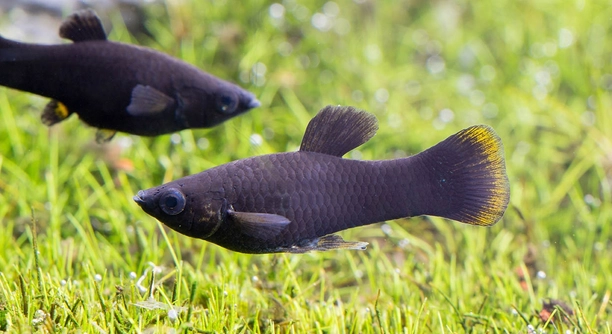
Do you ever find yourself wondering why your Black Mollies are not breeding as successfully as you hoped? Many hobbyists face small challenges that quietly affect the health and reproduction of these fish.
Improving Black Molly breeding can often be achieved through small, consistent adjustments. Optimizing water conditions, providing a balanced diet, ensuring sufficient space, and maintaining proper temperature are key factors that directly influence reproductive success.
Understanding these simple changes can make a noticeable difference in your fish tank. These adjustments are easy to implement and can promote healthier, more active Black Mollies.
Adjust Water Conditions
Water quality plays a significant role in Black Molly breeding. Consistently testing and maintaining stable parameters helps create a comfortable environment. The ideal pH is slightly alkaline, between 7.5 and 8.5, and hardness should be moderate. Regular partial water changes prevent toxins from building up, which can stress the fish and hinder reproduction. Temperature is equally important. Black Mollies thrive in slightly warmer waters around 75–80°F. Avoid sudden fluctuations, as they can shock the fish and reduce breeding activity. Aeration and gentle filtration ensure oxygen levels remain sufficient. Additionally, removing uneaten food and debris prevents ammonia spikes, which are harmful to both adults and fry. Plants can also provide shelter, reduce stress, and encourage breeding. By paying close attention to these water factors, you create a stable, supportive environment that promotes natural behavior and successful spawning. Consistency is the key to healthy, active Black Mollies.
Proper water maintenance directly supports fish health and increases the likelihood of successful breeding outcomes in your tank.
Even small improvements in water conditions can significantly affect fertility. Clear, stable, and well-oxygenated water encourages the fish to spawn naturally, helping fry survive longer and grow healthier. Monitoring regularly ensures long-term success and prevents common problems.
Provide a Balanced Diet
Feeding Black Mollies a varied and nutritious diet is essential. High-quality flake or pellet food should form the base, supplemented with live or frozen options like brine shrimp and daphnia. These additions provide essential proteins and nutrients that boost reproductive health. Vegetables such as blanched spinach or zucchini are also beneficial, supporting digestion and overall vitality. Avoid overfeeding, as excess food can foul water and stress the fish. Feed small portions two to three times daily, adjusting quantities according to consumption. Healthy adults are more likely to breed, and properly nourished females produce stronger, more viable fry. Keeping a consistent feeding schedule helps maintain stable energy levels and reduces aggressive behavior in crowded tanks. Nutrition directly impacts growth, coloration, and reproductive success, making it one of the simplest yet most effective adjustments for any Black Molly breeder.
A balanced diet is vital for breeding success.
Providing consistent nutrition ensures your fish remain active, healthy, and ready to spawn. Supplementing with live foods encourages natural behaviors, leading to more frequent and healthier breeding events. Observing their eating habits helps fine-tune portions and maintain water quality for long-term tank health.
Ensure Proper Tank Space
Overcrowding can stress Black Mollies and reduce breeding activity. A spacious tank allows for natural swimming patterns and decreases aggression between fish, promoting a healthier environment for spawning.
A 20-gallon tank is generally recommended for a small group, with additional space for each added fish. Adequate swimming room reduces competition for resources and limits stress, which can interfere with mating behavior. Dividers or plants can create territories, giving timid fish safe areas and encouraging more confident interaction among potential breeding pairs. Space also helps maintain water quality by reducing waste concentration, which supports overall health. A well-planned layout balances both the social and environmental needs of Black Mollies.
Providing sufficient room benefits fry survival. Open areas combined with hiding spots allow babies to escape adults, increasing their chances of reaching maturity. Proper spacing reduces stress-related diseases, encouraging consistent breeding and stronger fry growth.
Maintain Stable Temperature
Black Mollies reproduce best in warm, consistent water. Temperature swings can halt breeding and stress fish, lowering fertility and fry survival rates.
Maintaining a stable range between 75–80°F ensures reproductive hormones function properly and keeps adults active. Using a reliable heater and thermometer allows for small adjustments and prevents sudden drops or spikes, which are harmful. Cooler water slows metabolism, affecting egg production, while excessively high temperatures can reduce oxygen levels and cause fatigue. Stability supports both adults and developing fry, giving them an ideal environment for growth. A consistent thermal environment also reduces aggressive interactions, allowing smoother mating behavior.
Temperature directly impacts fertility and spawning frequency. Even slight fluctuations can interrupt breeding cycles and cause health issues. Monitoring daily and making gradual adjustments helps maintain optimal conditions, ensuring consistent reproduction and stronger, healthier fry.
Introduce Hiding Spots
Black Mollies need places to hide, especially when fry are present. Plants, rocks, or small caves provide shelter and reduce stress, promoting natural breeding behavior.
Hiding spots also protect fry from adult fish. Dense plant clusters or floating vegetation give babies safe areas to grow and improve survival rates.
Separate Males and Females When Needed
Separating overly aggressive males from females can prevent stress and injury. Rotating males back in carefully ensures breeding continues without harm to the females.
Maintain Consistent Lighting
Consistent lighting helps regulate Black Mollies’ natural cycles. A stable day-night pattern encourages normal activity and breeding behavior.
Monitor Fry Development
Watching fry closely allows you to adjust care as they grow. Proper feeding and safe spaces are key to healthy development.
FAQ
How often should I change the water for Black Mollies?
Regular water changes are essential for breeding success. A partial water change of about 25% once a week helps remove toxins and maintain stable water parameters. Avoid complete changes, which can shock the fish and disrupt breeding activity. Consistent maintenance keeps adults healthy and improves fry survival.
What is the ideal temperature for breeding Black Mollies?
The recommended temperature range is 75–80°F. Maintaining this consistently is crucial, as sudden drops or spikes can stress the fish and halt breeding. Using a reliable heater and thermometer ensures stable conditions and encourages regular spawning.
Do Black Mollies need live food to breed successfully?
While high-quality flake or pellet food provides necessary nutrients, live foods like brine shrimp, daphnia, or mosquito larvae enhance reproductive health. Live food encourages natural hunting behaviors, strengthens adults, and improves fry viability, making it a valuable supplement.
How many males and females should I keep together?
A ratio of one male to two or three females is ideal. Too many males can stress females, reducing breeding activity and harming fry. Proper ratios balance mating opportunities while minimizing aggression, creating a healthier environment for reproduction.
When should I separate fry from adult Black Mollies?
Fry should be separated or provided with dense plant cover when they appear. Adults may eat fry if there is no safe hiding space. Using breeding nets or densely planted areas allows babies to grow safely and increases survival rates.
How do I prevent overcrowding in the tank?
Ensure sufficient space based on the number of fish. A 20-gallon tank is suitable for a small group, and larger tanks are needed as the population grows. Adequate swimming room reduces stress, supports natural behavior, and prevents water quality issues.
What is the best diet for breeding females?
A varied diet with high protein is essential. Flakes or pellets supplemented with live foods like brine shrimp and occasional vegetables improve egg development. Proper nutrition ensures stronger fry and increases the likelihood of successful spawning.
How can I tell if my Black Mollies are ready to breed?
Mature males develop a gonopodium, while females appear fuller and rounder when carrying eggs. Active swimming, chasing, and courtship behavior indicate readiness. Monitoring these signs helps time breeding and increases fry survival.
Do I need to adjust water hardness for breeding?
Moderate hardness is preferred, with a slightly alkaline pH between 7.5 and 8.5. Stable hardness supports reproductive hormones and fry development. Sudden changes in water chemistry can stress fish and reduce breeding success.
Can I breed Black Mollies in a community tank?
Yes, but it requires careful monitoring. Avoid aggressive or predatory species that may harm fry. Provide hiding spaces and maintain proper male-to-female ratios. Community tanks can work if conditions are stable and adults are not overly competitive.
How long does it take for fry to grow?
Fry typically become free-swimming within a week and start eating small foods. They grow rapidly with proper nutrition and stable water conditions. Full maturity may take several months, depending on tank conditions and diet quality.
Should I use plants for breeding?
Plants are highly beneficial. They provide shelter for fry, reduce stress for adults, and create natural territories. Both floating and rooted plants improve survival rates and encourage natural breeding behavior.
What common mistakes should I avoid when breeding Black Mollies?
Avoid sudden water changes, overfeeding, overcrowding, and improper temperature. Neglecting nutrition or tank maintenance reduces breeding success. Regular monitoring and small, consistent adjustments are more effective than drastic measures.
How can I improve fry survival rates?
Providing hiding spaces, stable water conditions, and proper feeding are key. Regular observation allows early intervention if issues arise. Minimizing stress and ensuring adequate nutrition increases fry growth and overall survival.
Are there signs of stress in breeding Black Mollies?
Signs include hiding, erratic swimming, loss of appetite, and aggression. Stress can result from poor water quality, overcrowding, or incompatible tank mates. Identifying and addressing these factors quickly helps maintain a healthy breeding environment.
Can Black Mollies breed year-round?
Yes, if water conditions, temperature, diet, and tank setup are stable. Consistency in care allows continuous breeding, as long as adults remain healthy and stress-free. Adjusting feeding and maintaining proper environmental conditions supports ongoing reproduction.
How do I handle sick or weak fish during breeding?
Separate affected fish to prevent disease spread. Treat illnesses promptly and maintain clean water. Sick fish should not breed, as this can reduce fry viability and affect the health of the rest of the tank population.
What is the best lighting schedule for breeding tanks?
Consistent day-night cycles of 10–12 hours of light support natural activity and breeding behavior. Sudden changes in lighting can stress fish and disrupt normal spawning patterns. Using a timer ensures stability and supports long-term reproductive success.
Can I breed Black Mollies without a heater?
In cooler climates or tanks with fluctuating temperatures, a heater is recommended. Maintaining 75–80°F is critical for hormone regulation, spawning, and fry growth. Without stable warmth, breeding may slow or stop, and fry survival decreases significantly.
Is it necessary to remove uneaten food?
Yes, leftover food can decompose, raising ammonia levels and stressing fish. Removing uneaten portions after feeding keeps water clean, protects fry, and supports adult health, which is essential for consistent breeding.
How can I encourage shy females to breed?
Providing hiding spots, gentle tank mates, and proper nutrition reduces stress. Avoid overcrowding and aggressive males. A calm environment allows timid females to feel safe and improves the likelihood of successful spawning.
What size tank is recommended for breeding pairs?
A minimum of 20 gallons is suitable for a small group, but larger tanks are preferred for multiple adults and fry. Extra space reduces stress, encourages natural behavior, and maintains water quality for consistent reproduction.
How long do Black Mollies carry fry?
Gestation typically lasts 4–6 weeks, depending on water temperature and health. Monitoring females helps anticipate fry release and ensures safe conditions for the newborns. Providing adequate hiding spots increases their survival immediately after birth.
Can stress prevent Black Mollies from breeding?
Yes, stress is a major factor that reduces fertility. Overcrowding, poor water quality, sudden temperature changes, and aggressive tank mates all contribute. Minimizing these factors encourages natural reproductive behavior and improves spawning outcomes.
What is the best way to introduce males to females?
Introduce males gradually and observe behavior. Ensure proper ratios to prevent harassment. Providing plants and hiding spots reduces stress and allows natural courtship, increasing the likelihood of successful mating.
Do Black Mollies need a separate breeding tank?
It is optional but recommended for better fry survival. A dedicated tank allows control over water conditions, feeding, and protection from adults. This setup minimizes stress and maximizes fry growth and health.
How often should I feed fry?
Fry need small, frequent feedings multiple times per day. Newly hatched brine shrimp or powdered foods work well. Adequate nutrition supports rapid growth and strengthens their immune systems for long-term survival.
Can water pH affect breeding success?
Yes, slightly alkaline water with a pH of 7.5–8.5 is ideal. Fluctuations or overly acidic water can reduce fertility and stress adults, lowering both the frequency of spawning and fry survival rates.
What plants are best for hiding fry?
Dense floating plants like hornwort or java moss provide excellent cover. They allow fry to escape adults while maintaining water flow and oxygenation. Rooted plants offer additional shelter and contribute to a natural tank environment.
How can I tell if fry are healthy?
Healthy fry are active, swim freely, and have clear, well-formed bodies. Slow movement, discoloration, or deformities indicate stress or inadequate care. Proper feeding, water quality, and shelter promote strong growth and survival.
What should I do if adults eat the fry?
Increase hiding spots, add dense plants, or use a breeding net. Separating fry temporarily reduces predation, giving them time to grow strong enough to survive in the main tank. Consistent monitoring prevents further losses.
Is frequent observation necessary during breeding?
Yes, regular observation allows early detection of problems, including illness, stress, or aggression. Adjustments can be made quickly, improving adult health and fry survival. Consistent monitoring is a simple but effective way to ensure successful reproduction.
Can Black Mollies breed in hard water?
Yes, moderate hardness supports reproduction. Excessively soft water may reduce fertility, while very hard water can stress fish. Stable conditions are more important than exact hardness values for successful breeding outcomes.
How do I know when fry are ready for regular feeding?
Fry begin eating small foods like powdered fry food or newly hatched brine shrimp once they become free-swimming, usually within a week. Gradually increasing portions supports growth while minimizing water pollution and maintaining optimal conditions.
Are there signs that females are carrying eggs?
A rounded, fuller belly indicates a female is gravid. Observing this helps prepare for fry release by ensuring safe hiding spots and adjusting tank conditions to support newborn survival.
How do I manage aggression among males?
Provide plenty of space, plants, and hiding areas. Maintain proper male-to-female ratios. Rotating or separating overly aggressive males reduces stress and allows breeding to continue safely.
Can I breed Black Mollies with community fish present?
Yes, if tank mates are peaceful and non-predatory. Ensure hiding spots for fry and monitor behavior. Avoid overcrowding, as stress can lower breeding success and reduce fry survival.
How long before fry are large enough to join the main tank?
Fry are usually ready after several weeks when they are strong swimmers and can compete for food. Gradually acclimating them ensures smoother integration and continued growth.
What is the most common mistake in Black Molly breeding?
Neglecting water stability, overcrowding, and improper feeding are the main issues. Maintaining consistent conditions, proper nutrition, and adequate space ensures healthy adults and successful fry development.
How can I improve breeding success in a small tank?
Focus on water quality, proper ratios, hiding spaces, and frequent observation. Even in limited space, careful management can support reproduction and healthy fry growth.
Are live plants necessary for breeding?
While not strictly required, live plants greatly improve fry survival, reduce stress, and create a more natural environment that encourages spawning and healthy development.
What should I do if a female becomes lethargic?
Check water parameters and diet. Lethargy often indicates stress or illness, which can reduce breeding success. Addressing the issue promptly helps maintain health and reproductive activity.
Can I breed multiple females together without males?
No, males are necessary for fertilization. Females alone may show normal behavior but will not produce fry without access to a male for breeding.
How do I encourage more frequent spawning?
Maintain optimal temperature, stable water conditions, balanced nutrition, and proper space. Reducing stress and ensuring adults are healthy encourages regular breeding cycles.
Is a filter necessary for breeding tanks?
Yes, gentle filtration maintains water quality without creating strong currents. Clean water supports adult health and fry survival, making filtration a simple yet essential tool.
How do I prevent disease during breeding?
Regular water changes, proper feeding, and avoiding overcrowding reduce the risk of illness. Isolate sick fish immediately to prevent spread, keeping the breeding environment healthy and productive.
Can Black Mollies breed in cooler water?
Breeding slows significantly in cooler water below 75°F. Fry survival decreases, and adults may not spawn at all. Maintaining warmth is critical for successful reproduction.
How soon after birth can fry eat?
Fry start feeding once free-swimming, typically within 24–48 hours. Small, frequent meals of powdered food or tiny live foods support growth and reduce mortality.
Is water clarity important for breeding?
Yes, clear water allows better observation of fry and ensures healthy living conditions. Turbid water can stress adults, reduce oxygen levels, and affect fry growth.
How do I prevent adult fish from harming each other?
Maintain proper ratios, provide hiding spots, and ensure sufficient space. Monitoring aggression and separating problematic fish keeps the environment safe for breeding.
Can I breed Black Mollies without a separate tank for fry?
Yes, but survival rates are lower. Dense plants or floating vegetation provide necessary protection. Fry grow best when adults cannot easily access them.
What is the maximum number of fry a female can produce?
A single female can give birth to 20–80 fry, depending on health, age, and environmental conditions. Providing proper nutrition and safe hiding spaces ensures higher survival rates.
How often should I check water parameters?
Weekly testing is sufficient for stable tanks, but frequent monitoring is recommended when breeding. Parameters like pH, hardness, ammonia, nitrites, and temperature should remain consistent.
Can stress from handling affect breeding?
Yes, frequent or rough handling increases stress, which reduces fertility. Minimizing disturbance during maintenance promotes healthier, more active fish and better breeding results.
How do I introduce new fish without affecting breeding?
Acclimate new fish slowly and monitor interactions. Introducing aggressive or incompatible species can disrupt breeding behavior. Gradual integration maintains stability in the tank.
Are frozen foods as effective as live foods?
Frozen foods provide nutrition but may not stimulate natural behaviors as live foods do. Combining both ensures a balanced diet and encourages reproductive activity.
How do I manage a large number of fry?
Provide additional tanks or breeding nets, maintain water quality, and feed small amounts frequently. Adequate space reduces stress and ensures steady growth for all fry.
Can Black Mollies breed under artificial lighting only?
Yes, as long as consistent day-night cycles are maintained. Stability in lighting supports natural activity patterns and reproductive behavior.
What is the best way to clean a breeding tank?
Perform partial water changes, remove debris, and gently clean surfaces. Avoid complete water replacement or harsh cleaning, which can stress adults and fry.
Do I need a quarantine tank for new Black Mollies?
Yes, quarantining prevents disease introduction and protects existing breeding fish. Observing newcomers ensures they are healthy before adding them to the main tank.
How long do adults live in breeding conditions?
Healthy Black Mollies live 3–5 years. Proper care, nutrition, and stable environmental conditions prolong life and support multiple successful breeding cycles.
Can water flow affect breeding?
Strong currents can stress fish and disrupt spawning. Gentle filtration and moderate water movement encourage normal activity and protect fry from being swept away.
How do I identify successful mating?
Signs include chasing, courtship displays, and females appearing fuller as eggs develop. Observing these behaviors confirms mating and helps prepare for fry care.
Are there seasonal effects on breeding?
With stable temperature, lighting, and diet, Black Mollies can breed year-round. Seasonal changes in ambient conditions may affect temperature, which should be controlled to maintain consistency.
Can I use tap water for breeding tanks?
Yes, if properly treated to remove chlorine, chloramine, and heavy metals. Stable, clean water supports adult health and fry survival. Testing ensures safe conditions.
How do I prevent fry from being eaten immediately?
Add dense plants, floating moss, or breeding nets. These measures allow fry to hide until they are large enough to avoid adult predation.
How often should I feed adults during breeding?
Feed adults small, nutritious portions two to three times daily. Consistent feeding maintains energy for courtship and spawning while preventing water pollution from uneaten food.
Can stress from other fish prevent fry survival?
Yes, aggressive or predatory tank mates can harm fry. Providing hiding spots and maintaining compatible species ensures higher survival rates.
How do I encourage natural breeding behavior?
Maintain stable water conditions, proper temperature, adequate space, nutritious food, and hiding spots. Minimizing stress allows Black Mollies to exhibit normal mating behaviors and increases spawning success.
What is the best tank setup for breeding?
A spacious tank with plants, stable temperature, gentle filtration, and proper lighting supports adult health and fry survival. Observing behavior helps fine-tune the environment for optimal reproduction.
How can I increase fry growth rate?
Provide frequent feedings of high-quality food, maintain clean water, and ensure hiding spots for fry. Stable conditions and consistent nutrition accelerate growth and reduce mortality.
Are there special considerations for first-time breeders?
First-time breeders require stable conditions, proper nutrition, and monitoring. Avoid overcrowding and aggressive males to reduce stress and improve breeding success.
How do I know if fry are feeding well?
Active, steadily growing fry indicate adequate feeding. Uneaten food or weak, slow-moving fry may require adjustments in diet or feeding frequency.
Can temperature fluctuations affect fry development?
Yes, sudden drops or rises in temperature can slow growth or cause mortality. Maintaining a stable 75–80°F ensures proper development and healthy fry.
How important is water pH stability?
Stable pH is critical for reproductive hormones, fry development, and adult health. Fluctuations can stress fish and reduce breeding success. Regular monitoring is essential.
What signs indicate a female is ready to release fry?
A noticeably rounded belly and decreased activity often signal imminent birth. Providing shelter ensures fry have a safe environment once released.
Can I breed Black Mollies without plants?
It is possible, but survival rates decrease. Plants offer hiding spaces for fry and reduce adult stress, improving overall breeding outcomes.
How long does it take for fry to become independent?
Fry typically grow strong enough to survive without protection in a few weeks. Adequate nutrition and safe spaces accelerate this process and improve long-term survival.
Is constant observation necessary?
Regular monitoring helps identify stress, illness, or aggression early. Prompt adjustments maintain healthy adults and increase fry survival, making observation an effective tool for successful breeding.
How do I prevent males from harassing females too much?
Maintain proper ratios, provide hiding spots, and monitor interactions. Temporarily separating aggressive males reduces stress and ensures successful spawning.
Can fry survive in community tanks immediately?
Only if sufficient cover exists. Dense plants or breeding nets protect fry from adult fish until they are strong enough to join the main tank safely.
Are there any signs that breeding is unsuccessful?
Females remain thin, show no fry development, or display stress behavior. Monitoring health and environmental conditions helps identify and correct issues early.
What is the best feeding schedule for fry?
Multiple small feedings daily with powdered or live foods support rapid growth. Consistency ensures adequate nutrition and minimizes water pollution.
Can water hardness fluctuations affect breeding?
Yes, sudden changes in hardness can stress adults and reduce fertility. Maintaining stable, moderately hard water supports reproductive success.
How do I prepare a tank for new fry?
Add hiding
Breeding Black Mollies can feel like a careful balancing act, but small, consistent adjustments make a noticeable difference. Paying attention to water quality, temperature, diet, and tank space ensures adults remain healthy and active. Stable water conditions, including proper pH, hardness, and cleanliness, reduce stress and allow fish to behave naturally. Temperature consistency between 75–80°F supports reproductive hormones and encourages spawning, while proper aeration and filtration help maintain a safe and comfortable environment. Regular observation helps identify problems early, from illness to overcrowding, allowing you to act before they affect breeding success. Simple practices, such as partial water changes and removing uneaten food, go a long way in keeping the tank safe for both adults and fry.
Nutrition plays a vital role in supporting successful breeding. A balanced diet of high-quality flakes or pellets, supplemented with live or frozen foods like brine shrimp and daphnia, ensures adults receive the proteins and nutrients they need. Including vegetables like spinach or zucchini supports digestion and overall vitality, particularly for females preparing to release fry. Healthy adults produce stronger, more viable offspring, while well-fed fry grow faster and resist disease. Feeding small amounts multiple times per day, rather than large portions at once, prevents water pollution and reduces stress. Providing hiding spots through plants, rocks, or breeding nets also protects fry from adult fish, allowing them to develop safely. Even minor changes in diet or tank layout can have significant effects on reproductive outcomes, making careful planning worthwhile.
Consistency and attention to detail are the foundation of successful Black Molly breeding. Maintaining proper male-to-female ratios, offering hiding spots, and monitoring for aggression helps reduce stress and encourages natural behaviors. Separation of overly aggressive males, timed introductions, and gentle handling all support reproductive success. Fry care, including frequent feedings of small, nutrient-rich foods and protection from adult predation, ensures higher survival rates. Lighting schedules, stable water chemistry, and controlled temperatures help fish maintain regular breeding cycles. While it may seem like many factors need attention, approaching each adjustment with patience and care creates a sustainable, healthy environment for both adults and fry. Over time, these consistent practices lead to a thriving tank where Black Mollies breed regularly, grow strong, and remain active, providing a rewarding and manageable experience for any fish keeper.

Hello,
If you enjoy the content that we create, please consider saying a "Thank You!" by leaving a tip.
Every little bit helps us continue crafting quality advice that supports the health, happiness, and well-being of pets around the world, for pets of all shapes, sizes, and species.
We really appreciate the kindness and support that you show us!