
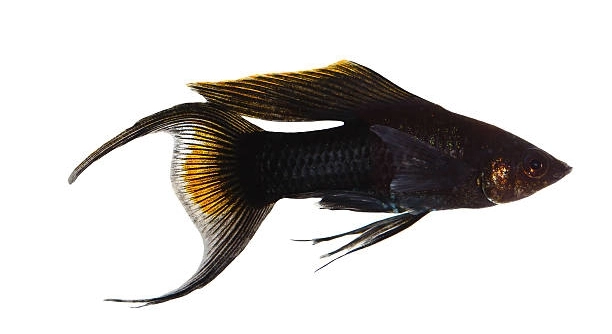
Red gills in black mollies can be alarming for any aquarist. This condition often signals an underlying health or environmental issue. Observing your fish closely can help identify the early signs before they worsen.
Red gills in black mollies are commonly caused by poor water quality, bacterial or parasitic infections, high ammonia or nitrite levels, stress from overcrowding, inadequate diet, sudden temperature changes, and genetic predisposition. Each factor impacts gill health and overall well-being.
Understanding these causes will help you maintain healthier fish and prevent recurring problems in your aquarium environment. Proper care ensures black mollies thrive and stay vibrant over time.
Poor Water Quality
Maintaining clean water is essential for black mollies. Poor water quality can irritate gills, causing redness and inflammation. High levels of ammonia, nitrites, or nitrates create a toxic environment that stresses fish and makes them vulnerable to disease. Uneaten food, decaying plants, and overcrowding can worsen these levels quickly. Frequent water changes and proper filtration are necessary to keep these toxins under control. Testing the water regularly allows you to catch problems early and prevent long-term damage. Black mollies are sensitive to even slight changes, so consistency is key. Proper maintenance also supports their immune system, helping them fight off infections. Observing your fish’s behavior alongside water parameters provides insight into their overall health and can indicate if the gill redness is due to environmental stress.
Regular water checks and cleaning routines help prevent gill irritation and maintain a stable environment for black mollies.
Keeping water conditions optimal reduces stress and supports the fish’s natural defenses. Healthy water directly impacts their longevity and activity levels.
Bacterial and Parasitic Infections
Bacterial and parasitic infections often target gills first, causing redness, swelling, and difficulty breathing. Pathogens thrive in crowded or unclean tanks. Early detection is important to prevent the infection from spreading. Treatments vary depending on the type of bacteria or parasite. Observing other fish in the tank for similar symptoms can help identify if the issue is contagious. A combination of medication, water adjustments, and isolation may be necessary to fully treat infected fish. Preventing these infections involves maintaining proper water quality, avoiding overfeeding, and quarantining new fish before introducing them to the main tank.
Identifying the type of infection allows for precise treatment and faster recovery.
Addressing bacterial and parasitic infections requires careful observation and prompt intervention. Using appropriate medications ensures the infection is eliminated without harming other tank inhabitants. Maintaining consistent tank hygiene prevents recurrence, while supportive care like stress reduction and optimal nutrition strengthens the fish’s immune response. Quarantine procedures for new additions reduce the risk of introducing pathogens. Regular monitoring and early treatment often make the difference between recovery and severe illness.
High Ammonia or Nitrite Levels
High ammonia or nitrite levels can quickly damage black molly gills, causing redness and labored breathing. These compounds accumulate from waste, uneaten food, or inadequate filtration. Regular testing and partial water changes are crucial to prevent toxic buildup and keep the fish healthy.
Excess ammonia or nitrites interfere with oxygen transport in fish, stressing their gills and overall physiology. Mollies exposed to these toxins may become lethargic, lose appetite, or display unusual swimming behavior. Even short-term spikes can cause significant harm if not addressed promptly. Using a reliable test kit, performing water changes, and ensuring proper tank filtration help maintain safe chemical levels. Avoid overcrowding and overfeeding to reduce the production of harmful substances. Consistency is critical to keeping the aquarium environment stable for black mollies, supporting their natural immune function and preventing gill damage.
Maintaining balanced water chemistry also reduces the risk of secondary infections. Healthy water ensures mollies remain active, colorful, and less prone to stress-induced issues. Monitoring and adjusting levels prevent recurring health problems over time.
Stress from Overcrowding
Overcrowding increases competition for food and oxygen, causing stress that affects gill health. Red gills are a common sign of this strain. Ensuring enough space is vital for black mollies to thrive.
Stress from too many fish can weaken immunity and increase susceptibility to infections. In overcrowded conditions, mollies may struggle to access food or hide from aggressive tank mates, leading to fatigue and further gill irritation. Proper stocking density allows all fish to move freely, maintain normal behaviors, and reduces water quality problems caused by excess waste. Environmental enrichment, such as plants and hiding spots, also helps mollies feel secure, lowering stress levels. Adjusting population density ensures a healthier, more balanced tank ecosystem.
Providing adequate space supports natural behaviors and reduces aggressive encounters. Lowering stress through proper tank management improves overall health and gill condition, contributing to longer, more vibrant lives.
Inadequate Diet
A poor diet can weaken black mollies and cause red, inflamed gills. Lack of essential nutrients lowers immunity, making them more vulnerable to infections and environmental stress. A balanced diet is necessary for overall health and gill function.
Feeding only flakes or a single type of food limits vitamins and minerals. Including a variety of high-quality flakes, pellets, and occasional live or frozen foods ensures mollies receive proper nutrition. Healthy diets support growth, coloration, and resistance to disease, reducing the risk of gill problems.
Sudden Temperature Changes
Rapid fluctuations in water temperature shock black mollies, stressing gills and overall health. Consistent temperatures prevent redness and irritation.
Temperature stress reduces immune response and increases susceptibility to infections. Using a reliable heater and monitoring water regularly helps maintain stability. Gradual adjustments are essential when changing tank conditions to protect gill health.
Genetic Predisposition
Some black mollies may naturally be prone to red gills due to hereditary factors. Genetics can influence gill sensitivity and coloration.
While care and environment play major roles, recognizing that certain traits are inherited helps in monitoring and managing vulnerable fish. Selective breeding and attentive observation can minimize issues in future generations.
FAQ
Why are my black mollies’ gills red all of a sudden?
Sudden redness in gills often indicates stress or environmental issues. Changes in water quality, temperature, or overcrowding can trigger this. Checking ammonia, nitrite, and nitrate levels is important, as well as ensuring a stable temperature. Early detection helps prevent more serious health problems.
Can poor diet alone cause red gills?
Yes, an inadequate diet can weaken the immune system, making gills more prone to inflammation. A mix of high-quality flakes, pellets, and occasional live or frozen food ensures proper nutrition and supports gill health and overall vitality.
How can I test for water problems that affect gills?
Water test kits are essential. Test for ammonia, nitrites, nitrates, and pH levels regularly. Unbalanced water chemistry directly stresses black mollies, causing gill irritation. Frequent partial water changes and proper filtration help maintain safe levels and a healthy tank environment.
Are bacterial or parasitic infections treatable?
Yes, infections can be treated if identified early. Medications are available for both bacterial and parasitic causes. Isolating affected fish, adjusting water quality, and following proper treatment instructions improve recovery chances. Quarantining new fish helps prevent future outbreaks.
Do temperature changes really affect gill color?
Rapid fluctuations in water temperature shock mollies, causing red gills and stress. Keeping a consistent, appropriate temperature and gradually adjusting when needed protects gill health. Using a reliable heater and thermometer reduces risks.
Can stress from overcrowding cause long-term gill problems?
Overcrowding increases competition for oxygen and food, raising stress levels. Chronic stress weakens immunity, making gills more susceptible to irritation and infections. Proper tank stocking and adding hiding spots reduce stress and maintain gill health over time.
Will improving water quality reverse red gills?
Yes, improving water conditions often allows gills to recover. Reducing ammonia and nitrites, performing regular water changes, and ensuring good filtration restores a healthier environment. Continuous monitoring prevents recurring problems and supports overall fish health.
Is there a genetic reason for red gills?
Some black mollies are genetically predisposed to sensitive gills or subtle red coloration. While care and environment influence health, inherited traits can make certain fish more prone to gill issues. Observing these fish closely helps manage their condition effectively.
How often should I monitor my tank to prevent gill issues?
Testing water weekly, observing fish daily, and performing partial water changes regularly prevents most gill-related problems. Early intervention is key to avoiding serious infections and maintaining strong, healthy mollies.
What is the best diet to support gill health?
A varied diet including high-quality flakes, pellets, and occasional live or frozen foods provides essential vitamins and nutrients. This supports immune function, reduces stress, and keeps gills healthy, ensuring mollies stay active and vibrant.
Can gill redness be a sign of something serious?
Yes, persistent red gills may indicate infection, ammonia or nitrite poisoning, or chronic stress. Ignoring symptoms can lead to severe illness or death. Prompt action, including water testing, dietary adjustments, and treatment when necessary, is critical.
Are there preventive measures I can take?
Maintaining clean water, proper temperature, balanced diet, and appropriate stocking density are all preventive steps. Regular observation and early action help avoid red gills and other health issues. Quarantining new fish adds an extra layer of protection against infections.
How long does it take for gills to recover?
Recovery depends on the cause. Environmental improvements and proper care can show results within days to weeks. Infections may require medication and closer monitoring. Consistent water quality, stress reduction, and nutrition accelerate healing.
Can red gills indicate oxygen problems?
Yes, insufficient oxygen can stress mollies, causing redness in gills. Ensuring proper aeration, avoiding overcrowding, and keeping water clean helps maintain adequate oxygen levels. Observing fish behavior can also indicate if oxygen is limited.
Should I separate affected fish from the tank?
Isolating sick fish can prevent disease spread and allows targeted treatment. A quarantine tank provides a controlled environment, reduces stress, and improves recovery chances, especially for bacterial or parasitic infections.
How do I know if red gills are caused by stress or infection?
Stress-related redness often coincides with environmental changes, while infections usually include additional symptoms like labored breathing, lethargy, or visible spots. Careful observation, water testing, and sometimes consulting a veterinarian or experienced aquarist help determine the cause.
Is it normal for black mollies to have slightly red gills?
A slight reddish hue can sometimes be normal, especially in healthy, well-fed fish. However, sudden intensification or accompanying symptoms should be addressed promptly to prevent underlying health issues.
Can adding plants improve gill health?
Live plants improve water quality by absorbing nitrates and providing oxygen, reducing stress on gills. They also offer hiding spots, helping mollies feel secure and less prone to stress-induced redness.
Do frequent water changes stress the fish?
When done carefully, regular water changes reduce toxins and improve health. Sudden or large changes may stress fish, so gradual adjustments are recommended to maintain stability while improving gill condition.
Are there long-term effects if red gills are ignored?
Ignoring red gills can lead to chronic stress, weakened immunity, and increased risk of infections or death. Early detection and consistent care prevent long-term health problems and improve overall quality of life for black mollies.
Can I rely on medication alone to fix red gills?
Medication can help treat infections, but addressing water quality, diet, and tank conditions is equally important. A combined approach ensures recovery and prevents recurrence, supporting the fish’s long-term health.
Is it safe to mix black mollies with other fish if gills are red?
If gills are red due to infection, mixing with other fish can spread disease. Ensuring the main tank is healthy and quarantining affected fish prevents outbreaks and protects all tank inhabitants.
What signs indicate improvement in gill health?
Gills return to a lighter, natural color, breathing normalizes, and fish show active swimming and appetite. Consistent care and monitoring confirm recovery and overall well-being.
How important is tank size for preventing red gills?
Adequate tank space reduces stress, competition, and water quality issues. Sufficient room allows black mollies to thrive, lowering the risk of red gills and supporting general health.
Can stress from transportation cause gill redness?
Yes, moving fish can stress them, leading to red gills temporarily. Gradual acclimation to the tank and stable conditions reduce lasting effects and allow gills to recover naturally.
Are there environmental factors outside the tank that affect gills?
Yes, exposure to direct sunlight, drafts, or sudden temperature changes in the room can impact gill health. Maintaining stable surroundings supports a consistent, healthy aquatic environment.
How do I prevent recurring gill problems?
Consistently monitor water quality, provide a balanced diet, avoid overcrowding, maintain stable temperature, and quarantine new fish. Routine care and observation reduce stress and prevent infections.
What is the role of oxygenation in gill health?
Oxygen-rich water supports respiration and overall vitality. Proper aeration, filtration, and reduced stocking density ensure mollies get enough oxygen, keeping gills healthy and preventing redness.
Can seasonal changes affect gill color?
Yes, seasonal temperature or light fluctuations may stress mollies. Adjusting heaters, monitoring water chemistry, and stabilizing lighting patterns help maintain gill health year-round.
Is it necessary to consult a vet for red gills?
For persistent or severe cases, consulting a vet or experienced aquarist ensures correct diagnosis and treatment. Professional advice helps prevent complications and supports full recovery.
What daily habits help prevent gill problems?
Feeding a varied diet, observing fish, checking water parameters, and performing small, regular water changes maintain gill health. Consistency and attention to detail prevent most common causes of redness.
How can I identify early signs of gill issues?
Look for slight color changes, labored breathing, reduced activity, or loss of appetite. Early detection allows quick intervention, preventing more serious health problems.
Do black mollies recover fully from red gills?
Yes, with prompt care and proper conditions, most black mollies recover completely. Maintaining stable water, balanced nutrition, and low-stress conditions ensures long-term gill health and vitality.
Are certain water additives harmful to gills?
Some chemicals, especially overdosed conditioners or medications, can irritate gills. Always follow instructions and monitor fish closely when using additives to avoid damage.
Can old or decaying decorations affect gills?
Yes, decaying plants or porous decorations can release toxins, harming gills. Cleaning or replacing these items helps maintain water quality and prevents irritation.
Do red gills indicate a contagious problem?
Not always. Redness can result from stress or environmental issues. If accompanied by other symptoms, it may indicate a contagious infection requiring isolation and treatment.
How do I improve recovery after gill infection?
Maintain stable water, provide high-quality food, reduce stress, and follow treatment guidelines. Supportive care accelerates healing and prevents reinfection, ensuring gills return to healthy condition.
Are there signs that gill redness is normal for a black molly?
Mild, uniform redness without distress or behavioral changes can be normal. Sudden changes or additional symptoms indicate a problem requiring attention.
Can adding oxygen stones help?
Yes, oxygen stones increase dissolved oxygen, reducing stress on gills. Combined with proper filtration, they support healthier respiration and reduce redness caused by low oxygen levels.
What long-term maintenance prevents gill issues?
Regular water changes, consistent monitoring, proper diet, stable temperature, and avoiding overcrowding create a healthy environment. Long-term care ensures black mollies maintain strong gills and overall vitality.
How can I tell if red gills are caused by ammonia?
Ammonia exposure often coincides with lethargy, gasping, or erratic swimming. Testing water confirms levels, and addressing it quickly prevents further gill damage.
Can stress from aggressive tank mates cause red gills?
Yes, aggression raises stress and can cause gill inflammation. Separating aggressive species or providing hiding spaces helps mollies recover and reduces redness.
Is quarantine always necessary for new fish?
Quarantine is highly recommended. It prevents introducing infections, allows observation of symptoms, and ensures new additions do not affect gill health in the main tank.
Do different black molly varieties have varying gill sensitivity?
Yes, some varieties may be more prone to red gills due to genetics or physical traits. Monitoring these fish carefully ensures early intervention if problems appear.
Can water hardness affect gill color?
Extremely soft or hard water can stress mollies, affecting gill health. Testing and adjusting hardness to suitable levels helps prevent redness and irritation.
Are weekly partial water changes enough?
Yes, consistent weekly changes usually maintain water quality. Adjust frequency if ammonia or nitrite levels rise, or if the tank is heavily stocked, to prevent gill irritation.
Can algae overgrowth impact gills?
Excess algae can reduce oxygen levels at night and contribute to waste buildup, stressing mollies and causing gill redness. Regular cleaning and control prevent these issues.
Do red gills affect breeding in black mollies?
Yes, stressed or unhealthy fish are less likely to breed successfully. Maintaining proper water, diet, and low-stress conditions supports reproductive health and gill function.
How do I balance water chemistry for sensitive gills?
Regular testing for pH, ammonia, nitrites, and nitrates, along with partial water changes and controlled feeding, creates a stable environment that supports gill health.
Can lighting affect gill health?
Excessive or inconsistent lighting can stress fish, indirectly affecting gills. Maintaining a stable light cycle and avoiding sudden changes supports a calm, healthy environment.
Are live plants always beneficial for gills?
Most live plants improve oxygenation and water quality, reducing stress on gills. Some fast-growing species help control nitrates, supporting overall gill health and stability in the tank.
What are the signs that treatment is working?
Gills lighten, breathing normalizes, appetite improves, and activity increases. Continuous observation ensures the fish is recovering fully and helps adjust care if needed.
Can overcrowding combine with other factors to worsen gills?
Yes, overcrowding amplifies stress, water quality problems, and disease susceptibility. Addressing stocking density alongside diet and environment prevents compounded gill issues.
How important is consistent feeding for gill health?
Regular, balanced feeding supports immune function and overall vitality. Irregular or poor-quality food weakens fish, making gills more prone to redness and infection.
Is it normal for gills to fluctuate in color slightly?
Minor color changes may occur due to activity or mild stress. Persistent or worsening redness indicates a problem that requires attention.
Can dissolved oxygen drops at night affect gills?
Yes, low oxygen levels at night can stress fish and cause red gills. Aeration and plants help maintain adequate oxygen around the clock.
Are medication side effects common for gills?
Some treatments can temporarily irritate gills. Monitoring fish during medication use and following instructions minimizes harm while effectively treating infections.
Can tap water treatments prevent gill problems?
Dechlorinators and water conditioners remove harmful chemicals. Using these products during water changes protects gills from irritation and supports overall health.
How do I identify chronic gill issues versus temporary redness?
Chronic issues persist despite stable conditions and proper care. Temporary redness usually resolves after adjusting water, diet, or stress factors. Close observation helps distinguish between the two.
Do black mollies ever recover from severe gill damage?
Recovery is possible if intervention is prompt. Long-term care, clean water, nutrition, and treatment help restore gill function, but severe damage may leave lasting effects.
Are smaller tanks riskier for gill problems?
Yes, small tanks can accumulate toxins faster, stressing gills. Proper filtration, water changes, and careful stocking reduce risks, ensuring healthier fish even in limited space.
Does water flow impact gill health?
Moderate water flow improves oxygenation and removes waste. Excessive flow may stress fish, while stagnant water reduces oxygen, both affecting gill condition.
Can changing tank decorations help red gills?
Removing decaying plants or rough decorations prevents irritation. Smooth, clean tank decor supports water quality and reduces physical stress on gills.
Are black mollies more sensitive than other fish?
They are moderately sensitive. Stable water, proper diet, and low stress are essential for preventing gill problems and maintaining vibrant health.
Can long-term stress lead to recurring red gills?
Yes, chronic stress reduces immunity and makes gills prone to irritation and infection. Reducing stress factors ensures long-term gill health.
Is it normal for juveniles to have red gills?
Juveniles may show slight redness during growth, but persistent or intense coloration signals environmental or health issues needing attention.
Do seasonal tank changes impact gills?
Yes, seasonal shifts in temperature, light, or room conditions can stress mollies. Monitoring water stability and adjusting equipment helps maintain healthy gills.
Are there natural remedies for minor gill irritation?
Salt baths, clean water, and stress reduction can help mild gill irritation. Severe cases require treatment to prevent infections and further damage.
Can overcrowding combined with poor diet worsen gills?
Yes, the combination intensifies stress and weakens immunity. Ensuring proper space and balanced nutrition reduces the likelihood of red gills and illness.
Do tank mates influence gill health?
Aggressive or fast-moving tank mates can stress mollies, causing red gills. Choosing compatible species minimizes stress and supports overall health.
How often should I monitor gill color?
Daily observation helps catch early signs of redness or swelling. Early action prevents more serious health issues and maintains fish vitality.
Can improper filtration cause red gills?
Yes, inadequate filtration leads to waste buildup and poor oxygenation, stressing gills. Ensuring correct filter size and maintenance supports a healthy environment.
Is quarantine necessary for all new fish?
Quarantine prevents introducing disease and allows observation. It protects existing fish and reduces the risk of red gills caused by infections.
Can water hardness fluctuations cause gill irritation?
Yes, sudden changes in hardness stress mollies and may trigger gill redness. Maintaining stable water parameters prevents irritation and supports long-term health.
Are red gills reversible?
Yes, most cases are reversible with proper care, stable water, balanced diet, and treatment when needed. Timely action ensures recovery.
How can I prevent gill problems long-term?
Consistent care, monitoring, balanced nutrition, adequate space, stable temperature, and proper filtration prevent red gills and support overall health for black mollies.
Can tank cleaning frequency impact gill health?
Regular cleaning prevents toxin buildup and maintains oxygen levels, reducing stress and irritation to gills. Overcleaning should be avoided to prevent sudden environmental changes.
Are live or frozen foods better for gill health?
Both provide nutrients. Including live or frozen foods alongside flakes and pellets ensures balanced nutrition, supporting immune function and reducing gill problems.
Do tank size and population density matter together?
Yes, sufficient space relative to fish number ensures proper oxygenation, reduces stress, and prevents red gills. Balancing both factors maintains a healthy environment.
Can lighting intensity affect gill color?
Excessive lighting may stress fish, causing temporary redness. Moderate, consistent lighting supports normal behavior and gill health.
How do I know if gill redness is improving?
Gills lighten, breathing becomes regular, appetite returns, and fish appear more active. Observing these signs indicates recovery and proper care.
Can sudden diet changes impact gills?
Yes, abrupt changes may stress mollies and affect gills. Gradual introduction of new foods helps maintain stability and supports health.
Are some black molly strains more prone to red gills?
Yes, genetic differences influence gill sensitivity. Monitoring these fish and maintaining optimal care reduces risk of redness and related issues.
Do water temperature drops at night matter?
Significant nighttime drops can stress mollies, causing gill redness. Stable temperature management ensures consistent conditions and healthy gills.
Can multiple minor issues combine to cause gill redness?
Yes, small stressors like diet, water quality, or minor overcrowding can collectively irritate gills. Addressing all factors prevents compounded problems.
How long should I observe a fish after treatment?
Continuous monitoring for at least a week ensures recovery, catches relapse, and allows adjustment of care to maintain g
Red gills in black mollies are a clear sign that something in their environment or care routine needs attention. These changes can be alarming at first, but they often indicate issues that are manageable with proper care. Maintaining clean water, stable temperature, and a balanced diet are the most important steps to prevent and address gill redness. Observing your fish daily allows you to notice subtle changes in behavior or appearance that can signal early problems. Even minor adjustments in water quality, feeding habits, or tank setup can make a significant difference in overall health. Consistency is key, as black mollies are sensitive to sudden changes, and stress can quickly lead to inflammation or infection in their gills.
Addressing red gills requires both proactive and reactive measures. Regular water testing and partial water changes reduce the risk of toxic buildup from ammonia, nitrites, and nitrates. Ensuring proper filtration and avoiding overcrowding help maintain a stable and healthy environment for all tank inhabitants. When infections or parasites are present, prompt treatment is necessary, often combined with isolation of affected fish to prevent the spread of disease. A well-planned diet, including high-quality flakes, pellets, and occasional live or frozen foods, strengthens immunity and improves recovery. Additionally, providing hiding spots and stable conditions reduces stress, which is often a contributing factor in gill problems. Observing fish for early signs of labored breathing, lethargy, or changes in color allows for timely interventions, improving the chances of a full recovery.
Long-term care and attention to detail are the most effective ways to keep black mollies healthy and vibrant. Monitoring water parameters, feeding consistently, and maintaining proper tank conditions create a reliable routine that supports gill and overall health. Recognizing that genetics, diet, water quality, and stress all play a role in gill redness helps in preventing recurring issues. Taking small, regular steps in tank management, such as cleaning, checking filters, and observing behavior, contributes to a stable environment where mollies can thrive. While red gills can initially be worrisome, consistent care, careful observation, and quick action make it possible to restore health and prevent future problems. Over time, these efforts ensure that black mollies remain active, colorful, and resilient in their home tank.

Hello,
If you enjoy the content that we create, please consider saying a "Thank You!" by leaving a tip.
Every little bit helps us continue crafting quality advice that supports the health, happiness, and well-being of pets around the world, for pets of all shapes, sizes, and species.
We really appreciate the kindness and support that you show us!