
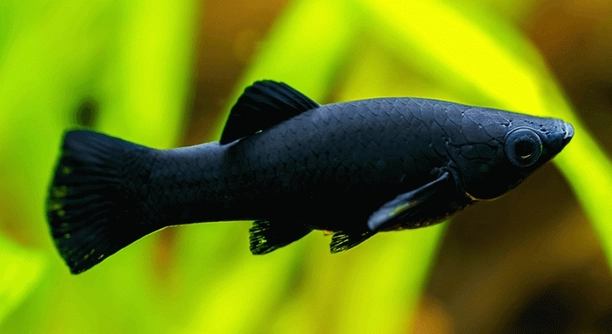
Black Mollies are small, lively fish often kept in home aquariums. They are known for their playful behavior and vibrant colors, making them a popular choice among both beginner and experienced fish keepers.
Black Mollies generally prefer swimming in groups rather than alone. Group swimming provides social interaction, reduces stress, and encourages natural behaviors. Maintaining at least three to five Mollies together supports their well-being and mimics their natural environment.
Observing how these fish interact in groups reveals more about their behavior and care needs in an aquarium setting.
Why Black Mollies Swim in Groups
Black Mollies are naturally social fish that feel safer and more comfortable when they are with others of their kind. In a tank, swimming in groups helps them establish a loose hierarchy, reduces stress, and encourages activity. I noticed that when I added three more Mollies to my aquarium, they seemed calmer and more confident, exploring different areas rather than hiding. Group swimming also keeps their movements more dynamic, as they often mirror each other’s actions, chase each other gently, or rest together near plants. Without companions, a single Molly can appear restless or even lethargic, and this can affect its appetite and overall health. Providing enough space, hiding spots, and clean water enhances their group behavior. Observing their social interactions, like synchronized swimming or following each other, can be rewarding and provides insight into their natural instincts. Keeping them in appropriate groups ensures they stay active, healthy, and visibly happier.
Swimming in groups helps Black Mollies reduce anxiety and maintain better physical health in captivity.
Adding the right number of Mollies to your tank is essential. Too few can lead to boredom or stress, while too many overcrowd the tank, increasing aggression or water quality issues. Observing their behavior over time shows how they interact and helps adjust the group size. For most home aquariums, keeping at least three to five Mollies is ideal. They benefit from swimming together, and their group presence creates a livelier tank environment. Plants, decorations, and open swimming areas allow them to explore safely while socializing. Providing consistent feeding schedules also supports their group dynamics. Healthy Mollies are more active, swim smoothly with others, and display vibrant coloration. Proper care, including regular water changes and monitoring for illness, ensures the group thrives. Group swimming is a key part of their behavior and well-being, and understanding it helps anyone maintain a balanced and harmonious aquarium.
Signs Your Black Mollies Prefer Groups
You may notice your Mollies following each other or resting together more often than swimming alone.
Group preference shows through consistent, coordinated behavior. When Black Mollies are in proper groups, they often swim side by side, chase each other lightly, or cluster near tank decorations. A single Molly might hide more, display stress-related darting, or eat less. Observing these behaviors over weeks helps determine if the group size is sufficient. It’s also important to watch for any aggressive interactions, which can indicate overcrowding or mismatched sizes. Providing the right group structure enhances their natural instincts, keeps them active, and ensures a healthier environment for all tank inhabitants. Noticing these signs early allows adjustments to tank size, group numbers, or décor to improve comfort and social interaction. Over time, their synchronized swimming and playful chases become easier to recognize, confirming their preference for group living. Proper care and observation support both their physical and social needs.
Ideal Group Sizes for Black Mollies
A small group of three to five Mollies is ideal for most home tanks. This number allows them to interact naturally without overcrowding, reducing stress and promoting active, healthy behavior.
I learned that keeping exactly three Mollies in a 20-gallon tank worked well for me. They followed each other around the tank, explored plants, and seemed calmer than when I had just one or two. Too many, however, led to minor skirmishes and occasional chasing, especially near feeding times. Providing hiding spots and open swimming areas helped balance their interactions. Proper group size encourages synchronized swimming, gentle social hierarchies, and regular activity. Observing them daily makes it easy to spot if adjustments are needed, ensuring the group remains harmonious and active.
Group size affects both social interaction and overall health. Black Mollies thrive in moderate groups, showing better color, more energy, and less stress. I noticed when I tried keeping six Mollies in a small tank, water quality dropped faster, and minor aggression occurred. Splitting them into smaller groups or increasing tank size resolved the issue. Watching how they move, rest, and feed together provides a clear guide to maintaining the right number. Correct group size ensures everyone is engaged, active, and maintains natural behaviors, which is essential for long-term well-being.
Tank Conditions That Support Group Swimming
Clean water, stable temperature, and enough space are crucial for group swimming. Black Mollies perform best in well-maintained environments that mimic their natural conditions.
I found that maintaining water at around 75–80°F with regular partial changes allowed my Mollies to swim actively together. Plants and decorations create hiding spots and open areas, reducing stress and encouraging social behavior. Filtration helps maintain water quality, which directly affects their health and energy levels. Too small or cluttered tanks restrict movement, increase aggression, and can lead to illness. Proper lighting and moderate currents also influence how comfortably they swim as a group. Observing their interactions daily ensures the tank setup continues to meet their needs. Clean, stable conditions make group swimming natural, energetic, and safe.
Benefits of Group Swimming
Group swimming reduces stress and keeps Black Mollies active. They feel safer together and display more natural behaviors.
Swimming in groups also encourages healthy feeding habits. Mollies are more confident and eat regularly when surrounded by others, which supports growth and vitality.
How Social Hierarchies Form
Black Mollies establish loose hierarchies within their groups. These hierarchies are usually gentle and involve subtle chasing, following, or positioning in the tank. I noticed that my dominant Molly often led the group, choosing resting spots and guiding movement, while the others followed. Over time, each fish learns its place, which reduces conflict and creates smoother group dynamics. Recognizing these interactions helps in adjusting tank conditions, like adding plants or decorations to prevent overcrowding and stress. Social hierarchies also influence feeding patterns, swimming routes, and resting areas, making it important to observe the group regularly.
Signs of Stress in Groups
Aggression, hiding, or loss of appetite can indicate stress within a group of Black Mollies.
FAQ
Do Black Mollies get along with other fish in a group?
Yes, Black Mollies usually get along well with other peaceful fish. In my tank, Mollies coexisted with platies and guppies without conflict. They tend to ignore aggressive or overly shy species, so it’s important to select compatible tank mates. Observing interactions over time ensures harmony.
How many Black Mollies should I keep together?
A group of three to five is ideal for a typical home aquarium. I found that fewer than three led to stress and inactivity, while more than five in a small tank caused minor chasing and competition. Proper group size supports social behavior and overall health.
Can Black Mollies survive alone?
They can survive alone but may become stressed or lethargic. I kept one for a few weeks, and it often hid and showed less active swimming. Group living encourages natural behavior, reduces anxiety, and improves appetite.
Do Black Mollies need large tanks for groups?
Yes, space matters. A 20-gallon tank works for a small group, but larger groups require more space. I noticed better swimming and less aggression when the tank offered open areas and hiding spots. Adequate space is key for group comfort and activity.
What tank conditions support group swimming?
Stable temperature, clean water, and proper filtration are essential. I maintain 75–80°F and do weekly partial water changes. Plants and decorations provide shelter and open swimming areas, reducing stress. Moderate lighting and gentle currents also help them feel secure and active.
Do Black Mollies show signs of stress in groups?
Yes, stress appears through aggression, hiding, or loss of appetite. I noticed that overcrowding or poor water quality increased stress signs. Providing enough space, hiding spots, and clean water minimizes these issues and maintains a healthy, active group.
How do Black Mollies establish social hierarchies?
They form loose hierarchies through subtle behaviors like following, positioning, or gentle chasing. I observed my dominant Molly leading the group, choosing resting areas, and guiding movement. Recognizing these dynamics helps adjust tank setups to prevent conflicts and maintain harmony.
Do Black Mollies need hiding spots in groups?
Absolutely. Hiding spots reduce tension and give shy or lower-ranking fish a place to rest. I added plants and small decorations, and it noticeably decreased chasing and improved overall group behavior. Even a well-socialized group benefits from some private space.
How do group sizes affect feeding?
Group size influences feeding patterns. Mollies eat more confidently together and tend to follow each other to food. I noticed that small or isolated groups sometimes ignored food, while well-sized groups ate steadily. Maintaining proper group numbers ensures regular feeding and growth.
Are Black Mollies more colorful in groups?
Yes, group living often enhances coloration. I saw my Mollies’ black hues become richer when they were active and comfortable in a group. Social interactions and reduced stress contribute to brighter colors, which is another reason grouping them is beneficial.
Can group swimming prevent health issues?
It can help. Active social swimming reduces stress, which lowers the risk of disease. I noticed fewer health problems after forming a proper group. While it doesn’t replace good care, maintaining social interaction supports stronger immune function and vitality.
What should I do if aggression appears in a group?
Minor chasing is normal, but persistent aggression may signal overcrowding or mismatched sizes. I separated aggressive individuals temporarily and added more hiding spots. Monitoring daily and adjusting group composition usually resolves conflicts quickly and safely.
Do Black Mollies bond with each other in groups?
They form loose social bonds, often swimming together or resting nearby. I noticed my Mollies frequently followed each other and responded to one another’s movements. These bonds are part of their social behavior and contribute to reduced stress and increased activity.
How often should I observe a group of Mollies?
Daily observation helps monitor behavior, health, and interactions. I spend a few minutes each day noting swimming patterns, feeding behavior, and any signs of stress. This simple routine ensures the group remains balanced, healthy, and active.
Is it okay to mix male and female Mollies in a group?
Yes, males and females usually coexist well. I kept two males with three females, and minor chasing occurred only during feeding. Observing interactions and ensuring enough space prevents excessive stress or dominance issues, keeping the group peaceful and active.
Do Black Mollies need a varied diet in groups?
Variety is important. I provide flake food, occasional frozen brine shrimp, and vegetables. Group feeding ensures everyone gets a chance, and a varied diet supports growth, color, and overall health. Even in a social group, nutrition remains key for well-being.
Can groups of Black Mollies live long-term together?
Yes, with proper care, group-living Mollies can thrive for years. I’ve had groups that stayed healthy for over three years. Stable conditions, balanced group sizes, and attentive observation help maintain long-term harmony, social behavior, and overall vitality in the tank.
Do Black Mollies interact with tank decorations in groups?
They do. Groups explore plants, rocks, and other structures together. I noticed coordinated swimming around decorations, with dominant fish often leading. Decorations provide both entertainment and refuge, enhancing social behavior and reducing stress within the group.
Are Black Mollies active at all times in groups?
Not constantly. They rest together near plants or decorations periodically. I observed that resting times were synchronized and often followed periods of active swimming. Providing open swimming areas and safe hiding spots supports natural activity cycles and overall group well-being.
How can I tell if my group is happy?
Active swimming, synchronized movement, confident feeding, and vibrant coloration are strong indicators. In my tank, Mollies that followed each other, explored together, and rested calmly showed they were comfortable and stress-free. Happy groups require proper space, care, and social balance.
Black Mollies are naturally social fish that thrive in groups. Keeping them alone can make them stressed, inactive, and less confident. In my experience, even a small group of three Mollies immediately changed the atmosphere in the tank. They became more active, explored different areas, and often swam together in patterns that seemed purposeful. Watching them interact showed me how much group living influences their behavior, from feeding to resting. Group swimming encourages them to follow each other, engage in gentle chasing, and develop subtle social hierarchies that reduce conflict. These behaviors are natural and healthy for Mollies, and creating the right environment allows them to express these instincts fully. Even small adjustments, like adding a few plants or open swimming areas, can make a noticeable difference in how comfortable and confident they feel. Over time, I noticed that my Mollies seemed calmer and displayed brighter coloration, which was a clear sign of good health and well-being.
Tank conditions play an important role in supporting group behavior. Clean water, stable temperature, and proper filtration are essential to keep Mollies healthy and active. I maintain the water at around 75–80°F and do weekly partial water changes to ensure it stays fresh. Decorations and plants provide both hiding spots and open swimming areas, which reduces stress and encourages social interaction. When these conditions are met, Mollies swim together more naturally, eat more confidently, and rest comfortably in groups. I also observed that overcrowding can lead to minor aggression or stress, so it is important to match the group size to the tank space. Providing a balanced diet and keeping an eye on interactions ensures all fish in the group are thriving. Over time, these measures help maintain a peaceful and active tank where Black Mollies can truly flourish.
Understanding the social needs of Black Mollies is key to keeping them healthy and happy. Group living not only provides safety and companionship but also encourages natural behaviors that improve their overall quality of life. From swimming in synchronized patterns to establishing loose hierarchies, their interactions show that Mollies are happiest when they have others around. Observing these behaviors can be rewarding, as it allows for adjustments to tank conditions, group size, and diet to meet their needs. A proper setup ensures that stress is minimized and energy levels remain high. Over time, maintaining a healthy group leads to brighter colors, more active swimming, and improved feeding habits. In my experience, watching Mollies thrive together makes the tank more lively and enjoyable to care for. Ensuring that they have the right environment, enough companions, and attentive care creates a sustainable, balanced, and peaceful aquarium where Black Mollies can live long, healthy lives.

Hello,
If you enjoy the content that we create, please consider saying a "Thank You!" by leaving a tip.
Every little bit helps us continue crafting quality advice that supports the health, happiness, and well-being of pets around the world, for pets of all shapes, sizes, and species.
We really appreciate the kindness and support that you show us!