
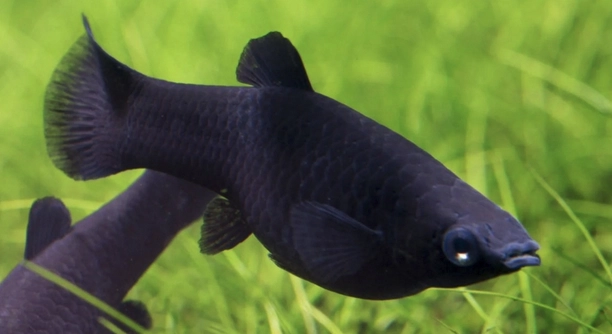
Keeping an aquarium can be a relaxing hobby, and many fish enthusiasts enjoy mixing different species for variety. Black Mollies and Goldfish are both popular choices that add color and movement to a tank.
Black Mollies and Goldfish have different water temperature and care requirements, making them generally incompatible for long-term cohabitation. While short-term interaction may be possible, maintaining ideal conditions for both species simultaneously is challenging and often stressful for the fish.
Learning the right setup for each species can make a big difference in their health and happiness, helping you enjoy a more balanced and thriving aquarium.
Understanding Black Molly and Goldfish Needs
Black Mollies are tropical fish that thrive in warm water, around 75–82°F, with slightly brackish conditions sometimes preferred. They enjoy swimming in mid-to-top levels of the tank and need plenty of plants or hiding spaces. Their diet is mostly flake food, algae, and small protein treats. Goldfish, on the other hand, are coldwater fish and do best in temperatures between 65–72°F. They are bottom dwellers that often stir up the substrate while searching for food, which can disturb more delicate plants and decorations. Goldfish produce more waste than Black Mollies, which requires stronger filtration and more frequent water changes. Mixing these species can lead to stress because of their conflicting temperature and habitat preferences. While both are hardy fish individually, combining them requires constant monitoring and compromises that may not provide the best quality of life for either. Understanding these differences is key to making informed decisions about tank mates and setup.
Mixing Black Mollies with Goldfish often leads to stress due to different temperature and care needs, which can impact growth and health over time.
For those who want to keep both species, it’s better to consider separate tanks or a divided aquarium. Maintaining proper water conditions for each fish type ensures they remain active, healthy, and display natural behavior. Observing their habits and adjusting feeding routines can prevent unnecessary aggression or illness. Even slight mismatches in temperature or water chemistry can lead to weakened immune systems, making fish more prone to disease. Over time, stress can reduce lifespan and affect breeding behavior, so careful planning is essential. Setting up appropriate filtration, monitoring water parameters, and providing adequate space will create a more balanced environment. While combining them is tempting, prioritizing each species’ needs ultimately leads to more satisfying care and a visually appealing aquarium. Proper tank management also makes routine maintenance easier and reduces surprises like sudden illness or algae overgrowth.
Tips for Safe Tank Setup
Separate tanks or partitions are the safest approach when housing Black Mollies and Goldfish together.
If using separate areas, ensure each section has the correct temperature, filtration, and diet. Mollies prefer planted areas, while Goldfish need open space to roam. Monitoring water quality regularly is critical for both species. For shared filtration, adjust flow and cleaning frequency to suit both tanks. Decorations should match swimming habits, and hiding spots help reduce stress. Feeding routines must accommodate different dietary needs. Using partitions allows observation of behavior without compromising health. Regular checks prevent water imbalance. With proper attention, both species can thrive, even in close proximity. Avoid overcrowding, as space is crucial for active swimming and maintaining oxygen levels. By planning carefully, the tanks remain clean, and each fish type can flourish, showing natural colors and activity. This approach also makes transitions or changes easier without causing shock or stress.
Water Temperature and Quality
Black Mollies need warmer water, ideally between 75–82°F, while Goldfish prefer cooler water around 65–72°F. This difference makes it difficult to keep them in the same tank without stressing one species. Water quality must be monitored closely to prevent health problems.
Keeping water clean and balanced is essential for both species. Goldfish produce a lot of waste, which can raise ammonia and nitrate levels quickly. Black Mollies are more sensitive to these changes and may develop stress-related diseases. Regular water testing, partial water changes, and strong filtration are necessary to maintain a safe environment for both types of fish. Temperature control is also crucial, and using heaters or chillers may help, but balancing the needs of both species simultaneously remains challenging.
Even with careful maintenance, mixed tanks often see stunted growth or weaker immunity in one species. Black Mollies may struggle in cooler water, while Goldfish can become overheated in warmer conditions. Feeding routines must be adjusted carefully, as Goldfish need more food and can outcompete Mollies. Observing behavior is key to spotting stress early, including reduced swimming activity or faded colors. Tank size should be generous to reduce aggression, and hiding spots are recommended to allow fish to retreat when stressed.
Diet and Feeding Differences
Black Mollies are omnivores, thriving on algae, flake food, and occasional protein treats, while Goldfish are primarily herbivorous and need larger, sinking pellets.
Goldfish often eat more than Mollies, which can lead to competition and uneven nutrition in a shared tank. Overfeeding Goldfish can quickly pollute the water, creating unsafe conditions for Mollies. Mollies need smaller, more frequent meals, while Goldfish benefit from larger, spaced-out feedings. Monitoring feeding times and quantities is critical to prevent stress and maintain health.
Feeding strategies for both species require planning and observation. Using separate feeding zones or timed feeding sessions can help Mollies get adequate nutrition without interference from Goldfish. Mollies benefit from occasional algae wafers or blanched vegetables, while Goldfish need sinking pellets to reach the bottom. Overfeeding either type increases waste and risks ammonia spikes, which can harm all tank inhabitants. Adjusting diet according to species needs ensures both fish maintain optimal health. Observing eating behavior also helps detect early signs of illness or malnutrition, allowing prompt correction. Consistent routines and attention to individual requirements make mixed tanks more manageable, though challenges remain.
Tank Size Considerations
Black Mollies are small and active, needing at least 20 gallons for a small group. Goldfish grow larger and require more space, ideally 30 gallons or more per fish. A shared tank often becomes cramped, causing stress and limited swimming areas.
Overcrowding increases aggression and competition for food. Black Mollies may hide or reduce activity, while Goldfish may become more dominant. Adequate space and careful planning are necessary to prevent long-term health problems and maintain a balanced environment for both species.
Behavioral Differences
Goldfish are slower and more methodical swimmers, often disturbing plants and substrate. Black Mollies are quick, agile, and prefer hiding spots to escape potential stress.
Filtration and Maintenance
Goldfish produce more waste than Black Mollies, requiring strong filtration and frequent water changes to keep ammonia and nitrate levels low.
Compatibility Summary
Due to differing temperature, diet, behavior, and waste production, Black Mollies and Goldfish are generally not suitable tank mates. Proper management is essential if attempting to house them together.
FAQ
Can Black Mollies and Goldfish live together long-term?
No, Black Mollies and Goldfish are not ideal long-term tank mates. Their temperature and habitat requirements differ significantly. Black Mollies need warmer, slightly brackish water, while Goldfish thrive in cooler, freshwater conditions. Keeping them together long-term often stresses one or both species, affecting health, growth, and lifespan.
Is it safe to put them in the same tank temporarily?
Short-term coexistence is possible if closely monitored. Make sure water parameters are stable and compatible, and observe both species for stress signs. Limit interaction periods to a few hours or days and avoid feeding at the same time. This reduces the risk of competition and illness.
What tank size is needed if I attempt a mixed setup?
A very large tank is required to reduce stress and competition. Black Mollies need at least 20 gallons for a small group, while Goldfish require 30 gallons per fish. Even in a large tank, separate zones or partitions are recommended to prevent conflicts and allow each species space to thrive.
How do I manage feeding for both species?
Separate feeding areas or timed sessions work best. Black Mollies need smaller, frequent meals of flake food, algae, or protein treats, while Goldfish require larger, sinking pellets. Overfeeding Goldfish can pollute the water, so monitor both quantity and type of food carefully to maintain proper nutrition.
Will water quality be a problem in a shared tank?
Yes, maintaining water quality is challenging. Goldfish produce more waste, which increases ammonia and nitrate levels, potentially harming Black Mollies. Strong filtration, regular water changes, and constant monitoring of water parameters are necessary to reduce stress and prevent disease in both species.
Do they display aggressive behavior toward each other?
Aggression is usually limited, but stress can trigger competition over food and space. Goldfish may outcompete Black Mollies during feeding, and Mollies may hide more frequently. Providing adequate hiding spots and open swimming areas helps reduce tension and ensures both species feel secure in the tank.
Can I adjust the water temperature to suit both?
Balancing temperature for both species is difficult. Warming water for Mollies may overheat Goldfish, while cooling for Goldfish stresses Mollies. If attempting a shared tank, a compromise temperature may work short-term, but it will not be optimal for either species long-term. Separate tanks are safer.
Are there health risks in keeping them together?
Yes, mixed tanks increase the risk of disease due to stress, water imbalance, and competition. Black Mollies are sensitive to poor water quality, while Goldfish are prone to fungal and bacterial infections. Observing behavior, monitoring water, and maintaining proper filtration reduces risks but cannot eliminate them entirely.
What is the best alternative to housing them together?
The safest approach is to keep Black Mollies and Goldfish in separate tanks or divided sections. This allows each species to thrive in its preferred conditions, simplifies maintenance, and prevents stress-related health issues. Separate tanks also make feeding routines and water care easier to manage.
Can partitions work in a shared aquarium?
Yes, partitions can allow proximity without direct interaction. Each side can maintain proper temperature, diet, and water conditions. Ensure partitions are secure, easy to clean, and allow sufficient space for swimming. Regular monitoring is still needed to ensure both species remain healthy and comfortable.
Are there signs that indicate stress in either fish?
Stress signs include faded colors, hiding, reduced swimming, erratic behavior, or loss of appetite. In Goldfish, lethargy and slower growth may appear. Mollies may stay near the surface or cling to plants. Observing these behaviors early allows timely intervention to adjust conditions or separate fish if needed.
How often should water changes be done in a mixed tank?
Frequent water changes are essential due to Goldfish waste and Mollies’ sensitivity. Partial water changes of 25–30% weekly help maintain safe ammonia and nitrate levels. Monitor parameters closely and adjust frequency if water quality declines. This practice reduces stress and keeps both species healthier.
Is it worth trying to keep them together?
For most people, it is not worth the effort. The differences in temperature, diet, and behavior make long-term coexistence stressful and risky. Separate tanks ensure each species thrives without compromise and make aquarium maintenance easier and more predictable.
Can young Goldfish and Mollies be kept together more easily?
Young fish may tolerate each other slightly better, but differences in growth rate and water needs still pose problems. As Goldfish grow faster and larger, they can outcompete Mollies for food and space. Early separation is still recommended to prevent long-term stress and health issues.
What equipment helps manage a mixed tank?
Strong filtration, heaters or chillers, thermometers, water testing kits, and partitions are essential. Heaters maintain warmer water for Mollies, chillers or cooler zones help Goldfish, and partitions allow separate swimming areas. Regular maintenance and careful observation remain crucial for success.
How do I monitor behavior effectively?
Observe feeding, swimming, and hiding patterns daily. Notice any fading colors, erratic movement, or aggression. Keep a journal of water parameters and behavior to detect changes early. Prompt action prevents stress-related illness and maintains a healthier environment for both species.
Are there better tank mates for each species?
Yes. Mollies do well with other tropical fish like guppies, platies, or tetras. Goldfish thrive with other coldwater species such as white cloud minnows or certain types of loaches. Choosing compatible tank mates reduces stress and simplifies care, ensuring healthier, more active fish.
How can I make transitions safer if moving them between tanks?
Acclimate fish slowly by floating them in the new tank, gradually mixing water from both tanks over 15–30 minutes. This reduces shock from temperature, pH, or chemistry differences. Even small changes can stress fish, so patience and careful observation are key during transitions.
What are the signs that the tank setup is working?
Healthy fish show bright colors, regular swimming, normal feeding behavior, and social interaction appropriate to their species. Water parameters remain stable, and plants or decorations stay intact. Any deviation may indicate stress or poor conditions that require adjustments.
How often should I check water parameters?
Check water parameters at least once a week for ammonia, nitrite, nitrate, and pH. More frequent monitoring may be needed in mixed or heavily stocked tanks. Consistent checks help prevent problems before they affect the fish’s health.
Can stress affect breeding in Black Mollies?
Yes, stressed Mollies may not breed or may produce fewer, weaker fry. Goldfish presence, overcrowding, or unsuitable water conditions reduces reproductive activity. Maintaining ideal conditions and separating species improves chances of successful breeding.
What’s the best overall approach for someone with both species?
Separate tanks or partitioned aquariums are safest. Focus on proper water conditions, diet, space, and observation. Trying to force coexistence often leads to stress, illness, or shorter lifespans. Prioritizing each species’ needs ensures long-term health and activity.
Can decorations or plants help reduce stress?
Yes, hiding spots, tall plants, and gentle tank decorations allow Mollies to retreat when stressed. Goldfish prefer open swimming areas but benefit from soft substrate and sturdy plants. Thoughtful decoration reduces tension and supports natural behavior in both species.
Are there temperature-tolerant species that could replace Mollies with Goldfish?
Yes, some coldwater species like White Cloud Minnows or certain types of Danios tolerate the same temperatures as Goldfish. These species are more compatible and reduce the challenges of mixed tropical and coldwater tanks, making maintenance simpler.
How do I know if water filtration is strong enough?
A strong filter should clear debris quickly, maintain oxygenation, and keep ammonia and nitrite levels near zero. Observe water clarity, test parameters regularly, and adjust flow or upgrade filters as needed to support the higher waste output of Goldfish while protecting Mollies.
Is it necessary to cycle a tank for each species separately?
Yes. Each species thrives in slightly different water chemistry. Cycling ensures stable ammonia, nitrite, and nitrate levels before introducing fish. Proper cycling reduces stress, illness, and mortality, making acclimation smoother and tank management more predictable.
What long-term problems occur if they’re kept together despite risks?
Chronic stress, slower growth, weakened immune systems, and higher disease susceptibility are common. Mollies may fail to thrive in cooler water, while Goldfish may suffer from overheating. Mixed tanks often require constant maintenance and monitoring, making long-term success unlikely without separation.
Are there signs that one species is dominating the tank?
Yes, dominance shows through aggressive feeding, chasing, or monopolizing swimming areas. Mollies may hide excessively, while Goldfish may appear more robust or assertive. Regular observation helps prevent stress and allows corrective measures, such as adding partitions or adjusting feeding strategies.
Can shared water treatments be harmful?
Some treatments, like salt or certain medications, affect species differently. Mollies tolerate mild salt, while Goldfish may be sensitive. Always research treatments and use species-safe products to avoid stress or health problems in a mixed tank.
How do I maintain stable pH levels for both species?
Black Mollies prefer slightly alkaline water, while Goldfish tolerate neutral to slightly alkaline levels. Regular testing, water changes, and buffering agents can help maintain a compromise pH. Avoid sudden shifts, as rapid changes can stress both species.
What is the maximum number of each species in a shared tank?
Even in large tanks, keep numbers low to reduce stress. A small group of 3–5 Mollies and 1–2 Goldfish per large tank may be feasible temporarily, but overcrowding leads to aggression, poor water quality, and health issues. Lower stocking densities improve long-term outcomes.
Can temperature fluctuations be managed effectively?
Small fluctuations can be tolerated, but consistent temperature control is crucial. Heaters for Mollies and cooler zones for Goldfish help, but extreme differences still stress one species. Separate tanks remain the safest solution for maintaining ideal conditions.
Is quarantine recommended before mixing species?
Yes, quarantining new fish reduces disease transmission and allows observation for signs of stress or illness. Quarantine tanks provide a controlled environment to acclimate fish before introducing them, even if they will be separated by partitions.
Are there behavioral signs indicating compatibility issues?
Signs include excessive hiding, erratic swimming, chasing, faded colors, or refusal to eat. Observing these behaviors early allows intervention to separate species or adjust tank conditions before stress becomes severe.
How do I handle sudden illness in a mixed tank?
Immediate isolation of the sick fish is critical. Treat according to species-specific needs and monitor water parameters. Mixed tanks make treatment tricky, so separation often simplifies medication and prevents stress or chemical sensitivity in the other species.
What maintenance routines help prevent issues in mixed tanks?
Regular water changes, filter cleaning, temperature checks, and monitoring feeding behavior are essential. Observe fish daily for stress signs. Consistent routines minimize problems and improve overall tank health, though separate tanks are always safer for long-term care.
How often should I check for algae or plant damage?
Weekly checks help detect early signs of overgrowth or plant disruption, especially since Goldfish dig in substrates. Addressing algae promptly prevents water quality problems and ensures hiding spots remain intact for Mollies.
Can both species live together successfully with effort?
Short-term coexistence is possible with careful monitoring, temperature compromise, feeding adjustments, strong filtration, and hiding spots. Long-term, however, stress, water quality, and behavioral differences make it very difficult to maintain a healthy environment for both. Separate tanks are the most reliable solution.
Do water hardness preferences differ?
Yes, Mollies prefer slightly harder water, while Goldfish tolerate softer water. Testing and adjusting water hardness is necessary if mixing them, but compromises may not fully satisfy either species’ optimal conditions.
Are there signs that indicate diet imbalance?
Mollies may appear thin, faded, or inactive if they receive inadequate nutrition. Goldfish may overeat, leading to bloating or digestive problems. Observing feeding behavior and adjusting food type or portion size prevents long-term health issues in mixed tanks.
Can both species thrive in brackish water?
Goldfish cannot tolerate brackish water. Black Mollies may benefit from mild salinity, making shared tanks difficult. Maintaining freshwater is safer for Goldfish, but this reduces the ideal environment for Mollies, further emphasizing the challenges of mixing these species.
How do I prevent disease outbreaks in a mixed tank?
Quarantine new fish, maintain clean water, feed appropriate diets, and avoid overcrowding. Early detection of illness, proper filtration, and careful observation reduce risk, but mixed species tanks remain more vulnerable due to differing needs and stress levels.
Are there specific plants that work for both species?
Hardy plants like Java Fern, Anubias, and Hornwort tolerate Goldfish digging and Mollies’ activity. Soft or delicate plants may be uprooted or eaten. Plant choice helps provide hiding spots and maintain water quality, benefiting both species.
Can temperature-resistant equipment improve compatibility?
Heaters, chillers, and thermostats can help regulate temperature for short-term coexistence. However, long-term compatibility issues persist because each species still prefers significantly different temperatures, making equipment only a partial solution.
Is it possible to keep breeding Mollies with Goldfish in the same tank?
Breeding Mollies in a shared tank is risky. Stress from Goldfish presence may reduce fry survival and adult health. Separate breeding tanks ensure fry safety, proper water conditions, and minimal stress for both adults and offspring.
Do tank decorations influence stress levels?
Yes, providing plants, rocks, and hiding spaces reduces stress for Mollies, allowing retreat from Goldfish. Goldfish prefer open areas but can tolerate decorations. Thoughtful arrangement supports natural behaviors and reduces tension in shared tanks.
How can I safely rehome one species if needed?
Find a suitable tank with proper conditions or contact local aquarists or fish stores. Avoid sudden transfers; acclimate slowly to prevent shock. Safe rehoming ensures both species remain healthy and reduces long-term stress.
Is monitoring swimming patterns effective for stress detection?
Yes, irregular movement, hiding, or lethargy indicates stress. Daily observation allows early intervention and helps prevent illness, especially in mixed tanks where one species may dominate or influence the other negatively.
How do I ensure proper oxygen levels in a mixed tank?
Use strong filtration, air stones, or surface agitation to maintain oxygen levels. Overcrowding or Goldfish waste can reduce oxygen, stressing Mollies. Proper aeration supports healthy activity and reduces competition for oxygen in shared tanks.
Are there signs that water chemistry needs adjustment?
Cloudy water, unusual fish behavior, algae spikes, or plant deterioration suggest water chemistry issues. Regular testing for ammonia, nitrites, nitrates, pH, and hardness helps detect problems early and maintain a safe environment for both species.
Can temporary coexistence teach fish to adapt?
Short exposure may allow observation of interactions, but it does not make long-term coexistence safe. Fish may tolerate each other briefly, but stress and health risks persist without proper separation and care.
How do I choose compatible tank mates for each species instead?
Select species with similar temperature, diet, and behavior needs. Mollies pair well with tropical livebearers or small peaceful fish, while Goldfish thrive with coldwater species. Compatibility reduces stress, improves health, and simplifies maintenance.
Is constant observation required for mixed tanks?
Yes, mixed tanks need daily checks for feeding, swimming behavior, hiding, water quality, and temperature. This vigilance is crucial to prevent stress, aggression, or illness due to differences in species requirements.
Can water conditioners help in mixed tanks?
Conditioners can neutralize chlorine, chloramine, and heavy metals but cannot resolve species-specific temperature or salinity needs. They support water safety but do not eliminate compatibility issues inherent in mixing Mollies and Goldfish.
Do stress-reducing techniques work for both species?
Hiding spots, gentle water flow, proper feeding, and stable temperatures reduce stress, but cannot fully overcome conflicting needs. Separate or partitioned tanks remain the most effective approach to ensure both species thrive.
Are there visual signs that indicate one species is suffering?
Faded colors, clamped fins, erratic swimming, hiding, or reduced appetite indicate stress. Mollies often show inactivity near the surface, while Goldfish may slow movement or appear bloated. Observing these signs early allows corrective action.
What long-term care strategies improve health in a mixed tank?
Frequent water changes, strong filtration, species-specific feeding, hiding spots, temperature monitoring, and observation reduce stress. Despite these measures, differences in needs make separate tanks or partitions the most reliable long-term solution.
Are there environmental enrichment strategies for both species?
Providing plants, caves, and varied feeding areas helps reduce stress. Mollies use hiding spaces, while Goldfish enjoy open areas with soft substrates. Thoughtful enrichment encourages natural behaviors and improves overall well-being, though tank limitations remain.
How does stress affect lifespan in mixed tanks?
Chronic stress shortens lifespan, reduces immunity, and can stunt growth. Mollies and Goldfish under continuous stress may develop illnesses or die prematurely. Minimizing stress through proper separation and care is essential for long-term health.
What are the common mistakes when trying to house them together?
Mistakes include overcrowding, neglecting temperature differences, improper feeding, weak filtration, and ignoring stress signs. These factors compromise health and make cohabitation unsafe for either species. Awareness and careful planning prevent these issues.
Can acclimation improve compatibility?
Acclimation helps reduce initial shock, but it cannot fully resolve differences in temperature, diet, or behavior. Long-term coexistence still presents challenges, making separate environments preferable for sustained health and activity.
Are there signs of overfeeding specific to Goldfish?
Bloating, lethargy, and floating issues indicate overfeeding. Excess food also pollutes water, increasing ammonia and nitrate levels that can harm Mollies. Careful portion control is essential in mixed tanks.
How important is lighting in a mixed tank?
Lighting supports plant growth, regulates fish activity, and affects stress levels. Mollies appreciate moderate lighting for plants and algae, while Goldfish prefer open areas with softer light. Balanced lighting benefits both species’ well-being.
What is the best way to test water parameters regularly?
Use reliable test kits for ammonia, nitrite, nitrate, pH, and hardness. Test weekly, more often in mixed or heavily stocked tanks. Accurate readings guide water changes, treatment, and feeding adjustments, keeping both species safe.
Can partitions create a completely stress-free environment?
Partitions reduce direct interaction and provide separate zones, but stress may still occur if water parameters, temperature, or diet are compromised. Proper setup and monitoring remain essential.
Is it better to focus on one species per tank?
Yes. Dedicated tanks allow ideal conditions for each species, simplify care, and reduce stress and health risks. This approach
Keeping Black Mollies and Goldfish together can seem appealing, but it comes with many challenges. Their basic needs differ significantly, from water temperature to diet and swimming habits. Black Mollies are tropical fish that thrive in warmer water and slightly brackish conditions, while Goldfish are coldwater fish that prefer cooler, freshwater environments. Trying to satisfy both species in a single tank often leads to stress, slower growth, and weaker immune systems. Even with careful monitoring, the differences in temperature and water chemistry make long-term coexistence difficult. Over time, one or both species may struggle to stay healthy, and the risk of disease or early mortality increases. While short-term interaction is sometimes possible, it is not a reliable or safe long-term solution.
Feeding and behavior also create complications in a shared tank. Black Mollies are quick and agile, requiring smaller, frequent meals like algae, flake food, or small protein treats. Goldfish are slower bottom feeders that need larger sinking pellets and tend to eat more than Mollies. In a shared tank, competition for food can leave Mollies undernourished and stressed. Goldfish are also heavier waste producers, which can quickly impact water quality. Maintaining clean water with strong filtration and frequent partial changes becomes essential but still does not fully resolve the differences between these species. Behavioral differences, such as Goldfish disturbing plants and substrate while Mollies prefer calmer areas with hiding spaces, add another layer of challenge. Even a large tank with thoughtful decorations may not completely prevent stress or aggression.
The most practical approach for keeping both species is to provide separate tanks or use a partitioned aquarium. This allows each species to live in its preferred conditions, including water temperature, diet, swimming space, and environmental enrichment. Black Mollies can thrive in warmer, planted areas, while Goldfish benefit from open swimming space and cooler water. Separate tanks also make feeding, cleaning, and monitoring easier and more effective. While it may seem convenient to house both together, prioritizing their individual needs ensures longer, healthier lives. Focusing on proper care and observation for each species creates a more balanced aquarium, reduces stress, and prevents many common health problems. Ultimately, respecting their differences and providing suitable environments is the best way to keep Black Mollies and Goldfish happy and healthy.

Hello,
If you enjoy the content that we create, please consider saying a "Thank You!" by leaving a tip.
Every little bit helps us continue crafting quality advice that supports the health, happiness, and well-being of pets around the world, for pets of all shapes, sizes, and species.
We really appreciate the kindness and support that you show us!