
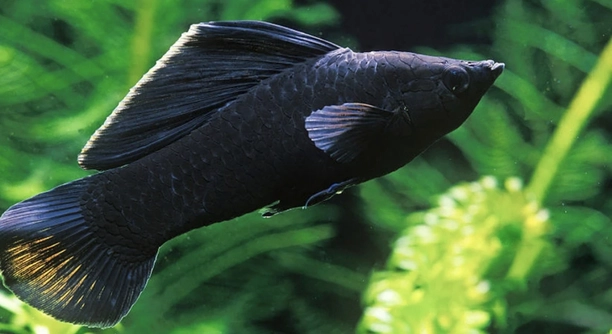
Black Mollies are popular freshwater fish, often kept for their peaceful nature and adaptability. Many aquarists wonder about their comfort in different water conditions and how to create an environment where they can thrive safely.
Black Mollies do not naturally prefer fast-flowing water. They are more comfortable in calm to moderately flowing aquariums where they can swim freely without struggling. Strong currents can stress them and affect their overall health and behavior.
Knowing the right water flow is essential for their well-being. Proper setup ensures your Black Mollies stay healthy, active, and show their best colors.
Understanding Black Molly Behavior
Black Mollies are active fish but prefer stability in their environment. They enjoy swimming around plants, rocks, and open spaces without being pushed by strong currents. Observing their movements can reveal how comfortable they are with water flow. In fast-flowing water, they may spend more energy just holding position, which can tire them out. Over time, constant swimming against a current may affect their appetite and overall health. Providing gentle water movement allows them to explore freely while maintaining energy for growth and reproduction. It also reduces stress, which is crucial because stressed fish are more susceptible to disease. Temperature, pH, and salinity levels also play a role in their comfort, so it’s important to maintain these factors alongside water flow. Adjusting the filter or adding flow-reducing structures like plants can help balance movement in the tank. Observing your fish closely helps you notice if changes in the current are causing discomfort.
Proper water flow improves their daily activity without causing exhaustion or stress.
Creating a balanced environment means monitoring current patterns and adjusting tank decorations. Plants, caves, and driftwood can break strong currents, giving Black Mollies areas to rest. Regularly checking flow rates ensures they remain at a level that encourages natural swimming behavior without forcing them to struggle. Combining calm water with moderate movement promotes oxygen circulation and prevents stagnant areas, which can harbor bacteria. In my own tank, adding a few tall plants near the filter outlet reduced current speed, and my Mollies began exploring more and feeding eagerly. This shows that small adjustments can make a big difference. Water flow isn’t just about comfort—it influences behavior, growth, and long-term health. By understanding how Mollies interact with their environment, you can create a tank that supports their natural instincts while keeping them active and thriving. Regular observation and minor adjustments make care more effective and rewarding.
Adjusting Flow in Your Aquarium
Slowing water flow can prevent unnecessary stress and help your fish feel secure.
To adjust flow, consider repositioning your filter or using a sponge attachment. Adding decorations like plants, rocks, or driftwood can break up currents, creating calmer pockets where fish can rest. Monitor how your Mollies respond to these changes, and make further adjustments if they appear tired or avoid certain areas. It’s important to balance flow for oxygen circulation while keeping swimming areas comfortable. Overly strong currents may force them to work harder than needed, affecting feeding habits and growth. Observing daily behavior provides insight into whether modifications are effective. Patience is key, as Black Mollies may take a few days to adapt to new water movement. Regular checks on tank flow and water quality ensure they remain in optimal conditions.
Tank Setup for Black Mollies
Black Mollies need space to swim freely, so a wider tank is better than a tall, narrow one. Decorations and plants help reduce strong currents, giving them areas to rest and explore comfortably.
Arranging the tank with plants, rocks, and driftwood creates natural hiding spots and calm zones. Placing taller plants near the filter outlet slows water movement and gives fish places to rest. Open swimming areas are important for exercise and maintaining their health. Regularly checking tank layout ensures they have enough space and comfort. In my experience, adjusting decorations slightly can make Mollies more active and less stressed, as they explore without fighting strong currents or crowded areas. Proper arrangement directly impacts their behavior, feeding, and overall wellbeing.
Maintaining consistent water parameters is crucial alongside tank setup. Black Mollies thrive in slightly brackish water with stable temperature and pH. Sudden changes can cause stress, affecting growth and color. Keeping the tank balanced and decorations positioned thoughtfully helps mimic their natural conditions and reduces strain caused by strong currents. Observing their swimming patterns reveals how well they adapt, letting you tweak flow and layout for optimal comfort.
Feeding and Activity Levels
Black Mollies need a varied diet to stay healthy and active. High-quality flakes, frozen, and live foods keep them energized.
Feeding small amounts multiple times a day prevents overfeeding and keeps water clean. Active fish respond better to feeding when currents are manageable, as they expend less energy swimming against strong flow. In my tank, splitting meals into two or three portions has encouraged more consistent eating habits. Watching their movement during feeding can reveal if they are stressed or comfortable. Adjusting water flow slightly near feeding areas helps ensure all fish can access food easily. Consistent feeding paired with proper flow encourages natural activity, vibrant colors, and steady growth.
Water Temperature Considerations
Black Mollies prefer stable temperatures between 75°F and 82°F. Sudden changes can stress them, making them more prone to illness. Maintaining consistency is key to keeping them healthy and active.
Heaters with reliable thermostats help prevent temperature swings. Observing your fish for signs of discomfort, such as sluggish swimming, can indicate that water is too cold or too warm.
Salinity and Mineral Balance
Adding a small amount of aquarium salt can benefit Black Mollies. They naturally tolerate slightly brackish water, which supports gill function and overall health. Avoid over-salting, as excessive salt can harm freshwater plants and invertebrates. Regular testing ensures safe levels and keeps fish thriving.
Observing Stress Signs
Watch for rapid gill movement, clamped fins, or hiding. These are signs that water flow or environment may be uncomfortable. Adjusting conditions promptly helps reduce stress and keeps Black Mollies active and healthy.
FAQ
Do Black Mollies need fast water to stay healthy?
Black Mollies do not require fast-flowing water. They are more comfortable in calm to moderately flowing aquariums. Strong currents can make them expend too much energy and lead to stress. Gentle water movement helps oxygenate the tank without forcing them to fight the flow.
Can Black Mollies live in a high-flow filter tank?
High-flow filters can be stressful for Black Mollies if there are no areas to rest. Using plants, driftwood, or rocks near the filter outlet slows the current. Creating calm pockets allows them to swim freely and rest without struggling. Adjusting flow rates ensures a healthier environment.
How can I tell if my Mollies are stressed by water flow?
Signs of stress include clamped fins, rapid gill movement, hiding, and lethargy. Fish may avoid strong currents or struggle to stay in place. Observing their behavior daily helps you know when adjustments to water flow or tank layout are needed.
Is slightly brackish water better for Black Mollies?
Yes, Black Mollies tolerate slightly brackish water, which can improve gill function and overall health. Adding a small amount of aquarium salt benefits them, but over-salting can harm freshwater plants and other tank inhabitants. Regular testing keeps salt levels safe.
Do Black Mollies need temperature changes to thrive?
They prefer stable temperatures between 75°F and 82°F. Sudden changes can stress them and weaken their immune system. Using a reliable heater with a thermostat maintains consistency. Observing behavior, like sluggish swimming, can indicate if the temperature is unsuitable.
Can fast water affect feeding habits?
Strong currents can make it difficult for Black Mollies to reach food. Splitting meals into smaller portions and placing them in calmer areas ensures all fish eat properly. Proper flow near feeding zones promotes better appetite and healthy growth.
Will fast water improve their activity levels?
Not necessarily. Excessive currents can tire them and reduce natural activity. Moderate flow allows swimming without stress, encouraging more natural exploration and consistent movement around the tank.
Are there tank decorations that help with flow issues?
Yes, plants, rocks, and driftwood can break strong currents. Tall plants near filter outlets create calm pockets where fish can rest. Rearranging decorations slightly can make Mollies more comfortable and active, helping them adjust to water movement naturally.
Do Black Mollies need a bigger tank for slow water?
A wider tank is more beneficial than a tall one because it provides ample space to swim freely. Slow water combined with enough swimming area supports exercise, health, and natural behavior. Overcrowding or narrow tanks can increase stress regardless of flow speed.
How often should I check water flow?
Regular observation is essential. Watch how your Mollies move and feed daily. Minor adjustments to filter placement, flow rate, or decorations can prevent stress and ensure an optimal environment. Consistent monitoring keeps fish healthy and prevents long-term problems.
Can flow changes affect breeding?
Yes, strong currents can interfere with breeding behavior. Black Mollies prefer calm water to spawn successfully. Providing gentle flow and areas to hide supports mating and fry survival, while turbulent water can reduce success rates and increase fry mortality.
Is it okay to mix Mollies with fish that like strong currents?
Mixing species with very different flow preferences can cause stress. Mollies may struggle while faster-flow fish dominate swimming areas. Creating zones with varied flow helps both types coexist, but it requires careful tank setup and observation.
Do Mollies adapt to stronger currents over time?
They can adapt to moderate changes gradually, but sudden increases in flow can be harmful. Gradual adjustments allow their swimming muscles to strengthen while minimizing stress, keeping them healthy and active.
How important is oxygenation compared to water flow?
Oxygenation is crucial, but it does not require fast water. Gentle currents combined with aeration or proper filtration provide sufficient oxygen without stressing Mollies. Balancing oxygen levels and water movement supports overall health effectively.
Can fast-flow water cause disease in Black Mollies?
Indirectly, yes. Stress from strong currents can weaken immunity, making them more prone to infections. Keeping water flow moderate and maintaining good water quality reduces risk, supporting long-term health and vibrant coloration.
What is the ideal flow level for a community tank with Black Mollies?
Moderate flow with calm pockets works best. This allows other species to swim comfortably while keeping Mollies stress-free. Adjusting decorations, filter outlets, and plant placement can achieve a balance that satisfies all tank inhabitants.
Do Mollies need special care during flow changes?
Yes. Introducing new decorations, filters, or pumps should be done gradually. Observing their reaction ensures they adjust well. Stress signs indicate the need for further adjustments. Proper pacing prevents fatigue and keeps them healthy in changing conditions.
Can fast water affect their lifespan?
Constant struggle against strong currents can shorten lifespan by causing chronic stress. Providing gentle flow, safe swimming areas, and stable water parameters contributes to longevity and overall well-being. Regular monitoring helps ensure conditions remain supportive.
Is water chemistry affected by strong currents?
Flow itself doesn’t change chemistry, but strong currents can disturb substrate, releasing waste and affecting pH or hardness. Balanced flow combined with regular maintenance helps maintain stable conditions, preventing health issues and stress in Black Mollies.
How do I balance flow for multiple species?
Use zones of different flow intensity. Plants, driftwood, and rocks can create calm areas for Mollies while allowing faster-flow species to swim freely. Observation and adjustment ensure all fish can access food, rest, and explore safely.
Black Mollies are resilient and adaptable fish, but their comfort in the aquarium depends largely on water flow and environmental setup. Unlike some species that thrive in fast-moving streams, Mollies prefer calm to moderate currents where they can swim without excessive effort. Providing a tank that balances gentle water movement with areas to rest and explore helps reduce stress and supports their natural behaviors. Decorations like plants, rocks, and driftwood are more than just aesthetic—they create pockets of slower water and hiding spots, giving Mollies the chance to navigate the tank safely and feel secure. Paying attention to their swimming patterns, feeding habits, and interactions with other tank inhabitants can reveal if the water flow is suitable or needs adjustment.
Maintaining proper water parameters alongside flow is equally important. Black Mollies thrive in slightly brackish water with stable temperature and pH levels. Sudden fluctuations in temperature, salinity, or other chemical conditions can cause stress, even if the water flow is ideal. Using a reliable heater and monitoring salt levels helps ensure the tank remains consistent, supporting both their health and activity levels. Over time, keeping these conditions stable allows Mollies to display brighter colors, active swimming, and regular feeding behaviors. Minor adjustments in tank setup—such as moving plants closer to the filter outlet or rearranging rocks—can have a noticeable impact, creating calmer areas that promote comfort and natural behavior. These small, thoughtful changes contribute significantly to long-term well-being.
Feeding routines and tank maintenance also play a key role in keeping Black Mollies healthy and stress-free. Splitting meals into small portions throughout the day prevents overfeeding and allows all fish to access food, especially in areas with moderate currents. Observing their reactions during feeding and daily swimming activities helps identify stress or discomfort. Regular cleaning and monitoring of flow patterns, combined with consistent water testing, ensures a safe environment. By understanding their preferences for calm swimming areas, stable water parameters, and balanced diets, Mollies can thrive in home aquariums. Creating a well-thought-out tank setup that accounts for flow, space, and comfort not only promotes healthier fish but also makes caring for them easier and more enjoyable. Over time, a carefully maintained environment allows Black Mollies to live longer, remain active, and display their natural behaviors, making them rewarding and fascinating fish to keep.

Hello,
If you enjoy the content that we create, please consider saying a "Thank You!" by leaving a tip.
Every little bit helps us continue crafting quality advice that supports the health, happiness, and well-being of pets around the world, for pets of all shapes, sizes, and species.
We really appreciate the kindness and support that you show us!