
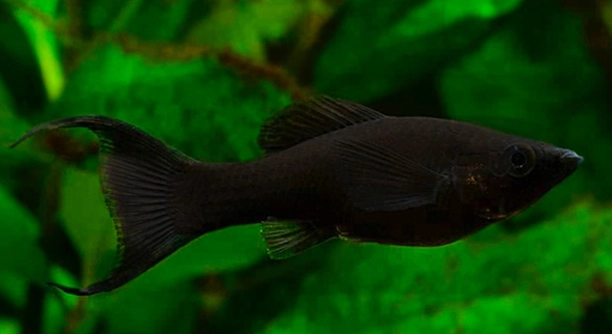
Black mollies are small, peaceful fish that often attract attention for their unique behavior. Many owners notice them lingering near plants, rocks, or decorations, adding charm to aquariums and sparking interest in their habits.
Black mollies tend to stay close to a single object due to a combination of security and environmental preference. Objects provide shelter, reduce stress, and create a consistent point of reference in their habitat, supporting their natural instincts and comfort.
Observing this behavior can help owners create a more suitable environment and better understand their fish’s needs. Small adjustments can make a noticeable difference in their daily activity and well-being.
Reasons Black Mollies Stick to One Spot
Black mollies often cling to a specific object because it provides safety and familiarity. In a tank, wide-open spaces can feel threatening, so having a consistent place helps them feel secure. Rocks, plants, or decorations mimic natural hiding spots they would use in the wild. Temperature and water flow around the object can also influence their choice. Some objects create calm areas with less current, allowing fish to conserve energy. Mollies are social but also cautious, so a single object can act as a reference point for comfort. Younger or newly introduced mollies are especially likely to stay near one object while adjusting to their surroundings. Observing which objects attract them can help identify stress points or preferences. Tank layout, lighting, and nearby tank mates may also affect how often and why mollies choose to remain close to a particular object.
This attachment is mostly about feeling safe and reducing stress in a constantly moving environment.
Providing consistent objects helps mollies feel more stable. Over time, they may explore more once comfortable with their surroundings. Watching them interact with these objects gives insight into their natural instincts and preferences. Choosing the right type of object and placing it thoughtfully in the tank ensures mollies can relax, feed, and swim without feeling overwhelmed. The object acts as a refuge, creating a sense of control in their environment. It is important to monitor water quality and space around the object, as overcrowding or debris can reduce the mollies’ comfort. By understanding these behaviors, owners can adjust the tank layout to better suit the fish’s needs. This small attention to detail can make a noticeable difference in their overall activity and health. Mollies that feel secure are more likely to thrive, swim confidently, and interact appropriately with tank mates, showing natural behaviors that are enjoyable to observe.
Creating a Comfortable Tank Setup
Choosing the right object encourages black mollies to feel secure.
Tank setup is crucial to how black mollies behave. Objects like smooth rocks, dense plants, or safe ornaments provide hiding spots and reduce stress. Proper placement ensures water flow is balanced, preventing currents from overwhelming the fish. Lighting and tank size also matter; too bright or cramped spaces can make mollies cling to one spot excessively. Regularly observing their behavior can indicate whether adjustments are needed. Introducing multiple objects allows mollies to choose their favorite, giving them options without forcing them to stay in one corner. Monitoring interactions with other tank mates is important because dominant fish may push mollies toward their chosen object. Keeping water clean and maintaining stable temperatures further encourages comfort. Simple changes in layout can lead to more natural swimming patterns, reduce stress, and support their overall health. A thoughtful tank design reflects the mollies’ instincts, helping them feel safe, active, and engaged in their environment.
Observing Natural Instincts
Black mollies often stay close to one object as part of their instinct to feel protected. In a tank, objects mimic the hiding places they would use in nature. Staying near a familiar spot helps them remain calm and reduces stress.
Watching their interaction with objects shows clear patterns. Mollies may hover, nibble, or rest near the same spot repeatedly. This behavior indicates comfort, territory awareness, and sometimes even curiosity about their surroundings. Changes in water flow, lighting, or nearby tank mates can shift these patterns. Observing carefully allows owners to see preferences and identify objects that offer the most security. A consistent object also gives them a reference point for exploring other areas gradually. Over time, mollies may expand their range but still return to their favorite spot for reassurance.
Stress, fear, and environmental factors influence this behavior. Sudden movements outside the tank or strong currents inside can make mollies retreat to their preferred object. Overcrowding may also drive them toward a specific area. The material and shape of the object matter—smooth rocks or dense plants feel safer than open or sharp-edged decorations. Providing multiple safe options encourages exploration while maintaining a secure anchor point. Mollies naturally seek balance between activity and rest, making a single object both a comfort and a strategic choice in their daily routine.
Enhancing Tank Comfort
Providing familiar objects reduces stress and encourages natural behavior in black mollies, helping them thrive. Careful placement ensures safety and accessibility.
Tank layout and decoration impact mollies’ comfort significantly. Objects that break up open space create zones for resting, hiding, or social interaction. Mollies feel safer when these zones are predictable and stable. Plants or rocks placed near gentle currents offer energy-saving spots for swimming. Ensuring that objects are not overcrowded allows multiple fish to access them without competition. Lighting should be balanced, avoiding overly bright areas near their preferred spots, as excessive light can cause stress. Temperature consistency around these objects also matters, as mollies are sensitive to sudden fluctuations. Adjusting the tank thoughtfully can improve overall activity levels and reduce anxiety, promoting healthier, more confident fish.
Comfortable objects not only serve as shelters but also encourage exploration and play. By strategically positioning these items, mollies can move safely between resting areas and open water. Observing which objects they prefer helps determine ideal placement for feeding, swimming, and socializing. Over time, this can reduce aggression or territorial disputes, as each fish has identifiable spaces. Smooth surfaces prevent injury, while plants provide visual and physical barriers that mollies instinctively appreciate. Tank mates interact more peacefully when safe zones are available, reducing stress-related behaviors. A well-considered tank setup reflects the mollies’ natural instincts, creating a balanced environment where they can feel secure, active, and comfortable daily.
Choosing the Right Object
Black mollies are drawn to objects that feel safe and stable. Smooth surfaces, dense plants, or solid decorations provide comfort. Positioning these items in calm areas helps them feel secure and reduces stress, encouraging natural behavior without forcing them into open or exposed spaces.
The size and shape of the object matter. Small, crowded, or sharp-edged items may be avoided. Mollies prefer objects they can hover near, touch lightly, or partially hide behind. Objects that allow observation of their surroundings without feeling exposed are ideal. Proper placement ensures accessibility while creating a secure anchor point, supporting both resting and swimming activities.
Monitoring Behavior Patterns
Observing how black mollies interact with their chosen object reveals important behavioral cues. They may spend most of their time near it, return frequently after exploring, or use it to retreat when stressed. Recognizing these patterns helps owners adjust the tank environment effectively.
Benefits of Consistent Environment
A stable, predictable setup reduces stress and supports the mollies’ health. Consistent objects and locations help them feel secure, promote normal activity, and improve overall well-being.
FAQ
Why do black mollies stay near one object so often?
Black mollies stay close to a single object primarily for safety and comfort. In a tank, wide-open areas can feel exposed. Rocks, plants, or decorations mimic natural hiding spots. Being near a consistent object helps them feel secure and reduces stress, allowing them to rest or observe their surroundings safely.
Is it normal for black mollies to barely leave their chosen object?
Yes, this behavior is common, especially in new or young mollies. They often need time to adjust to a new tank. Staying near a familiar object provides a safe zone. As they become more comfortable, they may explore other areas but still return to their preferred spot for reassurance.
Do tank conditions affect how often mollies cling to an object?
Absolutely. Water temperature, flow, lighting, and tank size influence their behavior. Strong currents or bright lights may push mollies toward calmer zones. Overcrowding or aggressive tank mates can also cause them to stick to one object. Maintaining stable conditions reduces stress and encourages more natural swimming patterns.
Can the type of object make a difference?
Yes. Mollies prefer smooth surfaces and objects that offer partial shelter. Dense plants, curved rocks, or solid decorations are ideal. Sharp-edged or unstable items can be avoided. Choosing appropriate objects ensures safety, reduces stress, and supports their natural instincts for resting, hiding, and observing the environment.
Should I provide multiple objects or just one?
Providing multiple objects is beneficial. Mollies can choose their favorite spot while still having options for variety. Multiple objects reduce competition among tank mates and encourage exploration without forcing the fish into open areas. Over time, they may rotate between objects, balancing security with activity.
Do black mollies get stressed if their object is moved?
Yes, moving an object can cause temporary stress. Mollies rely on familiar objects as reference points in their environment. Changing placement suddenly can make them hesitant to explore or eat. Gradual adjustments are better if tank layout changes are necessary, allowing fish to adapt comfortably.
How can I tell if my mollies are stressed?
Signs of stress include hiding excessively, swimming erratically, clinging to one spot, or losing appetite. Stress can result from poor water quality, aggressive tank mates, or sudden changes in the environment. Observing their behavior near objects helps identify comfort levels and potential stressors.
Can providing the right objects improve health?
Yes. Objects that create secure zones reduce anxiety and encourage normal activity, feeding, and social interactions. Stress reduction helps mollies maintain proper immunity, coloration, and growth. A thoughtful tank setup with suitable objects supports both physical and behavioral well-being.
Do mollies ever change their preferred object?
Sometimes. Mollies may switch objects if conditions change, such as water flow, tank layout, or interactions with other fish. They may explore new objects gradually but often retain a favorite. Observing changes helps owners adjust the environment to maintain comfort and security.
Is it necessary to clean or maintain the objects regularly?
Yes. Algae buildup or debris can make objects less appealing or unsafe. Cleaning objects ensures they remain safe, reduces bacteria, and maintains water quality. Proper maintenance keeps mollies comfortable and encourages them to continue using these areas as resting and hiding spots.
How does tank size influence their behavior around objects?
Smaller tanks may limit options, causing mollies to cling to one object more frequently. Larger tanks allow more exploration but still encourage returning to favorite objects. Ensuring adequate space around objects prevents stress and allows mollies to swim naturally while retaining a sense of security.
Can black mollies live without any objects in the tank?
Technically, they can survive, but it’s not ideal. Without objects, mollies may feel exposed, leading to higher stress levels, reduced activity, and possible aggression among tank mates. Providing at least one object creates a safe zone and supports healthier, more natural behavior patterns.
What are the signs my mollies like a specific object?
They hover nearby, nibble gently, rest often, or retreat there when stressed. Frequent return trips to the same spot indicate preference. Observing these behaviors allows owners to choose suitable objects that enhance comfort, safety, and overall tank harmony.
Can lighting affect which object they choose?
Yes. Bright areas may be avoided, while shaded or partially covered objects are preferred. Mollies feel safer in moderate light near shelter. Adjusting lighting around their favorite objects can encourage natural behavior and reduce stress while promoting healthy exploration.
Do other fish influence mollies’ attachment to objects?
Definitely. Aggressive or dominant tank mates may force mollies to retreat to a single object. Peaceful companions allow mollies to explore more freely. Objects act as boundaries or safe zones, preventing conflict and supporting balanced social behavior in the tank.
How often should I observe their interaction with objects?
Daily observation is ideal. Watching mollies helps identify preferences, stress, or health issues. Regular monitoring ensures the objects are meeting their needs, and adjustments can be made promptly to maintain a comfortable environment.
Can changing objects encourage more exploration?
Yes, but changes should be gradual. Slowly introducing new items or slightly repositioning existing objects can motivate mollies to explore without causing excessive stress. Observing their response ensures the environment remains comfortable while promoting healthy activity levels.
Do black mollies prefer natural objects over artificial ones?
They often respond well to both, but natural textures like live plants or smooth rocks may feel more familiar. Artificial decorations that mimic natural conditions can also be effective. The key is stability, smooth surfaces, and adequate shelter for hiding and resting.
How important is water flow near their preferred object?
Water flow is critical. Mollies often choose objects in calmer areas to conserve energy. Strong currents near an object may deter them, while gentle flow provides comfort. Observing their behavior helps determine ideal placement to balance activity and security in the tank.
Can these behaviors predict overall tank health?
Yes. If mollies consistently cling to objects and show limited activity, it may indicate stress, poor water quality, or aggressive tank mates. Healthy, comfortable mollies explore more, interact appropriately, and return to objects selectively. Monitoring their behavior is a practical way to assess overall tank conditions and make timely adjustments.
Final Thoughts
Black mollies are gentle, peaceful fish that bring a lot of life to any aquarium. One of their most noticeable behaviors is their tendency to stay close to a single object. This habit is not random. It reflects their natural instincts, which are shaped by a need for safety and security. In the wild, mollies use rocks, plants, and other structures as hiding spots to protect themselves from predators and strong currents. Even in a home tank, this instinct remains strong. Providing a consistent object for them to cling to gives them a sense of stability. It reduces stress and allows them to feel confident enough to explore their surroundings gradually. Understanding this behavior helps owners create a better environment that meets both the physical and emotional needs of the fish.
The type and placement of objects in the tank matter greatly for black mollies. Smooth rocks, dense plants, or solid decorations are ideal because they provide shelter without sharp edges that could injure the fish. Objects that create areas of calm water are particularly appreciated, as mollies like spots where they can conserve energy while resting. Multiple objects in the tank give them choices without causing overcrowding or territorial disputes. Placement near moderate lighting and away from strong currents allows the fish to use their favorite spots comfortably. Observing how mollies interact with these objects provides insight into their preferences and stress levels. If a mollie frequently returns to the same object, it is a clear sign that the item is providing comfort and security. Tank owners can use this information to adjust the environment, improving both the fish’s activity levels and overall well-being.
Creating a supportive and stable environment helps black mollies thrive in captivity. They respond well to predictable surroundings and safe hiding spots, which encourages natural behaviors such as swimming, foraging, and social interaction. Monitoring their habits around preferred objects can also alert owners to potential issues, such as stress from aggressive tank mates, changes in water conditions, or insufficient shelter. Maintaining proper water quality, stable temperatures, and thoughtful object placement contributes to healthier, more active fish. Over time, mollies may become more confident and explore more freely, but they will often keep a favorite object as a reference point. By respecting these instincts and providing a comfortable environment, owners can ensure that black mollies remain happy, healthy, and visually engaging members of the aquarium.

Hello,
If you enjoy the content that we create, please consider saying a "Thank You!" by leaving a tip.
Every little bit helps us continue crafting quality advice that supports the health, happiness, and well-being of pets around the world, for pets of all shapes, sizes, and species.
We really appreciate the kindness and support that you show us!