
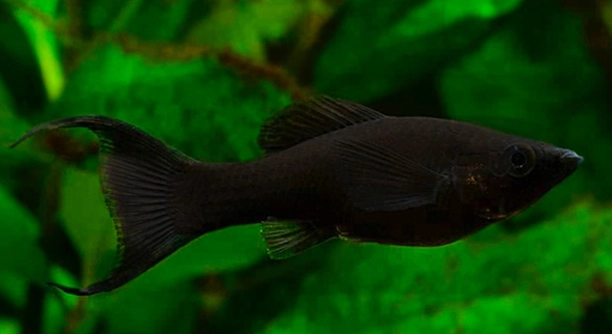
Do you ever notice your black molly hiding more than usual or staying near the tank decorations? Many owners overlook how lighting affects their fish, which can change their behavior and overall well-being in subtle ways.
Black mollies are sensitive to excessive light, which can cause stress, reduce feeding, and lead to hiding behavior. Maintaining appropriate light intensity and duration is essential for promoting natural activity and ensuring the fish’s long-term health.
Understanding these signs will help you create a calmer, healthier environment for your black molly and improve its comfort in the tank.
Constant Hiding
Sometimes I notice my black molly disappearing behind plants or decorations more than usual. This behavior can be subtle at first, but over time it becomes clear that something about the tank environment is causing discomfort. Bright lighting makes the fish feel exposed, triggering its natural instinct to seek cover. Even if the water quality, temperature, and diet are perfect, excessive light can still stress the fish. Observing where the fish spends most of its time is an important indicator. If it rarely swims in open areas or seems reluctant to explore, the light level might be too high. Adjusting the lighting gradually and providing shaded areas with plants or ornaments can help reduce stress. This change often encourages the fish to become more active and engage with its surroundings. Paying attention to small behaviors like this helps maintain a healthier tank overall and promotes the fish’s natural habits.
Fish that spend most of their time hiding may need softer lighting and shaded areas to feel secure.
Providing shaded zones allows black mollies to choose where they feel comfortable. Gradually dimming lights or using floating plants can significantly reduce stress. Observing how the fish reacts to these adjustments can help maintain a balanced environment. Some mollies will slowly start swimming in open areas, showing they feel safer. Consistent monitoring ensures that the tank remains suitable and promotes natural behaviors. Shading can also improve overall tank aesthetics while supporting the fish’s health.
Loss of Appetite
A noticeable sign that your tank is too bright is when your black molly stops eating or seems uninterested in food. Bright light can cause stress that affects feeding habits, making the fish more likely to hide or ignore meals. This can result in slower growth, weaker immunity, and lower energy levels. Black mollies are naturally active fish, and their appetite is usually consistent. A sudden drop in interest in food often indicates an environmental factor, with lighting being a common reason. Reducing light intensity or creating shaded zones can encourage normal feeding behavior. Monitoring feeding patterns helps detect early signs of stress, allowing for timely adjustments to prevent health issues.
Bright light directly impacts your molly’s willingness to eat, causing stress and hesitation.
Adjusting tank lighting is a practical solution to restore appetite and maintain fish health. Overly intense lighting triggers stress hormones that interfere with digestion and appetite. Black mollies need an environment that balances light for plant growth and visibility with shaded areas where they can feel secure. Providing floating plants, rock caves, or darker corners allows the fish to retreat when overwhelmed. Gradual light reduction helps prevent sudden environmental shock while encouraging normal behavior. Maintaining a consistent feeding schedule and observing responses can help track recovery. Over time, mollies regain confidence in swimming and feeding openly, reducing the risk of malnutrition. Combining visual barriers with moderate light improves overall comfort, promoting healthier, more active fish. Proper lighting management also supports tank plants and other aquatic life, creating a balanced ecosystem that benefits all inhabitants.
Faded Color
Overly bright tanks can make black mollies look dull or washed out. Stress from excessive light affects their pigmentation, causing colors to fade over time, even if their health seems otherwise normal.
Stress from high-intensity lighting triggers hormonal changes that affect melanin production, reducing the fish’s natural coloration. Mollies that spend most of their time hiding may show the most noticeable fading, as they are constantly under pressure. The contrast between shaded areas and open, bright zones often highlights how lighting directly impacts their appearance. Adjusting light levels gradually and adding floating plants or decorations can restore more natural coloration. Watching for these changes early allows for simple interventions before the color loss becomes permanent.
Creating shaded areas and softening light helps black mollies regain their vibrant tones. Even small changes, like repositioning lights or adding leafy plants, can improve their appearance and reduce stress. Color intensity often improves as the fish feels more secure and spends more time exploring open water. Consistency in lighting and providing hiding spots are key for maintaining natural pigmentation.
Restlessness
Bright light can make black mollies swim erratically or pace near the tank surface. They often appear nervous or uneasy, moving quickly from one spot to another without settling.
Restless swimming behavior usually indicates that the fish is uncomfortable in its environment. Continuous exposure to intense light can trigger anxiety, causing the molly to dart around or repeatedly bump into objects. This constant movement consumes more energy, leading to fatigue or reduced feeding. By dimming lights or creating shaded zones with plants or décor, the fish can feel safer and calm down. Observing restlessness patterns over time helps determine if lighting adjustments are effective.
Reducing light intensity gradually and providing darker areas can significantly calm a restless molly. Overly bright tanks can also exacerbate interactions with other fish, increasing stress and potential aggression. Allowing the fish to regulate its exposure helps restore normal swimming behavior. Combining moderate lighting with shaded areas encourages natural activity while minimizing fatigue. Regularly checking their swimming habits ensures the tank remains comfortable. Over time, mollies become more relaxed, feed normally, and display calmer, more natural movements.
Clamped Fins
When the light is too strong, black mollies may keep their fins tightly pressed against their bodies. This behavior shows discomfort and stress.
Clamped fins reduce the fish’s ability to swim efficiently. It is often paired with hiding or restlessness, signaling that the environment is overwhelming.
Rapid Breathing
Excessive light can cause black mollies to breathe faster than usual. Stress increases their oxygen demand, making gill movement more noticeable and constant.
Avoiding Social Interaction
Black mollies may isolate themselves from tank mates under intense lighting. They stay at the edges or behind decorations to avoid exposure, which can affect natural schooling and social behaviors.
What is the ideal lighting for black mollies?
Black mollies thrive under moderate lighting that mimics natural daylight without being too harsh. About 8 to 10 hours of light per day is usually sufficient. Using a dimmable LED or placing floating plants in the tank can help soften the intensity and create shaded zones, giving the fish choices for comfort. Avoid leaving lights on for extended periods, as constant brightness increases stress and can lead to hiding, clamped fins, or faded color. Adjustments should be gradual to prevent shocking the fish and ensure they adapt comfortably.
Can too much light cause long-term health issues?
Yes, prolonged exposure to overly bright lighting can have lasting effects. Stress from excessive light reduces feeding, slows growth, and weakens immunity. Over time, this can make mollies more susceptible to disease and reduce lifespan. Behavioral changes like hiding, restlessness, and fin clamping may persist if the lighting is not corrected. Long-term stress can also impact reproduction, as stressed mollies may avoid breeding or produce fewer eggs. Monitoring lighting intensity and creating shaded areas helps prevent these problems and promotes a healthier, more active fish population in the tank.
How can I reduce light without affecting plants?
Using floating plants or tall decorations allows you to dim the tank without negatively impacting live plants. You can also install adjustable LED lights, which let you control brightness throughout the day. Positioning the tank away from direct sunlight helps prevent excessive natural light, and using timers ensures a consistent light cycle. Choosing plants that tolerate moderate light, like Java fern or Anubias, makes it easier to maintain shaded areas while keeping the tank visually appealing. Gradually reducing light intensity prevents stress for both mollies and plants, ensuring a balanced environment.
Are there signs my black molly is still stressed even after adjustments?
Even after lowering light levels, some mollies may take time to recover. Persistent hiding, clamped fins, erratic swimming, or faded color indicates ongoing stress. Watch for feeding patterns; a molly that ignores food or avoids social interaction may still feel insecure. Recovery times vary depending on how long the fish was exposed to bright light, so patience is key. Gradual reintroduction to moderate lighting, along with shaded zones and consistent water conditions, helps mollies regain confidence and resume natural behaviors. Observing subtle behavioral improvements ensures the adjustments are effective.
Can other tank factors make light stress worse?
Yes, water quality, temperature, and overcrowding can amplify light-related stress. Poor water conditions or high nitrate levels increase vulnerability, while overcrowding reduces available hiding spots. Maintaining clean water, proper temperature, and adequate space enhances the benefits of light adjustments. When these factors are combined with soft, shaded lighting, mollies are more likely to feel secure and display normal behaviors. Paying attention to multiple environmental aspects ensures stress is minimized, improving color, appetite, and social activity.
How quickly will mollies recover after light adjustments?
Recovery time varies, but most black mollies begin showing improvement within a few days to a week. Color may gradually return, fins will unclamp, and activity levels normalize. Some fish are more sensitive, requiring longer periods of low-intensity lighting and shaded areas. Consistent monitoring and gentle adjustments prevent relapses and ensure lasting comfort. Supporting recovery with a balanced diet, stable water conditions, and minimal disturbances accelerates adaptation. Gradual exposure to slightly brighter light after initial recovery helps the fish maintain confidence while preventing new stress triggers.
Is it safe to use dimmers or timers on aquarium lights?
Yes, dimmers and timers are practical tools for managing light intensity. They help mimic natural day-night cycles, preventing overstimulation. Gradual changes in brightness reduce stress and allow black mollies to adjust safely. Timers ensure consistency, eliminating the risk of accidental prolonged exposure. Combining dimmers with floating plants or décor creates natural shading, further reducing stress while maintaining a visually appealing tank. This setup promotes normal feeding, social interactions, and vibrant coloration, supporting overall health and well-being of the fish.
Can stress from light affect other tank inhabitants?
Yes, stressed black mollies may behave differently, influencing tank dynamics. They may compete less for food, hide excessively, or disturb more timid species. Aggressive or dominant fish might also react to the unrest, increasing overall tension. Ensuring proper lighting and shaded areas benefits all inhabitants, maintaining a balanced, harmonious tank. Observing interactions and adjusting environmental factors keeps stress levels low, helping all fish feel secure and active. Healthy lighting conditions support natural behavior patterns, feeding, and reproduction, creating a stable ecosystem.
What are simple ways to test if lighting is too strong?
Monitor behavior for hiding, clamped fins, rapid breathing, or faded color. Check feeding patterns and interactions with other fish. If mollies consistently avoid open areas, it may indicate excessive light. Adjust gradually and observe changes, ensuring responses improve over time. Using a light meter can help measure intensity, but behavioral observation is often the most reliable indicator. Making small, incremental adjustments reduces stress and prevents sudden environmental shock, allowing mollies to regain confidence while maintaining natural activity levels.
Are certain types of lights better for black mollies?
LED lights with adjustable intensity are ideal, providing flexibility and energy efficiency. Avoid overly bright fluorescent lights, which can stress fish. Full-spectrum lights support plant growth but should be balanced with shaded zones to prevent overstimulation. Combining soft lighting with floating plants or décor ensures mollies feel secure while maintaining tank aesthetics. Gradual adjustments and observation help determine the best lighting setup for both fish and plants, promoting healthy, natural behavior and vibrant coloration.
Word count: 552
Black mollies are sensitive fish that need the right environment to thrive. One of the most important factors in their tank is lighting. Too much light can cause stress, which affects their behavior, feeding habits, and overall health. Mollies exposed to bright lighting often hide, swim erratically, or clamp their fins. They may even lose some of their natural color. These changes are subtle at first but become more noticeable over time. By paying attention to how your fish behave and adjusting the tank conditions, you can create a more comfortable and balanced environment. Observing small details, like where the fish spend most of their time or how they react to light, is key to understanding their needs.
Adjusting the lighting doesn’t have to be complicated. Using dimmable lights or timers allows you to control how long and how bright the tank is each day. Adding floating plants, tall decorations, or shaded areas can help the fish feel secure without affecting the overall look of the tank. Gradual changes are better than sudden ones, as they give the fish time to adapt. Monitoring their behavior during these adjustments helps you see if the changes are working. Fish that were hiding or stressed may start exploring more, feeding normally, and showing brighter colors. These improvements indicate that the tank environment is becoming more suitable for them.
Maintaining a balanced tank involves more than just controlling light. Water quality, temperature, and the presence of other fish all play a role in their well-being. Ensuring that the tank is clean, the water is stable, and there is enough space for all inhabitants creates a calm environment. When combined with proper lighting, these conditions allow black mollies to display their natural behaviors, interact socially, and remain healthy. Paying attention to these details helps prevent long-term stress and potential health problems. Creating a comfortable environment takes observation and small adjustments, but the result is a happier, more vibrant black molly that thrives in its tank.
Word count: 412

Hello,
If you enjoy the content that we create, please consider saying a "Thank You!" by leaving a tip.
Every little bit helps us continue crafting quality advice that supports the health, happiness, and well-being of pets around the world, for pets of all shapes, sizes, and species.
We really appreciate the kindness and support that you show us!