
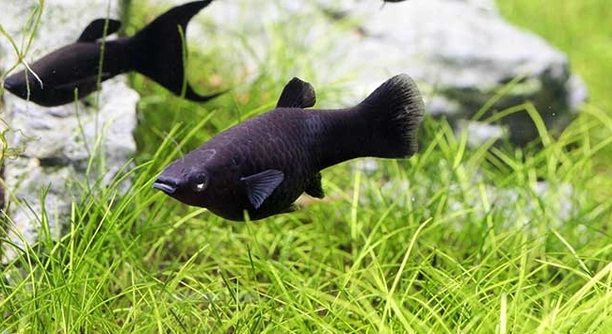
Do you ever notice your Black Molly swimming calmly in the tank, then suddenly resting in one corner for long periods? These small freshwater fish have interesting daily patterns that often catch the attention of aquarium enthusiasts.
Black Molly fish do not follow a strict sleep schedule like mammals. They experience periods of rest where their activity slows down, but they remain responsive to their environment, light conditions, and the presence of other fish.
Observing these rest periods can reveal a lot about their health and comfort in the tank. Learning to recognize their natural rhythms is important for proper care.
Understanding Black Molly Rest Patterns
Black Mollies often alternate between active swimming and quiet rest periods throughout the day. Unlike humans, they do not have a rigid sleep cycle but rely on light cues and water conditions to regulate activity. During rest, they may hover near plants, tank walls, or the bottom, remaining alert to sudden movements or changes in their environment. Observing these behaviors helps identify normal rest versus stress-induced inactivity. Proper lighting that mimics a natural day-night cycle encourages regular rest patterns. Tank size, water quality, and temperature also influence their comfort level. Mollies in smaller or overcrowded tanks may show irregular resting behavior, while stable conditions support a more predictable pattern. Regular feeding schedules help reinforce their daily rhythm, ensuring they receive proper nutrition while maintaining periods of rest. Recognizing these subtle cues can improve overall care and allow for timely adjustments to their habitat to promote health.
Providing consistent conditions allows Black Mollies to maintain predictable periods of low activity without disrupting tank balance.
Monitoring water temperature, light cycles, and hiding spots ensures your Black Mollies can rest safely, reducing stress and supporting long-term health.
Factors Affecting Activity Levels
Environmental changes can strongly influence Black Molly behavior.
Water temperature, tank size, and lighting conditions all play key roles in regulating movement and rest. Temperature affects metabolism, with cooler water slowing activity, while warmer conditions increase swimming speed. Overcrowded or poorly maintained tanks can cause stress, leading to irregular resting periods or unusual hiding behavior. Nutrition also impacts activity; inconsistent feeding or low-quality food may reduce energy levels. Black Mollies are social fish, and their activity often reflects interactions with other tank mates. Introducing new fish or rearranging decorations may temporarily disrupt normal rest patterns. Light cycles are particularly important, as Black Mollies respond to day-night cues; abrupt changes can confuse their natural rhythm. Providing plants, caves, and open swimming areas allows them to rest safely while remaining alert. Maintaining stable water parameters, including pH and filtration, supports predictable activity levels. Regular observation ensures early detection of issues, helping to adjust conditions before health problems arise.
By carefully managing these factors, you can support natural rest patterns and overall well-being. Maintaining water quality, light consistency, and tank enrichment contributes to a balanced environment where Black Mollies thrive. Observing their behavior regularly allows adjustments to prevent stress or irregular activity, fostering a healthier, more active tank ecosystem. Stable feeding routines, adequate swimming space, and proper temperature help them maintain consistent energy levels. Monitoring social interactions and providing hiding spots ensures they feel secure during rest periods. This holistic approach to tank care ensures their daily cycles remain natural and predictable, promoting long-term health and comfort. Proper attention to these environmental factors allows you to create a thriving habitat where Black Mollies can rest, feed, and interact in ways that reflect their natural behaviors.
Observing Rest Behavior
Black Mollies may rest near the tank bottom, behind plants, or at the surface. Their fins often move slowly, and they remain alert to any sudden changes, adjusting position as needed to stay safe.
Observing these subtle signs helps identify normal rest behavior versus stress or illness. Mollies that are simply resting will respond to movement in the tank but remain mostly stationary. If they linger in one spot for unusually long periods without reacting, it could indicate water quality issues or health concerns. Tracking their daily patterns allows for adjustments in feeding, lighting, or tank setup to support healthier routines. Consistent observation is key to maintaining their well-being.
Some Mollies adopt vertical positions while resting, hovering in place with minimal movement. Others may use decorations or plants for partial shelter, creating a sense of security. Over time, you can learn individual preferences and tailor the tank layout to encourage safe, predictable rest zones. These habits contribute to overall energy balance, feeding efficiency, and stress reduction, supporting longer, healthier lives.
Influences on Sleep-Like Behavior
Temperature fluctuations and light cycles directly affect Black Molly rest patterns.
Even small changes in water temperature can alter metabolism, influencing how often they rest and swim. Consistent lighting schedules that mimic natural day and night cycles encourage predictable behavior. Social dynamics within the tank also play a role; aggressive or dominant tank mates may force some Mollies into hiding, affecting rest patterns. Adequate space and hiding spots help reduce stress-related interruptions in rest, allowing all fish to maintain natural rhythms.
Other environmental factors, such as water quality, tank enrichment, and feeding routines, also impact rest behavior. Poor water conditions or overcrowding can cause irregular activity, while clean, stable conditions support normal periods of low activity. Providing plants, caves, and swimming space allows Mollies to choose comfortable rest areas. Regular feeding schedules reinforce daily patterns and energy balance. By monitoring these influences, it is possible to maintain a harmonious environment that supports rest, reduces stress, and encourages natural behavior, promoting overall health and vitality.
Recognizing Signs of Rest
Black Mollies slow their movements, hover in one spot, and may tuck fins close to their bodies. These signs indicate they are resting rather than stressed or ill.
They often choose sheltered areas, like near plants or decorations, to feel secure. Watching these patterns helps track their comfort and daily rhythm.
Impact of Tank Lighting
Lighting directly influences Black Molly activity. Bright or irregular lighting can disrupt their rest periods, while a consistent day-night cycle promotes predictable low-activity times. Adequate dimming during evening hours helps them enter natural rest phases, mimicking conditions in their natural habitat and supporting overall health and well-being.
Feeding and Energy Levels
Regular feeding schedules help maintain consistent energy, influencing rest periods and activity levels.
FAQ
Do Black Mollies actually sleep?
Black Mollies do not sleep like mammals, but they do experience rest periods. During these times, their movements slow, and they may hover in one spot, often near plants, decorations, or the tank bottom. Their fins may barely move, but they remain alert to changes in their environment. This behavior is a natural part of their daily rhythm and helps them conserve energy. Observing these rest periods regularly can help identify normal behavior versus potential stress or illness. Proper tank conditions, consistent lighting, and a predictable feeding schedule encourage these low-activity periods.
How long do Black Mollies rest each day?
The length of rest periods varies based on individual fish, tank conditions, and environmental factors. Some Mollies may rest for short intervals of 10 to 30 minutes multiple times throughout the day, while others may have longer rest periods in the evening or during dimmer lighting. Temperature, water quality, and social interactions in the tank also influence these patterns. Mollies in well-maintained, spacious tanks with adequate hiding spots tend to show more predictable rest behavior. By keeping track of these periods, it is possible to ensure your fish are healthy and not displaying abnormal lethargy caused by stress or poor water conditions.
Can Black Mollies rest during the day?
Yes, Black Mollies can rest during daylight hours. Unlike animals that follow strict day-night sleep cycles, Mollies take multiple short rest periods throughout the day. They often choose quiet corners, behind plants, or near decorations where they feel safe. Daytime resting does not mean the fish are sick; it is a normal part of their activity rhythm. Consistent lighting and stable water parameters support natural rest patterns, while sudden changes in the tank can temporarily disrupt these behaviors. Observing the frequency and location of their rest during the day helps in understanding their comfort and overall health.
Do Black Mollies need complete darkness to rest?
Complete darkness is not required for Black Mollies to rest. They respond to light cues, and a consistent day-night cycle helps regulate low-activity periods. Dim or low lighting in the evening encourages rest, but total darkness is unnecessary. Mollies can hover quietly and remain alert even in moderate lighting conditions. Providing areas of shelter, such as plants or decorations, allows them to rest without feeling exposed. Maintaining a regular lighting schedule helps reinforce these natural behaviors and reduces stress.
What happens if Black Mollies do not rest properly?
If Mollies do not get adequate rest, stress and health issues may arise. Fish may become more prone to disease, show irregular swimming patterns, or display heightened aggression. Inconsistent lighting, overcrowding, or poor water conditions can disrupt rest periods. Observing your tank regularly and maintaining stable conditions ensures they can enter predictable low-activity phases, supporting their energy balance and overall well-being. Adjusting tank layout, providing hiding spots, and keeping feeding routines consistent all help prevent disruptions in rest.
Can feeding schedules affect Black Molly rest?
Yes, feeding schedules significantly influence rest periods. Regular feeding ensures consistent energy levels, which promotes predictable activity and rest patterns. Irregular or insufficient feeding can lead to lethargy or erratic behavior, interfering with normal low-activity phases. Maintaining a consistent feeding routine, appropriate portion sizes, and high-quality food supports both active swimming periods and restful periods. Overfeeding should be avoided, as it may cause water quality issues, indirectly affecting their ability to rest properly. Observing how feeding impacts activity helps fine-tune schedules for optimal health.
Do Black Mollies rest differently when kept in groups?
Social dynamics affect rest behavior. In a group, dominant fish may influence where others rest, and some Mollies may hide more often to avoid conflict. Adequate space, multiple hiding spots, and a balanced group size help all fish rest comfortably. Group observation can reveal patterns, such as synchronized rest periods or preferred resting locations. Providing enough room and consistent environmental conditions ensures each fish maintains natural rhythms without stress from other tank mates. Social observation is essential to maintaining harmony and supporting predictable low-activity behavior.
How can I tell if my Black Molly is resting or sick?
Resting Mollies hover quietly, respond to nearby movement, and gradually return to normal swimming. Sick fish may stay immobile for long periods, float awkwardly, or show signs of illness like faded colors or clamped fins. Tracking patterns, tank conditions, and behavior allows accurate distinction between normal rest and health concerns. Immediate attention is necessary if inactivity is paired with other warning signs. Maintaining optimal water quality, proper feeding, and a stable environment helps ensure Mollies remain healthy while resting safely.
Are there ways to encourage better rest in Black Mollies?
Yes, creating a calm, predictable environment encourages regular rest. Consistent lighting that mimics day and night, stable water conditions, and proper tank temperature are essential. Providing plants, caves, or decorations offers safe areas for resting. Regular feeding schedules maintain energy balance, supporting natural low-activity phases. Avoiding sudden tank changes or overcrowding reduces stress, allowing Mollies to establish predictable rest patterns and maintain overall health.
Black Mollies are fascinating fish that display a unique approach to rest. Unlike mammals, they do not follow a strict sleep schedule, but they do experience periods of low activity that serve the same purpose. These rest periods are essential for conserving energy and maintaining overall health. During these times, Mollies slow their movements, hover near the bottom of the tank, or find shelter among plants and decorations. While their fins may move slightly, they remain alert to changes in the environment. Observing these patterns over time can help identify what is normal behavior and what may indicate stress or health issues. Rest is not just about inactivity; it is an important part of their daily rhythm, helping them stay balanced and responsive throughout the day.
Creating the right environment is key to supporting healthy rest in Black Mollies. Tank conditions such as water temperature, lighting, and overall cleanliness play a major role in their behavior. A stable day-night light cycle encourages natural rest periods, while consistent feeding routines ensure they have enough energy to maintain activity and rest appropriately. Overcrowding or abrupt changes in the tank can disrupt these natural patterns, causing stress or irregular behavior. Providing hiding spots, plants, and decorations gives Mollies safe areas to rest without feeling exposed. The placement of these elements also influences where and how often they choose to rest, allowing you to observe and understand their preferences. Paying attention to these details helps promote a comfortable, predictable environment that encourages natural behavior and reduces unnecessary stress.
Monitoring Black Mollies closely is an effective way to maintain their well-being. By tracking their activity and rest patterns, it becomes easier to detect changes that may signal problems with water quality, social interactions, or health. Mollies in a well-maintained tank with proper lighting, temperature, and hiding spaces will generally display predictable low-activity periods, showing they are healthy and comfortable. Observing these behaviors allows adjustments in care, such as feeding schedules or tank layout, to better support their natural rhythm. Understanding how they rest and what factors influence it also improves overall tank management, ensuring a balanced environment for all fish. Consistency, careful observation, and attention to detail help create a habitat where Black Mollies can thrive, rest naturally, and maintain long-term health.

Hello,
If you enjoy the content that we create, please consider saying a "Thank You!" by leaving a tip.
Every little bit helps us continue crafting quality advice that supports the health, happiness, and well-being of pets around the world, for pets of all shapes, sizes, and species.
We really appreciate the kindness and support that you show us!