
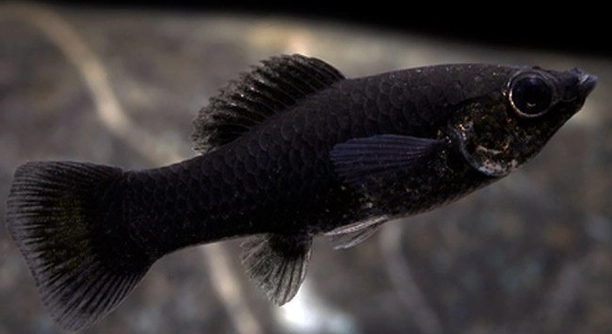
Black Mollies are small, active fish that many aquarium enthusiasts enjoy keeping. Their movement and behavior can sometimes reflect changes in their environment, including subtle disturbances in the water caused by nearby activity.
Black Mollies are capable of responding to vibrations in their environment, including those generated by tank equipment or external movement. These responses manifest as changes in swimming patterns, schooling behavior, and heightened alertness, indicating a sensitivity to subtle oscillations.
Observing how your Black Molly reacts can reveal more about the tank environment and its overall well-being. This insight helps maintain a stable and healthy aquatic habitat.
How Black Mollies Sense Vibrations
Black Mollies detect vibrations through their lateral line, a sensory organ running along their sides. This line helps them notice water movement, pressure changes, and even small disturbances caused by objects or other creatures nearby. In an aquarium, this sensitivity allows them to respond quickly to sudden changes in their environment. Movements from your hands, tapping on the glass, or vibrations from nearby equipment can make them swim faster or cluster together. Their reactions are instinctive and protective, helping them avoid potential threats. Observing these behaviors can give insight into the tank’s activity level and how your fish perceive their space. Over time, Mollies may become accustomed to frequent vibrations, responding less noticeably, but sudden or strong vibrations will still trigger alert behavior. Paying attention to these cues ensures your tank environment remains stable and reduces stress for your fish. Understanding their responses can improve their overall well-being in captivity.
Their reactions to vibrations are not random. These patterns indicate awareness and environmental perception.
Recognizing the signs of vibration sensitivity can help maintain a balanced habitat. Fish may dart, change direction abruptly, or linger near the surface. Avoiding excessive tank disturbances, placing equipment on stable surfaces, and reducing external noise can minimize stress. Even small, repeated vibrations can affect feeding and activity levels. Black Mollies communicate through movement, so their sensitivity also plays a role in social interactions. Group dynamics can change when one fish reacts to a vibration, influencing the behavior of the entire school. By monitoring these subtle cues, caretakers can create a calmer, more predictable environment. This attention not only supports physical health but also fosters natural behaviors like schooling and exploration, making the tank a more engaging and safe space for Black Mollies.
Practical Tips to Reduce Tank Vibrations
Keeping equipment secure is essential for minimizing disturbances. Ensure filters, heaters, and pumps are stable and operate quietly.
Placing tanks on sturdy surfaces and away from heavy foot traffic or vibrations from appliances helps. Using dampening materials under tanks can absorb shocks. Avoid tapping the glass or sudden movements around the tank. These measures create a calm environment, allowing Black Mollies to thrive and exhibit natural behaviors.
Monitoring tank reactions regularly helps maintain a healthy environment. Changes in behavior may indicate vibrations or other stressors. Adjusting equipment placement, reducing nearby activity, and maintaining consistent water conditions all contribute to a stable habitat. Observing Mollies over time can reveal patterns in sensitivity, helping you anticipate and prevent stress. Creating a stable, low-vibration environment not only improves their physical health but also supports social interactions and overall activity. Consistency in care, combined with awareness of vibration effects, ensures Mollies remain active, calm, and comfortable, allowing them to grow and behave naturally without unnecessary stress or disruption.
Common Sources of Tank Vibrations
Tank vibrations often come from pumps, filters, and air stones. Even small adjustments to equipment or cleaning routines can create noticeable ripples in the water, affecting fish behavior.
Uneven surfaces under the tank or placement near high-traffic areas also transmit vibrations. Appliances like washing machines or speakers can send subtle tremors through the floor. Black Mollies are especially responsive to these changes, often darting or schooling tightly when they feel disturbances. Regularly checking equipment and ensuring the tank sits on a stable surface helps reduce unnecessary stress and promotes calmer behavior.
Vibrations can influence feeding and social behavior. Fish may become hesitant to explore or eat if disturbances are frequent. Over time, this can affect growth and overall health. Monitoring how Mollies react and making adjustments to minimize external sources of vibration keeps them comfortable. Using soft mats or repositioning equipment can significantly lower stress levels, encouraging natural movement and interaction within the tank. Consistency in managing vibrations ensures Mollies remain active and healthy.
Observing Behavioral Changes
Black Mollies display subtle signs when reacting to vibrations. Changes in swimming patterns or sudden darting are common indicators.
Persistent disturbances can make Mollies more skittish. They may avoid open areas, cluster near decorations, or hesitate during feeding. Observing these behaviors helps identify problematic sources of vibration and timing issues in the aquarium.
Keeping a log of behavior patterns can reveal correlations with external activity or equipment operation. Noting times when the tank is disturbed and comparing fish reactions allows for better adjustments. Reducing abrupt noises and stabilizing equipment often restores natural behavior. Over time, fish become calmer, interact more freely, and maintain healthier routines. Attention to these patterns supports both physical health and social dynamics, ensuring Mollies thrive in a low-stress environment.
Reducing External Vibrations
Positioning the tank away from heavy foot traffic or loud appliances helps minimize external disturbances. Even small movements nearby can create vibrations that stress Black Mollies.
Using a soft mat or foam padding under the tank absorbs subtle shakes from floors or furniture, creating a calmer environment.
Equipment Maintenance
Regularly checking pumps, filters, and air stones prevents excessive vibration. Worn or loose components can transmit more movement into the water, affecting fish behavior. Consistent maintenance ensures quieter operation and reduces stress.
Monitoring Fish Responses
Watching your Mollies closely after adjustments shows whether changes are effective. Calm, natural swimming indicates a more stable environment.
FAQ
Can Black Mollies sense human movement outside the tank?
Yes, Black Mollies are sensitive to vibrations caused by movement near their aquarium. Walking heavily, tapping on the glass, or even shifting furniture can create subtle disturbances that they notice. Their lateral line helps detect these vibrations, triggering changes in swimming or schooling behavior.
Do all Black Mollies react the same way to vibrations?
Reactions can vary depending on age, temperament, and prior experience. Some fish may dart immediately, while others only adjust their swimming slightly. Schooling behavior can amplify reactions, as one fish responding to a vibration often prompts the others to react as well.
How can I tell if vibrations are stressing my fish?
Stress signs include rapid swimming, clustering in corners, hiding, or refusing food. Over time, chronic stress may lead to faded coloration or reduced activity. Observing these patterns helps identify sources of disturbance and allows you to make adjustments to the tank environment.
Will removing all vibrations make my Black Mollies healthier?
Reducing unnecessary vibrations helps, but complete isolation is not necessary. Natural minor vibrations are normal and provide environmental cues. The goal is to minimize sudden or strong disturbances that can cause prolonged stress, while maintaining a stimulating yet calm habitat.
Can tank equipment cause harmful vibrations?
Yes, pumps, filters, and air stones can produce vibrations if poorly secured or worn. Placing equipment on stable surfaces and performing regular maintenance reduces vibrations. Ensuring proper installation of all components helps maintain steady water movement without excess shaking.
Do Black Mollies adapt to vibrations over time?
To some extent, yes. Fish may become accustomed to consistent, low-level vibrations from routine equipment or household activity. However, sudden or irregular disturbances will still trigger a response, as their sensitivity to environmental changes remains strong.
Does the tank location affect vibration sensitivity?
Absolutely. Tanks on uneven surfaces, near heavy foot traffic, or close to appliances transmitting vibrations can increase fish stress. Placing the tank on a stable, quiet surface helps create a calmer environment and encourages natural behavior.
How do vibrations affect feeding behavior?
Excessive vibrations can make fish hesitant to approach food or forage actively. Feeding during calmer periods and minimizing disturbances encourages normal feeding patterns and reduces competition or stress-related refusal.
Can I use decorations to reduce vibrations?
Yes, dense decorations or gravel can absorb minor ripples and provide shelter, giving fish areas to feel secure. Strategically placed décor helps mollies feel protected while also dampening subtle disturbances from water movement.
Are young Black Mollies more sensitive to vibrations than adults?
Juveniles tend to be more reactive because they are smaller and less experienced. Their swimming patterns may be more erratic when sensing vibrations. As they grow and become accustomed to their environment, responses often become less pronounced, though sensitivity remains.
Do vibrations affect social behavior?
Yes, vibrations can influence schooling and interaction. A sudden disturbance may cause the group to cluster tightly or disperse, temporarily disrupting normal social patterns. Monitoring reactions helps maintain a balanced environment for group cohesion.
Is there a way to measure vibrations in a tank?
While professional equipment can detect precise oscillations, simple observation of fish behavior often provides enough indication. Rapid swimming, clustering, or hiding are practical signs that vibrations are present and potentially stressful.
Can vibrations cause long-term health problems?
Persistent stress from continuous vibrations may affect appetite, growth, and immune function. Addressing the sources of disturbance and maintaining consistent tank conditions helps prevent negative health outcomes over time.
Do Black Mollies respond differently to water flow versus external vibrations?
Yes, they typically tolerate gentle, consistent water flow as part of their natural environment. Sudden external vibrations, such as tapping or nearby movement, provoke more noticeable stress responses compared to the predictable movement of water currents.
How often should I check for vibration-related stress?
Daily observation is ideal. Noting swimming patterns, feeding behavior, and group interactions provides a clear picture of how your fish respond to environmental changes. Regular checks allow early intervention to reduce stress and maintain a healthy tank ecosystem.
This FAQ covers the main concerns regarding how Black Mollies detect and respond to vibrations, emphasizing practical observations and adjustments to support their well-being in an aquarium.
Black Mollies are sensitive fish that respond quickly to changes in their environment, including vibrations in the water. Their lateral line allows them to detect small movements, whether from tank equipment, nearby activity, or even subtle shifts outside the aquarium. Understanding this sensitivity helps maintain a calm and stable habitat. Fish that experience frequent disturbances may exhibit signs of stress, such as darting, clustering, or hesitating during feeding. These behaviors are natural responses to perceived threats and indicate that the fish are aware of their surroundings. Paying attention to how Black Mollies react can give valuable insight into the conditions of the tank. Adjustments to equipment placement, tank location, and daily routines can reduce unnecessary vibrations and help the fish feel more secure.
Maintaining a low-vibration environment involves consistent care and observation. Regularly checking pumps, filters, and air stones ensures that all equipment operates quietly and efficiently. Placing the tank on a stable, level surface and using soft padding underneath can absorb vibrations from floors or furniture. Even small sources of disturbance, such as tapping on the glass or sudden movement near the tank, can impact the fish. Decorations and gravel also help absorb minor ripples while giving the fish places to hide and feel secure. Monitoring Black Mollies’ behavior after these changes allows for further fine-tuning. Over time, these measures help the fish remain calm, explore the tank naturally, and maintain healthy social interactions within their group. Simple adjustments to their environment can significantly improve both their physical and behavioral well-being.
Observing and responding to Black Mollies’ reactions strengthens the overall care of the aquarium. Sensitivity to vibrations is a natural part of their behavior, and providing a stable environment reduces stress and supports normal activity. Attention to feeding patterns, swimming behavior, and group dynamics can reveal when adjustments are needed. A calm, predictable tank encourages healthier routines and allows the fish to grow and interact naturally. Small efforts, such as minimizing external noise, securing equipment, and maintaining consistent water conditions, create a supportive habitat. By understanding their responsiveness to vibrations, caretakers can ensure that Black Mollies remain active, comfortable, and healthy. Creating this stable environment allows the fish to thrive, reflecting the care and attention given to maintaining a well-managed aquarium.

Hello,
If you enjoy the content that we create, please consider saying a "Thank You!" by leaving a tip.
Every little bit helps us continue crafting quality advice that supports the health, happiness, and well-being of pets around the world, for pets of all shapes, sizes, and species.
We really appreciate the kindness and support that you show us!