
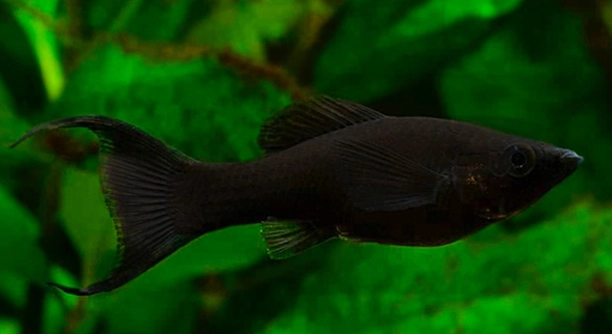
Black Mollies are popular aquarium fish known for their lively nature and dark, shimmering appearance. Many hobbyists focus on water quality and diet, but the influence of the surrounding environment, including noise levels, is often overlooked.
Black Mollies benefit from quiet surroundings because excessive noise can induce stress, affecting their behavior, feeding patterns, and overall health. A stable, low-noise environment promotes calm swimming, encourages regular feeding, and supports long-term physiological well-being in these fish.
Providing a peaceful environment is an easy step that can greatly enhance their daily comfort and vitality. Small adjustments in the aquarium setting can make a noticeable difference.
How Noise Affects Black Mollies
Even subtle noise around the aquarium can influence Black Mollies’ behavior. Sudden sounds, vibrations, or consistent background noise can startle them, making them swim erratically or hide. Over time, this stress can lead to reduced appetite, slower growth, and weakened immunity. Mollies are sensitive to their surroundings because they rely on calm conditions to feel secure. Observing your fish during feeding or daily movement can reveal whether noise is impacting them. If they appear skittish or avoid certain areas of the tank, it may be a sign that the environment is too disruptive. Simple changes, such as placing the aquarium away from high-traffic areas, reducing loud conversations nearby, or minimizing appliance vibrations, can make a significant difference. A quieter environment allows Black Mollies to establish routines, explore their tank naturally, and engage in social behavior with other fish. Maintaining stable water conditions alongside low noise creates a healthier, calmer habitat.
Reducing noise around the tank supports consistent feeding, calmer swimming, and less stress. Quiet surroundings contribute directly to healthier, more active Black Mollies.
Even small adjustments, like moving the tank to a quieter room or using a mat to absorb vibrations, have noticeable effects. Regular monitoring of behavior can help ensure they remain comfortable. Over time, peaceful surroundings improve their health, encouraging natural activity, proper feeding, and stable interactions with tank mates. By creating a calm environment, it’s easier to notice changes in behavior early, allowing for prompt care and adjustments. Black Mollies thrive when stress is minimized, and their daily habits reflect a secure, stable setting. Quiet tanks enhance both observation and enjoyment, making aquarium care more rewarding.
Creating a Calm Aquarium Space
Noise reduction can start with the tank’s placement. Avoid rooms with constant activity or loud appliances nearby.
Using simple barriers, like soft mats under the tank or curtains near the area, can reduce vibrations and echoes. Covering part of the tank or adding plants provides additional visual security, further reducing stress. Consistency in the environment, including predictable lighting and feeding schedules, complements a quieter setting. Monitoring fish for signs of anxiety, such as hiding or erratic swimming, ensures adjustments are effective. Maintaining calm surroundings supports healthy growth, encourages natural behaviors, and improves overall well-being. Careful attention to both noise and environmental stability makes a significant difference in the daily comfort of Black Mollies, ensuring they remain active, healthy, and visually vibrant in the aquarium.
Adjusting Aquarium Placement
Placing the tank away from doors, windows, and heavy foot traffic reduces constant disturbances. Even minor vibrations from nearby appliances can unsettle Black Mollies, so choosing a quiet, stable surface is key to maintaining their calm and steady behavior.
Black Mollies respond noticeably to sudden movement or noise near their tank. If the aquarium is close to high-traffic areas, they may hide more often, swim erratically, or show decreased interest in food. A stable location allows them to settle into predictable routines, promoting better feeding habits and calmer interactions with tank mates. Over time, they explore more freely, engage with plants or decorations, and maintain consistent energy levels.
Consistency in tank placement also affects their overall health. Fish exposed to constant disturbances experience stress that can weaken their immune system, slow growth, and reduce lifespan. Quiet surroundings and a secure setup encourage natural swimming patterns, improve social behavior with other Mollies, and foster a more visually appealing tank environment where their dark coloration appears vibrant and healthy.
Using Decorations to Reduce Stress
Adding plants, rocks, and hiding spots creates visual security and reduces perceived threats for Black Mollies. It softens the environment, making them feel safer and calmer in their space.
Decorations serve more than aesthetic purposes; they provide essential shelter where Black Mollies can retreat during stressful moments. Dense plants or caves reduce the impact of sudden movements and loud sounds outside the tank, allowing fish to relax. Arranging decorations to create zones encourages natural exploration and social interactions while offering privacy when needed. This setup mimics their natural habitat, giving them control over their environment. Thoughtful decoration placement also aids in breaking up open spaces, reducing aggressive encounters among tank mates, and promoting balanced, peaceful behavior throughout the tank.
Monitoring Tank Activity
Observing Black Mollies daily helps identify stress triggers. Quick responses to unusual behavior, such as hiding or erratic swimming, can prevent long-term health issues and improve their comfort in the tank.
Keeping a log of feeding habits and swimming patterns allows you to notice changes linked to noise or disturbances. It provides insight into how surroundings affect their well-being and helps maintain a stable environment consistently.
Limiting External Vibrations
Placing the aquarium on a sturdy, vibration-absorbing surface reduces disruptions from household activity. Stability minimizes stress and supports consistent behavior among Black Mollies.
Maintaining Calm Feeding Times
Feeding during quiet periods encourages regular eating habits and reduces stress. Predictable mealtimes help Black Mollies feel secure and comfortable.
FAQ
How much noise can Black Mollies tolerate?
Black Mollies are sensitive to sudden and constant noise. Regular household sounds, like talking or distant music, are usually fine. However, loud, abrupt sounds or vibrations can stress them. They react best to stable, quiet environments where sudden disturbances are minimized, allowing them to maintain normal behavior and feeding routines.
Can loud appliances harm my Black Mollies?
Yes. Appliances such as washing machines, vacuum cleaners, or blenders produce vibrations that travel through floors and surfaces. Even if the sound seems distant, the vibrations can make Black Mollies swim frantically, hide, or reduce their appetite. Placing the tank on a vibration-absorbing mat or in a quieter room helps prevent these issues.
Do tank mates affect stress levels?
Other fish can influence stress, especially if the tank is overcrowded or includes aggressive species. Peaceful tank mates are ideal for Black Mollies. Overcrowding combined with external noise can amplify anxiety, causing erratic swimming and hiding behavior. Providing enough space and hiding spots ensures social stability and comfort.
Is tank location important for reducing stress?
Tank placement is crucial. High-traffic areas, near doors or windows, expose fish to constant movement and sound. Black Mollies thrive in stable, low-traffic locations where disturbances are minimal. Choosing a quiet corner of a room or using partitions to block visual distractions creates a calmer environment.
Do Black Mollies need hiding spots?
Yes. Hiding spots like plants, rocks, or caves provide visual security, helping mollies feel safe when exposed to noise or activity. These spaces allow fish to retreat, reducing stress and encouraging natural behavior. Dense decorations also create zones for swimming and exploration without feeling threatened.
How do I know if my Black Mollies are stressed?
Stress signs include hiding more than usual, erratic swimming, reduced appetite, faded coloration, and slower responses to stimuli. Observing behavior daily helps catch stress early. Consistent monitoring of feeding, interactions, and swimming patterns ensures they remain comfortable and healthy in their environment.
Can background noise ever be beneficial?
Minimal, steady background noise is generally tolerated but not necessary. Black Mollies do not require sound for stimulation. In fact, consistent quiet promotes calm behavior, encourages regular feeding, and reduces stress-related health issues over time.
Does stress affect reproduction?
Yes. Stressful conditions, including noise and disturbances, can hinder breeding behavior. Female Black Mollies may produce fewer fry, and males may display reduced mating activity. Maintaining a quiet, stable environment with adequate hiding spots supports natural reproductive behavior and fry survival.
Should I adjust lighting with noise concerns?
Lighting consistency complements noise reduction. Sudden light changes combined with loud sounds can amplify stress. Using a timer ensures predictable lighting, helping Black Mollies maintain routines, feed regularly, and feel secure in their surroundings.
How can I improve long-term comfort for my Black Mollies?
Combine stable tank placement, hiding spots, minimal vibrations, consistent lighting, and regular monitoring. Adjusting these factors creates a peaceful environment where Black Mollies can thrive. Calm surroundings promote healthy swimming, natural feeding patterns, social interaction, and overall well-being, reducing stress and improving lifespan.
Is water quality linked to noise stress?
Indirectly, yes. Noise and vibrations can affect feeding and behavior, leading to leftover food and waste buildup, which impacts water quality. Maintaining clean water, along with a quiet environment, ensures optimal health and reduces combined stressors on Black Mollies.
Can I use decorations to buffer noise?
Yes. Dense plants, rocks, and tank ornaments absorb minor vibrations and visual disturbances. Arranging decorations to create sheltered zones helps mollies feel secure, providing both physical and psychological relief from environmental stress.
Do Black Mollies ever adapt to noisy environments?
They may show limited adaptation if disturbances are consistent but unavoidable. However, chronic exposure increases stress, reduces appetite, and may affect health. Reducing noise whenever possible remains the most reliable method for long-term well-being.
How do I monitor improvements after noise reduction?
Track swimming patterns, hiding behavior, and feeding activity before and after adjustments. Increased exploration, calmer swimming, and regular feeding indicate the environment has become more comfortable and stress levels have decreased.
Are certain types of noises worse than others?
Sudden, sharp noises like dropping objects or loud bangs are the most disruptive. Continuous low-level noise is less harmful but still preferable to minimize. Prioritizing quiet and stable conditions ensures optimal comfort and health for Black Mollies.
How often should I check on their behavior?
Daily observation is ideal. Regular checks allow you to catch stress signs early, adjust environmental factors, and maintain feeding routines. Consistent attention supports both physical health and social stability within the tank.
Do noise levels affect their color?
Stress from noise can cause temporary fading in coloration. Calm, quiet environments allow Black Mollies to display their natural dark and vibrant tones consistently. Healthy color is a sign of reduced stress and general well-being.
Can stress from noise cause disease?
Yes. Chronic stress weakens the immune system, making Black Mollies more susceptible to bacterial and parasitic infections. Maintaining quiet, stable surroundings supports natural defenses and reduces the risk of illness.
Are younger Black Mollies more sensitive?
Juvenile Black Mollies tend to be more sensitive to noise and disturbances than adults. Early exposure to calm environments helps them develop normal behavior, feeding patterns, and social skills while reducing long-term stress risks.
Does tank size influence sensitivity to noise?
Larger tanks provide more space to escape disturbances, lowering stress from noise or sudden movements. Smaller tanks concentrate movement and sound effects, so noise reduction is even more important in compact setups.
How important is a routine alongside quiet surroundings?
A predictable routine in feeding, lighting, and maintenance complements noise reduction. Stability helps Black Mollies feel secure, promotes natural behavior, reduces stress, and ensures consistent health outcomes.
Can I use soundproofing around the aquarium?
Soft materials like curtains, mats, or foam panels near the tank can reduce vibrations and echoes. While not essential, these measures enhance the comfort of Black Mollies, especially in busy households.
What long-term benefits come from maintaining quiet surroundings?
Reduced stress, improved appetite, calmer swimming, natural social interactions, and vibrant coloration are all long-term benefits. Quiet surroundings also support reproductive behavior, enhance immune function, and contribute to longer, healthier lives for Black Mollies.
Are Black Mollies more stressed in certain seasons?
Environmental changes, like heating systems in winter or open windows in summer, can amplify noise and vibrations. Maintaining consistent conditions year-round reduces seasonal stress impacts and keeps behavior stable.
How can I balance family activity with Black Molly comfort?
Place the tank in a low-traffic room, use vibration-absorbing mats, and create hiding spots. These measures allow household activity to continue without causing significant stress to your fish.
Do some Black Mollies react differently to noise than others?
Individual variation exists. Some may be more resilient, while others react strongly to disturbances. Observing each fish’s behavior helps tailor the environment to meet all their needs.
What are the signs that noise adjustments are effective?
More consistent swimming, regular feeding, exploration of the tank, and reduced hiding indicate successful noise reduction. Over time, Black Mollies appear calmer, healthier, and display richer coloration.
Can noise affect social behavior among Black Mollies?
Yes. Excessive noise can trigger aggression, dominance struggles, or social withdrawal. A quiet environment supports balanced interactions and stable hierarchy within the tank.
Should I combine noise reduction with other stress-limiting measures?
Absolutely. Quiet surroundings are most effective when paired with proper water quality, consistent lighting, suitable tank mates, and adequate hiding spots, ensuring overall health and comfort for Black Mollies.
Do Black Mollies need periods of complete silence?
They benefit from consistent low-noise periods, especially during feeding and rest. Total silence is not necessary, but calm intervals help reinforce natural behavior and reduce cumulative stress.
How quickly do they respond to reduced noise?
Behavioral improvements can appear within days, including calmer swimming, increased exploration, and more regular feeding. Long-term health benefits develop over weeks of sustained quiet and stability.
Are aquarium covers helpful for noise reduction?
Covers can reduce splashing sounds and minor disturbances from above. While they don’t block all external noise, they help create a more secure environment and limit visual stressors for Black Mollies.
Can I use background music for them?
Background music is generally unnecessary. Low-level continuous sound may be tolerated, but it does not replace the benefits of quiet surroundings. The safest approach is to minimize noise to maintain calm behavior and reduce stress.
How do I combine hiding spots with swimming space?
Provide enough open areas for swimming while keeping dense plant clusters or caves in corners. This balance allows Black Mollies to explore freely and retreat when feeling stressed, supporting both activity and security.
What is the role of water flow in stress management?
Gentle water flow helps mimic natural conditions and prevents stagnation. Strong currents combined with noise can increase stress, while balanced flow supports comfortable swimming and overall well-being.
Does noise affect their feeding behavior long-term?
Chronic noise can reduce appetite, leading to slower growth and weaker health. Quiet, stable environments promote regular feeding patterns, ensuring proper nutrition and healthy development.
Can I use visual barriers to reduce stress?
Yes. Tank backgrounds, partial covers, or strategically placed plants help block outside movement, complementing noise reduction to create a more secure, stress-free environment.
Are older Black Mollies less sensitive?
Adults tend to tolerate noise better than juveniles but still benefit from quiet conditions. Maintaining calm surroundings supports long-term health, social behavior, and vibrant coloration throughout their lifespan.
Does noise affect fry differently than adult fish?
Fry are more sensitive to disturbances and vibrations. Quiet conditions, hiding spots, and stable water quality are especially important for their growth, development, and survival in the first critical weeks.
Can stress from noise affect immunity long-term?
Yes. Chronic stress weakens immune response, making Black Mollies more prone to infections. Combining noise reduction with proper nutrition and clean water helps maintain resilience and long-term health.
Are there tools to measure tank noise?
Decibel meters or smartphone apps can track sound levels. Monitoring allows adjustments in tank placement or household activity to maintain a comfortable, quiet environment.
How important is family awareness of noise effects?
Everyone in the household should know how noise affects Black Mollies. Coordinating activities and reducing sudden sounds near the tank ensures consistent care and comfort.
Can stress affect coloration permanently?
Long-term stress may dull coloration, but improvements in environment, diet, and calm surroundings can restore natural dark tones and vibrancy over time.
Do Black Mollies react to human presence differently in quiet vs. noisy tanks?
In quiet tanks, they are more likely to swim openly and interact calmly with movements outside the tank. Noise increases hiding and flight responses, making observation and feeding more difficult.
Is water temperature linked to stress from noise?
Stable water temperature reduces overall stress, making fish less reactive to noise. Sudden temperature fluctuations combined with disturbances can exacerbate stress responses and behavioral issues.
How do I maintain a balance between tank aesthetics and hiding spots?
Use decorations that provide shelter while keeping swimming paths open. Natural plants and rocks create security zones without overcrowding, supporting both visual appeal and fish comfort.
Do Black Mollies need quiet during the night?
Nighttime calm is important. Constant household noise can disrupt rest patterns, increase stress, and affect overall health. Dim lighting and quiet surroundings encourage restful periods.
Can I prevent stress before introducing new tank mates?
Yes. Ensure the tank is quiet, stable, and has hiding spots before adding new fish. This reduces initial stress and allows mollies to adjust gradually to new companions.
Are there behavioral signs that noise reduction is failing?
Persistent hiding, aggressive encounters, irregular swimming, or loss of appetite indicate that further adjustments are needed. Regular observation ensures timely interventions for a healthier environment.
Does tank shape affect noise impact?
Larger, longer tanks allow more space to avoid disturbances, while smaller tanks concentrate effects. Choosing an appropriate tank size and minimizing external noise are both important for Black Mollies’ comfort.
Can stress affect their lifespan?
Chronic stress reduces immunity, feeding efficiency, and growth, potentially shortening lifespan. Calm surroundings, stable conditions, and proper care promote long-term health and longevity.
Is it worth investing in noise-reducing measures?
Yes. Simple measures, like moving the tank, using mats, and adding decorations, significantly improve comfort, behavior, feeding, and overall health for Black Mollies.
Do seasonal changes in household activity require adjustments?
Yes. Holidays or events with increased noise may require temporary relocation of the tank or additional hiding spots to maintain calm and reduce stress.
Can stress from noise cause long-term behavior changes?
Yes. Prolonged disturbances may make Black Mollies permanently more skittish, reduce social interactions, or affect feeding patterns. Maintaining quiet prevents lasting negative impacts.
Is it better to reduce noise or provide more hiding spots?
Both are important. Quiet surroundings reduce immediate stress, while hiding spots provide security and choice, allowing Black Mollies to manage their environment effectively.
Can Black Mollies thrive in moderately noisy households?
They can tolerate some background activity if it is consistent and not sudden or intense. Strategic placement, hiding spots, and monitoring help them adjust without chronic stress.
Do all Black Mollies react the same way to noise?
Individual differences exist. Some are more sensitive and may hide more, while others are calmer. Observing each fish ensures care meets all needs.
Are there signs of overcompensation from hiding?
Excessive time spent in hiding, reluctance to swim freely, and reduced feeding indicate overcompensation. Adjustments in placement, decorations, and noise levels can restore balance.
How often should hiding spots be rearranged?
Minimal changes are better. Frequent rearrangement can stress mollies. Adjust occasionally for growth or tank cleaning but maintain overall structure for comfort.
Can external vibrations affect breeding?
Yes. Vibrations from nearby activity can disrupt mating behavior and reduce fry survival. A stable, quiet tank supports reproductive success and healthy offspring.
Do Black Mollies benefit from completely silent periods daily?
Yes. Predictable quiet periods, especially during rest and feeding, reinforce calm behavior and reduce cumulative stress, enhancing overall health and activity.
Is noise reduction more important than water quality?
Water quality remains the priority for health, but noise reduction complements it by reducing stress, supporting feeding, behavior, and immune function. Both are essential for well-being.
How do I combine quiet surroundings with routine maintenance?
Schedule cleaning, water changes, and feeding during the quietest periods possible. Minimizing sudden disturbances during these tasks prevents stress while maintaining proper care routines.
Does the type of tank cover influence stress?
Yes. Solid covers reduce splashing and limit sudden visual disturbances. Combined with quiet surroundings, covers help mollies feel secure and reduce anxiety.
Can stress from noise cause long-term feeding issues?
Yes. Chronic noise may cause irregular feeding, selective eating, or reduced appetite. Calm surroundings restore routine and encourage consistent, healthy feeding behavior.
Are there visual cues to monitor stress?
Faded coloration, clamped fins, hiding, or erratic swimming indicate stress. Observing these signs allows timely adjustments to reduce noise or improve tank conditions.
Do all hiding spots provide equal stress relief?
Effectiveness varies. Dense plants, caves, and structures that mimic natural habitats provide better security than open ornaments. Variety ensures fish can choose their preferred refuge.
Can stress from noise affect long-term social behavior?
Yes. Aggression, withdrawal, or disrupted hierarchies may develop if noise persists. Calm, stable environments support healthy interactions and social stability.
How do I measure improvements in stress levels?
Track swimming patterns, feeding, hiding behavior, and coloration over time. Consistent, calm behavior indicates successful adjustments in noise and environment management.
Do Black Mollies respond differently to household noise versus outdoor noise?
They generally react more to nearby household noise due to vibrations and sudden sounds. Outdoor noise is often less disruptive unless amplified through windows or walls.
Can aquarium lighting amplify noise stress?
Sudden light changes can worsen stress when combined with noise. Predictable, consistent lighting helps mollies maintain routines and reduces cumulative stress effects.
Are noise-reducing mats effective long-term?
Yes. They absorb vibrations from floors and appliances, reducing stress and stabilizing the tank environment. Combined with other measures, mats contribute significantly to comfort.
Can water movement mask noise?
Gentle filtration noise may mask minor disturbances, but it does not eliminate stress from loud, sudden sounds. A quiet, stable environment remains essential for well-being.
How do I prevent stress during social adjustments in the tank?
Introduce new fish slowly, maintain hiding spots, and keep the environment quiet. Gradual acclimation reduces stress and helps establish harmonious social interactions.
Do Black Mollies ever need complete isolation for stress management?
Only in extreme cases, such as illness or severe aggression. Normally, quiet surroundings and hiding spots are sufficient to maintain comfort and reduce stress effectively.
How important is observation in stress prevention?
Daily observation is critical. Noticing changes early allows intervention, ensuring noise reduction and environmental adjustments prevent long-term health and behavioral issues.
Are there tools besides mats to reduce vibrations?
Yes. Foam pads, aquarium stands with dampening features, and heavy furniture can help stabilize the tank and minimize vibrations, complementing other noise reduction measures.
Does stress affect color patterns differently among males and females?
Males may show dulling in fin coloration, while females may lose vibrancy in body color. Calm surroundings restore natural tones for both sexes.
Can stress influence swimming height in the tank?
Yes. Stressed mollies may stay near the bottom or hide among decorations. Quiet, stable conditions encourage natural exploration at all levels of the tank.
Do mollies react to noise from pets?
Yes. Dogs, cats, or other household pets moving near the tank can cause vibrations and sudden sounds. Creating barriers or relocating the tank reduces stress from pets.
How do I balance human activity and quiet conditions?
Strategic placement, hiding spots, and observing patterns allow family life to continue without compromising Black Mollies’ comfort. Quiet intervals during feeding and rest enhance their well-being.
Are some noises more tolerable than others?
Steady, low-level background noise is generally tolerated, while sudden, sharp sounds are most disruptive. Minimizing abrupt disturbances ensures calmer behavior and healthier fish.
Can stress from noise reduce lifespan?
Chronic stress weakens immunity, reduces feeding efficiency, and slows growth. Quiet surroundings, stable conditions, and proper care help extend lifespan and overall health.
How quickly should I expect behavior changes after adjustments?
Improvements, like calmer swimming
Final Thoughts
Creating a peaceful environment for Black Mollies is essential for their well-being. These fish are sensitive to noise, vibrations, and sudden movements, and even small disturbances can affect their behavior. Maintaining a quiet space supports regular feeding, natural swimming, and calmer social interactions. Simple adjustments, like placing the aquarium in a low-traffic room or using a vibration-absorbing mat, make a noticeable difference. Hiding spots, plants, and decorations provide additional comfort, giving fish areas to retreat when they feel threatened. Quiet surroundings allow them to feel secure and more confident in their habitat, reducing stress-related behaviors such as erratic swimming, hiding, or loss of appetite. Observing their daily activity can reveal whether the environment is suitable, and small changes over time help Black Mollies adjust and thrive.
Stable conditions go hand in hand with quiet surroundings. Consistent lighting, temperature, and feeding schedules create a predictable environment that reduces stress and promotes long-term health. Fish exposed to constant noise or disturbances may experience weakened immunity, slower growth, and less vibrant coloration. By controlling external factors and providing a secure, calm tank, their natural behavior becomes easier to observe. They are more likely to explore the tank, interact appropriately with other fish, and establish routines that support overall comfort. Even if the household is active, careful placement of the tank, use of decorations for shelter, and monitoring their behavior can help mitigate stress. Over time, these measures improve feeding patterns, swimming activity, and general vitality, making the aquarium a healthier space for Black Mollies.
Long-term care involves balancing noise reduction with proper tank maintenance. Regular water changes, monitoring water quality, and providing adequate space complement a calm environment, ensuring fish remain healthy and active. Quiet surroundings reduce cumulative stress, allowing Black Mollies to display natural behaviors and vibrant coloration. They thrive when they feel safe, have control over their environment, and have predictable daily routines. Attention to both external noise and internal tank conditions supports social stability, encourages breeding behaviors when desired, and reduces health risks associated with chronic stress. By creating a calm, stable environment, Black Mollies can live longer, healthier lives while providing a more visually engaging and rewarding aquarium experience. Overall, maintaining quiet surroundings is a simple yet effective step toward improving the quality of life for these sensitive fish.

Hello,
If you enjoy the content that we create, please consider saying a "Thank You!" by leaving a tip.
Every little bit helps us continue crafting quality advice that supports the health, happiness, and well-being of pets around the world, for pets of all shapes, sizes, and species.
We really appreciate the kindness and support that you show us!