
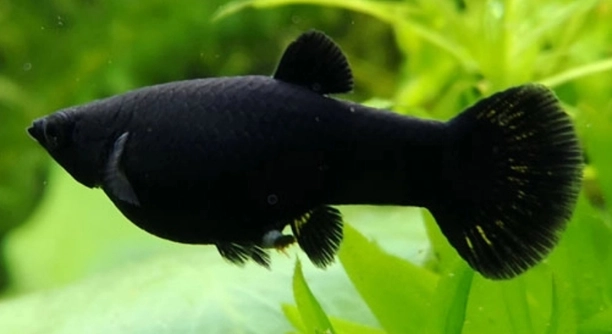
Are you setting up a planted tank and thinking about which fish will thrive in it? Black Mollies are often considered because of their unique color and peaceful behavior. They seem like a good addition for many aquarists.
Black Mollies are generally suitable for planted tanks, as they coexist peacefully with plants and other fish. They feed primarily on algae and small foods, which helps maintain a clean environment, though care must be taken to avoid overpopulation.
Knowing how they interact with plants and other tank inhabitants can help maintain a balanced and healthy aquarium environment for everyone involved.
Tank Conditions for Black Mollies
Black Mollies thrive in well-maintained tanks with stable water conditions. They prefer temperatures between 72 and 82°F and slightly alkaline water with a pH of 7.5 to 8.5. Regular water changes are important to keep nitrate levels low, which helps prevent stress and disease. They appreciate tanks with moderate lighting, which supports plant growth but does not overheat the water. Plants such as Java fern, Anubias, and hornwort are good choices because they provide hiding spots and reduce algae growth. Avoid overcrowding, as Black Mollies are active swimmers and need space to move freely. They also benefit from a filter that maintains water circulation without creating overly strong currents. A balanced diet that includes flakes, algae wafers, and occasional live food helps them stay healthy. Proper tank conditions directly influence their color, activity, and breeding success, making care consistent and attentive essential.
Black Mollies can adapt to slightly varying conditions, but maintaining stability ensures long-term health.
With proper conditions, Black Mollies coexist well with plants, creating a lively and visually appealing aquarium. Careful attention to temperature, pH, and diet maximizes their color and activity. Observing their behavior regularly helps identify stress early, preventing problems before they escalate. Plants not only enhance the tank’s aesthetics but also provide shelter and natural grazing surfaces. Over time, Mollies contribute to controlling algae growth, supporting a cleaner tank. Selecting compatible tank mates is crucial, as aggressive species can harm Mollies or damage plants. Filtration and lighting adjustments influence both fish and plant health, making balance important. Feeding should be moderate, avoiding excess, which could cloud water or promote algae overgrowth. By monitoring water chemistry and maintaining routine care, the tank can remain stable, healthy, and enjoyable for both Black Mollies and planted species.
Feeding and Diet
Black Mollies primarily eat algae and plant matter, but they also need protein sources.
A varied diet includes high-quality flake food, freeze-dried or live brine shrimp, and small insects. Supplementing with vegetables like zucchini or spinach provides essential nutrients. Feeding two to three times daily in small portions prevents overfeeding and maintains water quality. Observing their eating habits helps ensure all fish are receiving proper nutrition, especially if multiple species share the tank.
Proper feeding supports growth, vibrant color, and breeding behavior. Mollies grazing on plants lightly may help control algae, but providing adequate food prevents them from damaging delicate plant leaves. Feeding routines also help establish predictable fish behavior and reduce stress in the tank. Black Mollies require more salt in water than many freshwater fish, which can be achieved through aquarium salts or marine salt blends. Maintaining the right balance between plant matter and protein ensures healthy development. Regular observation of food consumption and leftover waste helps adjust portions, keeping water clear and the tank stable. Overall, a controlled, varied diet allows Black Mollies to thrive alongside plants, enhancing both their appearance and the overall ecosystem.
Plant Compatibility
Black Mollies do well with most hardy plants like Java fern, Anubias, and hornwort. They rarely eat healthy plants but may nibble on soft or young leaves. Choosing sturdy plants ensures the tank stays visually appealing and provides safe hiding spots.
While Black Mollies are generally gentle with plants, certain delicate species require extra care. Soft-leaved plants like cabomba or young moss may be at risk if Mollies decide to graze. Providing dense plant clusters or floating plants can reduce stress and give fish secure areas. Fast-growing plants help maintain water quality and provide natural grazing surfaces. It’s important to monitor plant condition regularly and remove damaged leaves to prevent decay from affecting water parameters. A planted tank with proper care balances fish activity and plant growth, keeping both healthy.
Mollies help manage algae naturally by grazing on surfaces lightly, which benefits plant health. Overpopulation or aggressive feeding can cause minor damage, so maintaining a balanced fish-to-plant ratio is crucial. Regular observation helps ensure both fish and plants thrive, maintaining a clean, vibrant tank.
Breeding Considerations
Black Mollies breed easily in planted tanks, especially with dense plant coverage. Fry need hiding spots to survive early stages.
Providing plenty of plants or spawning mops helps fry avoid being eaten. Water quality, stable temperature, and a varied diet increase breeding success. Mollies breed frequently, so separating fry or providing ample hiding spaces is often necessary.
Breeding can impact plant health if the population grows too quickly. Fry feed on microfauna and can nibble on delicate leaves, so adding fast-growing plants or supplementary hiding areas helps protect vegetation. Adults may also become more active and slightly territorial, which can disturb fragile plants. Monitoring population size and providing enough food reduces stress on both fish and plants. Over time, controlled breeding maintains a balanced tank ecosystem, with adults and fry coexisting without harming the planted environment.
Tank Maintenance
Regular water changes keep Black Mollies healthy and plants thriving. Removing debris and checking water parameters helps prevent stress and disease.
Filters should be cleaned periodically to maintain flow without disturbing plants. Monitoring nitrate and ammonia levels ensures a stable environment for both fish and vegetation.
Tank Mates
Black Mollies are peaceful and can coexist with other non-aggressive fish. Avoid housing them with large, aggressive species that may stress them or damage plants. Compatible tank mates include tetras, guppies, and Corydoras, which share similar water requirements and behavior.
Algae Control
Black Mollies eat some algae naturally, which helps maintain a cleaner tank. Light algae grazing supports plant health without damaging leaves. Regular monitoring ensures algae does not overgrow, balancing the tank ecosystem effectively while keeping fish active and plants healthy.
Common Health Issues
Black Mollies may face problems like fin rot or ich if water quality is poor. Maintaining stable conditions and proper diet prevents most health issues and supports longevity in a planted tank.
FAQ
Are Black Mollies safe for all types of plants?
Black Mollies are generally safe with most hardy plants such as Java fern, Anubias, and hornwort. They may nibble on very soft or young leaves, so delicate species like cabomba or moss require extra care. Dense planting or floating plants can help protect sensitive foliage while giving Mollies places to explore.
How many Black Mollies can I keep in a planted tank?
A common guideline is one Black Molly per 3-5 gallons of water. They are active swimmers and need room to move without overcrowding. Overpopulation can stress both the fish and the plants, leading to minor leaf damage and water quality issues.
What water conditions do Black Mollies prefer?
They thrive in temperatures between 72-82°F and slightly alkaline water with a pH of 7.5-8.5. Stable water parameters reduce stress and disease risk. Moderate lighting supports plant growth without overheating the tank, and a gentle filter ensures good water circulation.
Do Black Mollies eat live plants?
Typically, they prefer algae and plant matter over healthy plants. Soft or young leaves may occasionally be nibbled, but providing dense or fast-growing plants minimizes damage. Supplementing their diet with vegetables like zucchini or spinach keeps them from overgrazing live plants.
Can Black Mollies coexist with other fish?
Yes, they are peaceful and can live with other non-aggressive species such as tetras, guppies, and Corydoras. Avoid housing them with larger, aggressive fish that may stress Mollies or damage plants. Choosing compatible tank mates ensures a balanced, healthy ecosystem.
How often should I feed Black Mollies?
Feeding two to three small portions daily is ideal. A varied diet including high-quality flakes, algae wafers, vegetables, and occasional live or frozen protein helps maintain health and vibrant color. Avoid overfeeding to prevent water quality issues and algae overgrowth.
Do Black Mollies need salt in their water?
Yes, adding a small amount of aquarium or marine salt supports health, as Mollies naturally thrive in slightly brackish water. Maintaining a proper salt balance can prevent disease and improve overall vitality without harming plants when used correctly.
How do I care for Black Molly fry?
Fry need dense plants, spawning mops, or hiding areas to avoid being eaten. Water quality and temperature stability are crucial, and feeding small, frequent portions of powdered or finely crushed food promotes healthy growth. Regular monitoring ensures survival and reduces stress on adults and plants.
What common health issues affect Black Mollies?
Fin rot, ich, and stress-related illnesses are most common. Maintaining clean, stable water conditions, a balanced diet, and avoiding aggressive tank mates minimizes these problems. Observing behavior and early signs of illness allows prompt action before conditions worsen.
How do Black Mollies help with algae control?
They naturally graze on algae surfaces, reducing buildup in planted tanks. While they won’t eliminate algae completely, their light grazing keeps plants cleaner and contributes to a balanced aquatic environment without harming healthy leaves.
Are Black Mollies good for small planted tanks?
Yes, if the tank is not overcrowded. Small tanks require careful monitoring of water parameters, diet, and plant health. Providing enough space and hiding areas helps maintain balance and ensures both fish and plants thrive in limited spaces.
Do Black Mollies breed easily in planted tanks?
Yes, dense plant coverage encourages frequent breeding. Fry need hiding spots, and stable conditions improve survival rates. Monitoring population size prevents overpopulation, which could stress both plants and adult fish while maintaining a healthy tank ecosystem.
How do I prevent plant damage from Black Mollies?
Using hardy, fast-growing plants and supplementing their diet with vegetables reduces nibbling on live plants. Observing fish behavior and removing damaged leaves helps maintain plant health. A balanced fish-to-plant ratio ensures plants thrive alongside active Mollies.
Can Black Mollies live with shrimp or snails?
Yes, small invertebrates are generally safe with Black Mollies. Shrimp and snails can coexist without being eaten, but dense plants are still needed to protect fry or slow-moving invertebrates, maintaining harmony in the planted tank.
What is the lifespan of Black Mollies in a planted tank?
With proper care, Black Mollies can live 3-5 years. Stable water conditions, a balanced diet, and compatible tank mates contribute to longevity. Regular observation and maintenance help prevent health issues and ensure both fish and plants remain healthy.
Black Mollies are a reliable choice for planted tanks, combining peaceful behavior with attractive coloring. They adapt well to a variety of tank conditions, making them suitable for both beginners and experienced aquarists. Their natural grazing on algae helps keep the tank cleaner, and their active swimming adds movement and life. Providing stable water parameters, including slightly alkaline pH and moderate temperature, supports their overall health. Choosing hardy plants like Java fern, Anubias, and hornwort ensures that the vegetation remains unharmed, while dense planting or floating plants offer shelter and security for the fish. With proper care, Black Mollies contribute to a balanced and visually pleasing aquarium environment, benefiting both the fish and the plants.
Diet and feeding play a key role in maintaining the health and vibrancy of Black Mollies. A combination of high-quality flake food, algae wafers, live or frozen protein, and occasional vegetables like zucchini or spinach provides essential nutrients. Feeding small portions multiple times per day prevents overfeeding and helps maintain water quality. Regular observation of fish behavior during feeding can indicate if all individuals are eating adequately, and it allows adjustments to portion size. Providing a small amount of aquarium salt can also support overall health, as Mollies naturally thrive in slightly brackish conditions. Careful attention to diet not only improves growth and coloration but also enhances breeding success and reduces plant damage caused by grazing.
Breeding Black Mollies is generally straightforward in a planted tank, especially when dense vegetation or spawning mops are available for fry to hide. While breeding can increase tank population quickly, careful monitoring prevents overcrowding and stress for both fish and plants. Regular tank maintenance, including water changes, filtration, and monitoring of ammonia and nitrate levels, is essential for long-term stability. Maintaining compatible tank mates, ensuring proper feeding, and observing general behavior all help create a harmonious environment. By balancing water conditions, diet, and plant protection, aquarists can enjoy healthy, vibrant Black Mollies that enhance the overall ecosystem of a planted tank, providing both aesthetic appeal and ecological benefits.

Hello,
If you enjoy the content that we create, please consider saying a "Thank You!" by leaving a tip.
Every little bit helps us continue crafting quality advice that supports the health, happiness, and well-being of pets around the world, for pets of all shapes, sizes, and species.
We really appreciate the kindness and support that you show us!