
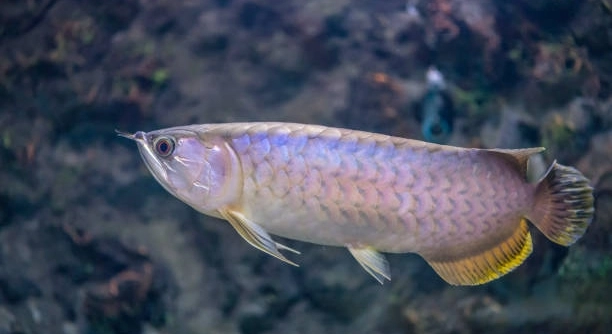
Is your Arowana swimming less than usual or hiding in corners of the tank? Observing subtle changes in behavior and appearance can help you detect early signs of distress and take action to protect your fish’s well-being.
Arowanas in distress often exhibit noticeable behavioral and physical changes, including lethargy, loss of appetite, abnormal swimming patterns, visible injuries, or discoloration. Identifying these signs promptly allows for timely intervention and improves the likelihood of recovery.
Recognizing the warning signs early can make a significant difference in maintaining your Arowana’s health and ensuring a comfortable environment for it to thrive.
Changes in Appetite
A sudden drop in appetite is one of the clearest signs that your Arowana may be stressed. Fish rely on regular feeding patterns, and missing meals or refusing food can indicate discomfort or illness. Stress can come from water quality issues, overcrowding, or sudden changes in the tank environment. Observing your fish during feeding times gives insight into its overall health. Small adjustments, such as checking water parameters or improving tank conditions, can help restore normal feeding behavior. It’s important to note whether this change is gradual or sudden, as rapid declines may require immediate attention. Nutritional deficiencies can also play a role, so providing varied and balanced meals is essential. Pay attention to the type of food your Arowana prefers and ensure it is appropriate for its species. A consistent routine helps reduce stress, making your fish more likely to eat regularly. Always monitor any accompanying symptoms to rule out disease.
Even a minor loss of appetite over a few days can indicate serious stress in your Arowana.
Tracking feeding habits and adjusting the tank environment can prevent long-term health problems and support recovery over time. Regular observation ensures early action when needed.
Abnormal Swimming Patterns
Erratic or unusual swimming is a strong indicator that your Arowana is under stress. Rapid darting, floating sideways, or sinking to the bottom without reason can reflect discomfort or illness. Stress often originates from poor water conditions, temperature fluctuations, or insufficient space. Maintaining stable conditions is essential for their well-being.
Abnormal swimming behavior can also signal internal issues such as parasites or organ stress. Monitoring movement patterns carefully can help you identify problems early.
If your Arowana begins swimming differently than usual, it is critical to check water parameters like pH, ammonia, nitrites, and temperature. Tank decorations and overcrowding can create obstacles or stress, prompting the fish to behave unusually. Some Arowanas react to sudden noise or vibrations, so maintaining a calm environment is helpful. In addition, diet and nutrition influence energy levels and swimming behavior; underfed or improperly fed fish may appear sluggish or erratic. Observing your Arowana consistently during the day and noting changes allows for quicker diagnosis of stress causes. Providing clean, well-oxygenated water with sufficient space reduces strain and encourages natural swimming patterns. Immediate action is necessary when abnormal swimming persists, as prolonged stress can weaken the immune system and increase susceptibility to disease.
Visible Injuries or Damage
Cuts, torn fins, or unusual marks on your Arowana indicate stress or poor conditions. Injuries often occur from sharp tank decorations, aggressive tank mates, or infections. Regular inspection helps identify problems early.
Injuries can worsen quickly if not addressed. Bacterial or fungal infections often develop at the site of damaged scales or fins. Prompt treatment with appropriate medications or salt baths can prevent complications. Removing sharp objects and ensuring tank mates are compatible reduces the risk of further harm. Stress weakens the immune system, making the fish more prone to infection. A clean tank with stable water conditions supports recovery and helps prevent recurring injuries. Observing behavior after injury is crucial to track healing progress.
Preventing injuries includes providing adequate space, soft decorations, and avoiding sudden movements around the tank. Monitoring interactions with other fish reduces the chances of aggression. Consistent care ensures your Arowana remains healthy and recovers quickly from minor damage.
Discoloration or Fading Colors
Fading or unusual changes in color often signal stress or illness in Arowanas. Vibrant colors usually indicate good health, while dull tones suggest discomfort.
Color changes can result from poor water quality, inadequate diet, or prolonged stress. Arowanas are sensitive to their environment, and even slight deviations in pH, temperature, or ammonia levels can affect pigmentation. Nutritional deficiencies, particularly a lack of carotenoids or protein, may cause fading. Monitoring both coloration and behavior together gives a clearer picture of health. Environmental stressors such as overcrowding, aggressive tank mates, or sudden lighting changes can further contribute to color loss. Proper filtration, regular water changes, and a balanced diet help maintain natural colors. Observing daily allows early intervention before more serious health issues develop.
Gasping at the Surface
Gasping at the water surface is often a sign that your Arowana is not getting enough oxygen. It may indicate poor aeration, high temperatures, or water quality issues that reduce oxygen levels in the tank.
Immediate attention is needed to improve water circulation and oxygenation. Increasing aeration with an air pump or adjusting the filter can help.
Clamped Fins
Clamped fins occur when the Arowana holds its fins close to the body instead of spreading them naturally. This behavior signals stress, illness, or discomfort in the tank environment.
Observing fin posture daily helps detect early signs of infection, parasites, or poor water conditions. Timely adjustments support recovery and prevent worsening stress.
Hiding or Lethargy
Extended periods of hiding or reduced movement suggest your Arowana is stressed or unwell. Lethargy often arises from illness, poor water quality, or environmental discomfort. Regular monitoring and prompt adjustments in tank conditions are crucial to restoring normal activity.
Rapid Gill Movement
Rapid gill movement indicates difficulty in breathing. It is commonly linked to low oxygen levels, high ammonia, or stress from the surrounding environment. Immediate assessment and correction of water conditions are essential to ensure your Arowana’s health.
FAQ
What should I do if my Arowana stops eating?
If your Arowana refuses food, first check the water quality, including ammonia, nitrite, nitrate levels, and temperature. Stress from sudden changes or overcrowding may also affect appetite. Offering varied foods, such as live or frozen prey, can help stimulate feeding. Monitor for other symptoms like lethargy or abnormal swimming.
How can I improve my Arowana’s swimming behavior?
Ensure the tank is large enough with proper filtration and stable water conditions. Remove any obstacles that could cause stress. Regular observation helps detect unusual movements early. Feeding high-quality, species-appropriate food also improves energy and natural swimming patterns. Avoid sudden disturbances around the tank.
Why is my Arowana’s color fading?
Fading colors usually indicate stress, poor nutrition, or suboptimal water conditions. Ensure proper diet with sufficient carotenoids and proteins. Maintain consistent temperature, pH, and cleanliness. Reducing stressors like aggressive tank mates or sudden lighting changes helps restore natural coloration over time.
What causes clamped fins, and how can I fix it?
Clamped fins often result from stress, poor water quality, or parasitic infections. Check water parameters and maintain stable conditions. Removing aggressive tank mates and improving aeration supports recovery. Medications may be necessary if parasites or bacterial infections are suspected.
How do I know if my Arowana is sick?
Signs of illness include lethargy, unusual swimming, loss of appetite, clamped fins, faded colors, rapid gill movement, or visible injuries. Monitoring behavior and physical appearance daily allows early intervention. Water quality, diet, and stress management are key to prevention.
Can stress affect my Arowana’s health long-term?
Yes, prolonged stress weakens the immune system and increases susceptibility to disease. Ensuring stable water conditions, a balanced diet, and a calm environment reduces long-term health risks. Early detection of behavioral changes is crucial for preventing chronic issues.
What should I do if my Arowana is gasping at the surface?
Gasping usually indicates low oxygen or poor water quality. Increase aeration, perform partial water changes, and check temperature and ammonia levels. Improving oxygen levels and reducing stressors helps your Arowana breathe comfortably and prevents further complications.
How often should I monitor my Arowana’s tank?
Daily observation of behavior, appetite, and physical appearance is essential. Weekly checks of water parameters, including ammonia, nitrites, nitrates, pH, and temperature, ensure a healthy environment. Regular monitoring prevents small issues from becoming serious problems.
What environmental changes can reduce Arowana stress?
Maintain consistent temperature, provide adequate space, avoid overcrowding, and reduce sudden noise or vibration near the tank. Adding hiding spots and soft decorations can improve comfort. Proper tank maintenance and a stable routine contribute to long-term stress reduction.
How do I prevent injuries in my Arowana?
Remove sharp decorations, ensure tank mates are compatible, and provide enough swimming space. Injuries often occur from collisions, aggression, or rough surfaces. Clean water and stable conditions support healing and prevent infections at injury sites.
Can diet impact my Arowana’s stress levels?
Yes, inadequate or unbalanced diet can weaken immunity and increase stress. Feed a variety of protein-rich foods and include supplements when necessary. Consistent feeding schedules and avoiding overfeeding also contribute to overall well-being.
How do I know if my Arowana is recovering from stress?
Signs of recovery include normalized appetite, improved swimming, vibrant colors, and relaxed fin posture. Regular observation and continued maintenance of optimal water conditions help ensure the Arowana returns to healthy behavior.
What is the most important factor in keeping an Arowana healthy?
Consistent water quality, proper nutrition, sufficient space, and stress reduction are essential. Daily observation and early intervention when problems arise ensure your Arowana thrives and maintains long-term health.
This FAQ covers the key aspects of identifying and addressing Arowana distress, focusing on practical steps for prevention, monitoring, and treatment. By applying these measures consistently, owners can support their fish’s health and well-being effectively.
Caring for an Arowana requires attention to both its environment and daily behavior. These fish are sensitive to changes in water quality, temperature, and tank conditions. Even small fluctuations can cause stress, which may show up as changes in appetite, swimming patterns, or color. Observing your Arowana closely allows you to notice any unusual signs early. Regular checks of water parameters, including pH, ammonia, nitrites, and temperature, are essential to prevent health issues before they become serious. Providing a stable environment helps the fish feel secure and reduces the risk of long-term stress. Adjustments like proper filtration, aeration, and appropriate tank size contribute to overall well-being and create conditions that mimic its natural habitat.
Nutrition plays a key role in keeping your Arowana healthy and resilient. A well-balanced diet ensures that the fish receives essential nutrients needed to maintain energy, vibrant colors, and strong immunity. Offering a variety of foods, including live, frozen, and prepared options, helps prevent nutritional deficiencies. Feeding routines should be consistent, and portions should be appropriate to avoid overfeeding, which can lead to water quality issues. When combined with a clean and stable tank environment, proper nutrition supports recovery from stress and illness. Observing how your Arowana reacts to different foods can also provide insight into its overall health. Any sudden loss of appetite or preference for unusual foods may indicate underlying issues that need attention. Maintaining dietary balance alongside proper tank conditions ensures the fish thrives both physically and behaviorally.
Preventing stress and recognizing early signs of distress are the most important steps in Arowana care. Behaviors such as hiding, clamped fins, rapid gill movement, or faded colors should never be ignored, as they are often indicators of discomfort or illness. Addressing these signs promptly can prevent more severe problems and improve the fish’s chances of recovery. Environmental factors, such as avoiding overcrowding, removing sharp decorations, and reducing sudden disturbances, make a significant difference in maintaining a calm and healthy tank. Consistent observation, proper nutrition, and clean water conditions work together to support the fish’s natural behaviors and overall health. Paying attention to these details ensures that your Arowana remains active, vibrant, and resilient, allowing you to enjoy a thriving and visually striking fish in your tank for years to come.

Hello,
If you enjoy the content that we create, please consider saying a "Thank You!" by leaving a tip.
Every little bit helps us continue crafting quality advice that supports the health, happiness, and well-being of pets around the world, for pets of all shapes, sizes, and species.
We really appreciate the kindness and support that you show us!