
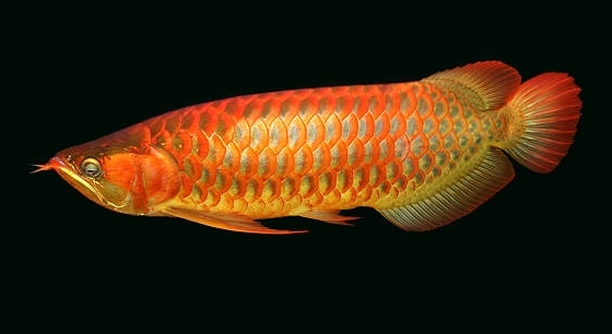
Arowanas are graceful fish that many aquarium enthusiasts admire for their beauty. They are active swimmers, gliding smoothly through the water, often drawing attention with their shimmering scales and elegant movements across the tank.
Arowanas generally prefer slow to moderate water flow rather than fast currents. High-speed water can stress them, disrupt their natural swimming patterns, and impact feeding behavior, whereas a stable, controlled flow supports their overall health and well-being.
Understanding their preferred water conditions helps maintain a healthier environment. Knowing how flow affects behavior and health can make a significant difference in your aquarium setup.
Why Water Flow Matters for Arowanas
Water movement in an aquarium affects Arowanas more than most people realize. These fish have strong, streamlined bodies designed for steady swimming, but they are not built for battling strong currents constantly. Fast-flowing water can tire them out and reduce their appetite. It can also stress their gills, making it harder for them to breathe properly. Arowanas prefer areas in the tank where they can glide smoothly without fighting the flow. This is why tank setups often include zones with varying water speeds, allowing the fish to choose calmer areas. Even moderate currents can help with oxygen circulation, but too much motion disrupts their natural behavior. Observing how your Arowana swims will tell you a lot about whether the water flow suits it. You might notice it avoiding certain areas or swimming against the current with visible effort, which signals that adjustments are needed for its comfort and health.
Maintaining proper flow ensures Arowanas remain healthy and active, reducing stress-related illnesses and promoting natural feeding behaviors consistently.
Creating a tank environment with gentle water movement is essential. Filters, powerheads, and pumps should be positioned to create subtle currents instead of strong waves. Plants, rocks, or driftwood can help break the flow, giving your Arowana spots to rest. Regular observation is key; fish behavior often indicates whether changes are necessary. Gradually adjusting flow allows them to adapt without shock. The right balance supports their physical health, reduces aggression, and encourages natural swimming patterns. Healthy water movement also helps keep the tank cleaner by preventing stagnant areas. With thoughtful placement of equipment and decorations, your Arowana can enjoy both movement and calm zones, mirroring conditions closer to their natural habitat.
Signs Your Arowana Dislikes Strong Currents
If your Arowana constantly swims against the current or hides behind decorations, it may be overwhelmed by water flow. Stress can affect feeding habits and overall health.
Frequent exposure to strong currents can lead to exhaustion, reduced growth, and weakened immunity. Fish may also become more prone to injuries if forced to maneuver quickly in turbulent water. Even subtle signs, like erratic swimming or refusal to eat near fast-moving areas, indicate that adjustments are needed. Changing the filter output, repositioning equipment, or adding flow breaks can make a significant difference. Monitoring these behaviors ensures that the tank provides an environment where the Arowana feels secure. Proper water flow is not just about oxygenation—it is a critical part of keeping these fish physically and mentally healthy. By observing their responses and making gradual modifications, you can maintain a balanced tank that supports natural swimming, feeding, and resting behaviors, ultimately creating a stable and stress-free habitat.
Adjusting Water Flow for Comfort
Arowanas thrive in tanks where water flow is moderate. Too strong a current can exhaust them, while too little movement can cause stagnant water. Adjusting filter output and pump placement ensures a balanced flow suitable for their natural swimming behavior.
Gentle currents encourage healthy exercise without stressing the fish. Positioning filters at angles or using flow diffusers can create a calm zone while still circulating oxygen-rich water. Adding decorations like driftwood or rocks further breaks up fast streams, giving the Arowana resting areas. Observing how your fish reacts to different zones helps determine the ideal flow. Some Arowanas enjoy exploring slightly faster water, but overall, they need areas where swimming requires minimal effort. Balancing these zones supports feeding, reduces stress, and maintains their natural patterns. Gradual changes prevent shock and let the fish adapt comfortably.
Monitoring your Arowana regularly ensures adjustments work effectively. Watch for fatigue or avoidance behavior, which signals the need for further tweaks. A proper balance of calm and moving water is key to sustaining long-term health and a natural swimming rhythm.
Equipment Tips for Proper Flow
Choosing the right equipment impacts water movement and overall tank health. Filters and pumps should match tank size and fish needs, avoiding excessive turbulence.
Powerheads and canister filters can provide steady circulation if placed thoughtfully. Use adjustable outputs to control flow speed and create gentle currents. Flow deflectors or sponge covers soften strong streams, preventing Arowanas from struggling. Properly maintained equipment ensures consistent oxygenation while minimizing stress. Regular observation helps detect areas where flow is too strong or stagnant. Experimenting with placement allows the tank to have zones of both calm and mild currents, letting the fish choose where to swim. Ensuring a balanced flow keeps water quality high and encourages natural behavior. Proper equipment management is essential to creating a comfortable, safe habitat for these delicate fish.
Ideal Tank Setup
Arowanas need a tank with open swimming space and gentle water flow. Decorations should provide hiding spots without creating strong currents. Proper layout ensures comfort and reduces stress, supporting natural swimming and feeding behaviors.
Using driftwood, rocks, or plants can break up flow and create resting areas. These additions make it easier for Arowanas to navigate the tank while maintaining oxygen circulation. Even minor adjustments can significantly improve comfort. Observing your fish helps identify which zones it prefers, letting you fine-tune placement. Balance is key—too many obstacles restrict movement, but too few leave them exposed to fast currents.
Monitoring Fish Behavior
Watch for signs of stress, fatigue, or refusal to eat near strong currents. Behavior indicates whether water flow needs adjustment.
Arowanas showing erratic swimming, hiding frequently, or avoiding certain areas likely experience discomfort from current strength. Regular observation helps maintain a healthy environment. Adjusting pumps, filters, or decorations in response to these behaviors ensures the fish can swim naturally, rest safely, and feed effectively. Paying attention to patterns over days rather than hours gives a clearer picture of flow tolerance, helping to create a balanced tank that meets both physical and behavioral needs.
Flow Adjustment Techniques
Gradually reduce or redirect filter output to create calmer zones. Small changes prevent sudden stress and allow adaptation.
Common Mistakes
Overpowering pumps or poor decoration placement can create unnecessary strong currents, stressing Arowanas and affecting health.
FAQ
Do Arowanas like fast-flowing water?
Arowanas generally prefer slow to moderate water flow. Strong currents can stress them, tire them out, and interfere with feeding. They are built for smooth, steady swimming, so calmer areas with gentle circulation allow them to move naturally and stay healthy.
Can fast currents harm my Arowana?
Yes. Constant exposure to strong currents can cause exhaustion, gill irritation, and reduced appetite. Over time, it may also affect their growth and immunity. Observing your Arowana for signs like hiding, erratic swimming, or avoiding certain areas helps identify when flow adjustments are needed.
How do I adjust water flow in my tank?
You can adjust flow by repositioning filters, using flow deflectors, or adding decorations like rocks or driftwood to break currents. Many filters have adjustable outputs. Gradually modifying flow prevents shock and allows the fish to adapt comfortably without stress.
What equipment is best for maintaining gentle flow?
Canister filters, sponge filters, and adjustable powerheads are suitable. Sponge covers or flow diffusers help soften strong streams. Properly sized equipment ensures circulation without creating turbulence that stresses your Arowana. Placement and maintenance play a key role in keeping flow balanced.
How do I know if the flow is too strong?
Signs include frequent swimming against the current, fatigue, hiding behind decorations, or refusal to eat near fast-moving water. Watching behavior over time provides the clearest indication. Adjust flow gradually and observe how the fish responds to find the right balance.
Are there benefits to moderate water flow?
Yes. Moderate currents help with oxygenation, waste removal, and gentle exercise, supporting overall health. They also encourage natural swimming patterns without causing stress, which helps Arowanas feed better and maintain strong muscles and coordination.
Can tank decorations help control water flow?
Absolutely. Driftwood, rocks, and plants break up strong currents, creating resting zones. Strategic placement allows the fish to navigate comfortably while keeping water movement steady. Observing where your Arowana spends time can guide decoration placement for optimal comfort.
How often should I monitor water flow?
Regular observation is essential. Daily checks for behavior and movement patterns help detect issues early. Over weeks, you can fine-tune placement of equipment and decorations to ensure both calm and mildly flowing zones exist. This keeps your fish comfortable long-term.
Does tank size affect flow preferences?
Yes. Larger tanks may require stronger circulation to maintain oxygenation, but Arowanas still prefer calmer zones. Balancing flow in larger tanks often involves multiple pumps or diffusers to ensure gentle currents without overwhelming the fish.
Can I let my Arowana swim in stronger currents occasionally?
Occasional exposure is fine if the fish chooses to explore faster water. However, prolonged exposure should be avoided as it can lead to stress, fatigue, or injury. Providing zones of calm water ensures they always have a place to rest safely.
What if my Arowana ignores the calm areas?
This may indicate tank design issues or equipment misplacement. Check for hidden strong currents or visual disturbances. Ensuring resting zones are easily accessible and free from direct strong flow encourages natural use of calmer areas.
How do I balance flow and filtration?
Filtration should maintain water quality while keeping currents gentle. Use adjustable filters and position intakes or outputs to create even circulation. Combining multiple smaller devices instead of one strong pump often provides a more comfortable environment for Arowanas.
Can water flow affect feeding habits?
Yes. Strong currents may scatter food or make swimming to reach it tiring. Gentle flow ensures they can eat without struggle, reducing wasted food and promoting consistent growth and health. Observing feeding behavior helps gauge whether current adjustments are needed.
Is it safe to use powerheads in an Arowana tank?
Powerheads can be used if carefully adjusted. Strong direct streams should be avoided. Position them to circulate water gently or use diffusers. Monitoring behavior ensures your Arowana swims comfortably without stress from excessive flow.
How do I create a natural swimming environment?
A mix of calm and mildly flowing areas, combined with open swimming space and strategic decorations, mimics their natural habitat. Gradual adjustments, careful equipment placement, and ongoing observation help maintain a safe, healthy, and stress-free tank environment for your Arowana.
How long does it take for an Arowana to adapt to flow changes?
Adaptation varies but usually takes a few days to a week. Gradual changes prevent stress. Observe swimming patterns, feeding, and resting behavior to ensure they adjust comfortably without signs of fatigue or avoidance.
Can temperature affect how Arowanas handle currents?
Yes. Higher temperatures increase activity, making strong currents more tiring. Cooler water slows metabolism, which may make even moderate currents challenging. Maintaining stable water conditions complements proper flow management.
Are juvenile Arowanas more sensitive to flow than adults?
Juveniles are often more sensitive because of smaller size and developing muscles. They may struggle more with strong currents, so creating calmer zones and gentle circulation is especially important during early growth stages.
Does flow impact tank cleanliness?
Moderate flow helps prevent stagnant areas, promoting even distribution of oxygen and efficient waste removal. Too much turbulence, however, can stir debris, making cleaning harder. Balancing flow keeps water quality stable while maintaining a comfortable environment.
What’s the best way to test flow changes?
Gradually adjust equipment output or reposition decorations and observe behavior for several days. Look for swimming patterns, feeding responses, and use of calm zones. Incremental changes ensure your Arowana remains comfortable and reduces the risk of stress or injury.
How often should equipment be maintained to preserve flow?
Filters, pumps, and diffusers should be cleaned at least monthly, or as recommended by the manufacturer. Regular maintenance prevents blockages that alter flow patterns and keeps currents consistent, protecting both water quality and fish health.
Can other fish affect how an Arowana experiences flow?
Yes. Active tankmates may create additional movement or turbulence. Observing interactions ensures your Arowana has calm areas to retreat and maintain control over its swimming environment. Balancing species and placement helps maintain gentle currents.
What’s the simplest indicator that flow is ideal?
When your Arowana swims naturally, feeds regularly, and rests without hiding from currents, the water flow is likely balanced. Consistent behavior over time is the most reliable sign of proper conditions, indicating comfort and healthy swimming patterns.
Do seasonal changes affect flow preferences?
Seasonal temperature shifts can alter activity levels, indirectly affecting how fish handle currents. Adjusting flow slightly during warmer or cooler periods ensures continued comfort and supports natural behavior year-round.
Is it necessary to measure flow speed?
While not mandatory, using a flow meter can provide a clear idea of water movement. This is especially useful in larger tanks, helping create calm zones and prevent accidental overexposure to strong currents.
Can I replicate river conditions in an aquarium?
Yes, but with caution. Mimicking gentle river currents with zones of calm water and open swimming space supports natural behavior. Avoid continuous strong flow, as it stresses Arowanas more than it benefits them.
Does tank shape influence flow patterns?
Long, rectangular tanks are easier to manage for gentle currents, while square or small tanks may create turbulence. Equipment placement and decorations help shape currents to suit your Arowana’s preferences.
What are the long-term effects of improper flow?
Consistently strong currents can lead to chronic stress, reduced growth, weakened immunity, and abnormal swimming patterns. Proper flow management is essential for maintaining health and longevity in captive Arowanas.
Can Arowanas adapt to stronger flow over time?
Some can gradually adjust if currents increase slowly. However, constant strong currents are generally not ideal, and stress or injury risk remains. Providing calm zones ensures long-term comfort and safety.
How important is observation compared to measuring equipment specs?
Observation is crucial. Even if equipment specs suggest proper flow, your Arowana’s behavior is the best indicator of comfort. Adjust based on actual swimming, feeding, and resting patterns rather than relying solely on numbers.
Do water additives or treatments affect flow needs?
Not directly, but any change in water chemistry can alter fish behavior, indirectly affecting how they respond to currents. Ensuring stability in both chemistry and flow creates a healthier, less stressful environment.
What if I have multiple Arowanas in one tank?
Multiple Arowanas need more swimming space and balanced flow. Strong currents may stress shy individuals, so creating zones of calm and mild flow helps all fish coexist comfortably. Observation is key to ensuring each fish has access to preferred areas.
Are flow preferences the same for all Arowana species?
Most species prefer moderate flow, but small variations exist. Observing individual behavior and adapting the tank setup accordingly ensures that each species or individual feels comfortable and safe in the aquarium.
Does water level affect flow experience?
Higher water levels allow more gradual circulation, while shallow tanks can create stronger localized currents. Adjusting equipment and layout for tank depth ensures flow remains gentle and suitable for Arowanas.
Can flow affect breeding behavior?
Yes. Excessive currents may discourage spawning or disrupt fry movement. Calm areas are essential for natural breeding behavior and fry development, supporting a healthy reproduction process.
How do I maintain flow while preventing debris accumulation?
Position filters and pumps to circulate water evenly. Adding gentle currents in combination with decorations can prevent debris from settling in one area, keeping water clean while maintaining comfortable swimming zones.
Is there a risk of injury from strong currents?
Yes. Rapid water movement can force Arowanas into objects or the tank walls, leading to physical damage. Providing calm zones and careful equipment placement reduces this risk and protects their long, delicate bodies.
How can I fine-tune flow for maximum comfort?
Observe behavior, adjust filter output gradually, use flow breakers, and monitor feeding and resting patterns. Combining equipment adjustments with decorations allows precise control, creating a tank environment that supports natural swimming and reduces stress consistently.
Can temperature, flow, and oxygen levels interact?
Yes. Higher temperatures increase activity, making strong currents more taxing. Proper oxygenation, gentle flow, and stable temperature work together to support health and natural behavior in Arowanas.
Should I prioritize flow or aesthetics when arranging the tank?
Flow should take priority for the fish’s health, while aesthetics can follow. Decorations can serve both purposes by creating visually appealing areas that also break currents and provide resting zones.
What’s the most common flow mistake for beginners?
Beginners often overestimate the pump size needed, creating strong currents that exhaust Arowanas. Gradually adjusting flow and observing behavior is more effective than relying on equipment specs alone.
Can I use adjustable outlets for seasonal changes?
Yes. Adjusting outlets allows flow modifications as temperature, activity, and water conditions change, keeping your Arowana comfortable year-round.
How often should I reassess flow needs?
Monthly or when introducing new equipment, decorations, or tankmates. Regular reassessment ensures the environment continues to suit the Arowana’s swimming and resting preferences over time.
Are there alternative methods to measure flow besides meters?
Observation of fish behavior, floating objects, or gentle flow indicators like plants can show where currents are too strong or weak, providing practical insight without specialized tools.
Does light placement influence perceived flow?
Indirectly. Bright light may make Arowanas seek shaded or calmer areas, which could be misinterpreted as a flow issue. Observing behavior in natural lighting helps identify true flow preferences.
How does water hardness or pH affect flow tolerance?
Not directly, but sudden changes in water chemistry can stress fish, making them less tolerant of currents. Stable water conditions support natural responses to flow and overall comfort.
Is there a benefit to creating micro-zones with different flows?
Yes. Providing zones of calm, mild, and slightly faster flow allows Arowanas to choose based on activity, rest, or feeding needs. This supports natural behavior and reduces stress consistently.
What is the easiest way to start adjusting flow?
Begin by lowering filter output slightly or adding a decoration to break current in one area. Observe the Arowana’s response before making further adjustments. Small, gradual changes are safer and more effective.
Can flow adjustments impact other tank inhabitants?
Yes. Some species may prefer faster or slower currents, so consider all fish when modifying flow. Creating zones accommodates multiple species while keeping Arowanas comfortable.
Are there seasonal considerations for adjusting flow?
Temperature and fish activity fluctuate seasonally. Adjusting flow slightly to account for these changes ensures consistent comfort and reduces stress during warmer or cooler periods.
Do Arowanas ever enjoy exploring stronger currents?
Occasionally, but only if they can return to calmer zones. Providing choice lets them exercise naturally without being forced into tiring conditions, maintaining health and natural behavior.
Is flow more critical than water temperature?
Both are important, but flow directly affects movement, stress, and feeding. Temperature influences metabolism, indirectly affecting tolerance to currents. Managing both ensures optimal comfort and health.
How much observation time is needed to understand preferences?
Several days to a week provides a clear picture. Track swimming, feeding, and resting patterns to determine ideal flow levels for your Arowana.
Can over-filtering harm Arowanas?
Yes. Excessive water movement or turbulence from oversized filters can stress them, making calm zones essential for balance. Proper sizing and adjustable output prevent harm.
Does flow affect parasite or algae growth?
Moderate flow helps prevent stagnant spots where algae or parasites thrive. Too much turbulence can disperse debris, but maintaining gentle circulation reduces buildup without stressing fish.
Can flow impact coloration?
Indirectly. Stress from strong currents can dull coloration, while a comfortable environment with gentle flow supports vibrant scales and healthy overall appearance.
How do I combine flow and hiding spots?
Use decorations to break currents and provide shelter. Position them so the Arowana can swim freely but always retreat from faster-moving water when needed. Observation ensures balance between movement and security.
Can Arowanas adapt if I can’t create perfect flow zones?
They can tolerate less-than-ideal conditions temporarily, but long-term exposure to strong currents increases stress and health risks. Prioritizing calm areas improves survival and well-being.
Is there a way to test if flow adjustments are effective?
Observe feeding, resting, and swimming patterns. Fish that explore, eat readily, and rest comfortably indicate proper flow. Adjust incrementally and reassess behavior to confirm success.
Can multiple pumps create better flow than one strong pump?
Yes. Multiple smaller pumps distribute water movement evenly, preventing strong localized currents. Combined with decorations, this creates zones of calm, mild, and slightly stronger flow without stressing Arowanas.
How do I balance water clarity and gentle flow?
Moderate circulation prevents stagnant spots while avoiding excessive turbulence that stirs debris. Proper filtration and subtle flow adjustments maintain clarity and comfort simultaneously.
Is trial and error necessary for flow optimization?
Yes. Each tank setup, Arowana species, and individual fish responds differently. Gradual testing, observation, and adjustment ensure the environment matches natural swimming preferences.
Can flow affect social behavior among multiple Arowanas?
Yes. Strong currents may increase stress or territorial aggression. Creating calm zones allows fish to interact naturally without being forced into tiring conditions.
Are there signs of long-term flow stress?
Chronic hiding, lethargy, poor appetite, and uneven growth indicate prolonged exposure to unsuitable currents. Timely adjustments prevent lasting health issues.
Does water chemistry influence flow tolerance?
Indirectly. Stable pH, hardness, and temperature support normal activity, which affects how comfortably Arowanas handle currents. Sudden changes can make even moderate flow stressful.
Can flow adjustments support breeding success?
Yes. Calm zones encourage spawning and fry development, as strong currents can disrupt reproductive behavior and fry survival. Proper balance is critical during breeding periods.
What’s the safest approach to increasing flow gradually?
Lower output incrementally or reposition equipment slightly. Monitor behavior daily, focusing on swimming, feeding, and resting. Small steps prevent stress and allow natural adaptation.
How do I maintain calm zones in a large tank?
Use decorations, strategically placed pumps, and diffusers. Observe preferred resting areas and adjust flow to keep them accessible. Multiple zones help accommodate exploration without forcing exhaustion.
Can lighting or plants influence perceived flow?
Yes. Bright light or dense plant placement can encourage hiding or reduce activity. Consider both when assessing flow preference to avoid misinterpreting behavior.
Is it necessary to adjust flow as fish grow?
Yes. Larger Arowanas may handle slightly stronger currents, while juveniles need calm areas. Gradual adjustments ensure comfort for all growth stages.
Do different tank shapes affect Arowana comfort?
Long tanks allow smoother circulation and open swimming space, while smaller or square tanks may produce turbulence. Proper equipment placement helps reduce strong currents in challenging layouts.
What’s the best combination of decorations and equipment for balanced flow?
Driftwood, rocks, and plants paired with adjustable filters or powerheads create calm and mildly flowing zones. Observing behavior guides placement, ensuring the Arowana has both resting spots and swimming areas.
How do I prevent sudden flow changes from scaring the fish?
Make gradual adjustments and avoid abrupt equipment shifts. Observing daily behavior ensures they adapt without stress or disorientation.
Can flow adjustments help with tankmates?
Yes. Creating zones of different speeds accommodates multiple species, allowing each to swim comfortably and reducing stress or territorial conflicts.
How do I know when flow is perfect?
When the Arowana swims naturally, feeds consistently, and uses calm zones without stress, the flow is likely ideal. Observing patterns over time confirms long-term comfort.
Does water level influence flow strength?
Higher levels disperse currents, while shallow tanks may produce stronger localized flow. Adjust placement and output accordingly to maintain comfort.
Are there any flow considerations for nighttime?
Some Arowanas rest near calmer zones at night. Ensuring reduced turbulence and gentle circulation supports proper rest and recovery, promoting overall health.
Can seasonal or environmental changes affect flow needs?
Yes. Temperature shifts, activity levels, and new equipment can alter tolerance. Adjust flow as needed to maintain a stable, comfortable environment year-round.
Is observation more important than measuring equipment specs?
Absolutely. Specs provide guidance, but behavior—swimming patterns, feeding, resting—is the most reliable indicator of proper flow for your Arowana.
How do I prevent stress while testing different flow levels?
Make small, gradual changes and monitor behavior closely. Ensure calm zones remain accessible. Avoid sudden adjustments that may exhaust or frighten the fish.
Can poor flow affect scale or fin health?
Yes. Constant stress from strong currents can cause fraying fins, scale damage, or dull coloration. Calm zones help maintain physical health and appearance.
How long should I monitor after a flow change?
Several days to a week allows
Arowanas are remarkable fish that require a careful balance of conditions to stay healthy and happy. One of the most important factors in their environment is water flow. While they are strong swimmers, they are not built to endure constant fast currents. Gentle to moderate movement allows them to swim naturally without becoming stressed or exhausted. Observing how your Arowana moves in the tank gives clear insight into what flow level suits them best. When they glide effortlessly, explore their surroundings, and feed without struggle, it is a good indication that the water flow is appropriate. Creating zones of calm and mild flow in the tank supports their comfort, giving them areas to rest and places to exercise.
Proper water flow not only affects swimming behavior but also plays a significant role in overall health. Strong currents can tire fish, disrupt feeding patterns, and even cause physical strain over time. Conversely, stagnant water can reduce oxygenation and encourage debris buildup, which can harm your fish. Balancing equipment output, such as filters and powerheads, with tank decorations helps create a stable environment. Driftwood, rocks, and plants can be strategically placed to break up fast-moving water and form resting spots. Gradual adjustments to flow prevent sudden stress, allowing the Arowana to adapt naturally. Regular observation is essential, as even subtle changes in swimming or feeding behavior can indicate whether modifications are needed.
Maintaining a comfortable water flow contributes to long-term health, growth, and natural behavior. By combining proper tank design, equipment placement, and careful monitoring, you can ensure that your Arowana enjoys both exercise and rest without unnecessary strain. Different individuals may have slightly different preferences, so paying attention to your fish’s responses is key. Calm zones, moderate currents, and gentle circulation support feeding, oxygenation, and mental well-being. Over time, creating this balanced environment allows your Arowana to thrive while reducing the risk of stress-related illness or injury. Ultimately, understanding and adjusting water flow is a practical and essential step in providing a safe, stable, and comfortable home for your Arowana, helping it live a long, healthy life while displaying its natural grace and elegance.

Hello,
If you enjoy the content that we create, please consider saying a "Thank You!" by leaving a tip.
Every little bit helps us continue crafting quality advice that supports the health, happiness, and well-being of pets around the world, for pets of all shapes, sizes, and species.
We really appreciate the kindness and support that you show us!