
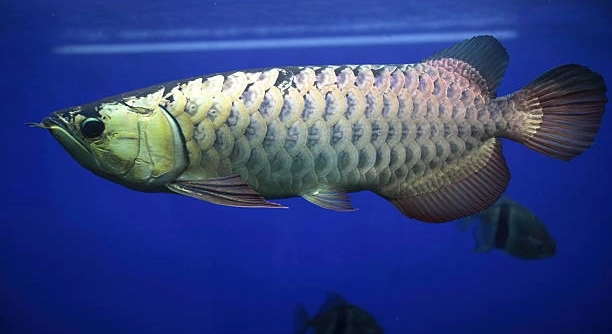
Are your arowanas showing subtle changes in their eyes that catch your attention? Eye cloud is a common issue that can affect their vision and overall health if not addressed early. Recognizing it promptly is important.
Eye cloud in arowanas is often caused by bacterial infections, poor water quality, or nutritional deficiencies. Early signs include cloudy or milky eyes, slight swelling, and changes in behavior, which can be detected before severe damage occurs and treated effectively.
Noticing these early signs can help maintain your arowanas’ health and prevent more serious complications in the future. Awareness is key for their long-term well-being.
Cloudy or Milky Eyes
Arowanas with cloudy or milky eyes are showing one of the earliest signs of eye cloud. This condition can develop gradually, often starting as a slight haze over the pupil or lens. Over time, the cloudiness may increase, affecting their vision and making them more cautious or hesitant when swimming. Poor water conditions, inadequate filtration, or sudden changes in temperature can all contribute to this problem. It’s important to check the aquarium regularly, observing how your fish react to light and movement. Cloudy eyes are not always painful, but they can indicate underlying issues that, if left untreated, may lead to infections or permanent damage. Maintaining clean water and providing a balanced diet helps prevent eye problems. Consistency in care is crucial, as stress or irregular feeding can worsen the condition. Identifying the issue early gives you a chance to intervene and protect your arowana’s eyesight and overall health.
Eye cloud is often visible even in well-lit tanks, making early detection easier with careful observation.
Regular monitoring, paired with preventive care, ensures your arowanas stay healthy and reduces the risk of more severe eye conditions over time.
Swelling Around the Eyes
Swelling or puffiness around the eyes can indicate infection or irritation. It may be mild at first but should not be ignored.
Persistent swelling often signals bacterial or parasitic infections that need prompt attention. Water quality issues, such as high ammonia or nitrite levels, can also cause inflammation. Nutritional deficiencies, particularly in vitamins A and D, may contribute to tissue swelling. Observing feeding habits and behavior helps identify underlying problems. Swollen eyes can reduce a fish’s ability to hunt or interact normally, which can affect growth and overall vitality. Treatment includes maintaining excellent water quality, adding necessary supplements, and isolating affected fish if needed to prevent spreading. Arowanas with swelling often respond well to early interventions, and timely action can restore eye health before vision is permanently affected. Tracking changes in both the eye’s appearance and the fish’s behavior is key to determining the appropriate course of action and maintaining a thriving tank environment.
Behavior Changes
Arowanas with eye cloud may start acting differently. They can become less active, avoid swimming in open areas, and show hesitation when approaching food.
Changes in behavior often accompany visual impairment. Fish may bump into tank decorations or hesitate near other fish. Arowanas rely heavily on sight for feeding and interaction, so even mild cloudiness can make them cautious. Reduced activity or a shift in swimming patterns signals that something is affecting their vision. Observing these subtle changes helps detect eye cloud early, allowing timely intervention. Ensuring water quality and monitoring diet can minimize stress that worsens these behavioral shifts.
Behavioral changes are often the first sign that your arowana’s vision is affected. Prompt observation and careful care can prevent further complications and help restore normal activity levels.
Loss of Appetite
Arowanas affected by eye cloud sometimes eat less or ignore food. Reduced feeding is a clear warning sign.
Loss of appetite can occur because the fish struggles to see food or feels discomfort from swelling or irritation in the eyes. Prolonged poor vision may make hunting difficult, leading to decreased interest in meals. Poor nutrition can worsen eye conditions, creating a cycle that affects overall health. Providing easily visible food and maintaining stable tank conditions can help support feeding. Supplements that strengthen immune function may assist recovery and prevent further vision deterioration. Regular monitoring ensures early intervention and proper care.
Tracking feeding habits closely can reveal early problems. Consistent observation allows you to address eye cloud before it severely impacts your arowana’s health and growth.
Cloudiness in One Eye
Sometimes eye cloud affects only one eye. The difference can be subtle but noticeable.
Uneven cloudiness often points to localized infection or injury. Monitoring each eye separately helps identify the severity and allows for targeted treatment, preventing the condition from spreading.
Rubbing Against Objects
Arowanas may rub their eyes or bump into decorations. This is a reaction to irritation or discomfort.
Persistent rubbing can worsen swelling and cloudiness. Ensuring clean water and smooth tank surfaces minimizes harm. Treating underlying infections reduces the need for this behavior and helps restore comfort and eye health.
Faded Color Around Eyes
Discoloration or dullness around the eyes often accompanies clouding. It can signal stress or poor health.
Maintaining proper nutrition and tank conditions helps prevent further deterioration. Observing color changes early ensures timely intervention, supporting recovery and overall well-being.
FAQ
What causes eye cloud in arowanas?
Eye cloud is usually caused by poor water quality, bacterial infections, or nutritional deficiencies. Sudden changes in temperature or stress can also trigger the condition. Monitoring water parameters and maintaining a balanced diet are key to preventing early onset and reducing long-term damage.
Can eye cloud be reversed?
In many cases, early intervention can reverse eye cloud. Cleaning the tank, improving filtration, and using appropriate supplements or treatments can restore eye clarity. Severe cases may result in permanent cloudiness, making prevention and prompt action essential.
How can I improve my arowana’s vision?
Ensuring clean, stable water conditions and providing a nutrient-rich diet supports eye health. Adding vitamin supplements, particularly vitamins A and D, can strengthen the eyes and reduce susceptibility to infections. Avoiding overcrowding also helps minimize stress-related vision issues.
Is eye cloud painful for arowanas?
Eye cloud is not always painful, but irritation and swelling can cause discomfort. Fish may rub their eyes against objects or swim cautiously to avoid collisions. Addressing the underlying cause usually alleviates discomfort and improves behavior.
Should I isolate a fish with eye cloud?
Isolation is recommended if the clouding is caused by bacterial or parasitic infections. This prevents the spread to other fish and allows targeted treatment. Maintain the same water quality and feeding routine in the quarantine tank to minimize stress.
How long does it take for eye cloud to develop?
Eye cloud can appear gradually over several days or weeks. Slow clouding often results from nutritional deficiencies or mild infections, while rapid development usually indicates severe infections or poor water quality that require immediate attention.
Can water quality alone cause eye cloud?
Yes. High ammonia, nitrite, or nitrate levels can damage the eyes and lead to cloudiness. Regular testing, partial water changes, and maintaining proper filtration are critical steps to prevent eye damage and ensure overall fish health.
Are there any home remedies for eye cloud?
Simple measures include improving water quality, feeding high-quality food, and adding vitamins. Mild infections may respond to over-the-counter treatments. Severe cases, however, should be addressed with professional advice or prescription medications to prevent permanent damage.
Does diet play a role in eye cloud?
Nutrition is very important. A lack of essential vitamins and minerals weakens the immune system and can contribute to eye cloud. Providing a varied diet of live, frozen, or high-quality pellets helps maintain eye health and reduces susceptibility to infections.
Can eye cloud affect my arowana’s behavior?
Yes. Cloudy vision makes fish more cautious, less active, and hesitant to feed. They may bump into tank objects or swim awkwardly. Monitoring these behavioral changes can help detect eye issues early and guide timely intervention to restore normal activity.
How do I know if eye cloud is bacterial or nutritional?
Bacterial infections often come with swelling, redness, or discharge. Nutritional deficiencies may show as gradual clouding without swelling, sometimes with faded colors around the eyes. Observing both physical and behavioral signs helps determine the underlying cause.
Is it possible to prevent eye cloud entirely?
While nothing guarantees complete prevention, maintaining excellent water quality, avoiding stress, providing proper nutrition, and monitoring your arowanas closely greatly reduce the risk. Early detection and consistent care are the most effective strategies to protect eye health and overall well-being.
Can multiple arowanas develop eye cloud at the same time?
Yes. If the cause is environmental, like poor water conditions or infectious agents, more than one fish may be affected simultaneously. Acting quickly by improving water quality and isolating sick fish can limit the spread and reduce long-term impacts.
What signs indicate eye cloud is worsening?
Increasing cloudiness, swelling, or changes in color around the eyes indicate progression. Behavioral changes, such as reduced activity, hesitancy in feeding, or frequent rubbing against objects, also signal that the condition is becoming more severe and needs immediate attention.
When should I consult a professional?
If home measures fail to improve eye clarity, or if the arowana shows severe swelling, rapid clouding, or infection, professional guidance is recommended. A veterinarian can provide accurate diagnosis, prescribe treatment, and advise on long-term prevention strategies.
Eye cloud in arowanas is a condition that requires attention and consistent care. It often begins subtly, with slight changes in eye appearance, behavior, or feeding habits. Early recognition of these signs is crucial because timely intervention can prevent more serious complications. Many factors contribute to eye cloud, including water quality, nutritional deficiencies, and infections. Maintaining a clean, stable tank environment and monitoring water parameters like ammonia, nitrite, and nitrate levels are fundamental steps to protecting your fish’s health. Simple practices, such as regular partial water changes and using proper filtration, can make a significant difference in preventing eye cloud and supporting overall well-being.
Diet also plays a critical role in maintaining healthy eyes and general immunity. Arowanas require a balanced diet that includes essential vitamins and minerals to strengthen their resistance to infections and prevent deficiencies that may affect their vision. Supplementing their diet with vitamins, particularly vitamin A and D, can help support eye health. Additionally, ensuring that the fish can easily find and eat their food is important, as difficulty in feeding may lead to stress, further weakening their immune system. Observing your arowanas closely for changes in appetite or behavior can provide early warnings of eye issues and allow you to address problems before they escalate.
Consistency and patience are key to managing and preventing eye cloud. Even small adjustments in care routines, such as monitoring water quality more closely or improving nutrition, can have a positive impact over time. If eye cloud develops, early treatment often produces better results, minimizing the risk of permanent damage. While some cases may require professional guidance, most issues can be managed through attentive care and proactive measures. By staying vigilant, maintaining a clean tank, and providing a nutrient-rich diet, you can support your arowanas’ long-term health and vision, ensuring they remain active, vibrant, and comfortable in their environment.

Hello,
If you enjoy the content that we create, please consider saying a "Thank You!" by leaving a tip.
Every little bit helps us continue crafting quality advice that supports the health, happiness, and well-being of pets around the world, for pets of all shapes, sizes, and species.
We really appreciate the kindness and support that you show us!