
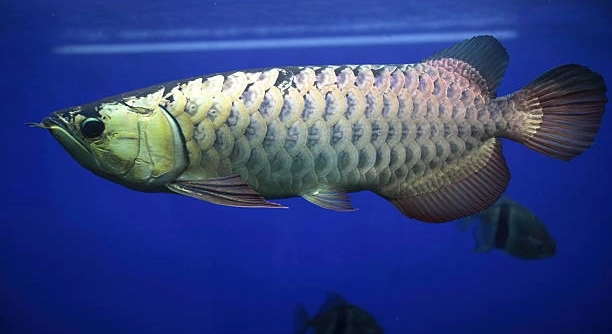
Do you enjoy keeping fish and watching them grow, but notice changes in their behavior as they age? Arowanas are beautiful, long-living fish, and their temperament can shift over time, which often surprises even experienced owners.
Arowanas can become more aggressive as they mature due to territorial instincts and dominance behavior. Adult Arowanas are more likely to display aggression toward tankmates, especially in confined spaces or when establishing hierarchy within the aquarium.
Understanding these changes is important for a peaceful tank environment and to ensure the long-term well-being of your Arowana.
Signs of Aggression in Arowanas
As Arowanas grow older, their behavior can change noticeably. You might see them chasing other fish around the tank, snapping at decorations, or refusing to share feeding areas. These signs are usually more pronounced in males, but females can also show dominant tendencies. Aggressive behavior can escalate if the tank is too small or overcrowded, making careful observation essential. Monitoring interactions between your Arowana and tankmates helps prevent injuries and stress. Changes in appetite, erratic swimming, or sudden hiding can also indicate frustration or territorial behavior. Adjusting tank layout with more hiding spots or visual barriers can reduce tension. Frequent water changes and maintaining ideal water parameters also help in managing stress. Older Arowanas often display aggression during feeding times, so spacing out food and offering separate feeding zones may minimize conflicts. Understanding the nuances of their behavior allows for a calmer environment and reduces the likelihood of injury.
Aggression often peaks during maturity, typically between two and five years of age.
Recognizing these behaviors early is key. By providing sufficient space, reducing overcrowding, and introducing visual barriers, you can manage aggression effectively. Observing feeding habits and separating more dominant fish when necessary prevents injuries. Maintaining water quality, proper diet, and environmental enrichment also reduces stress-related aggression.
Causes of Aggressive Behavior
Territorial instincts are a major factor in Arowana aggression.
Aggression in Arowanas can stem from several causes beyond natural territory defense. Limited space in an aquarium forces fish to compete for areas, especially along the top and sides of the tank. Mixed species tanks may provoke dominance displays when the Arowana feels threatened or challenged. Overcrowding, lack of hiding places, or insufficient stimulation can also trigger stress-induced aggression. Even feeding routines can influence behavior; a fish that perceives another as a competitor may become more hostile. Genetics play a role, with some strains naturally more assertive. Environmental factors such as water temperature fluctuations or poor quality can exacerbate aggression, making calm and consistent conditions crucial. Observing individual fish tendencies and adapting the tank setup accordingly is essential to minimize risks. Providing enrichment, like floating plants or driftwood, encourages exploration and diverts attention from dominance struggles, creating a more harmonious environment. Consistent care and awareness allow older Arowanas to live with less conflict and healthier interactions with other fish.
Managing Aggression in Arowanas
Providing enough space in the tank is essential to reduce aggression. Adding hiding spots and visual barriers helps fish feel secure and prevents constant chasing or dominance displays.
Regular observation of your Arowana’s interactions with tankmates can guide adjustments. Separating overly aggressive fish or rearranging tank elements can reduce conflict. Feeding practices also play a role; offering food in multiple areas prevents competition and ensures all fish get adequate nutrition. Maintaining clean water and stable conditions supports calmer behavior. Combining space management, environmental enrichment, and careful feeding minimizes aggression effectively, creating a more peaceful tank environment.
Consistency is key when addressing aggression. Gradually implementing changes and monitoring responses allows you to adjust strategies without causing additional stress. Over time, this approach fosters a healthier, calmer environment where your Arowana and tankmates coexist safely.
Tank Setup Considerations
Proper tank size is critical for Arowanas. A larger aquarium reduces territorial disputes and allows for natural swimming patterns.
Tank layout influences behavior significantly. Open swimming areas, hiding spots, and floating decorations provide visual separation and reduce stress. Overcrowding triggers conflict, so monitoring population and ensuring each fish has sufficient territory is essential. Water flow, temperature, and filtration systems also impact comfort levels. Well-structured tanks prevent dominance struggles and make older Arowanas less aggressive. By carefully planning tank design, you create an environment that supports natural behavior while minimizing aggression risks.
Feeding Strategies to Reduce Aggression
Feeding your Arowana in multiple locations can prevent competition. Offering a variety of foods also keeps them engaged and reduces stress-related aggression.
Maintaining a consistent feeding schedule helps fish feel secure. Avoid overfeeding, as it can lead to territorial disputes and increase aggressive behavior among tankmates.
Choosing Compatible Tankmates
Selecting tankmates that are similar in size and temperament is essential. Smaller or more passive fish are often targets for aggression, while equally robust species can coexist with less conflict. Careful selection reduces stress and ensures a calmer aquarium environment.
Environmental Enrichment
Adding driftwood, rocks, and plants provides hiding spots and visual barriers. These elements help older Arowanas feel secure and reduce aggressive interactions in the tank.
FAQ
How can I tell if my Arowana is becoming aggressive?
Aggression in Arowanas usually shows as chasing, snapping, or dominating other fish. You might notice them guarding a particular area or refusing to share food. Changes in swimming patterns, hiding, or sudden bursts of speed are also common signs. Watching interactions regularly helps catch aggression early and prevent injuries.
At what age do Arowanas typically become more aggressive?
Arowanas often show increased aggression as they mature, usually between two and five years. This period coincides with territorial instincts and natural dominance behavior. Males are often more aggressive, but females can also assert dominance. Observing your fish during this stage is crucial to managing conflicts in the tank.
Can tank size affect aggression levels?
Yes, tank size directly impacts aggression. Smaller tanks limit space for swimming and territory, increasing tension. Larger tanks give Arowanas room to establish territory without constantly confronting tankmates. Including visual barriers, hiding spots, and separate feeding areas further reduces stress and aggressive behavior.
Are certain tankmates better for Arowanas?
Tankmates similar in size and temperament work best. Smaller, more passive fish often become targets, while robust species can coexist with less conflict. Avoid overcrowding, as it worsens aggression. Observing interactions and adjusting tankmates accordingly is essential to maintain a calm environment.
How does feeding influence aggression?
Feeding routines impact aggression significantly. Competition over food can trigger chasing and snapping. Providing food in multiple spots and maintaining a consistent schedule reduces conflicts. Overfeeding or uneven distribution can increase territorial behavior, so careful monitoring is necessary to keep peace in the tank.
Can environmental enrichment reduce aggressive behavior?
Yes, adding driftwood, rocks, plants, and floating barriers helps. These elements give older Arowanas places to hide and explore, reducing stress and dominance displays. Rearranging tank décor periodically keeps the environment stimulating and prevents monotony, which can also contribute to aggressive tendencies.
Is water quality linked to aggression?
Poor water quality can increase stress, which often triggers aggression. Maintaining stable temperature, pH, and regular filtration is essential. Clean water supports calm behavior and overall health, helping reduce incidents of chasing, biting, or other territorial actions.
What should I do if aggression escalates?
If aggression becomes severe, separating the dominant fish temporarily can help. Rearranging the tank to break established territories or adding more hiding spots may also reduce conflicts. Monitoring fish closely during changes ensures that stress is minimized and all tankmates remain safe.
Can diet affect temperament?
Yes, a balanced diet keeps Arowanas healthy and less irritable. Feeding high-quality protein and occasional variety reduces boredom and frustration, which can manifest as aggression. Consistent nutrition supports natural behavior patterns and helps manage dominance within the tank.
Are some Arowana species naturally more aggressive?
Certain species, such as the Red Arowana or Silver Arowana, tend to be more assertive. Understanding your specific species’ temperament helps in planning tankmates, feeding routines, and environmental setup to minimize aggression and ensure harmonious aquarium life.
This FAQ provides practical advice for managing older Arowanas’ behavior while keeping the tank safe and balanced. Regular observation, proper feeding, tank size, and enrichment all play key roles in reducing aggression.
Arowanas are fascinating and elegant fish, but their behavior can change as they age. It is natural for these fish to develop more assertive and territorial tendencies over time. Understanding this aspect of their temperament is essential for anyone keeping them in a home aquarium. Older Arowanas may chase other fish, guard specific areas of the tank, or display sudden bursts of aggression. These behaviors are not signs of illness but are part of their natural instincts. By paying attention to these patterns early, you can take steps to prevent injuries and maintain a harmonious environment for all tank inhabitants. Observing your Arowana’s daily interactions provides valuable insight into how their personality is developing, allowing you to make adjustments to tank setup or feeding routines when necessary.
Managing aggression in Arowanas involves creating a stable and well-organized aquarium. Providing enough space is crucial, as overcrowding increases tension and competition among fish. Adding visual barriers, driftwood, plants, or rocks allows the Arowana to establish territories and reduces constant confrontation. Feeding practices also play a significant role in minimizing aggression. Offering food in multiple areas and maintaining a consistent feeding schedule prevents fights over resources. Regular water changes and maintaining stable water conditions contribute to a calmer, less stressed fish. Environmental enrichment is not just about aesthetics; it encourages natural exploration and keeps the Arowana engaged. These measures, when combined, can reduce aggressive incidents and promote safer interactions between older Arowanas and their tankmates.
Even with careful management, some aggression is normal and should be expected as Arowanas grow. Selecting compatible tankmates and monitoring behavior regularly ensures conflicts do not escalate. Understanding the fish’s species-specific tendencies, such as the naturally assertive behavior of Red or Silver Arowanas, allows for better planning and preparation. Aggression does not have to mean a stressful or dangerous environment; it can be managed through thoughtful tank design, careful observation, and consistent care. By respecting your Arowana’s natural instincts and providing proper space, enrichment, and diet, you can enjoy the beauty and personality of this remarkable fish while maintaining a balanced and peaceful aquarium. Observing, adjusting, and supporting their needs is key to ensuring both your Arowana and other tank inhabitants thrive together.

Hello,
If you enjoy the content that we create, please consider saying a "Thank You!" by leaving a tip.
Every little bit helps us continue crafting quality advice that supports the health, happiness, and well-being of pets around the world, for pets of all shapes, sizes, and species.
We really appreciate the kindness and support that you show us!