
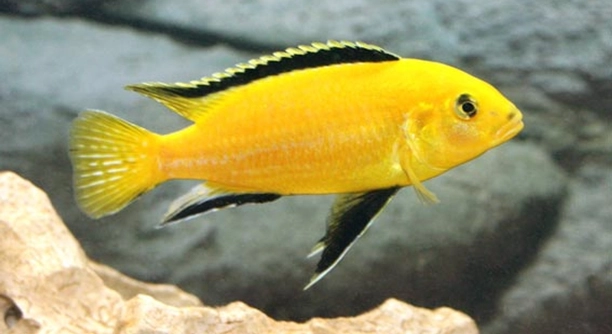
African cichlids are popular aquarium fish known for their vibrant colors and interesting behaviors. Many fish owners notice that these cichlids appear to keep their eyes open even when resting. Understanding their sleeping habits can help aquarists provide better care.
African cichlids do sleep with their eyes open. Unlike mammals, fish lack eyelids, so they cannot close their eyes. Instead, they enter a restful state where their activity slows, but their eyes remain open for protection and awareness of surroundings.
Knowing how African cichlids rest can improve how you set up their environment. This information helps ensure their health and comfort in captivity.
Why Do African Cichlids Sleep With Their Eyes Open?
African cichlids keep their eyes open while sleeping because they lack eyelids. Unlike humans and many animals, fish do not have the ability to close their eyes. This means their eyes remain exposed even during rest. Sleeping with open eyes helps them stay alert to changes in their environment, such as the presence of predators or movement nearby. In the wild, being aware while resting increases their chances of survival. Even in aquariums, this instinct remains. Although their eyes stay open, their body activity slows down, and they enter a state of reduced responsiveness. This resting state is vital for their health and helps them recharge. Providing a quiet, safe area in the tank supports their ability to rest well.
Their open-eyed sleep is a natural adaptation rather than a sign of stress or illness. It is normal behavior for African cichlids.
Understanding this helps with proper tank setup and care routines that support their natural rest.
How to Create a Comfortable Resting Environment
To support African cichlids’ resting needs, the tank should have hiding spots and low light areas. These conditions mimic their natural habitats, allowing them to feel safe. Hiding places reduce stress and encourage restful behavior.
Creating a comfortable environment involves adding rocks, caves, or plants that provide shelter. Avoiding sudden movements and loud noises near the aquarium also helps reduce stress. Consistent lighting schedules help regulate their rest cycles. Dimming the tank lights during night hours signals the fish to enter their resting state.
A peaceful environment improves their health and promotes natural sleeping patterns. Careful observation of their behavior ensures the tank setup meets their needs. Adjusting water quality, temperature, and diet also contributes to their overall comfort and rest quality. Regular maintenance keeps the environment stable, which supports their natural rhythms. These efforts create a setting where African cichlids can thrive and rest peacefully.
Common Misconceptions About Fish Sleep
Many people assume fish need to close their eyes to sleep, but African cichlids do not. Their open eyes during rest often lead to confusion. This behavior is natural and not a sign of illness or discomfort.
African cichlids rely on other senses to rest safely. Their reduced movement and lowered responsiveness indicate sleep. In the wild, open eyes allow them to remain aware of predators. This survival trait remains even in captivity. Observing their body language helps distinguish rest from stress or sickness. Signs like rapid gill movement or erratic swimming mean something may be wrong, but open eyes alone do not.
Understanding their sleep habits prevents unnecessary worry. Recognizing the difference between normal behavior and health issues improves how we care for these fish.
Signs African Cichlids Are Resting
African cichlids often rest near the bottom or behind rocks, showing less activity. Their colors may appear slightly duller during this time. Movement slows significantly, and breathing becomes steady but calm.
While their eyes remain open, the fish stay alert but inactive. They respond slowly to stimuli and usually remain in one spot for extended periods. This state indicates they are resting, not in distress. Rest periods are essential for maintaining energy and overall health. Lack of rest can lead to stress and weakened immune function, so providing a calm environment is key.
Watching these signs regularly helps maintain a healthy aquarium and supports your fish’s well-being.
How African Cichlids Stay Safe While Sleeping
African cichlids rely on their environment to feel safe when resting. They choose hiding spots like caves or dense plants where they can stay out of sight from potential threats. These shelters give them a sense of security.
Their open eyes help them remain alert to sudden movements or dangers. This alertness allows them to react quickly if needed, even during rest.
Differences Between Fish Sleep and Mammal Sleep
Fish do not experience deep sleep stages like mammals. Their rest is lighter and more intermittent, allowing them to stay aware of surroundings. This means fish can respond to danger even when resting.
Unlike mammals, fish do not close their eyes because they lack eyelids. Their brains enter a state of reduced activity, but their senses remain active. This type of sleep supports their survival in aquatic environments.
Tips to Observe Your Cichlids’ Resting Behavior
Observe your African cichlids during quiet periods, especially at night or when lights are dimmed. Look for slow movement and calm breathing.
Avoid disturbing them during rest to keep stress low and support healthy sleep patterns.
FAQ
Do African cichlids ever fully close their eyes?
African cichlids do not have eyelids, so they cannot fully close their eyes like mammals do. Their eyes remain open even while they rest or sleep. This is normal and does not indicate stress or health problems. Their resting state involves reduced movement and slower responses, but their eyes stay open to help them stay aware of their surroundings.
How can I tell if my cichlid is resting or sick?
Resting cichlids will show slower movement, steady breathing, and often stay in one spot, usually near hiding places. If a fish is sick, signs may include rapid or labored breathing, loss of appetite, erratic swimming, or clamped fins. Open eyes alone are not a symptom of illness. Careful observation of behavior and physical signs is important to distinguish rest from health issues.
Is it normal for African cichlids to rest during the day?
Yes, African cichlids can rest during the day as well as at night. They do not have strict sleeping hours like humans. Their resting periods are usually shorter and scattered throughout the day and night. Providing a quiet and calm environment with hiding spots allows them to rest comfortably whenever they need.
Do cichlids need complete darkness to rest?
Complete darkness is not necessary, but dimmed lighting helps signal rest periods. In natural habitats, these fish experience shaded areas and changing light conditions. Mimicking this in an aquarium with low light or shaded zones encourages natural resting behavior. Sudden bright lights can disturb their rest and cause stress.
Can cichlids get stressed if they don’t rest properly?
Yes, lack of proper rest can lead to stress, which affects their immune system and overall health. Stress may cause them to become more susceptible to diseases or display aggressive behavior. Ensuring a stable, calm environment with places to hide promotes better rest and reduces stress.
Should I change the tank environment to help my cichlids rest better?
Improving the tank environment can support better rest. Adding caves, plants, or decorations that create hiding spots helps fish feel secure. Keeping noise and disturbances near the tank to a minimum also benefits their rest. Regular water changes and stable water conditions are essential for maintaining a healthy environment.
Why do cichlids sometimes hover or swim slowly while resting?
Cichlids may hover or swim slowly during rest to stay alert while conserving energy. This behavior lets them respond quickly if danger approaches. Slow swimming or hovering near shelters is a normal part of their resting routine and shows they are relaxed but cautious.
Do African cichlids rest in groups or alone?
Resting habits vary by species and individual temperament. Some African cichlids prefer resting alone in a secluded spot, while others feel safer resting in groups. Observing your fish can help you understand their preferences. Providing multiple hiding places supports both behaviors.
How long do African cichlids usually rest at a time?
Rest periods for African cichlids are typically short, ranging from a few minutes to an hour or more. They rest intermittently rather than having one long sleep cycle. These frequent rests help them conserve energy while staying alert in their environment.
Can changes in water quality affect cichlid resting behavior?
Poor water quality can cause stress and discomfort, which may disrupt normal resting behavior. High ammonia, nitrite levels, or incorrect pH can make fish restless or lethargic. Maintaining clean, balanced water is crucial for healthy rest and overall well-being. Regular testing and maintenance keep the tank environment stable.
Is it okay to touch or move cichlids while they are resting?
It is best to avoid disturbing resting fish. Touching or moving them can cause stress and disrupt their natural rest cycles. Allow them to rest undisturbed in quiet areas of the tank. Minimizing disturbances supports better health and behavior.
Do African cichlids dream?
There is no scientific evidence to confirm that fish, including African cichlids, dream. Their brain structure and sleep patterns differ greatly from mammals. While they do enter restful states, these do not appear to involve dreaming as humans experience it.
Can aquarium lighting affect cichlid sleep?
Yes, lighting impacts cichlid resting behavior. Bright or inconsistent lighting can prevent proper rest and cause stress. A regular light schedule with gradual transitions between light and dark periods helps regulate their internal clock. Using timers for aquarium lights ensures consistent lighting cycles.
How can I tell if my cichlid is stressed from lack of rest?
Signs of stress from poor rest include increased aggression, hiding more than usual, loss of appetite, and erratic swimming. Stressed fish may also develop health problems more easily. Monitoring their behavior and adjusting tank conditions can help improve rest and reduce stress.
Are there any health problems linked to poor sleep in African cichlids?
Chronic lack of rest can weaken a cichlid’s immune system, making it vulnerable to infections and diseases. Stress from poor rest can also lead to issues like fin rot or swim bladder problems. Ensuring a peaceful environment helps prevent these health concerns.
Is it necessary to change feeding times to support cichlid rest?
Feeding times can affect activity levels and rest. Feeding fish earlier in the day allows them to be less active at night, promoting better rest. Avoid feeding close to dark periods to prevent disruption of their natural resting behavior. Regular feeding schedules support a healthy routine.
African cichlids sleeping with their eyes open is a natural part of their biology. Since they do not have eyelids, closing their eyes is simply not possible. Instead, these fish enter a restful state where their bodies slow down and they conserve energy while still remaining aware of their surroundings. This ability helps them stay alert to any potential dangers even while they rest. Understanding this behavior is important for anyone who keeps African cichlids in an aquarium. It helps remove any concerns about whether the fish are healthy or stressed when their eyes remain open during sleep.
Providing a comfortable environment plays a big role in helping African cichlids rest well. Creating hiding spots with rocks, plants, or decorations where the fish can retreat helps them feel safe. The right lighting conditions also encourage natural resting patterns, as dimmer lights signal to the fish that it is time to rest. Keeping the aquarium calm and avoiding loud noises or sudden movements supports their ability to rest without stress. Regular water maintenance and a stable habitat are also essential in promoting good health and proper rest for these fish.
Observing African cichlids’ behavior regularly will help you recognize when they are resting versus when they may be sick or stressed. Resting fish usually slow down, hover quietly, and remain near sheltered areas. If your cichlids show signs of rapid breathing, loss of appetite, or erratic swimming, these could be signs of health issues. Being aware of their natural sleep habits allows you to better care for them and create an environment where they can thrive. With the right setup and attention, your African cichlids can rest peacefully, stay healthy, and show their vibrant colors in your aquarium.

Hello,
If you enjoy the content that we create, please consider saying a "Thank You!" by leaving a tip.
Every little bit helps us continue crafting quality advice that supports the health, happiness, and well-being of pets around the world, for pets of all shapes, sizes, and species.
We really appreciate the kindness and support that you show us!