
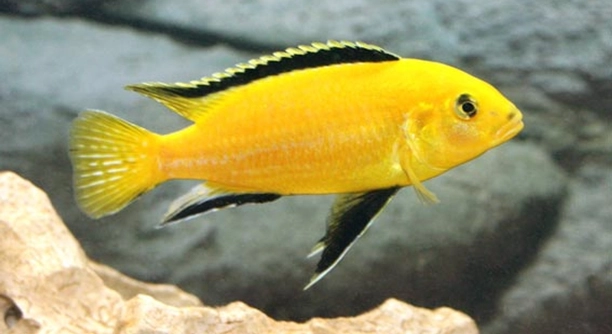
Cichlids are popular aquarium fish known for their vibrant colors and interesting behaviors. Among these behaviors, courtship plays a key role in their reproductive cycle. Observing their courtship can reveal fascinating insights into their natural instincts.
During cichlid courtship, males display vivid colors and perform specific movements to attract females. The female responds with behaviors that indicate readiness to mate. This exchange ensures successful reproduction by strengthening pair bonds and signaling fertility.
Understanding cichlid courtship provides valuable knowledge for hobbyists and researchers alike. It highlights the complexity of fish behavior and helps create better environments for these aquatic creatures.
The Role of Color and Movement in Courtship
Cichlids use bright colors and distinct movements to communicate during courtship. The male often intensifies his colors to catch the female’s attention. This display shows his health and readiness to mate. He may also perform specific swimming patterns, such as circling or shaking, to impress her. These behaviors signal his strength and genetic fitness. The female watches carefully and may respond with subtle movements, showing interest or rejection. This exchange helps both fish decide if they are suitable partners. Sometimes, males build nests or clear spaces on rocks to attract females. These physical signs support the visual signals and help create a safe environment for eggs. Watching this process gives insight into how fish use body language to interact and reproduce in their habitat.
Male cichlids rely on visual cues to initiate and maintain courtship behavior. Their vibrant colors and movements are essential signals in this process.
Courtship displays are important beyond attraction. They establish dominance and reduce aggression between fish, which helps maintain peace in their environment. When a male shows strong colors and controlled movements, other males often back away, avoiding fights. This reduces stress and injury in the group. Females also use these cues to select the healthiest mates, ensuring strong offspring. Some cichlids engage in cooperative behaviors during courtship, like guarding the nest together. This teamwork increases the chances of survival for their young. Overall, courtship in cichlids is a complex interaction involving colors, movements, and behaviors that support successful breeding and group harmony.
The Female’s Role During Courtship
Females carefully observe the male’s display before responding. Their reaction determines if the courtship will continue.
Females use body posture, swimming speed, and sometimes color changes to communicate their interest. When a female accepts a male, she may follow him closely or mimic his movements. If uninterested, she swims away or shows a duller color. This communication helps avoid unnecessary mating attempts, saving energy. Females also choose nesting sites and prepare them for egg laying. Their decisions influence the success of reproduction. Understanding the female’s role reveals the balance of choice and cooperation in cichlid courtship, highlighting how both sexes contribute actively to the process.
Nest Building and Preparation
Nest building is a crucial step in cichlid courtship. Males often clear a flat surface or dig pits in the substrate to create a suitable area for eggs. This preparation signals readiness to breed and attracts females to the site.
Males invest effort in making the nest clean and safe. They remove debris and smooth the surface to provide a comfortable place for the female to lay eggs. Some species use shells, rocks, or plants to protect the eggs. This behavior not only shows the male’s dedication but also increases the chances of offspring survival by offering protection from predators and strong currents.
Females assess the quality of the nest before deciding to lay eggs. A well-prepared nest is a sign of a strong and attentive partner. The nest also serves as a location for both parents to guard and care for their eggs and fry, supporting successful reproduction.
Parental Care After Courtship
Cichlids are known for their strong parental care, often guarding eggs and fry together. Both parents actively protect the nest from threats.
After eggs are laid and fertilized, parents stay close to guard the site. They fan the eggs with their fins to provide oxygen and remove debris or fungus. This care is vital for healthy development. Once the eggs hatch, the parents continue protecting the young fish, guiding them to food and shelter. Some species carry fry in their mouths to keep them safe. Parental care in cichlids is a cooperative effort that increases offspring survival by reducing risks from predators and environmental hazards. This dedication to the young is one of the reasons cichlids are so successful breeders.
Communication Through Sounds and Vibrations
Cichlids use sounds and vibrations as part of their courtship rituals. These signals help them communicate over distances and in murky water where visual cues are limited.
The sounds are produced by rubbing body parts or vibrating muscles. These vibrations signal readiness and help coordinate movements between partners during courtship, strengthening their bond.
The Importance of Territory in Courtship
Territory plays a vital role in cichlid courtship. Males defend specific areas to attract females and ensure a safe space for breeding. A well-guarded territory reduces competition and stress, increasing the chances of successful mating.
Environmental Factors Affecting Courtship
Water temperature, clarity, and pH influence cichlid courtship behavior. Optimal conditions encourage more active displays and successful breeding, while poor conditions can hinder courtship and reduce reproductive success.
Hormonal Changes During Courtship
Hormonal shifts trigger courtship behaviors in cichlids. These internal changes prepare both males and females physically and mentally for mating and parenting roles.
What is the typical duration of cichlid courtship?
Cichlid courtship usually lasts from a few hours to several days, depending on the species and environmental conditions. During this time, males continuously display colors and behaviors to attract females. The female may take time to respond and decide if she accepts the male. Courtship ends once the female lays eggs and the male fertilizes them.
How can I tell if my cichlids are courting?
Signs include males showing brighter colors, swimming in circles, shaking their bodies, and cleaning potential nesting sites. Females may swim alongside the male or mimic his movements. Both fish often stay close together. These behaviors indicate readiness to mate.
Do all cichlid species show the same courtship behaviors?
No, courtship varies between species. Some species build nests, others scatter eggs on rocks or plants. Color displays, movement patterns, and parental care also differ. However, all species use signals to attract mates and protect their offspring.
Why do males change color during courtship?
Color change signals health, strength, and fertility. Bright colors attract females and warn other males to stay away. This visual cue helps prevent conflicts and ensures the strongest males reproduce.
Is it normal for females to be picky about mates?
Yes, females select males based on nest quality, colors, and behavior. This choice helps ensure strong, healthy offspring. If a female is not interested, she may ignore or avoid the male.
Can environmental changes affect courtship success?
Yes, water quality, temperature, and lighting impact courtship. Poor conditions can reduce male displays and female responsiveness, lowering breeding success. Maintaining stable, clean environments improves chances of successful courtship.
How do cichlids care for their eggs and fry?
Parents guard the nest, fan eggs for oxygen, and remove debris. After hatching, they protect and guide the fry, sometimes carrying them in their mouths for safety. This care helps young fish survive until they can fend for themselves.
What happens if two males court the same female?
Males may compete through displays or minor aggression. The dominant male typically wins the female’s attention. These contests establish hierarchy and reduce fighting, protecting all fish involved.
Can courtship behavior indicate fish health?
Yes, healthy fish show strong colors and active displays. Lack of courtship or dull colors may signal stress or illness. Observing behavior helps identify health problems early.
Is it necessary to separate cichlids after courtship?
Not always. Many species stay together to care for offspring. However, some aggressive species or individuals may need separation to prevent harm. Understanding species behavior helps decide if separation is needed.
These questions cover common concerns about cichlid courtship. Observing these behaviors closely can improve care and breeding success in home aquariums.
Cichlid courtship is a fascinating part of their behavior that highlights their natural instincts and survival strategies. The process involves a variety of signals such as bright colors, movements, sounds, and even nest building. These actions are all important steps that help cichlids find suitable mates and prepare for reproduction. Both males and females play active roles, with males often displaying vivid colors and preparing nests, while females assess the male’s efforts and choose when to lay eggs. This cooperation is essential for successful breeding and ensures that the offspring have a good start in life.
The care that cichlids give to their eggs and young is another important aspect of their courtship and breeding cycle. Parents work together to protect their eggs from predators and environmental hazards. They fan the eggs to keep them oxygenated and clean, and once the eggs hatch, they continue to guard the young fish carefully. Some species even carry their fry in their mouths to keep them safe from danger. This level of parental care increases the chances that more young cichlids will survive to adulthood. Understanding these behaviors can help aquarium owners create environments that support healthy breeding and reduce stress for their fish.
Knowing how cichlids court and care for their young provides valuable insight for anyone interested in keeping or studying these fish. Courtship is not just a simple act; it involves complex communication and cooperation between the fish. Environmental factors like water quality and temperature also affect how well courtship progresses. By paying attention to these details, it is possible to encourage natural behaviors and improve breeding success. Overall, the courtship behaviors of cichlids are a remarkable example of how animals adapt to their environments and ensure the survival of their species.

Hello,
If you enjoy the content that we create, please consider saying a "Thank You!" by leaving a tip.
Every little bit helps us continue crafting quality advice that supports the health, happiness, and well-being of pets around the world, for pets of all shapes, sizes, and species.
We really appreciate the kindness and support that you show us!