
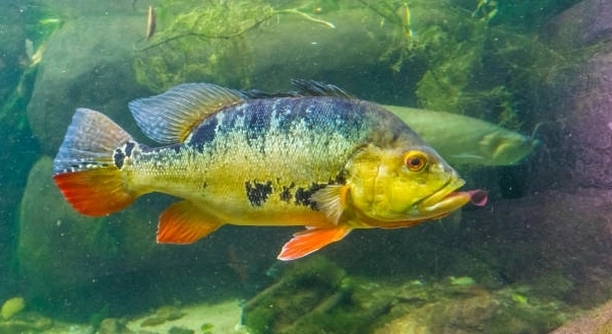
Rapid breathing in cichlids can be alarming for fish owners. It often signals that something is affecting their comfort or health. Understanding why this happens can help you respond appropriately and protect your fish.
Rapid breathing in cichlids is commonly caused by poor water quality, low oxygen levels, stress, or illness. These factors disrupt normal gill function, making the fish work harder to get enough oxygen. Identifying and correcting these issues is essential for recovery.
Knowing the reasons behind your cichlid’s behavior will guide you in improving its environment and wellbeing. This article explains the key causes and practical steps to support your fish’s health.
Common Causes of Rapid Breathing in Cichlids
Rapid breathing in cichlids usually points to issues in their environment or health. Poor water quality is one of the most frequent reasons. High levels of ammonia, nitrites, or nitrates can irritate the gills, making it hard for fish to breathe. Low oxygen levels in the tank can also cause rapid gill movement, especially in overcrowded or poorly aerated tanks. Stress is another factor; sudden changes in water temperature, aggressive tank mates, or frequent disturbances can make cichlids breathe faster. Additionally, diseases like gill parasites, bacterial infections, or internal problems may affect breathing. Monitoring water parameters regularly and observing your fish’s behavior closely helps catch problems early.
Poor water conditions often cause the problem. Maintaining clean, well-aerated water is vital for healthy fish respiration and comfort.
Identifying the exact cause requires careful observation and testing. Water tests reveal chemical imbalances, while checking tank conditions ensures proper oxygen supply. If disease is suspected, look for other signs like lethargy, loss of appetite, or visible gill damage. Addressing water quality and stressors typically improves breathing, but medical treatment might be needed in some cases.
How to Improve Your Cichlid’s Breathing
Improving your cichlid’s breathing starts with testing the water quality and increasing oxygen levels. Use a reliable test kit to check ammonia, nitrite, nitrate, and pH levels. Regular water changes and tank cleaning are essential to remove harmful substances. Adding an air stone or adjusting the filter can boost oxygen circulation. Avoid overcrowding and keep aggressive fish separate to reduce stress. Maintain a stable temperature suited to your cichlid species.
After ensuring the environment is healthy, watch your fish for continued symptoms. If rapid breathing persists despite good water conditions, it might be time to consult a vet or aquarium specialist. Some infections require medication or specialized care to heal. Taking these steps ensures your cichlid has the best chance for recovery and a comfortable tank life.
Recognizing Signs Beyond Rapid Breathing
Rapid breathing can be accompanied by other signs of distress in cichlids. Watch for lethargy, loss of appetite, or clamped fins. Changes in color or visible spots on the gills may indicate infection or parasites. These signs often help pinpoint the problem.
Behavioral changes like hiding or reduced activity often show that the fish is stressed or unwell. Appetite loss means the fish may not be getting enough energy to fight illness. Visible gill damage can signal parasites or bacterial infection. Together, these symptoms suggest the need for prompt action, whether improving water conditions or seeking treatment.
Sometimes, subtle signs like slight body swelling or unusual swimming patterns also occur. These may indicate internal problems affecting breathing. Careful observation helps detect these early, improving the chances of successful treatment and recovery.
Preventing Rapid Breathing in Your Cichlid
Maintaining stable water conditions is the best prevention against rapid breathing. Regular testing, water changes, and proper filtration keep the tank safe. Avoid sudden temperature shifts or overcrowding to reduce stress on your fish.
Keeping a clean tank with consistent water parameters supports healthy gill function. Feeding balanced diets strengthens your cichlid’s immune system. Introducing new fish slowly helps prevent disease spread. Routine observation allows early detection of problems before breathing issues start. Preventative care is key to long-term fish health and comfort.
Common Environmental Triggers
Poor water quality is a frequent trigger for rapid breathing. Ammonia and nitrite spikes irritate gills, causing discomfort. Low oxygen levels also stress cichlids, leading to faster breathing.
Temperature fluctuations can further worsen breathing issues. Sudden drops or rises affect oxygen availability and fish metabolism, increasing respiratory effort.
Signs of Gill Disease
Gill disease often causes rapid breathing accompanied by red or swollen gills. Parasites or bacteria can damage gill tissue, impairing oxygen absorption and causing distress.
Using Medication Safely
When illness is suspected, medication should be used carefully. Follow instructions precisely and avoid overdosing, as this can harm your cichlids or beneficial bacteria in the tank.
When to Seek Professional Help
If rapid breathing continues despite correcting environment and treatment, professional advice is needed. A veterinarian can diagnose and recommend targeted therapies.
FAQ
Why is my cichlid breathing rapidly all of a sudden?
Sudden rapid breathing often means a change in water quality or environment. It could be due to a spike in ammonia or nitrites, low oxygen, or stress from new tank mates or temperature changes. Checking water parameters quickly usually helps identify the issue.
Can rapid breathing be caused by a lack of oxygen?
Yes. If oxygen levels are low, fish must breathe faster to get enough oxygen. This happens in overcrowded tanks or ones without proper aeration. Adding an air stone or improving water circulation can help increase oxygen.
How often should I test my tank water?
Testing at least once a week is ideal, especially in new or crowded tanks. Frequent testing helps catch harmful changes early and keeps your cichlid’s environment stable.
What signs show my cichlid might have a gill infection?
Look for red, swollen, or inflamed gills, rapid breathing, and gasping at the water surface. Sometimes fish scratch or rub their gills against objects. These signs often mean a bacterial or parasite infection affecting the gills.
Can stress cause rapid breathing in cichlids?
Stress from poor water conditions, aggressive tank mates, or frequent handling can make cichlids breathe rapidly. Stress weakens their immune system, making them more vulnerable to illness.
Is it safe to medicate my fish without knowing the exact problem?
It’s best to avoid medicating without a clear diagnosis. Using the wrong medicine can harm your fish or beneficial tank bacteria. When unsure, consult an aquarium expert or veterinarian.
How can I increase oxygen levels quickly?
Increase surface agitation by adjusting filters or adding an air stone. Partial water changes with cooler water can also raise oxygen levels. Avoid overcrowding to keep oxygen available for all fish.
What temperature is best for cichlids to avoid breathing problems?
Most cichlids thrive between 74°F and 82°F (23°C to 28°C). Stable temperatures within this range help maintain good oxygen levels and reduce stress.
Should I isolate a cichlid that’s breathing rapidly?
If your cichlid shows signs of illness or stress, isolating it in a quarantine tank can prevent disease spread and allow closer care. Use quarantine for monitoring and treatment when needed.
How long does it take for a cichlid to recover from breathing issues?
Recovery time depends on the cause and treatment. With quick action and proper care, improvement can be seen in a few days. Severe infections or poor conditions may take weeks.
Can poor diet contribute to breathing problems?
A balanced diet strengthens the immune system but usually does not directly cause breathing problems. However, poor nutrition can make fish more susceptible to infections that affect breathing.
What should I do if my cichlid breathes rapidly but shows no other symptoms?
Check water quality first and improve aeration. Sometimes temporary stress or environmental changes cause rapid breathing without illness. Monitoring closely for additional signs is important.
Can rapid breathing damage my cichlid?
If untreated, rapid breathing caused by poor water or disease can lead to exhaustion and weakened health. Early care prevents long-term damage.
Is it normal for cichlids to breathe rapidly after feeding?
Slightly faster breathing after feeding can happen but should not last long. If it continues, it may indicate an underlying issue.
How can I prevent breathing problems long-term?
Keep water clean, stable, and well-oxygenated. Avoid overcrowding and stress. Regular observation helps catch problems early before breathing becomes difficult.
Rapid breathing in cichlids is a clear sign that something is affecting their health or environment. It often points to problems like poor water quality, low oxygen levels, stress, or illness. These issues make it hard for the fish to get enough oxygen, so they breathe faster to compensate. Paying close attention to your cichlid’s behavior and tank conditions can help you spot problems early and take action before things get worse. Regular testing of water quality and maintaining proper tank care are the best ways to keep your fish healthy.
Taking steps to improve your cichlid’s environment usually helps reduce rapid breathing. This includes doing regular water changes, keeping the tank clean, and ensuring good aeration. Avoid overcrowding and sudden changes in water temperature, as these can increase stress and breathing difficulties. If you notice signs of disease, such as swollen gills or loss of appetite, it’s important to address them quickly. Sometimes medication or professional advice is needed to treat infections that affect breathing. Remember, early intervention makes a big difference in your fish’s recovery.
Keeping your cichlid comfortable and healthy requires consistent care and attention. Rapid breathing is often a symptom rather than a problem itself, so focusing on the causes will help your fish in the long run. Maintaining stable water parameters, feeding a balanced diet, and providing a calm environment all contribute to your cichlid’s wellbeing. By staying observant and proactive, you can support your fish’s health and enjoy a thriving aquarium for years to come.

Hello,
If you enjoy the content that we create, please consider saying a "Thank You!" by leaving a tip.
Every little bit helps us continue crafting quality advice that supports the health, happiness, and well-being of pets around the world, for pets of all shapes, sizes, and species.
We really appreciate the kindness and support that you show us!