
Why Does My Russian Tortoise Keep Trying to Hide?
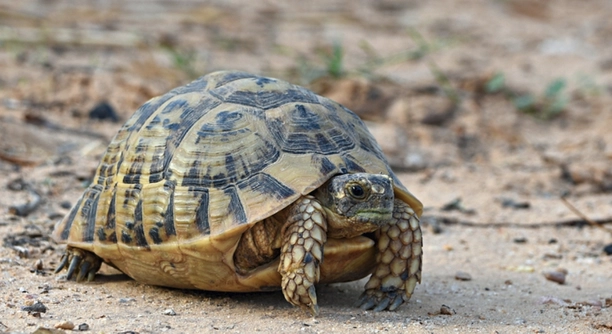
Russian tortoises are known for their unique behaviors, and one of the most puzzling habits is their tendency to hide. As a pet owner, you may have noticed your tortoise seeking out dark, secluded spaces more often than usual. This hiding behavior is often linked to instinctual habits that are common in wild tortoises. It … Read more

7 Signs Your Russian Tortoise Is Feeling Lonely

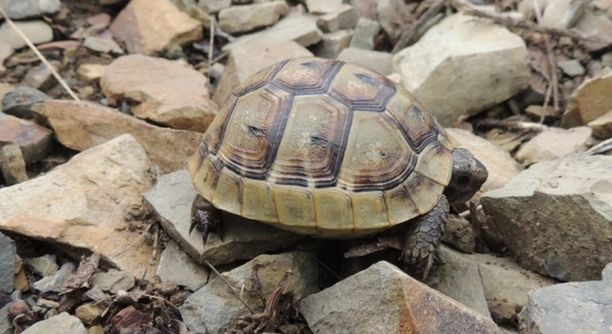
If you have a Russian tortoise, you know how much personality they bring into your life. However, sometimes they might experience moments of loneliness, especially if they’re not getting the attention they need. Your Russian tortoise may show signs of loneliness through changes in behavior, such as lethargy, excessive hiding, or lack of interest in … Read more

Why Is My Russian Tortoise Breathing With Its Mouth Open?

If you’ve noticed your Russian tortoise breathing with its mouth open, it may be a cause for concern. Tortoises can show signs of stress or health issues that affect their breathing. Understanding the potential causes can help address the problem effectively. Mouth breathing in Russian tortoises is often a sign of respiratory distress, which can … Read more

7 Best Substrates for a Russian Tortoise Enclosure

When setting up a Russian tortoise enclosure, choosing the right substrate is essential. It affects their comfort, health, and overall environment. This article highlights the best options to create a safe and enjoyable space for your tortoise. The best substrates for a Russian tortoise enclosure should be natural, absorbent, and easy to clean. Ideal choices … Read more

How to Tell If Your Russian Tortoise Needs More Humidity

A healthy environment is essential for your Russian tortoise to thrive. Humidity plays a significant role in their well-being, as it influences their skin, respiratory system, and overall health. Ensuring the right humidity level can help avoid health complications. Russian tortoises need a specific level of humidity, generally between 40-60%. If the humidity is too … Read more

Why Does My Russian Tortoise Keep Licking the Glass?

Russian tortoises are fascinating pets, and their behavior can sometimes leave owners wondering what it all means. If you’ve noticed your tortoise licking the glass of its enclosure, you’re not alone. This is a common behavior among these curious creatures. Tortoises may lick the glass of their enclosure due to several reasons, such as seeking … Read more

7 Common Causes of Russian Tortoise Stress

Russian tortoises are fascinating creatures, but they can sometimes experience stress. Understanding the causes of this stress is important to help your pet thrive. In this article, we’ll explore seven common reasons for tortoise stress. Environmental factors, improper diet, handling, and habitat issues are some of the main causes of stress in Russian tortoises. These … Read more

How to Prevent Your Russian Tortoise From Getting Stuck on Its Back

A Russian tortoise can sometimes find itself flipped onto its back, creating a vulnerable and stressful situation. It’s important to take steps to prevent this from happening to ensure your tortoise’s well-being and comfort. The primary method for preventing your Russian tortoise from getting stuck on its back is by providing a safe, spacious environment … Read more

Why Is My Russian Tortoise Sleeping So Much?

Russian tortoises are fascinating pets, but you may notice that they sleep quite a bit. This behavior can raise concerns for some owners, especially if it seems excessive or out of the ordinary. Understanding why this happens is important. Excessive sleep in Russian tortoises may be linked to various factors, including their natural hibernation instincts, … Read more

7 Reasons Your Russian Tortoise Is Suddenly More Active

Your Russian tortoise may suddenly become more active, and this change can catch you by surprise. Understanding the causes behind this increased energy is key to keeping them healthy and happy. Several factors can contribute to this shift. The increased activity of your Russian tortoise could be due to environmental factors such as temperature changes, … Read more