
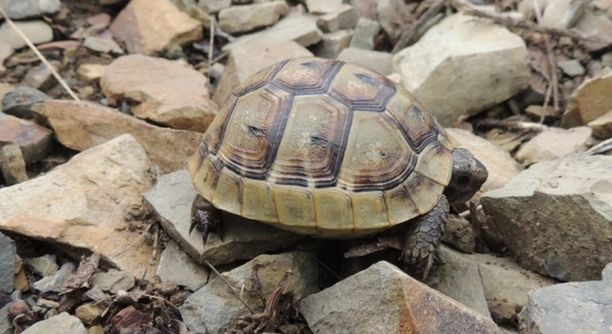
A Russian tortoise can sometimes find itself flipped onto its back, creating a vulnerable and stressful situation. It’s important to take steps to prevent this from happening to ensure your tortoise’s well-being and comfort.
The primary method for preventing your Russian tortoise from getting stuck on its back is by providing a safe, spacious environment free of obstacles that could cause flipping. Ensure that any objects in the enclosure are stable and avoid uneven surfaces.
Taking the necessary precautions can help ensure your tortoise remains safe and happy. Keep reading for tips on creating a secure space for your pet.
Creating a Safe Habitat for Your Tortoise
A safe and well-designed habitat is essential to prevent your Russian tortoise from getting stuck on its back. Begin by ensuring the enclosure is large enough for your tortoise to move freely. Avoid overcrowding the space with items that may become potential hazards. In particular, sharp objects or uneven surfaces can cause the tortoise to flip if it gets caught. A flat surface will help prevent flipping accidents and allow the tortoise to explore without risk.
Consider adding hiding spots and obstacles that are stable and low to the ground. These will provide enrichment without posing a danger. Make sure the walls of the enclosure are high enough to prevent the tortoise from climbing out, but not so high that they make it easy to get stuck.
A well-maintained and secure habitat promotes your tortoise’s health and prevents common issues like flipping. Taking these steps ensures your pet can live in a comfortable and safe environment where it can thrive without the worry of flipping.
The Importance of Proper Surface Materials
Using the right surface materials in the tortoise’s habitat can make a big difference. Avoid using slippery surfaces like plastic or smooth tile, as they can increase the risk of flipping. Instead, opt for soft, non-slippery substrates like soil, grass, or coconut husk. These materials not only provide traction but also mimic the natural environment of a tortoise, making it easier for your pet to move around.
When setting up the enclosure, be sure the ground is level and free from sharp objects. A comfortable, safe surface allows your tortoise to walk freely without risk, reducing the chances of it getting stuck.
Monitoring Your Tortoise’s Activity
Regularly monitor your Russian tortoise to ensure it’s not attempting to climb objects or getting stuck. Observe its behavior, especially after placing new items in its habitat. If the tortoise is struggling to move or getting stuck in places, remove or adjust the environment accordingly.
It’s also important to give your tortoise ample time outside of its enclosure, if safe to do so. Supervising it while it roams allows you to see if it’s facing difficulty moving or flipping over. Checking in on your tortoise during these periods will help you spot any potential hazards that may have been overlooked. By monitoring its activity, you can address problems before they escalate.
Adjusting the Habitat Over Time
As your tortoise grows, its needs will change. Regularly assess the size and setup of its habitat to ensure it remains safe. If you notice that the tortoise is having trouble navigating or finding its way around, make necessary changes. You might need to lower or adjust items in the habitat to reduce the chance of flipping. If you have plants or rocks, be sure they’re stable enough for your tortoise to interact with safely.
Ensure the flooring remains smooth but non-slippery. As your tortoise matures, it might require more space or different kinds of objects to enrich its environment. Making adjustments to suit its evolving needs will provide comfort and safety.
Providing the Right Diet
A balanced diet can help keep your Russian tortoise strong and healthy, preventing any weakness that could lead to flipping. Ensure you’re feeding your tortoise a variety of greens and vegetables, along with appropriate supplements to support bone and muscle health.
Providing proper nutrition helps maintain your tortoise’s strength, making it less likely to flip over. An unhealthy diet can affect its mobility and overall well-being. Stick to a feeding routine and monitor its weight to ensure it’s maintaining healthy growth. Always research new foods to ensure they’re safe for your pet.
Using Safe Obstacles for Enrichment
Adding low and stable obstacles can provide your tortoise with mental stimulation while keeping it safe. Items like small rocks or logs can be placed strategically in its habitat, giving it something to interact with. Make sure these items are secure and will not tip over, potentially causing your tortoise to flip.
By incorporating safe obstacles, you help your tortoise stay active and engaged, reducing stress and improving its overall health. Be mindful to keep the obstacles low enough that they don’t create hazards. Carefully assess their placement to make sure the tortoise can navigate them without risk.
FAQ
Why does my Russian tortoise keep flipping over?
There are several possible reasons why your Russian tortoise might be flipping over. It could be due to an unstable or poorly designed habitat, such as uneven surfaces, sharp objects, or large, unstable decorations. Additionally, if the tortoise is weak, sick, or stressed, it may have difficulty righting itself. It’s essential to monitor its health, diet, and living environment regularly. Ensuring your tortoise has a safe, flat, and secure habitat will help prevent these incidents from happening.
How can I help my Russian tortoise if it gets stuck on its back?
If your Russian tortoise gets stuck on its back, the first thing to do is gently flip it back onto its feet. Be careful not to cause any harm to its shell or limbs. Once upright, check to see if the tortoise is showing signs of distress, like irregular breathing, swollen limbs, or slow movements. If the tortoise seems fine, return it to its habitat and make sure the environment is safe. If it continues to flip or seems injured, consider contacting a vet to check for any health issues.
What type of flooring is best for a Russian tortoise’s habitat?
The best flooring for your tortoise is a non-slippery, natural material. Options like soil, grass, or coconut husk work well. These surfaces provide grip and mimic the natural environment, making it easier for the tortoise to move around. Avoid smooth or slippery surfaces like plastic, tile, or linoleum, which can make it harder for the tortoise to get up if it flips.
Can my Russian tortoise climb out of its enclosure?
Russian tortoises are curious creatures and may attempt to climb out of their enclosures, especially if they feel confined. To prevent this, make sure the walls are high enough to prevent escape but not so high that your tortoise could potentially get stuck. If your tortoise is an escape artist, you can raise the height of the enclosure or add a top to prevent it from climbing out.
How often should I monitor my tortoise’s activity?
It’s a good idea to observe your Russian tortoise daily. Regular check-ins allow you to spot any changes in behavior, such as excessive flipping or trouble moving around. It’s also important to monitor after introducing new items or changes in the environment. Keeping a watchful eye ensures that any potential issues are caught early, giving you a chance to correct them before they become bigger problems.
Is it normal for my Russian tortoise to flip occasionally?
While occasional flipping might happen, it’s not considered normal behavior. If your tortoise is frequently flipping, it’s a sign that something in its habitat or health needs attention. Check the surfaces in its enclosure for uneven areas or obstacles that could cause the tortoise to flip. It’s also a good idea to check its overall health and make sure it’s not struggling due to weakness or stress.
Can a Russian tortoise injure itself from flipping over?
Yes, a Russian tortoise can injure itself if it flips over, especially if it happens repeatedly. Constant flipping can strain its muscles and shell, potentially causing permanent damage. In some cases, a flipped tortoise might suffer from dehydration or stress, which can impact its health. It’s crucial to take steps to prevent flipping and monitor your tortoise for signs of injury or distress.
How can I create a more enriching environment for my tortoise?
To enrich your Russian tortoise’s environment, you can add safe obstacles like small rocks, logs, or low plants. These items will encourage movement and exploration, keeping your tortoise active and engaged. Be sure that all obstacles are secure and will not tip over, causing flipping. You can also offer a variety of natural surfaces to walk on, such as grass or soil, which can help mimic a more natural setting.
Can diet affect my Russian tortoise’s mobility?
Yes, a poor diet can impact your tortoise’s mobility and health. A balanced diet with plenty of leafy greens, vegetables, and safe fruits will help keep your tortoise strong. Calcium is particularly important for bone health and mobility. If your tortoise isn’t getting enough nutrients, it could become weaker and more prone to injury, including flipping. A well-fed tortoise is less likely to struggle with movement or flipping, so make sure to provide a nutritious and varied diet.
What should I do if my tortoise is sick and flipping over?
If your Russian tortoise is frequently flipping over and showing signs of illness, such as lethargy, loss of appetite, or swollen limbs, it’s essential to seek veterinary care. A vet can assess whether the tortoise has a health issue that’s causing weakness or lack of coordination. In some cases, the flipping could be a symptom of a more serious problem that requires medical treatment. Prompt action can prevent further injury or distress.
Final Thoughts
Ensuring your Russian tortoise’s safety and well-being requires creating a secure, comfortable habitat. It’s important to regularly check the environment to avoid obstacles or surfaces that could lead to flipping. Simple adjustments like adding stable, low-height obstacles or adjusting the floor material can prevent your tortoise from getting stuck. Additionally, keeping the enclosure free of sharp objects or uneven surfaces helps to reduce risks. Taking a proactive approach in maintaining its home is essential to ensuring your tortoise remains safe and healthy.
Monitoring your tortoise’s behavior and health is just as crucial. If your tortoise is frequently flipping, it could indicate underlying health issues, such as weakness or an improper diet. Proper nutrition, including plenty of greens and calcium-rich foods, helps your tortoise stay strong and agile. Regular health checks will help you spot any signs of illness early, preventing more serious problems later on. If you notice consistent flipping or other unusual behaviors, consulting a veterinarian can provide you with peace of mind and ensure your tortoise gets the care it needs.
Finally, providing a well-rounded, stimulating environment is key for your tortoise’s mental and physical well-being. Low obstacles, natural surfaces to walk on, and safe enrichment activities encourage movement and reduce the risk of your tortoise becoming too sedentary or stressed. A tortoise that stays active and healthy is less likely to experience issues like flipping. By regularly assessing both its physical health and habitat, you create a supportive environment that lets your Russian tortoise thrive.

Hello,
If you enjoy the content that we create, please consider saying a "Thank You!" by leaving a tip.
Every little bit helps us continue crafting quality advice that supports the health, happiness, and well-being of pets around the world, for pets of all shapes, sizes, and species.
We really appreciate the kindness and support that you show us!